
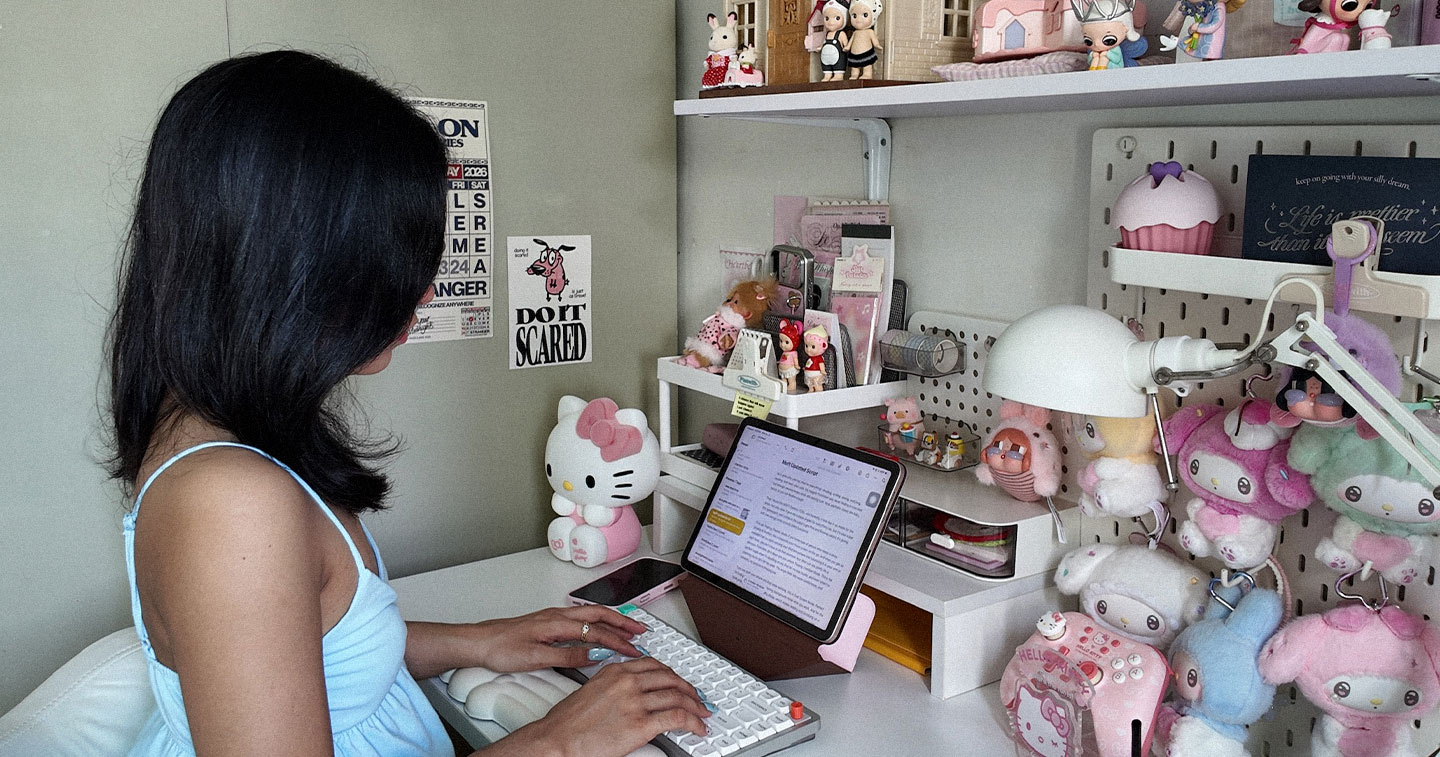
Learning how to set rates is one of the hardest parts of freelancing. It can be difficult to know whether you’re charging too much, too little, or just enough. If you’re a young freelancer trying to figure it out, here’s an expert guide to pricing your work from three seasoned professionals.
Start with a minimum sustainable rate
For many new freelancers, the first step in pricing starts with an important personal consideration: How much do you actually need to earn to make freelancing sustainable? For finance expert Arnel Legaspi, this means building a baseline rate that reflects the minimum needed to sustain both your personal and work expenses.
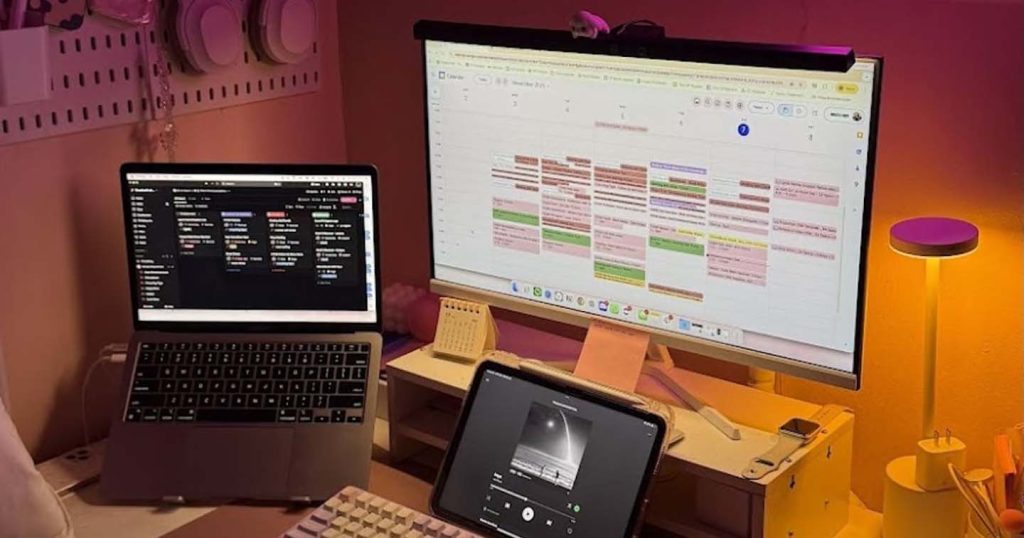
“I studied freelance platforms to understand what clients were typically willing to pay and what other editors were charging. This became my minimum rate and gave me a realistic starting point,” he recounts.
Meanwhile, for social media manager Kyla Dizon, that baseline becomes clearer when you also factor in the costs of running your freelance business. “From internet bills and electricity to software subscriptions, tools should be taken into account because these things help you do your work,” she explains. Once these expenses are identified, freelancers can identify a true minimum rate that ensures every project contributes to financial sustainability.
Charge for the value you are able to provide – not just the hours spent
Pricing should reflect the value you bring to a client’s business. According to content creator Rini Mendoza, many freelancers fall into the trap of accepting underpaid work just to build experience, but this often leads to undervaluing their own growth. ”The biggest lesson I’ve learned about pricing as a freelancer over the years is that not every work project is to be accepted or considered, especially when the clients are lowballing. That’s why, as they always say, know your worth as a freelancer!” she shares.
When pricing your work as a freelancer, it helps to present yourself as a partner in your client’s growth. Regardless of whether you are a social media manager, virtual assistant, financial planner, graphic designer, or writer, you are being hired because your work creates outcomes, not just output.
For Kyla, this shift in mindset is what also builds your confidence when pricing your work, so she encourages freelancers to ask: By doing your job, what do you offer your client? How much time are you saving your client? When you understand the value you bring to the table, it becomes easier to price your services with confidence.
Account for platform costs, taxes, and other deductions
Freelancers have to deal with transfer fees, platform charges, taxes, software subscriptions, and payment delays. For freelancers working with international clients and earning in currencies like USD, exchange rates and conversion timing can also make earnings unpredictable.

Because of this, Arnel, Kyla, and Rini think beyond just setting rates. They also consider how effectively they can manage what they earn. They use the GCash Virtual US Account, a new feature in the GCash app that lets freelancers receive USD payments from clients directly and convert earnings to PHP when it makes the most sense for them. Once withdrawn, funds can be used directly for bills, savings, and other everyday expenses.
For freelancers, pricing confidently goes beyond setting a rate and involves understanding how that rate is affected by fees, timing, and conversions. Follow these three tips for pricing your work and be sure to use the right tools to support you, like the GCash Virtual US Account.
About GCash
GCash is the Philippines’ #1 Finance Super App and Largest Cashless Ecosystem. Through the GCash App, users can easily purchase prepaid airtime; pay bills via partner billers nationwide; send and receive money anywhere in the Philippines, even to other bank accounts; purchase from over 6 million partner merchants and social sellers; and get access to savings, credit, loans, insurance and invest money, and so much more, all at the convenience of their smartphones. GCash’s mobile wallet operations are handled by G-Xchange, Inc. (GXI), a wholly-owned subsidiary of Mynt, the first and only $5 billion in the Philippines.
GCash is a staunch supporter of the United Nations Sustainable Development Goals (SDGs), particularly UN SDGs 5,8,10, and 13, which focus on safety & security, financial inclusion, diversity, equity, and inclusion, as well as taking urgent action to combat climate change and its impacts, respectively.
G-Xchange Inc. (GXI) is regulated by the Bangko Sentral ng Pilipinas (BSP). To know more, Visit the GCash Help Center or call us at 2882 (Globe/TM) / (02) 7213-9999 (Globe Landline), or Internet Call through the Help Center.