
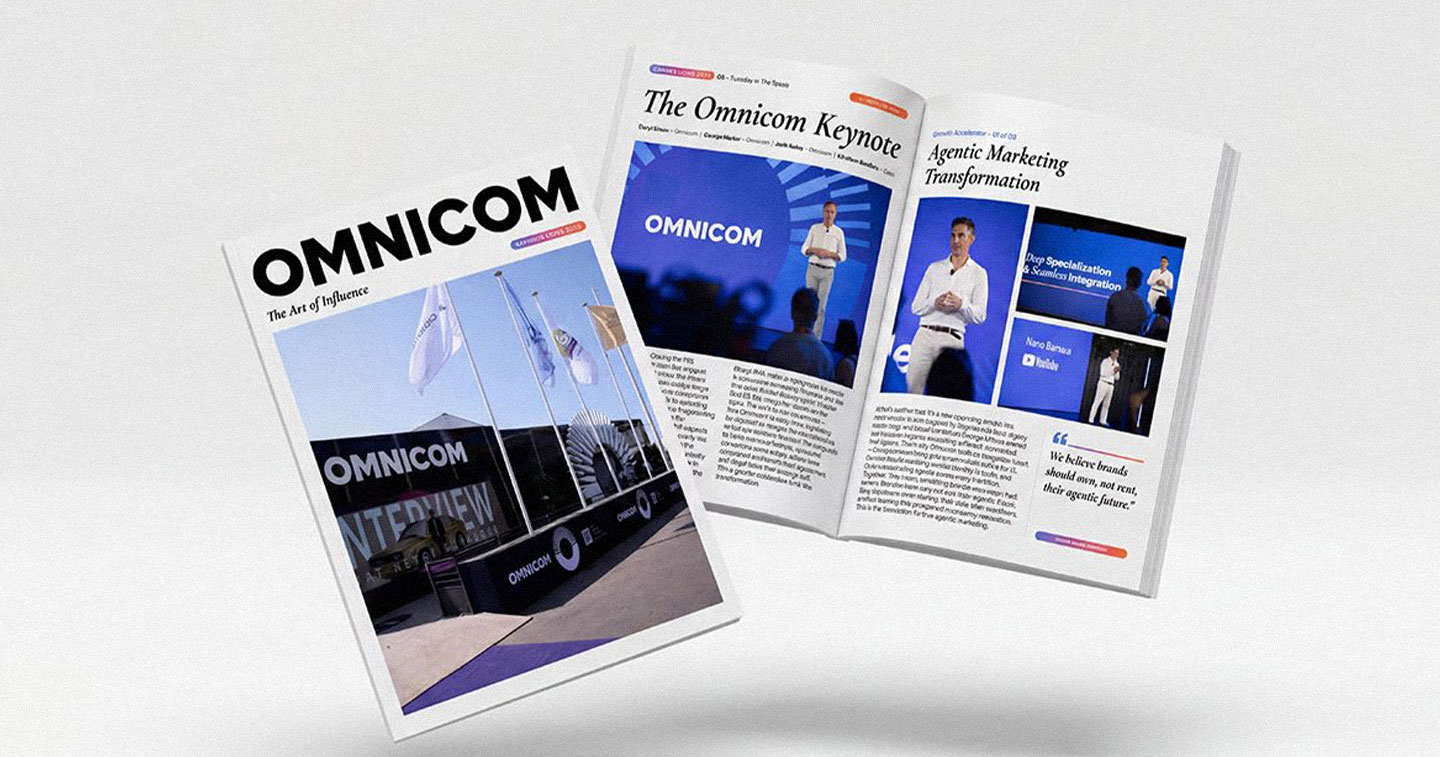
For Omnicom, Cannes Lions 2026 marked a new chapter for the newly combined company and a festival increasingly focused not simply on attention, but on what comes after it: influence.
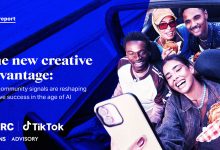
In its 2026 Cannes Lions recap report, The Art of Influence, Omnicom argues that attention is now only the entry point. As AI makes content and scale increasingly replicable, the advantage shifts toward what remains distinctly human: taste, judgment, cultural fluency, creativity, and a point of view.
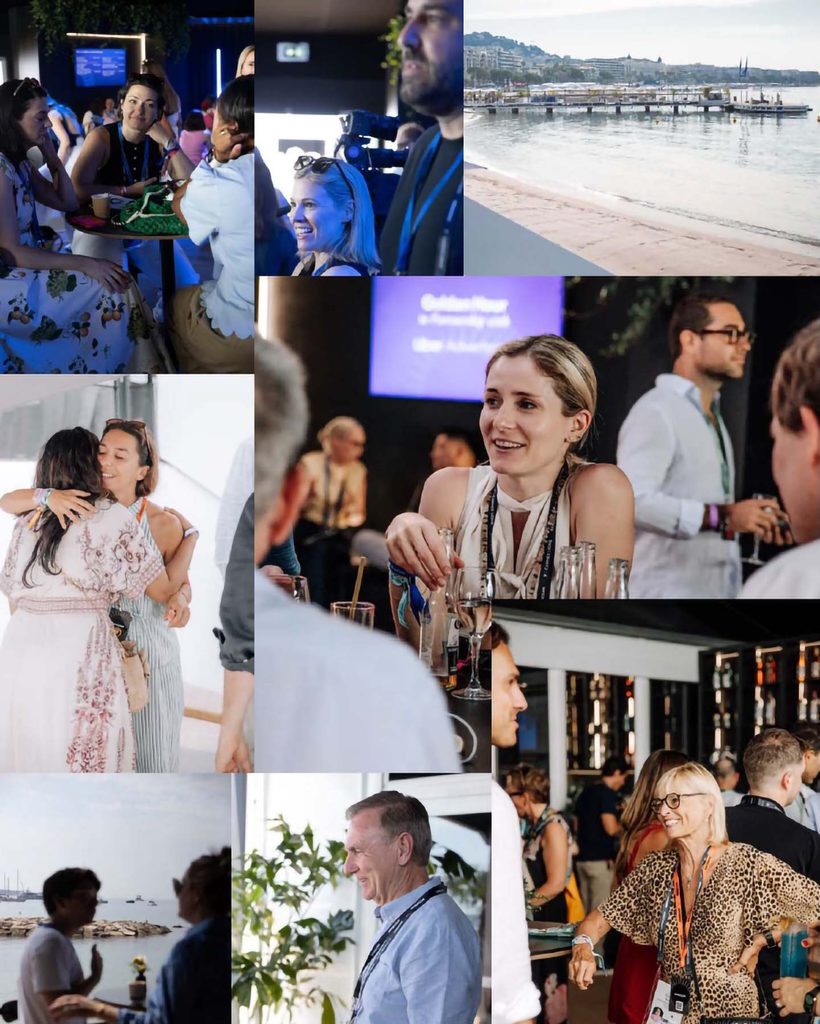
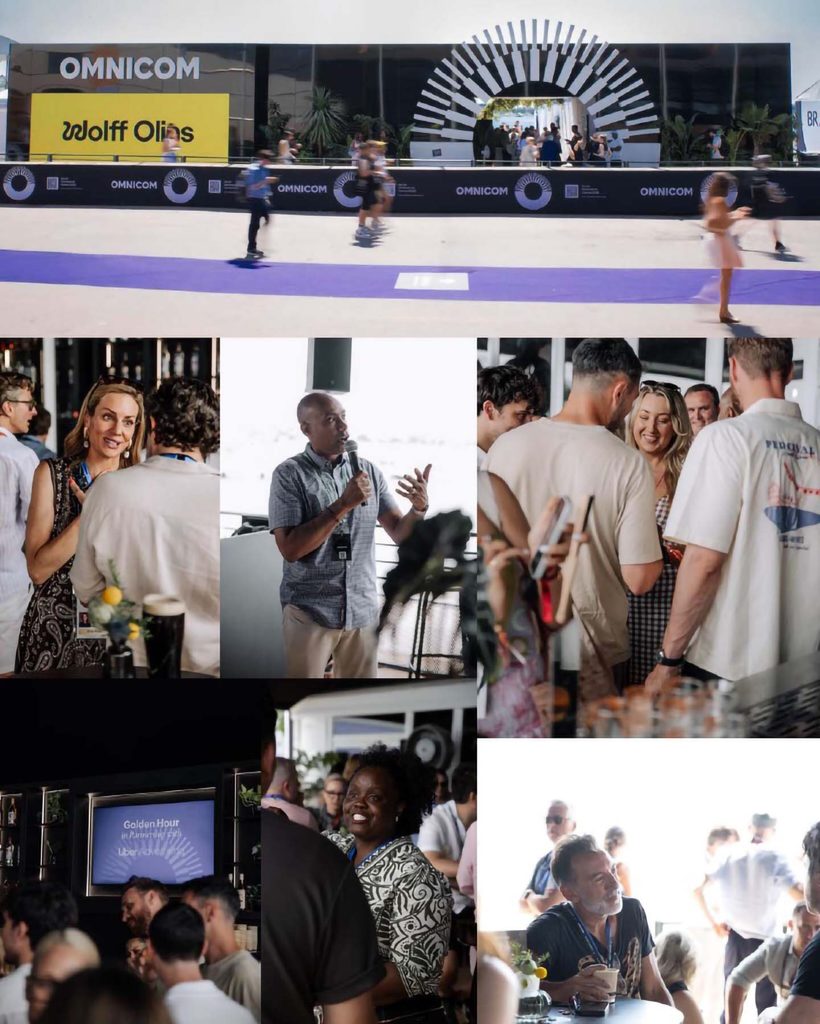
Across The Omnicom Space, that idea surfaced through conversations spanning brand building, media, creativity, technology and commerce. Brand-building is moving from consistency of message toward consistency of decisions, while media is shifting beyond reach and frequency toward fandom, community and connected commerce. Creativity, meanwhile, is moving upstream from campaigns into business infrastructure. It positions AI positioned less as a replacement for people than as a system that frees them to do work only humans can.
Five themes defined the festival.
The first was a shift “From Audiences to Carriers.” The brand story, Omnicom argues, no longer belongs entirely to the brand. The creator economy is becoming a new distribution logic for brand meaning, with communities, customers and creators reshaping and carrying stories forward.
The second was the return of human creativity. With AI everywhere, meaning becomes the scarce resource. The report’s “poetry and plumbing” distinction captures the tension: technology, data and automation provide the infrastructure for scale, but cultural insight, emotional truth and creative courage give that infrastructure a reason to matter.
Creator commerce was the third major shift. Creators are increasingly more than talent with large followings; they are building communities, formats, businesses and products. Influence is consequently becoming more measurable and more closely connected to commerce. Yet Omnicom cautions against treating creators simply as media inventory. Their value lies in trust, voice, community fluency and the freedom to shape the work.
The fourth theme was perhaps the most consequential for marketers: the operating model itself is becoming a competitive advantage. The challenge is no longer whether a brand has strong creative, media, data or commerce capabilities, but whether those capabilities can work together at the speed of culture and the pace of the customer journey.
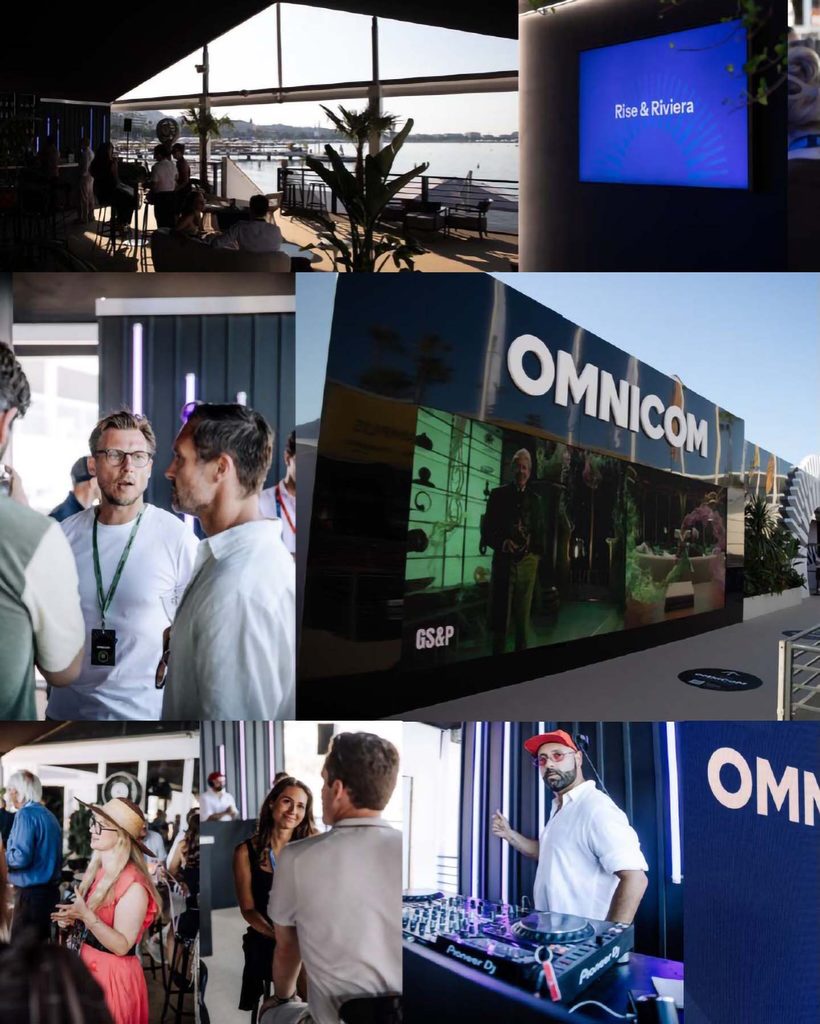
Finally, trust is moving from claims to proof. Brands are increasingly judged not by what they say in market, but by the evidence people encounter in real life. Values, in this context, have to show up in behavior.
The report also points to a changing definition of media creativity. The strongest work at Cannes, it argues, behaved less like a channel plan and more like a system—turning culture into a live brief, interfaces into ideas, and people into proof. Campaigns such as KitKat Heist, CeraVe’s New Face of Legs and Heineken’s Could Have Been a Heineken demonstrated how brands can respond to cultural signals rather than simply interrupt them. Meanwhile, work such as Uber Eats’ Build Your Own Super Bowl Commercial showed how the interface itself can become the idea.
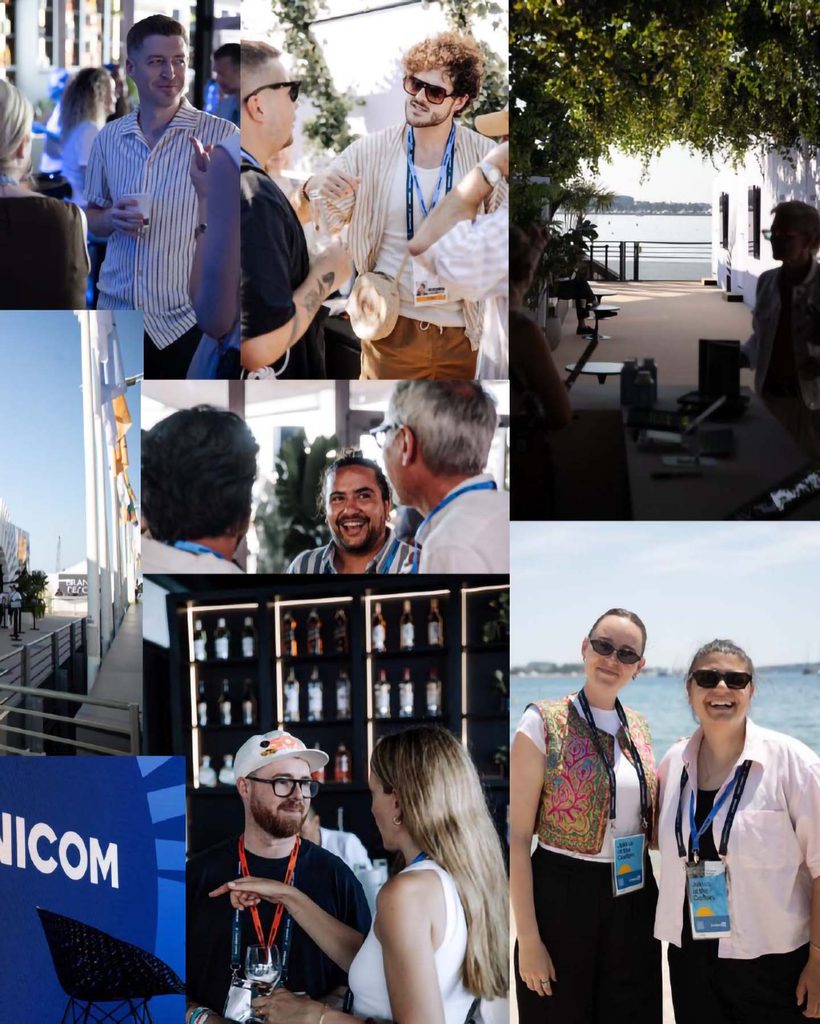
Omnicom’s own Cannes showing reinforced the scale of this creative ambition, with its agencies earning 160 Lions, including nine Grand Prix and one Titanium Lion.
The Art of Influence makes a compelling case that the next phase of marketing will not be defined by who can generate the most content or command the most attention.