
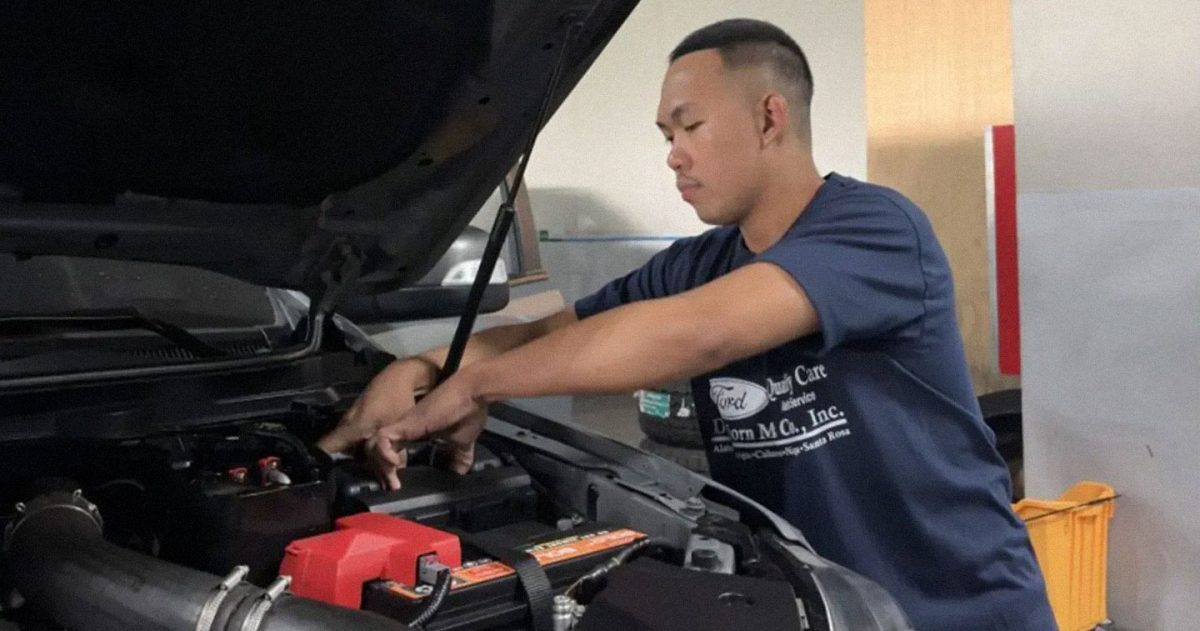
Erwin Mallorca has a plan. One day, he’s going home.
Home is Bulusan, Sorsogon, a province at the southern tip of Luzon where his mother still lives. The distance between there and his workbench at a Ford dealership in Metro Manila is roughly 600 kilometres. He’s been making that trade for nine years now: proximity to family for proximity to opportunity.
“That’s my plan,” he says, smiling. “The area is booming right now, and I want to build something there in the future so I can be closer to my mother.”
But first, there’s work to do.
A 16-year-old in his uncle’s shop
Erwin’s path into automotive started the way many do in the Philippines: watching someone else’s hands. At 16, fresh out of high school, he spent time in his uncle’s repair shop, studying the mechanics as they worked. Something clicked.
When the Don Bosco Technical Institute of Makati offered him a scholarship, he took the automotive course and threw himself into workshop training. His on-the-job placement landed him inside a Ford dealership.
He never left.
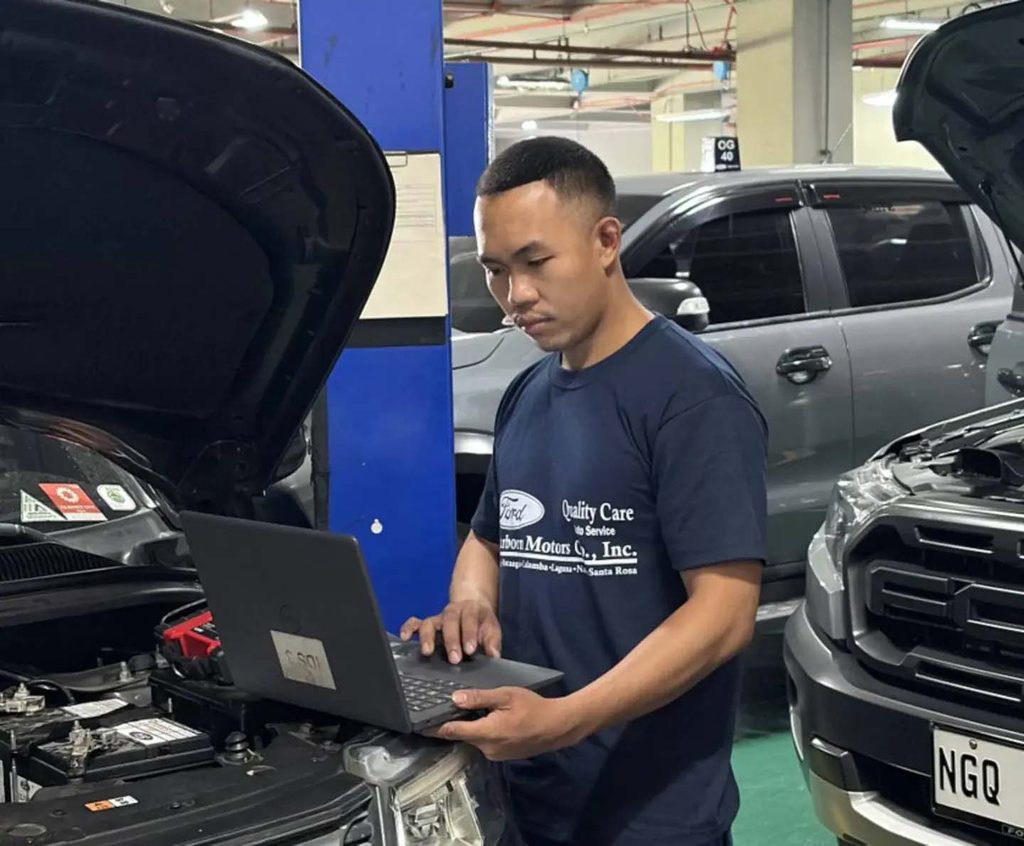
Ford absorbed him into the team after his training, and over the years he worked his way from young trainee to a level 2 senior technician.
The years haven’t been without moments of doubt. Like many who leave home for work, there were days when exhaustion and homesickness made him wonder whether it was time to return to Sorsogon for good. Instead of walking away, he learned to pause. A day off, sometimes a week, and a phone call to his mother were often enough to reset. When the feeling became too heavy, he would ask her to visit him in Manila.
But the feeling doesn’t last. Eventually, he would find himself raring to go back to work. “When I’m on vacation for too long, I eventually want to work again,” he says. “I just need time to rest, be with family, then I come back.”
Over the years, he also learned that he never had to face difficult problems alone. As a young technician, whenever an unfamiliar diagnosis or repair challenged him, senior technicians and service manuals were always within reach. Little by little, the problems that once seemed overwhelming became part of his everyday work.
What the hood really means
But routine never meant indifferent. Somewhere along the way, the diagnosis stopped being just about the vehicle in front of him. It became about the people who’d be riding in it tomorrow.
“When we receive a customer’s vehicle, we think about their safety first,” he says. “We want to be sure that everything is done correctly because customers and their families trust us.”
That word, “trust,” comes up more than once. For Erwin, the job has never been just about fixing what’s broken. It’s about the people who’ll depend on it.
One case still reflects that mindset. A customer repeatedly returned, convinced there was a coolant leak in the vehicle’s AC system. Each inspection showed no trace of the problem, even after road tests and repeated observations. Rather than dismissing the concern, Erwin recommended inviting the customer into the workshop to see the inspection firsthand. Walking through the checks together gave the customer confidence that nothing had been overlooked.
“Sometimes customers just want peace of mind,” he says. “When we explain everything clearly and they understand, they calm down.” It’s a philosophy that has shaped many of his interactions. Some customers now specifically ask for Erwin whenever they bring their vehicles in, trusting that he’ll take the time to explain their concerns and see the job through.
A place to stay sharp
Nine years in, Erwin has watched vehicles get smarter every model year. Diagnostics that once required a wrench now require software fluency. The job keeps evolving, and so the learning can’t stop.
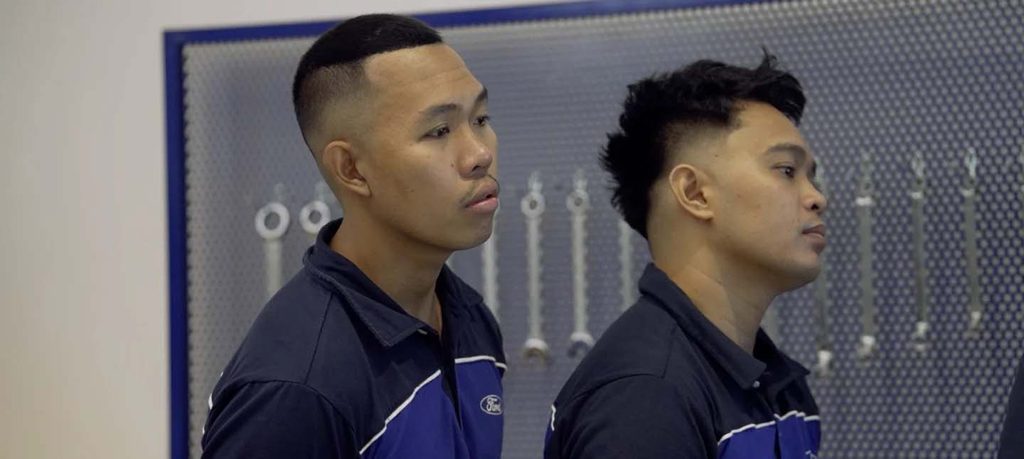
“Our vehicles are upgrading yearly,” he explains. “Sometimes we encounter one-time concerns that are new to us, so continuous training is important.”
For most of his career, that training happened at the Don Bosco Training Center, a former Ford facility housed in the same school where he studied. The space was tight. Presentations were hard to see from the back. Trainees shared restrooms with the rest of the students.
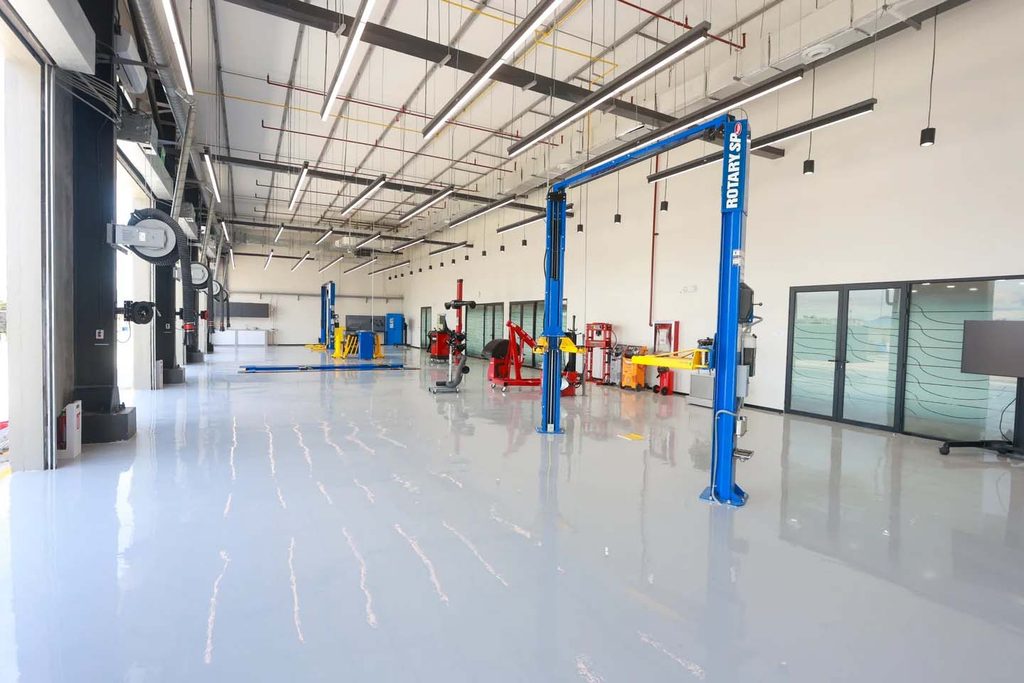
So when Erwin arrived at the new Ford Learning Center for his first session, he noticed the difference immediately. Not just the size of the rooms, but what the environment did for his focus.
“Even when the instructors gave us difficult troubleshooting exercises, we still felt fresh,” he says. “The environment is comfortable, so it’s easier to stay focused.”
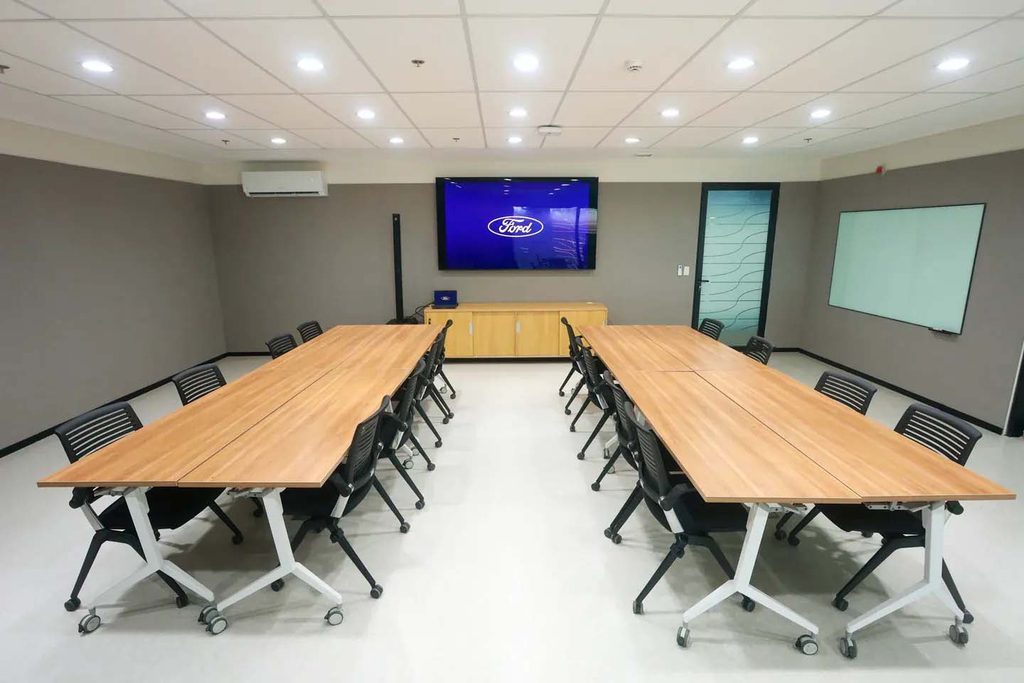
For technicians who spend hours diagnosing complex vehicle systems, that comfort translates directly into sharper thinking and better retention. What Erwin learns here doesn’t stay in the classroom. It goes back to the dealership floor, where he applies it to real customer vehicles and shares it with fellow technicians.
“I saw a lot of new tools, including high-end wheel alignment equipment,” he says. “I’m looking forward to learning how to use them in future training sessions.”
When asked what excites him most about the new facility, his answer is one word: “Knowledge.”
And despite opportunities elsewhere, Erwin has never considered moving to another brand. “The managers are supportive, the team feels like family, and there’s always room to grow,” he says. “If you’re happy where you are, you don’t really think about leaving.”
Step by step
Erwin is currently working towards getting a level 3 certification, which is equivalent to becoming a master technician. But the credential is a waypoint, not the destination. The destination is Bulusan. A repair shop of his own. The skills he’s accumulated over nine years, brought home to a community that needs them. And his mother, no longer 600 kilometres away.
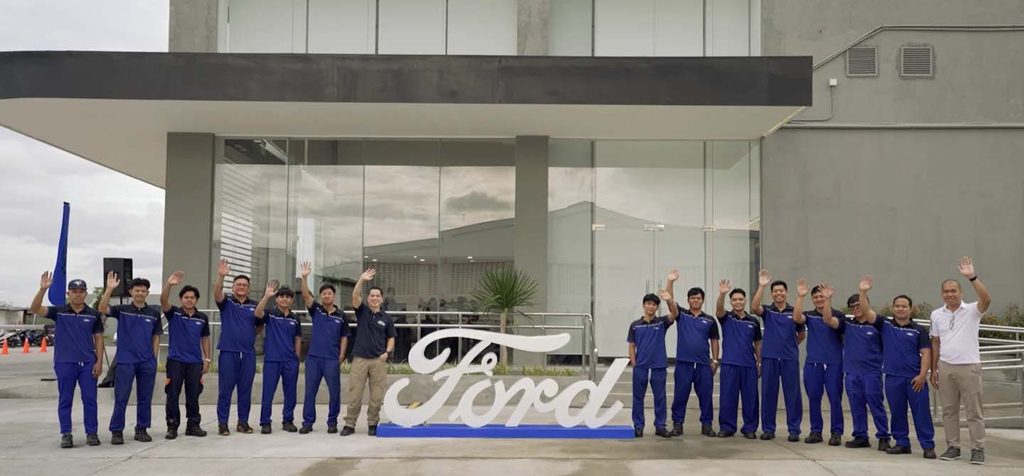
“Patience,” he says, when asked what advice he’d give a student hoping to follow his path. “That’s the most important thing in this industry. You have to be patient, follow the correct procedure, prioritize safety, and take things step by step.”
Nine years of steps so far. Each one a little closer to home.