
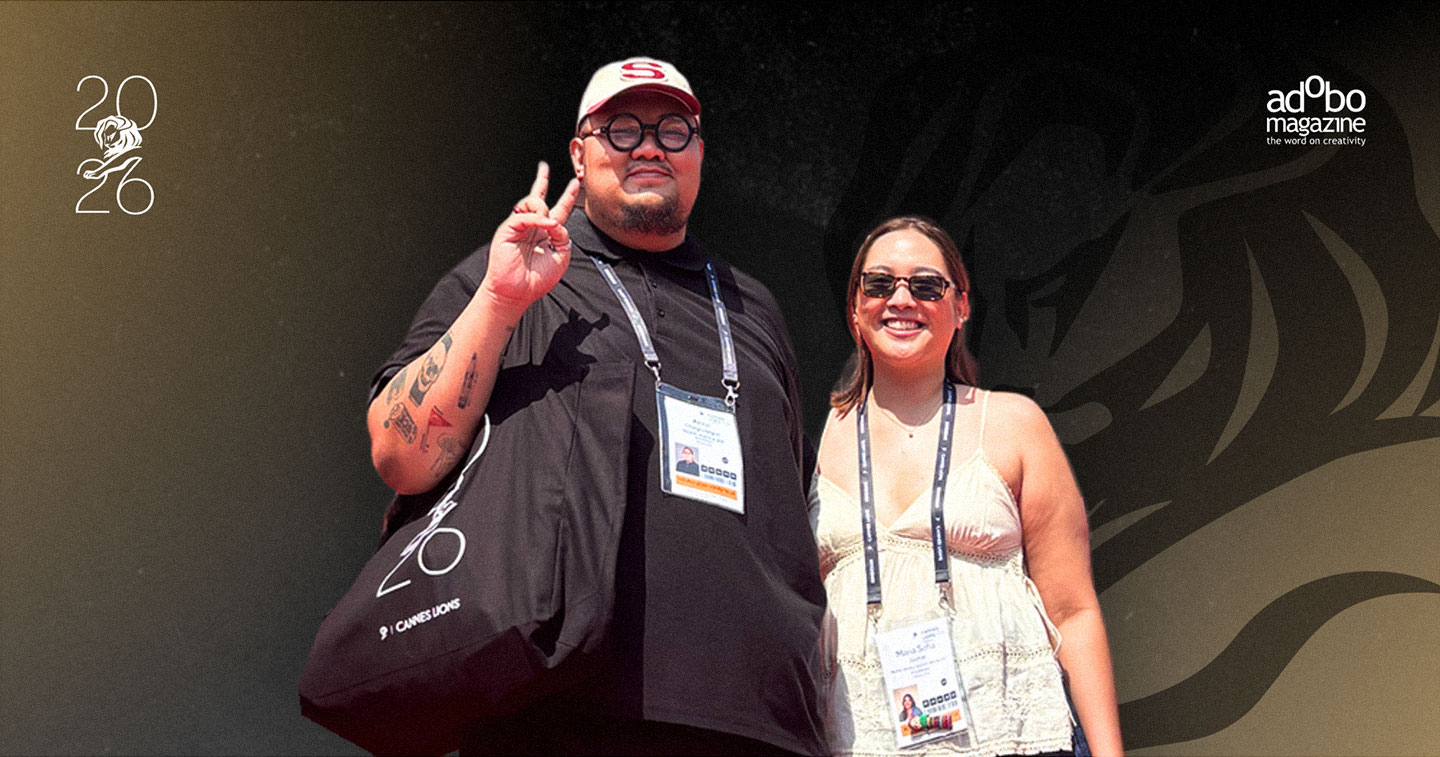
The Cannes Lions International Festival of Creativity may have already rolled up the carpet at the Croisette and wrapped up a week of activities, but one thing is certain for the Young Lions competition’s Filipino delegates: it is a week they will remember for the rest of their lives.
For Propel Manila’s Sofia Jayme and Arvin “Ching” Chingcuangco, the experience was never just about the competition; it was about stepping into one of the world’s most celebrated stages for creativity, standing shoulder to shoulder with the brightest young talent from across the globe, and representing the Philippines in a space where ideas are currency and boldness is rewarded.
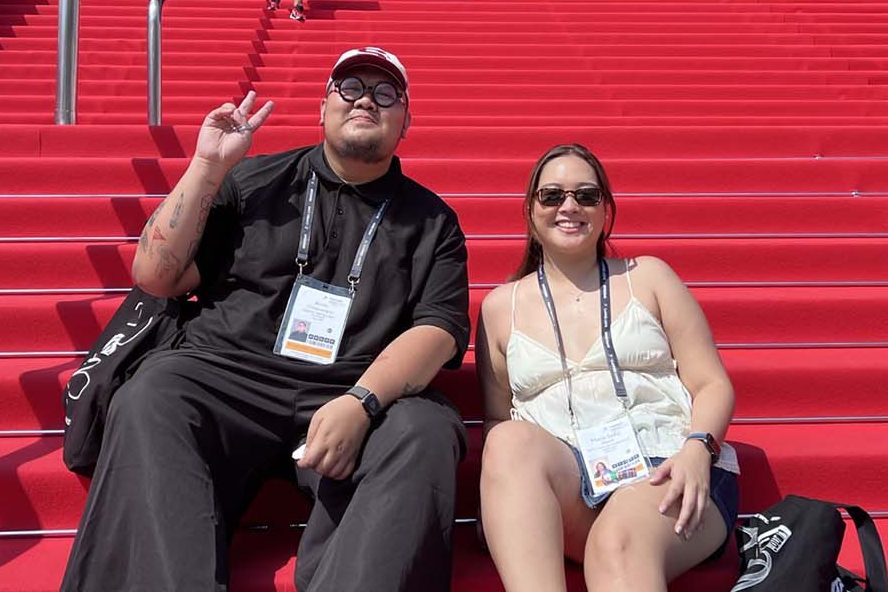
Every brief tackled, every late night spent refining their work, and every moment spent absorbing the energy of the Croisette was a masterclass that no classroom could replicate.
They came as delegates, but they left with more than what they came with: Read about Sofia and Ching’s experience at Cannes below.
The preparation
Before the Croisette, came the work. For Sofia and Ching, preparation wasn’t just about perfecting the craft; it was about building the confidence to believe that what they had to say was worthy of a global platform.
Sofia: Preparation began weeks before we flew out. We constantly kept our minds fresh with campaigns, ideas, and, more importantly, real work. One thing we learned from our last competition was the importance of keeping our minds stimulated. We made sure we had momentum to build from rather than starting from a place where we had switched our brains off. As a team, we needed to maintain a flow fueled by the creativity we work with every day.
As for the competition itself, nothing can make you feel truly prepared for whatever the brief may be. What was important was staying open to the many directions things could take, while not forgetting what we brought to the table as a team and as individuals. For the most part, we tackled everything together — every part was discussed, debated, and solved as a team. We really let go of our egos and approached each challenge as something we had to figure out together.
Ching: If I am being completely honest, the days leading up to Cannes were a total blur. Sofia and I were being trained internally by our ECD 9excutiv cativ director) while trying to juggle our daily agency work, so everything happened incredibly fast.
When we first received the brief for Comic Relief: Red Nose, I panicked a little. I did not know much about the brand, but I knew we had to get it exactly right.
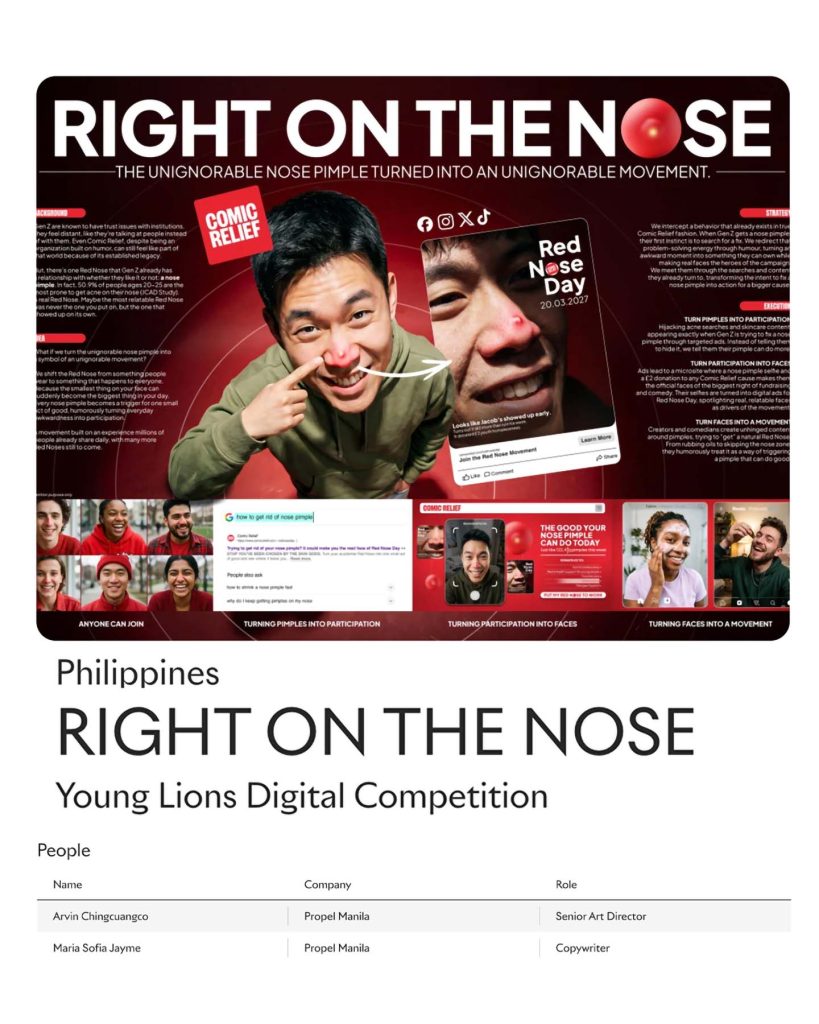
Our approach was to work alone for an hour to gather our own thoughts, and then collide our ideas in a brainstorm. We never worked in silos. We constantly overlapped our skills, with Sofia even suggesting art direction ideas along the way.
The hardest part was choosing the single idea we wanted to present. There is no right or wrong in this competition, which means it takes a lot of guts and risk. We kept worrying about what the jury would think of two young creatives from the little islands of the Philippines.
We actually finished our concept two hours before the deadline. Because it felt too easy, doubt started creeping in. We tried to overthink and complicate our work to make it better, but we quickly realized it was ruining the concept. We went back to our original idea, hit submit, and just prayed.
Arriving in Cannes
Nothing quite prepares you for the moment the south of France stops being a dream and becomes the view outside your window. For young creatives who have spent years looking at the Cannes Lions from the outside, stepping onto the Croisette for the first time is the kind of experience that shifts something permanently — a reminder that the world’s biggest conversations about creativity have a seat at the table with their name on it.
Sofia: The scale of Cannes and what I was there for really hit me the moment I arrived at the airport. Seeing all these different people from all walks of life waiting for their luggage made it all feel real. Bags came in all shapes and sizes — some carrying equipment, some eccentric and eye-catching, some belonging to people from faraway places like us, and some just simple backpacks.
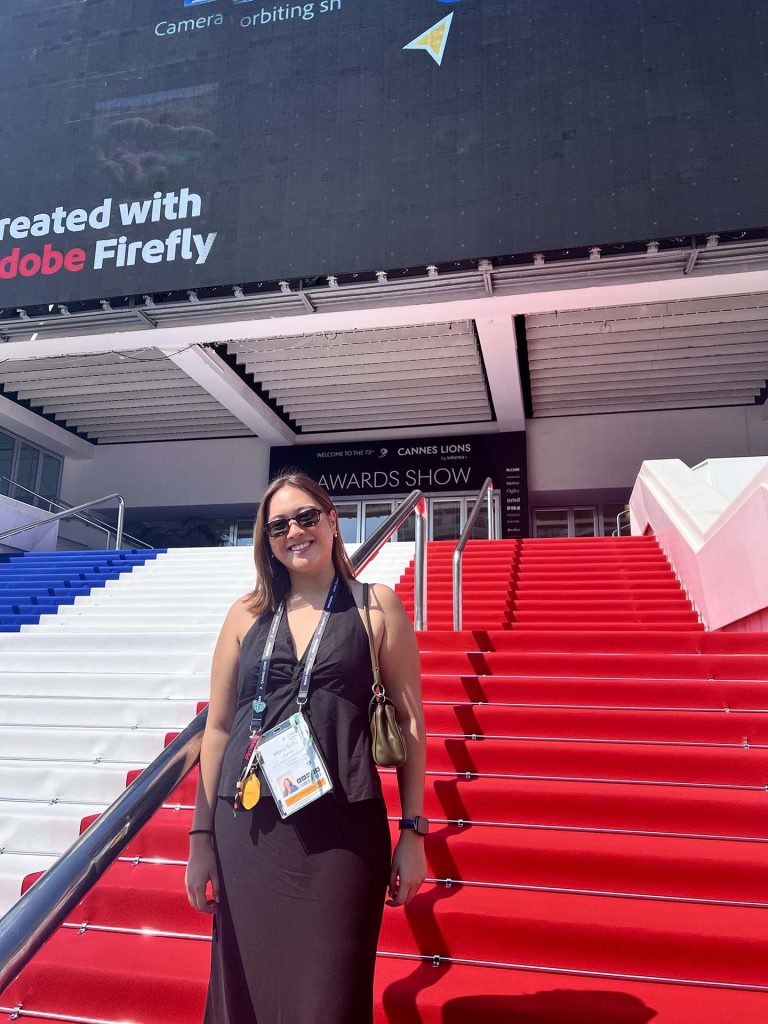
In the 40 minutes we spent waiting for ours, I could overhear the owners of those bags talking about Cannes — what they were there for, the work they were excited to see, and the events they were planning to attend. That moment was the calm before the crazy storm that was the Cannes Creative Festival, a small glimpse into just how big things were about to become.
And following this, the most challenging part was trying not to feel overwhelmed. Staying level-headed and calm going in can be difficult when everything is something I’m experiencing for the first time. The pressure, along with the overwhelming amount of great work and talented people from around the world was something I had to overcome. With everything I was experiencing for the first time, I had to strip all those layers away. I approached everything for what it was, taking it one day at a time.
Ching: The first thing that hit me was the heat. It is a different kind of heat, the kind you actually want to soak in. We made sure to arrive a few days before the festival week started. This gave us time to adjust and avoid getting overwhelmed by the massive yachts on one side, the Palais on the other, and thousands of the best creatives in the world casually walking past us.
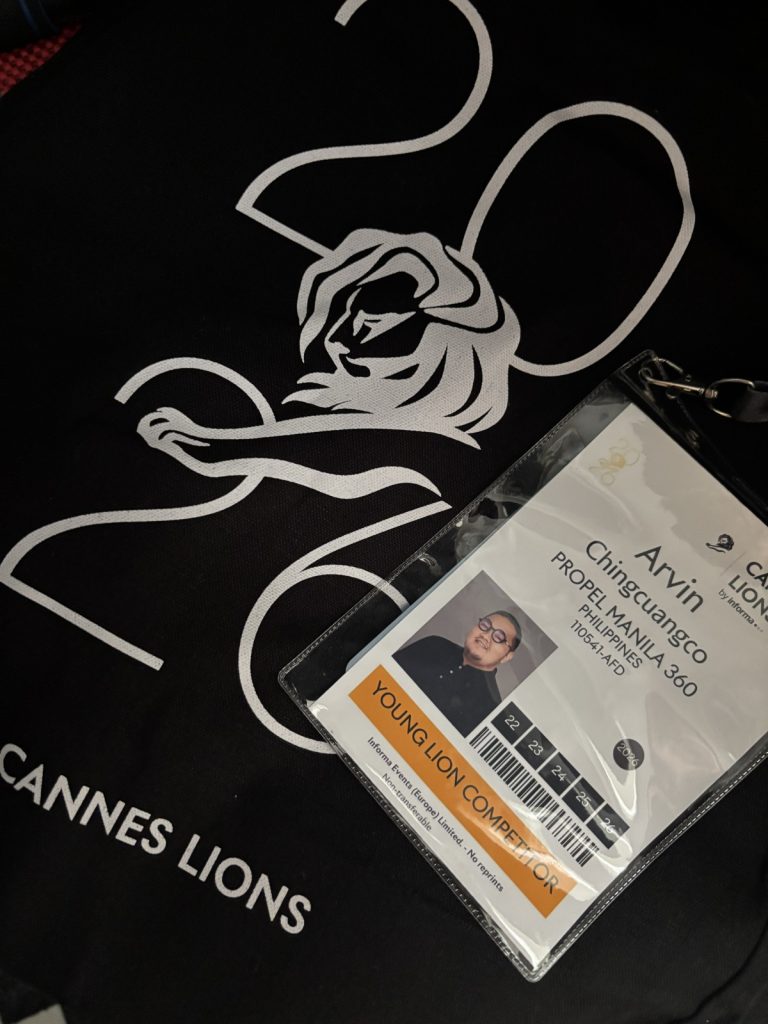
The reality of our situation did not sink in at the airport. It finally hit me when we picked up our festival badges. Seeing my name right next to the word “Philippines” made my imposter syndrome flare up for a second. But very quickly, that fear was replaced by a huge wave of pride. I knew we belonged there.
The competition
When the brief dropped, everything else fell away — the nerves, the noise, the weight of representing an entire country — and all that was left was the work. The Young Lions competition is designed to push delegates to their limits, challenging them to think fast, create boldly, and deliver something meaningful under pressure. For Sofia and Ching, it was the moment they had been building toward.
Sofia: The moment I stepped into the briefing area, I could feel the anticipation, the seriousness, and the thick layer of competitiveness in the air. Everyone was just as excited as we were, and everyone in that room was just as good, if not better. It was a strange contradiction — feeling both inspired and intimidated at the same time — and somehow, it only made me more excited to work.
For the competition itself, Ching and I had our routine down. We knew what steps to take, what we’re looking for, and dissected the brief like we always did. What was different this time was how intentional we were in choosing the work we set out to make. Our priority was creating work we were proud of and believed genuinely represented us.
We landed on an idea pretty early and took a risk on something we knew would be surprising and memorable. From there, it became about refining it and making sure every piece fell into place, building a campaign and movement that had the potential to become something big.
We poured a lot of ourselves into the work and pushed each other to our limits, both in copy and art. At that point, it all came down to making our craft the best it could be.
Ching: The atmosphere in the Young Lions room is hard to put into words. It is completely silent, yet buzzing with a sense of friendship. I would catch another team’s eye, share a knowing smile, and silently check in on them. Everyone there was young, just like Sofia and me, and very easy to approach.
When it was our turn to present, we delivered our pitch like it was the greatest idea in the world. Our concept was built on humor, so our main goal was to make the jury laugh. We must have done something right, because as we walked out the door, we could hear them laughing inside.
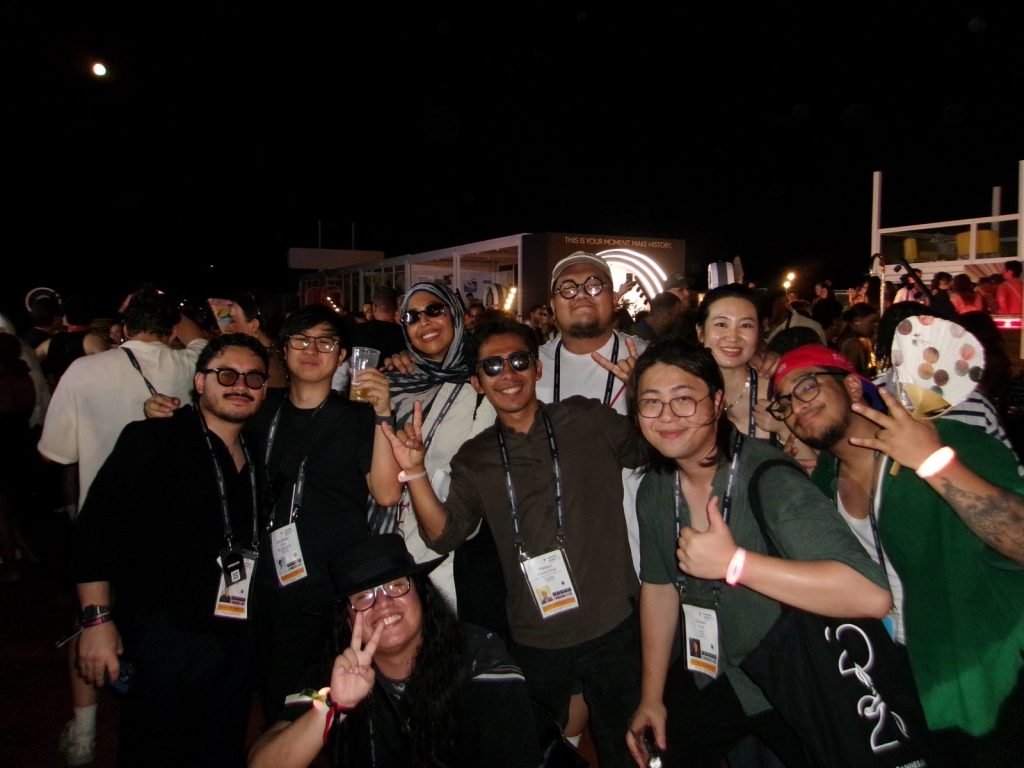
What surprised me the most about the whole day was the community. We were all competing, but right after the pitches, we were just swapping war stories about our lack of sleep. That shared suffering bonded all the delegates instantly.
The deliberation
The hardest part wasn’t receiving the brief or racing against the clock — it was the decisions made in the hours that followed, when every creative choice had to be defended, refined, or let go entirely. Deliberation at this level is where ideas are stress-tested and instincts are sharpened, and for Sofia and Ching, it was a process that pushed them to articulate not just what they made, but why it mattered.
Sofia: After presenting our idea, I needed to let go of our work and touch grass haha. I had to remind myself that while this was the most important part of my Cannes journey, it wasn’t the only thing it should be about.
I took the time to go through all the great work in the exhibition, watched the films, and sat in on jury insights. I had to remind myself that it was all so much bigger than me. It helped me get out of my head and stop thinking about everything I could have done wrong. Instead, I became excited about everything I could still do.
Basically, I distracted myself until I was more excited than nervous haha.
Ching: If presenting was nerve-wracking, waiting for the results was pure agony. It is a weird waiting room where you cannot change anything, so your brain just replays every word you say on an endless loop. To keep ourselves grounded, Sofia and I kept reminding each other that just making it to Cannes was already a massive win. Win or lose, I was incredibly proud of the work we submitted.
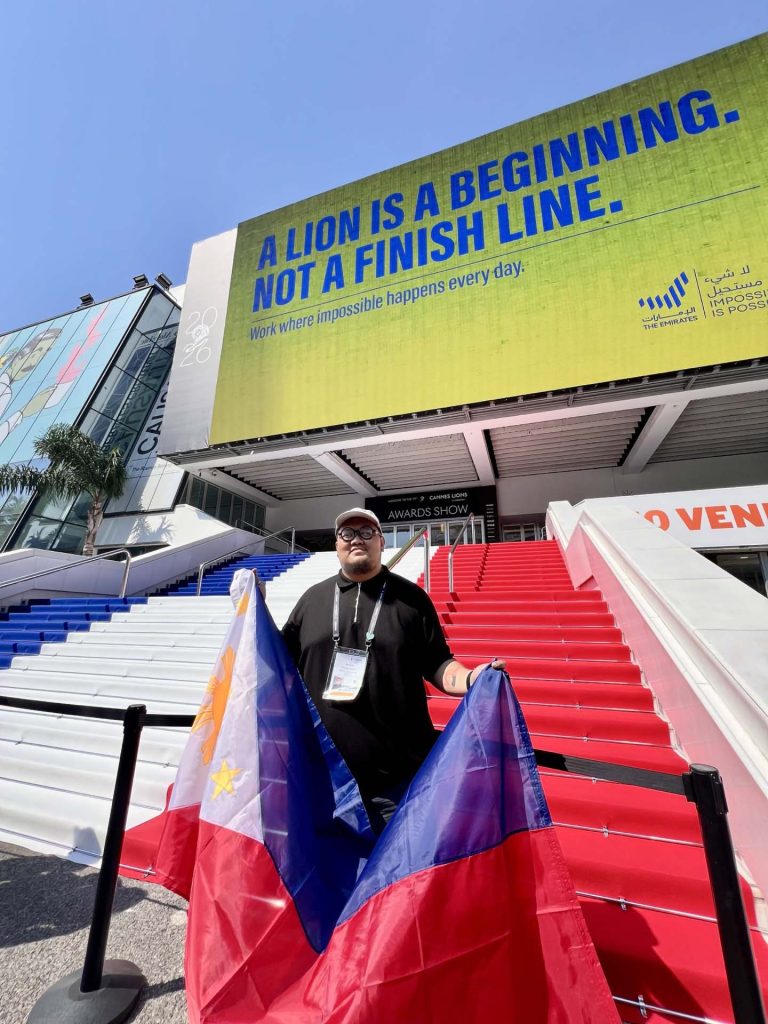
We did not win the competition. We did our absolute best, but the results were not in our favor. However, instead of feeling bitter about the outcome, I felt so much pride. Watching other Young Lions go up on stage, seeing everyone cheer and cry, was a beautiful moment. It did not make me sad. It just made me hungrier to come back and compete again.
The bigger picture
Beyond the competition, Cannes had a way of reminding creatives why they chose their industry in the first place. Between the talks, the exhibitions, the chance encounters with some of the world’s biggest creative leaders, and the sheer density of inspiration packed into a single week, the festival had a way of expanding how Sofia and Ching saw their work — and the role creativity plays in the world beyond advertising.
Sofia: Cannes being the biggest stage of all creativity showed me how far we have to go when it comes to being a big player on that stage. However, it showed me how unique Filipino creativity is and the potential it can have. We have our own problems, situations, humor, and attitude that already set us apart. Imagine if we just leaned into that and kept pushing for impactful work while showing the world our own brand of creativity. I don’t think they fully know the Filipino flavor yet. We just have to keep pushing the limits until they stop questioning who we are and start looking to us for what we make.
If not all, then most of the great work that won this year did so because the brand and agency fully came together to create creative solutions to real problems. The judges said they weren’t just looking at the idea itself. They were looking at how the brand naturally lent itself to creating impact, and whether the creativity had the potential to grow into lasting change instead of becoming just another band-aid solution.
During the jury insights sessions I sat in on, one reaction kept coming up: “Why doesn’t that exist yet?” That’s when you know the work has done something special. It either feels so obvious it should have always existed, or it surprised them so deeply that they couldn’t believe no one thought of it before.
Ching: Stepping out of the competition bubble and actually enjoying the festival was an eye-opening experience. We attended a specific talk by Oprah Winfrey as she accepted the festival’s highest honor for social impact. She reminded a packed room that in an era of algorithms and AI tools, true influence is not built through massive scale. It is built through intention. That message completely stopped me in my tracks.
Cannes made me realize that Philippine creativity absolutely has what it takes to compete globally. We have the heart, the humor, and the resilience. We just need to be bolder in how we package and protect our ideas. The world is hungry for authentic, culturally rich storytelling, and we have plenty of that to share.
What they’re bringing home
A trophy would have been nice, but what they’re carrying back to Manila runs deeper than any award. Sofia and Ching are returning home with something that can’t be handed out on a stage — a sharper perspective, a broader sense of what’s possible, and the lived experience of having competed among the best young creative minds in the world. That, more than anything, is what Cannes gave them.
Sofia: I’m coming home knowing that things don’t feel so impossible anymore.
Seeing the scale of the work, the ideas that become great, and the journeys that take people from where I am today to standing on the Cannes stage as speakers made me realize that anything and everything can happen. I want to carry that mindset into the way I approach my work and creativity. To keep pushing simply because… why not? And if something isn’t possible, maybe it just isn’t possible yet.
The entire time at Cannes, I felt like a small fish in a big ocean. But instead of being intimidated by everything I don’t know, I’m excited by it. Excited to discover what’s out there, with no spoilers at all.
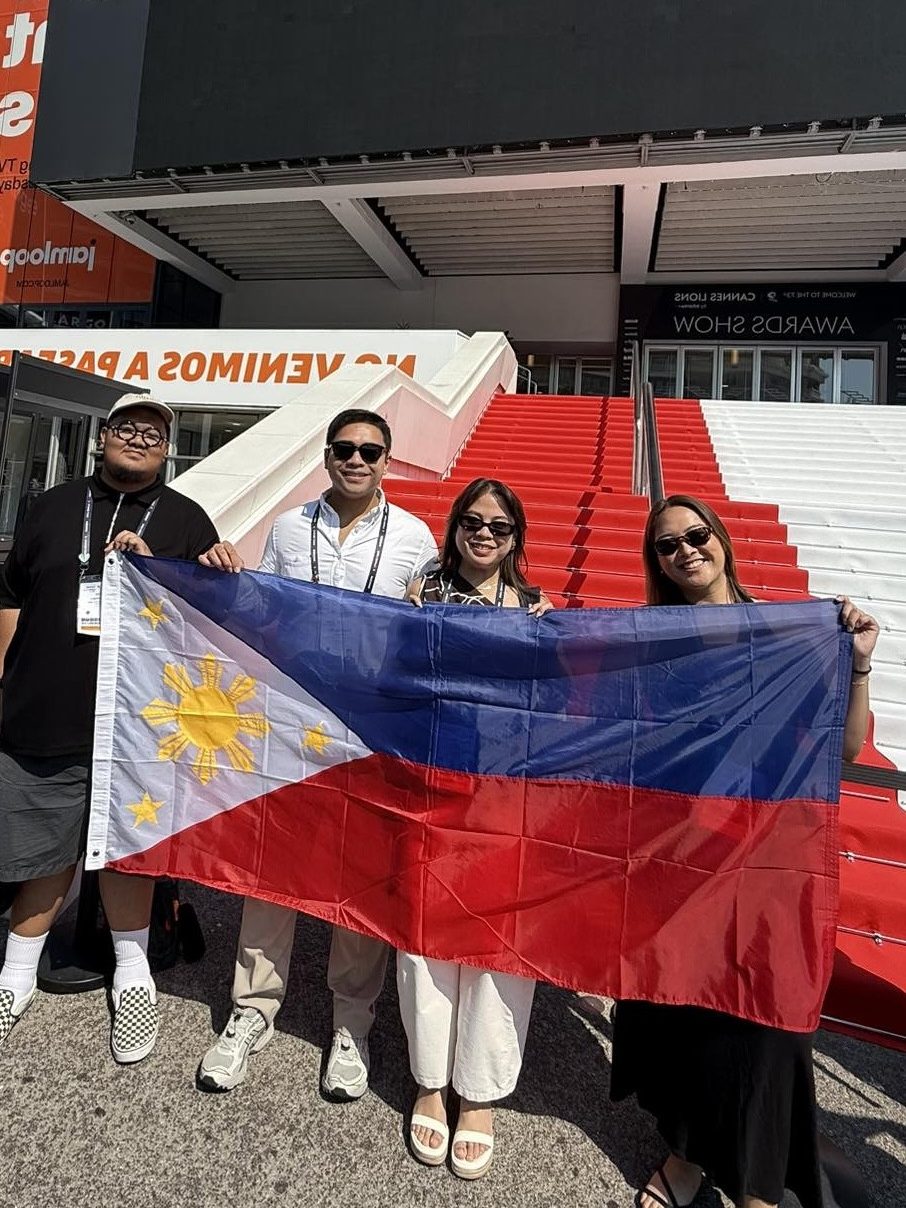
Ching: We brought home more than just festival freebies and a desperate need for sunburn cream. Sofia and I are coming back to Manila with a totally shifted perspective. It is so easy to get cynical in the advertising industry when you deal with daily client revisions and budget cuts. But Cannes reminded me exactly why I do this job.
The work celebrated at the festival was not just clever. It was brave. That is the energy I am taking back to Propel Manila and my career. I am bringing home a promise to myself: I will fight harder for the ideas that scare me a little bit, because those are the only ideas truly worth making.
READ MORE
This Filipino copywriter made waves at Cannes without actually being there
Cannes Lions Jury Insights: In the Creative B2B category clever, buzz-worthy ideas are never enough