

Marion Manabat arrived at the 2026 Cannes Lions International Festival of Creativity carrying more than a festival pass. As one of only five creatives worldwide—and the sole Filipino—awarded the prestigious LIONS Scholarship for the Creative Academy, the Ogilvy Manila Senior Art Director joined an elite cohort chosen from more than 400 applicants across 67 countries.
In this personal reflection, Manabat writes about the quiet dismantling of self-doubt, the conversations that reshaped her understanding of creativity, and why the most valuable thing she brought home was a renewed belief that Filipino talent belongs on the world’s biggest creative stage.
Well, let me tell you the truth about Cannes Lions.
For years, I had been building up the moment in my head. Ever since I decided advertising was the path, I imagined arriving at the Palais to something cinematic. Fireworks, maybe, or a rainbow over the roof. Some small sign that I had finally arrived.
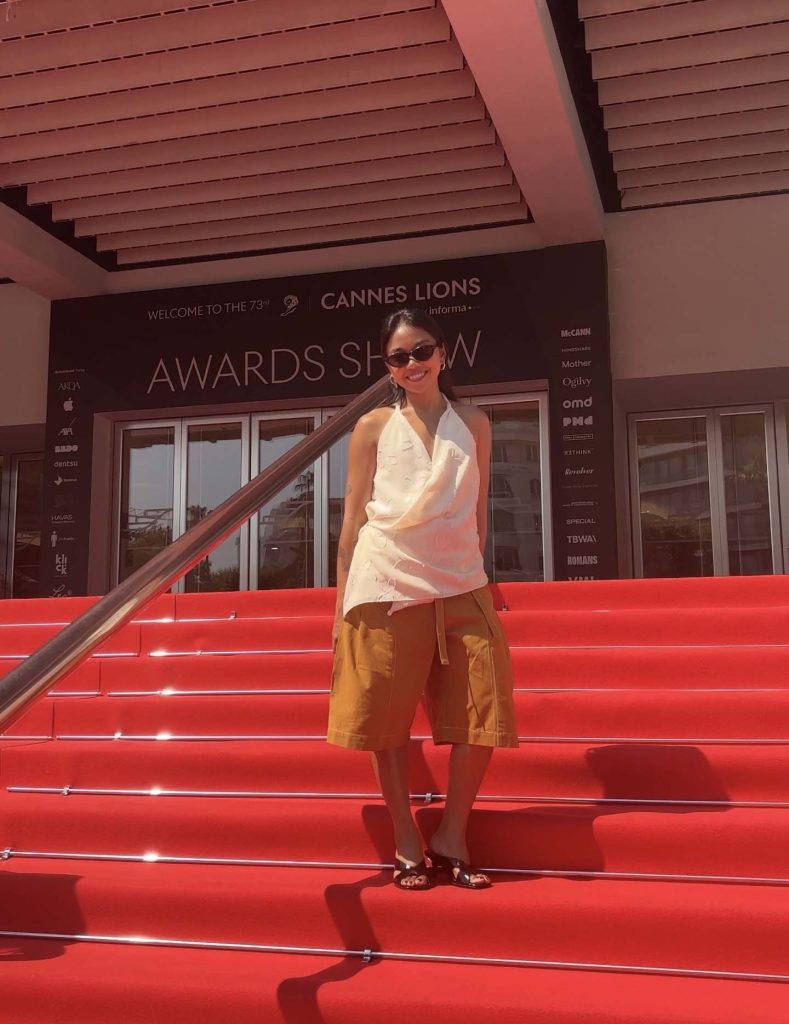
What I got was the day of ingress: scaffolding, cables taped to the floor, fences everywhere, 30 degrees of heat, and me limping through all of it in a pair of heels I had bought in Paris two weeks before. They tell you to dress comfortably for the festival. I obviously did not listen, having decided that the week I represented my country was the perfect time to break in new shoes. So yes, blisters. New ones every day.
The thing itself had never seemed quite real. Five months ago, I found out I was one of five. Five people, out of 400, from 67 countries, and the only one from the Philippines to join the Lions Scholarship Cohort of the Creative Academy. It is the kind of thing you do not let yourself want out loud, in case saying it jinxes it.
I read the email three times. Then I bawled my eyes out — the ugly kind.
It only really sank in when I walked onto the campus and found myself in a room with 29 other young creatives from all over the world. Standing in that room, I understood I had not come all this way just to sit and learn. I was also there to talk to these people. To be one of them. And as an introvert, that was the terrifying part.
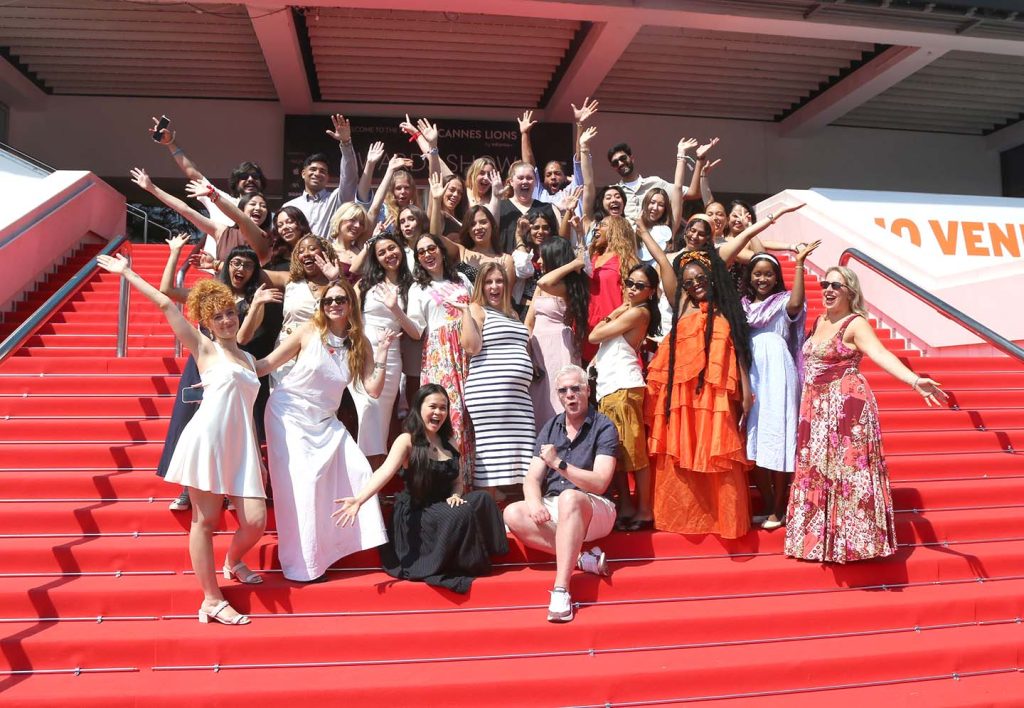
So, of course, impostor syndrome showed up uninvited, the way it always does. All week, I kept walking into rooms and wondering who had made the mistake that let me in.
Except everyone else was wondering the exact same thing. Including, I kid you not, the people whose work I had flown across the world to learn from.
I heard it first from Stephen Rogers, Group Creative Director at Droga5 Dublin, who breezed past his award-winning work in about a minute and then spent the rest of his time talking about anxiety.
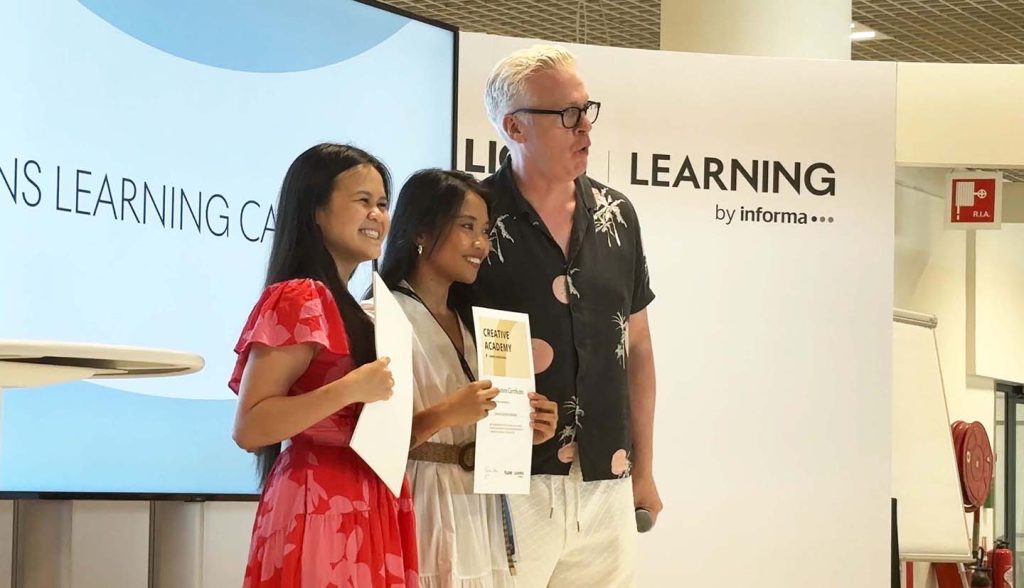
Anxiety. A word nobody in this industry used to say out loud. And yet there we were, saying it plainly. I had come to Cannes to learn about AI and taste. Instead, I sat in the room and listened to us just being honest with each other.
And then I talked. Good God, I talked a lot. I talked to CEOs, jurors, and more strangers, one of whom I chatted with so casually that it took me a while to realize he was a Chief Creative Officer and not, as I had assumed, a fellow art director. I asked questions, listened, and bantered.
At some point that week, I noticed my posture had changed. I stood up straight, which, if I am honest, does not happen very often back home. I knew what to say. I knew what to ask. I was, for the first time in a long time, beaming. I kept catching a version of myself I did not fully recognize. I felt confident and brave.
And the braver I felt, the more I wanted something to be brave for.
I found it, of all places, in a talk about beer. Ger Roe, Board Creative Director at Publicis Dublin, showed us a film called “The Pub That Refused to Die.” In an Irish village of 214 people, the last pub was closing. The shops had already gone. That pub was the last place left for the community to gather. So 26 locals, none of whom had ever poured a pint for money in their lives, pooled their savings, bought it, and reopened it themselves. Heineken backed them, trained them, funded them, and kept the doors open.
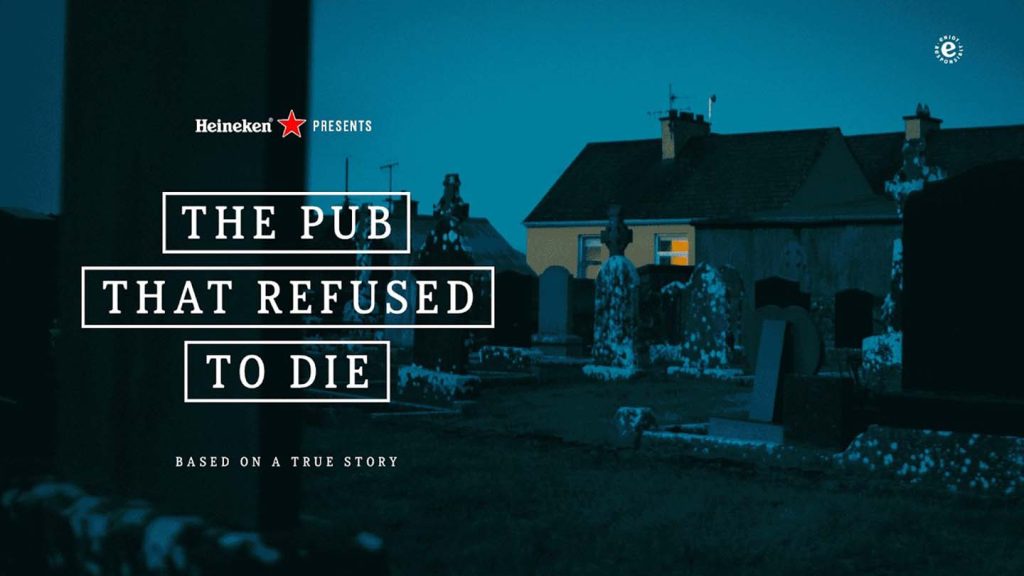
I wrote one thing in my notes while the documentary played:
“Wow, they’re really doing important work.”
The version of myself I was meeting that week turned out to be someone who wanted to start making things that mattered. Work that takes time, patience, and a little faith. The kind that leaves a place better than it found it. Maybe even proof that a campaign can be a way of loving your country back.
My boyfriend, Tristan, said it better than I could. Being in Cannes, he told me, is like looking over a fence. Once you have seen the other side, you cannot unsee it.
For me, the other side of the fence was never the grandeur of the festival. It was that version of myself. The one with a voice, some agency, and the nerve to believe her work would be up there one day.
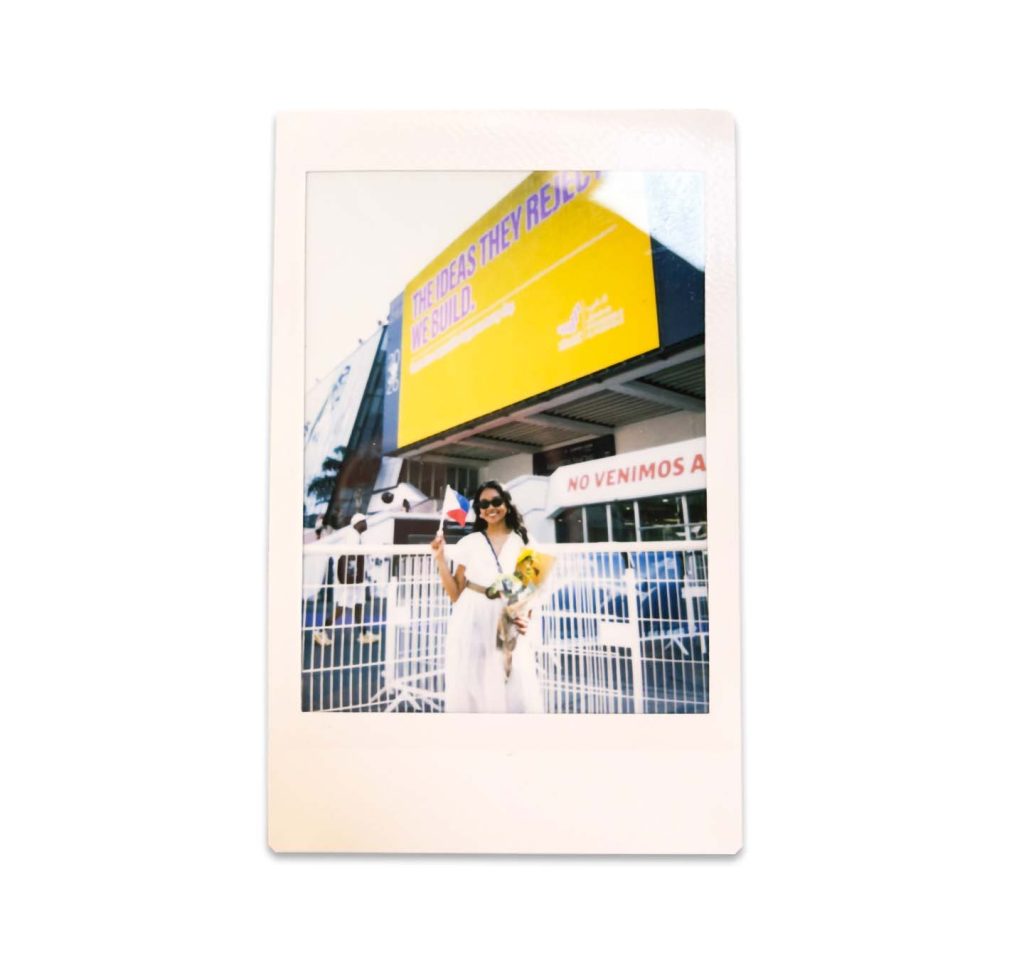
You do not come home the same person. You bring that version back with you, and then you do everything you can to keep it alive.
I came home wanting to bring other young Filipino creatives to the fence. But what I really hope for is a day when they will not have to fly across the world to catch a glimpse of who they could be and the work they could make.
It’s already here.
It’s already us.