
Step inside the Likhang Filipino Exhibition Halls and you don’t just see a myriad of products — you feel the heartbeat of Filipino creativity.
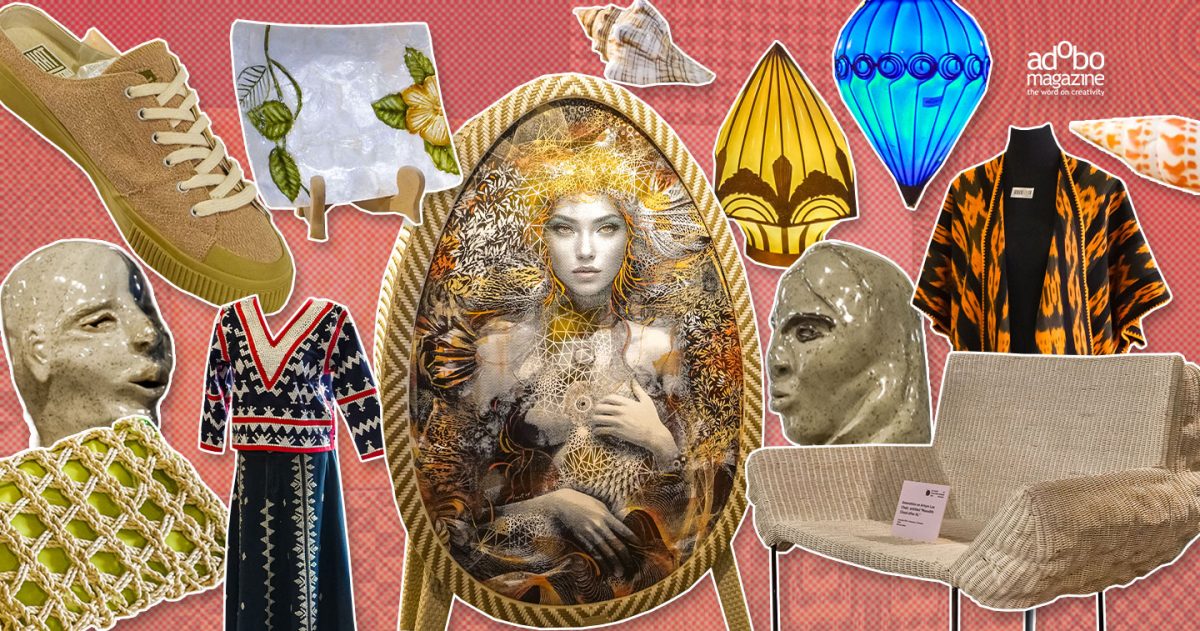
The six halls showcase a well-curated yet extensive variety. From intricately woven textiles and stone carvings to pineapple-fiber shoes and artisan food, every piece tells a story unique to the artisan behind it.
“I’d like them to see the creativity of the Filipino artisan,” Leah Ocampo, Executive Director of the Center for International Trade and Expositions (CITEM), tells adobo Magazine.
“We’ve gone a long way, actually, and we’ve done a lot of development. So the leap is not only in the design, but also in the quality of the products. We want to communicate to people that we are an important player as well in the global market.”
In fact, many of the products are already being sold internationally, according to Ocampo.
Handcrafted still stands out
Despite advancements in technology and production, the defining quality of Filipino craftsmanship is still the human touch. Across textiles, furniture, jewelry, and decorative objects, many artisans continue to rely on traditional methods that emphasize skill, patience, and artistry.
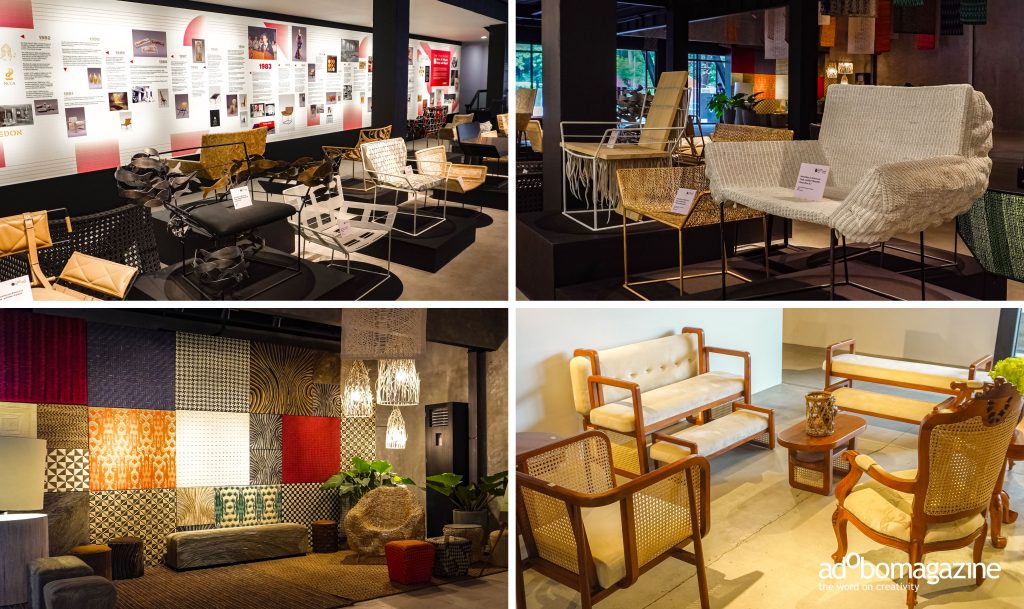
“We still pride ourselves on the fact that we do handcrafted,” Ocampo says. That’s still our unique selling proposition up to now in the world market.”
Ocampo wants people to understand how much passion and commitment — and effort, despite modern innovation — go into every item on display.
That commitment is especially evident in the stories of the artisans themselves.
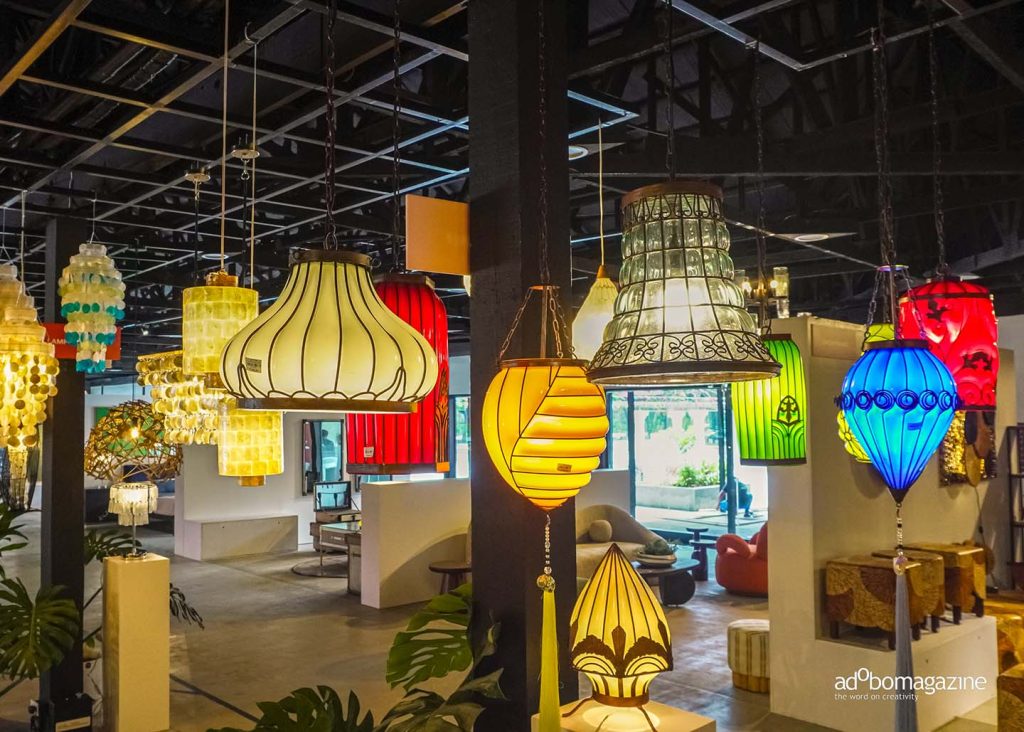
“If you get to read the background of that artisan who’s doing it, the effort that goes into it, it could take probably months and even years to create that kind of work.”
“Can you imagine that artisan, you know, she is actually doing a facade of churches, facades of even heritage buildings or heritage structures,” Ocampo says, citing an example.
Tradition reimagined
The exhibit preserves Filipino identity, inadvertently inspiring the next generation. It connects young artisans to their roots and challenges them to innovate while honoring tradition.
Throughout the halls, Filipino heritage appears not as something frozen in time but as a foundation for contemporary design. Indigenous textiles and garments are interpreted in new ways while still honoring traditional techniques.
Ocampo praises the designers featured in the exhibit for transforming elements of ethnic Filipino dress into stylish, modern apparel.
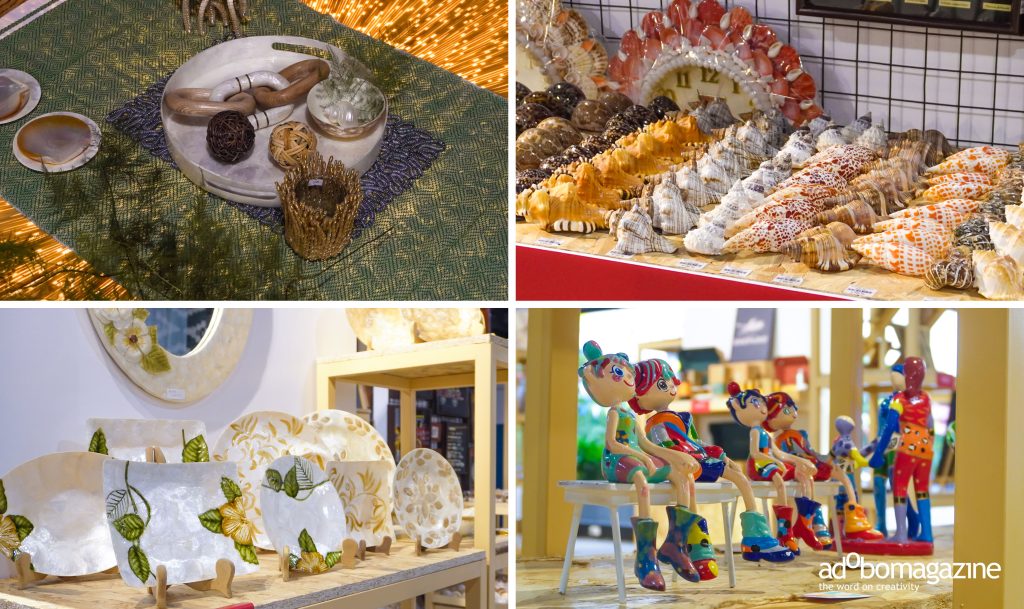
“We’ve seen inspiration coming from our tribal communities, our indigenous peoples. So they’re not really costumes, but the traditional clothing of our indigenous peoples being interpreted into more modern interpretations.”
Weaving traditions that define different regions of the Philippines remain central to these creations.
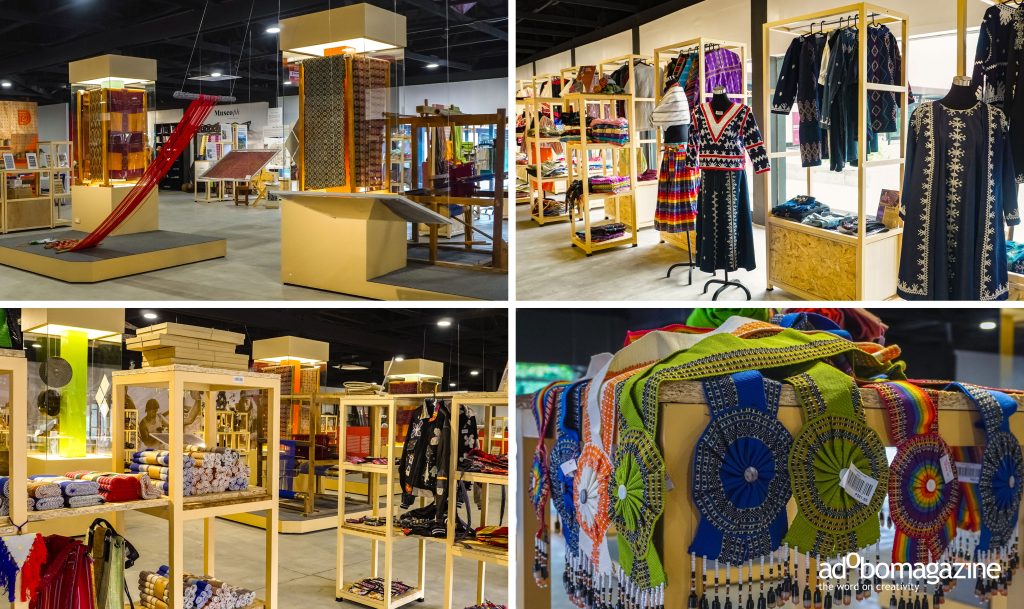
Designers are also turning to local materials to develop fresh ideas. Pineapple fiber, for instance, is no longer limited to traditional textiles but is also used to make footwear and other items. Rattan and cotton are likewise enjoying contemporary flair.
Meanwhile, Filipino food products are evolving too, as traditional flavors take on fresh forms for today’s consumers.
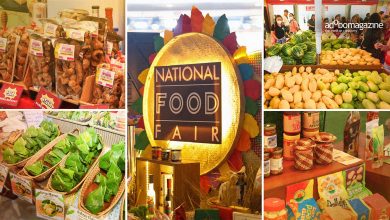
Chocolate-coated mango, calamansi liqueur, and kamote chips in different varieties are just some examples.
A research and development hub, too
Likhang Filipino has received an overwhelmingly warm response from exhibitors.
“In terms of getting all of these artisans, the designers, the manufacturers, exporters, traders, etc, to support it. It was so easy because they were actually looking forward to it,” Ocampo reveals.
But it’s not simply because they get to showcase and sell their products. Likhang Filipino stands as a comprehensive development platform for the Philippine creative industry. It integrates multiple functions that support artisans and small enterprises.
Spanning 8,000 square meters, the facility doubles as a research and development hub and incubation space for artisans and designers, helping them refine their skills, understand market dynamics, and, of course, showcase their work.
A national showcase of products at local-friendly prices
One of the exhibit’s most distinctive features is the breadth of representation from across the Philippines. Products come from communities, provinces, and municipalities nationwide.
Over 2,000 products from more than 200 homegrown enterprises. Wow.
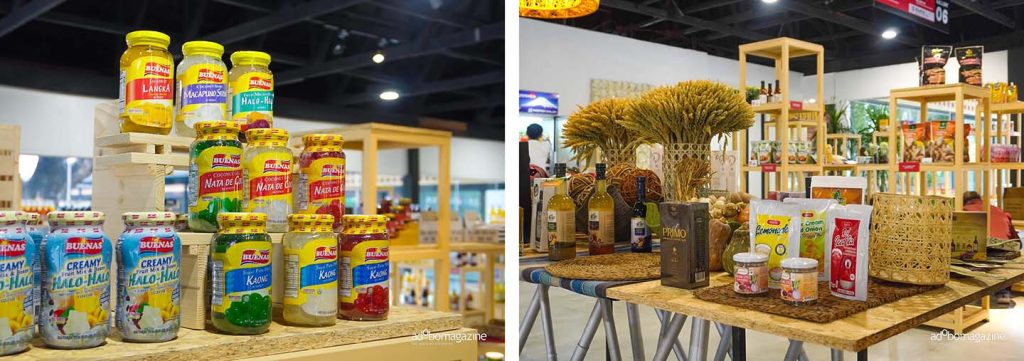
For the Filipino community and global buyers alike, Likhang Filipino offers something rare: direct access to products that are not only beautiful and authentic but also fairly priced. This is because products are sourced directly from the artisans.
While there is variety, there is also some semblance of exclusivity. Visitors encounter items they may not find anywhere else.
“And if ever you find them elsewhere, they are priced lower — much, much lower,” Ocampo confirms. It’s about sustainability, not just profit.
Fueling the creative economy
The exhibit doesn’t simply show a plethora of finely crafted, beautiful things, though everything is a sight to behold.
It’s a refinery that fuels the creative economy by helping local micro, small, and medium enterprises (MSMEs). It is a platform that forces artisans in the provinces to step beyond familiar territory and explore bigger markets.
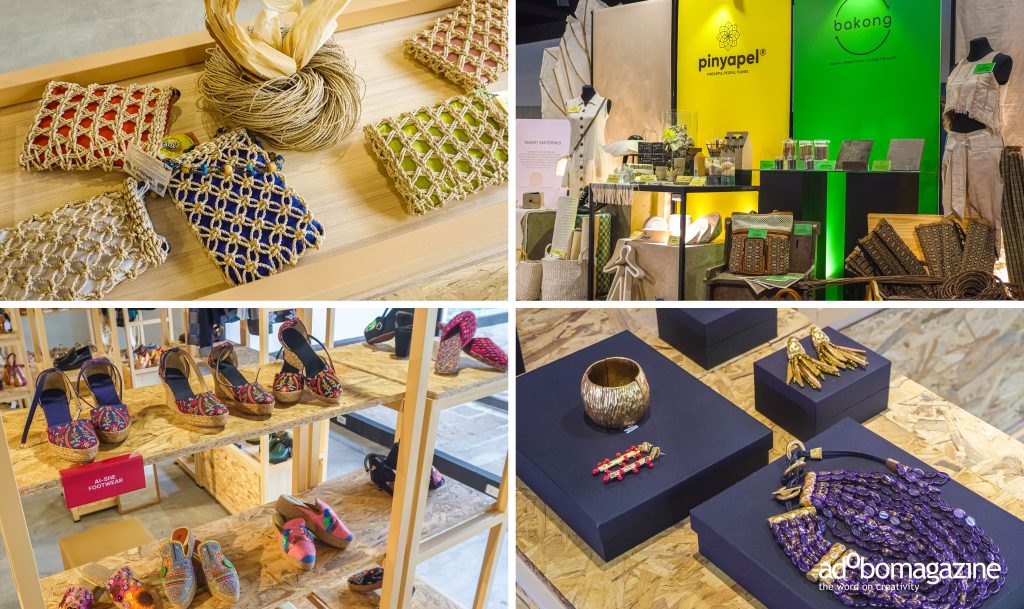
Everything you see is of export quality; everything on sale deserves to be seen by the rest of the world.
And behind every item is a story of passion, perseverance, and pride. However, Likhang Filipino, as a whole, tells a story bigger than the products themselves — it’s the story of a nation, its people, and their creative spirit.
The Likhang Filipino Exhibition Halls are located at the International Trade Center Complex (formerly PhilTrade), Roxas Boulevard, Pasay City. Operating hours are from Tuesday to Sunday, from 10:00 a.m. to 7:00 p.m.Entrance is free.
READ MORE:
Likhang Filipino reopens as a lasting showcase of Philippine craft, heritage, and design
CITEM Board holds first meeting at Likhang Filipino Exhibition Halls