


SINGAPORE – National Gallery Singapore presents Fear No Power: Women Imagining Otherwise, its first exhibition comparing five groundbreaking Southeast Asian artists whose practices reshaped artistic and social norms across the region. Opening 9 January 2026, the exhibition gathers more than 45 major artworks by and over 110 rarely seen archival materials of Amanda Heng, Dolorosa Sinaga, Imelda Cajipe Endaya, Nirmala Dutt, and Phaptawan Suwannakudt; many which are being presented in Singapore for the first time.
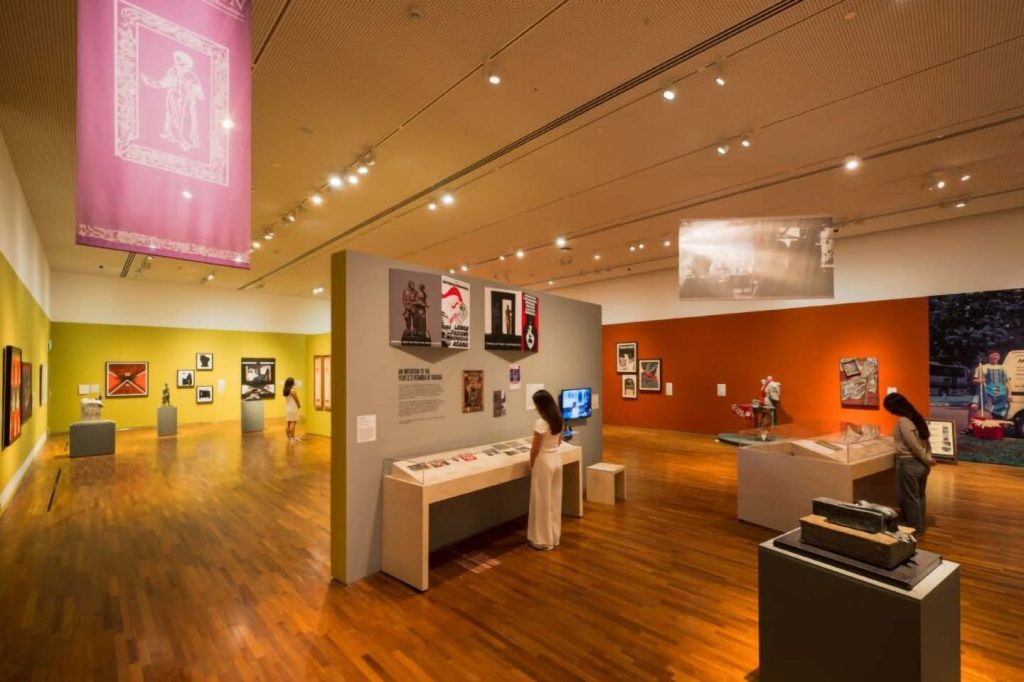
Spanning performance, painting, photography, sculpture, and archival materials, Fear No Power offers a rare comparative perspective on how these women used art not only as a form of expression to challenge dominant cultural narratives, but as a means of social engagement, resistance, and collective care. Beyond their individual artistic practices, these five artists have played influential roles as educators, writers, organisers, and community builders whose work shaped cultural conversations within and beyond the art world.
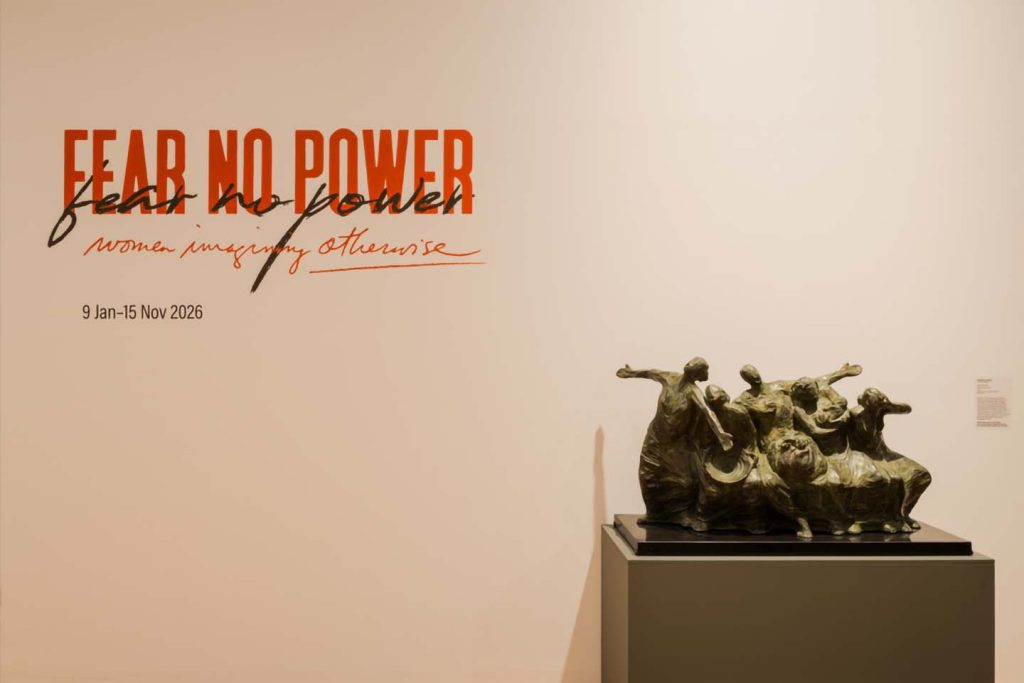
Working across overlapping decades from the 1960s to the 2020s, these artists developed their practices during a period when women in Southeast Asia were navigating deeply entrenched patriarchal norms. Artistic and cultural fields were largely male-dominated, with women’s roles often confined to the domestic sphere, and issues such as care work, reproductive labour, political dissent, and gendered violence were marginalised or rendered invisible in public discourse. Against this backdrop, the artists in Fear No Power used art to challenge who could speak, what could be represented, and whose experiences were considered worthy of attention.
Horikawa Lisa, Director, Curatorial & Collections at National Gallery Singapore says, “Across Southeast Asia, artists have exercised power through art that was grounded in lived experience. Fear No Power foregrounds how women have long used artistic practice to respond to social and political realities, and to imagine ways of living and working otherwise. This exhibition reflects the Gallery’s ongoing commitment to recognising diverse perspectives and placing such long-overlooked narratives at the centre of our shared understanding of art.”
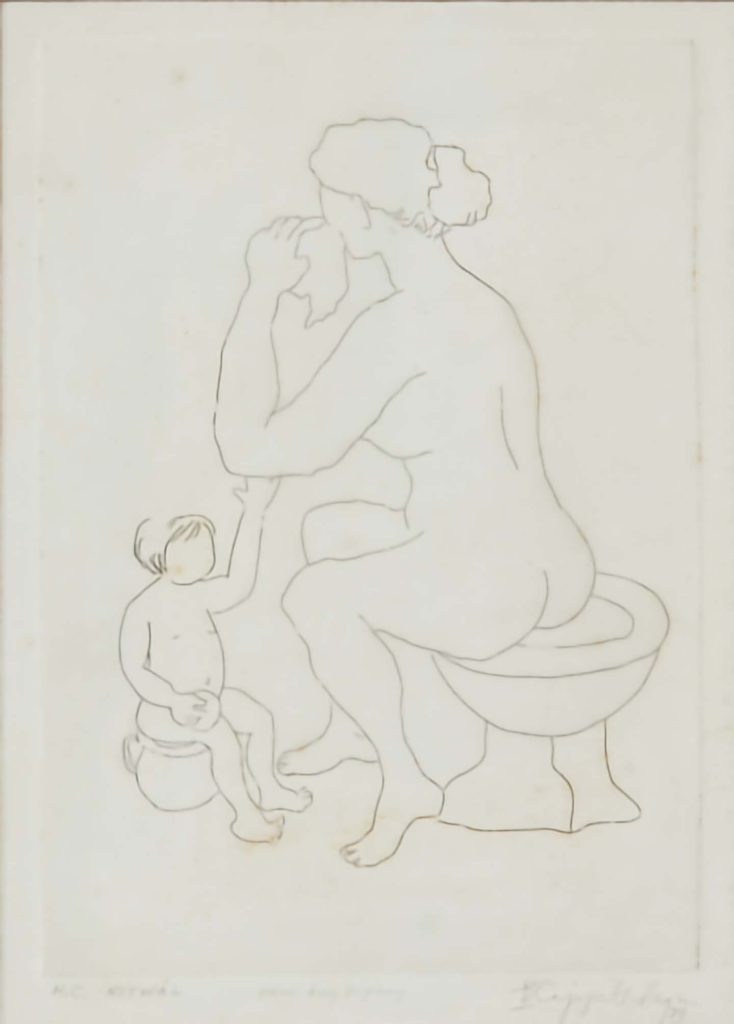
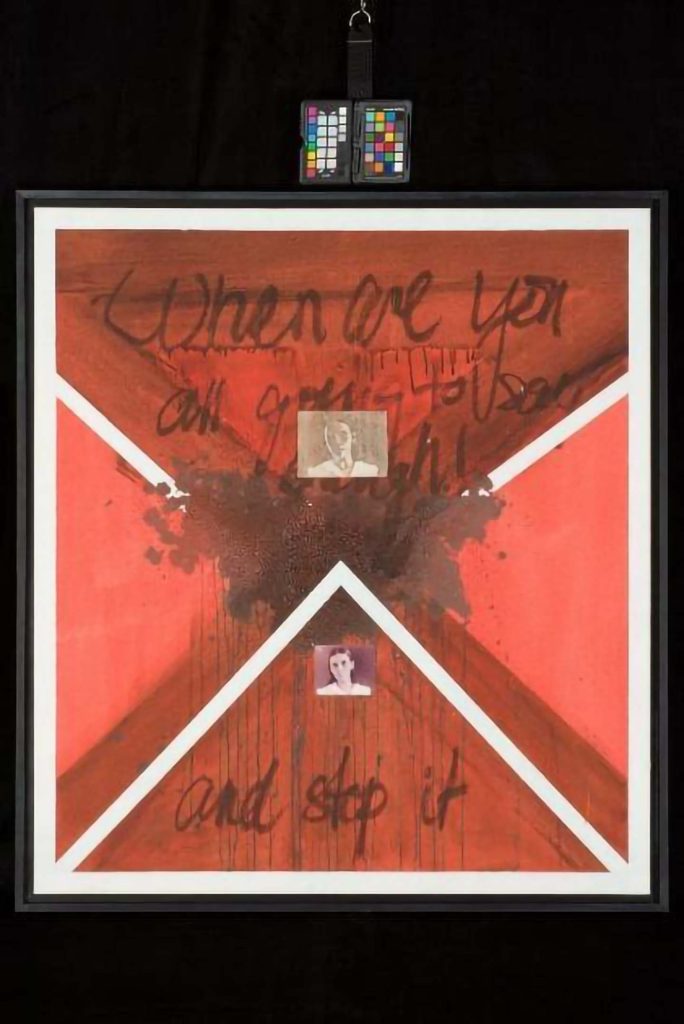
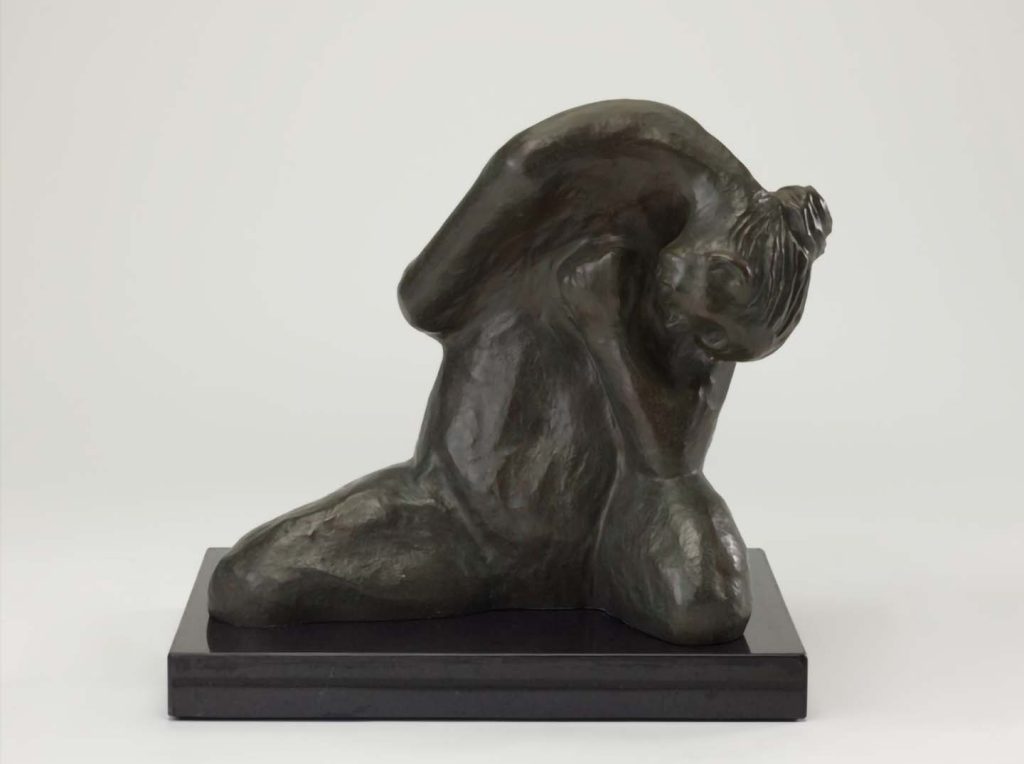
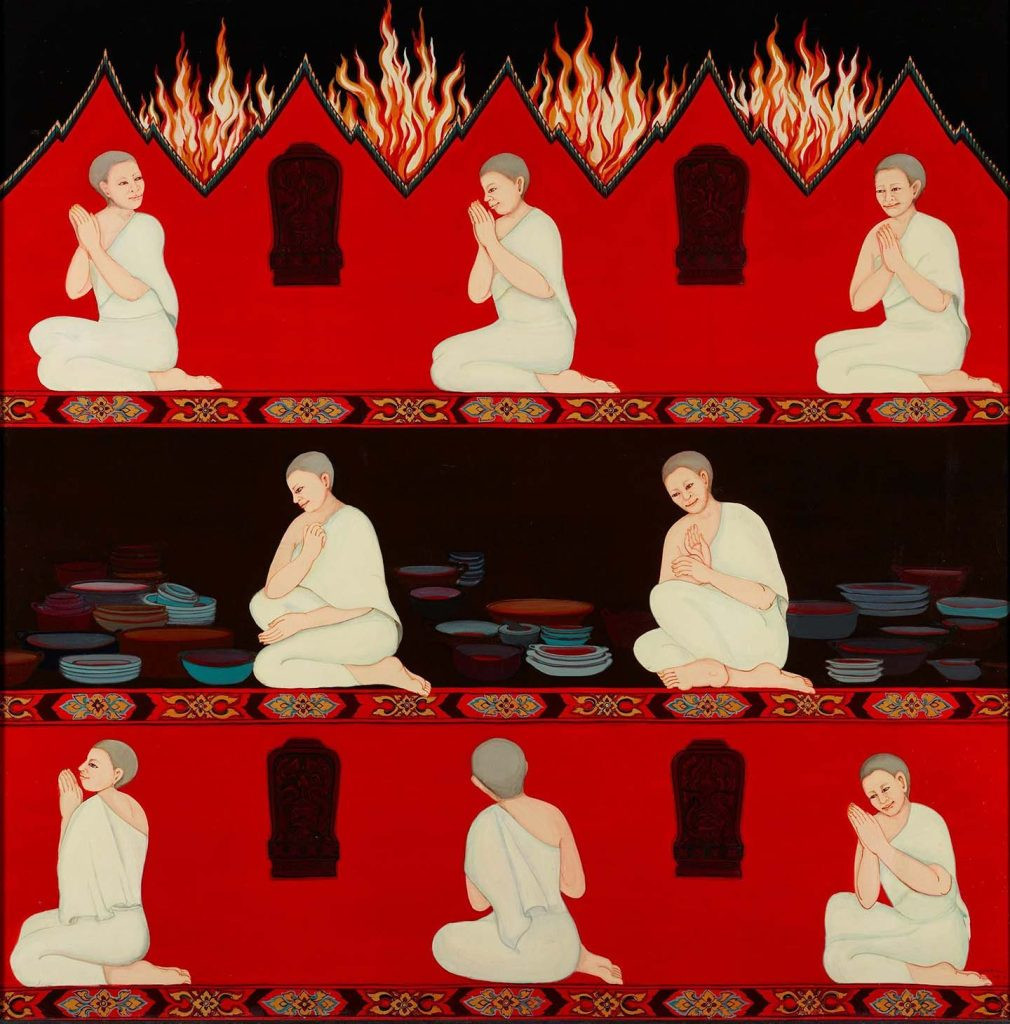
In their respective countries, each of these women is recognised as a prominent figure who reshaped artistic practices and social conversations across Southeast Asia:
- Amanda Heng is a critical voice in Singapore’s contemporary art scene. Through performance, photography, and participatory works, she created spaces for dialogue around identity, gendered social expectations, and the value of housework, inviting audiences to reflect critically on the dynamics of everyday life.
- Dolorosa Sinaga is widely regarded as one of Indonesia’s most important sculptors and a leading advocate for human rights. Drawing from the country’s cultural and political landscape, her figurative sculptures foreground unacknowledged histories, shared struggles, and collective resilience, with women often positioned at the centre of resistance and solidarity.
- Imelda Cajipe Endaya is a key figure in Philippine art and co-founder of the feminist art collective KASIBULAN (est. 1987). Her multidisciplinary practice, spanning printmaking, painting, collage, and mixed media, recasts women as active, conscious subjects engaged with the social, political, and cultural conditions of the Philippines.
- Nirmala Dutt addressed the social and environmental costs of urban development in Malaysia, focusing on the lived struggles of women, children, and indigenous communities. Through painting and photography, her socially engaged works challenged environmental injustice and expanded the role of the artist as a civic actor.
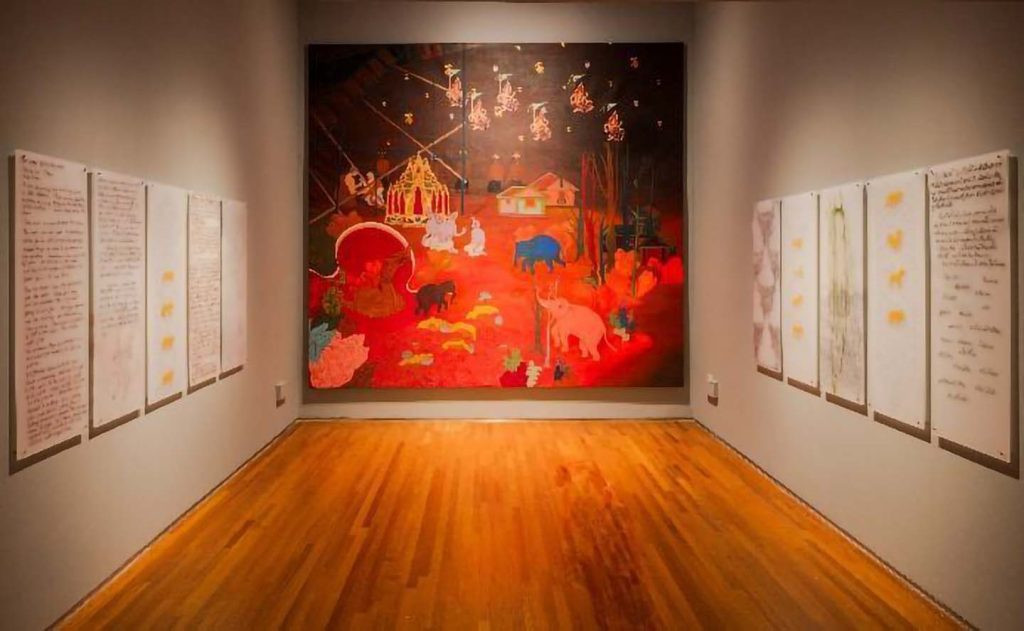
- Phaptawan Suwannakudt, trained in Thai Buddhist mural painting, works with memory, tradition, and the gendered structures embedded within artistic lineages. By reinterpreting this visual language, she expanded a traditionally male-dominated practice to reflect women’s experiences, migration, and lived histories.
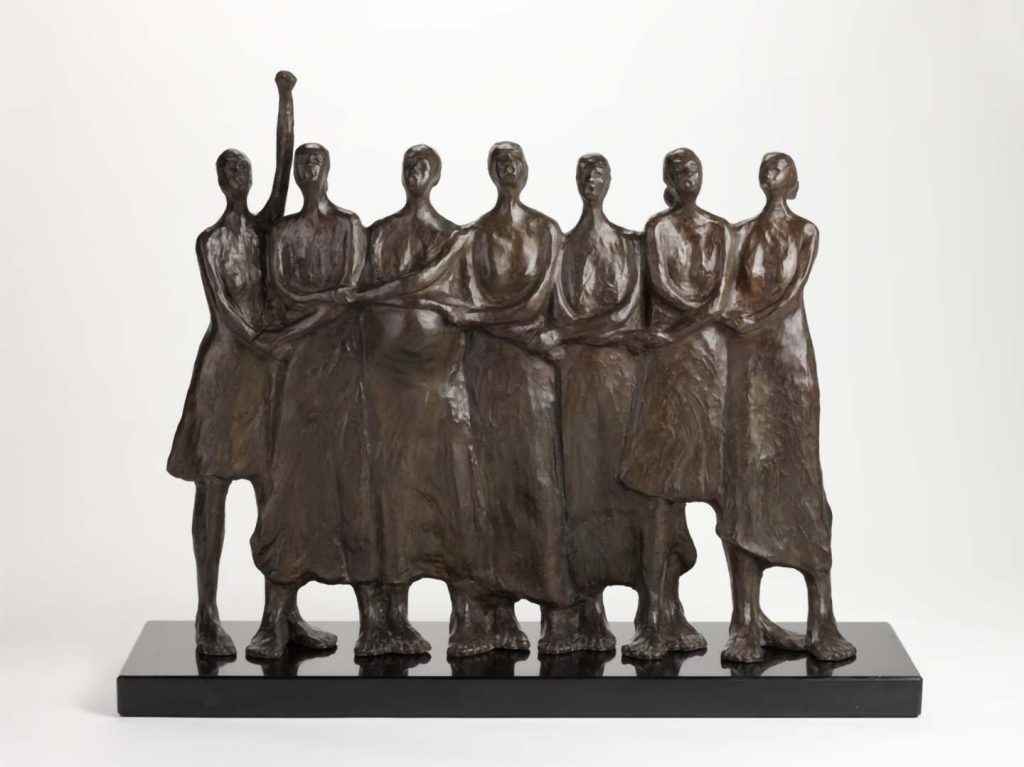
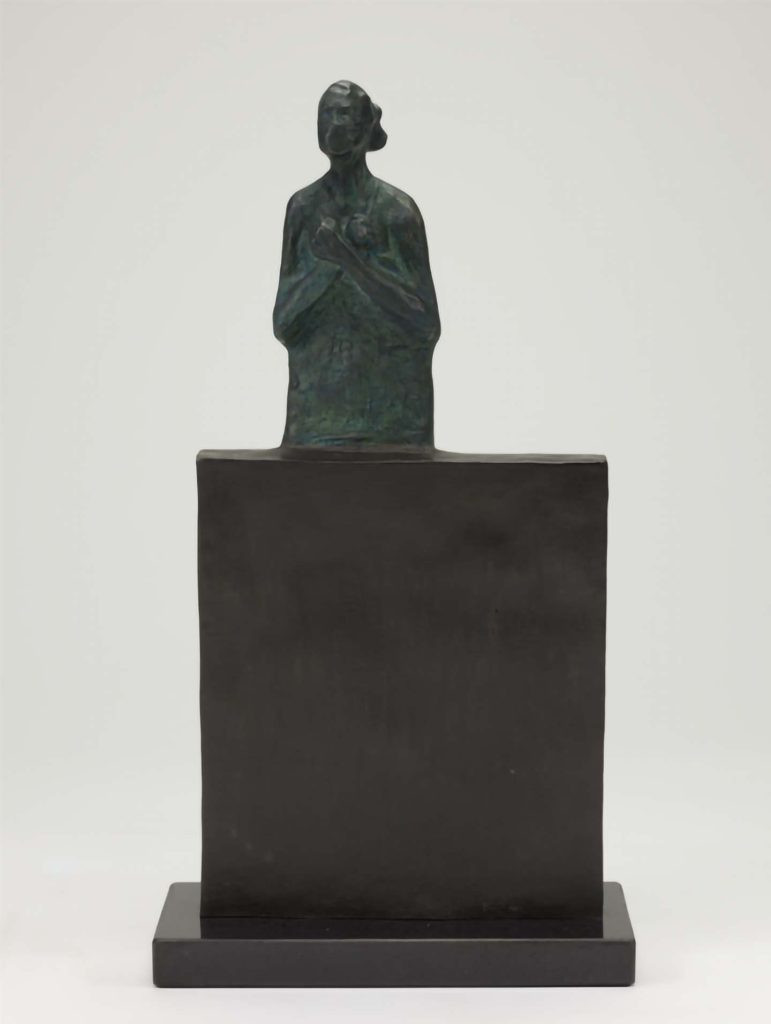
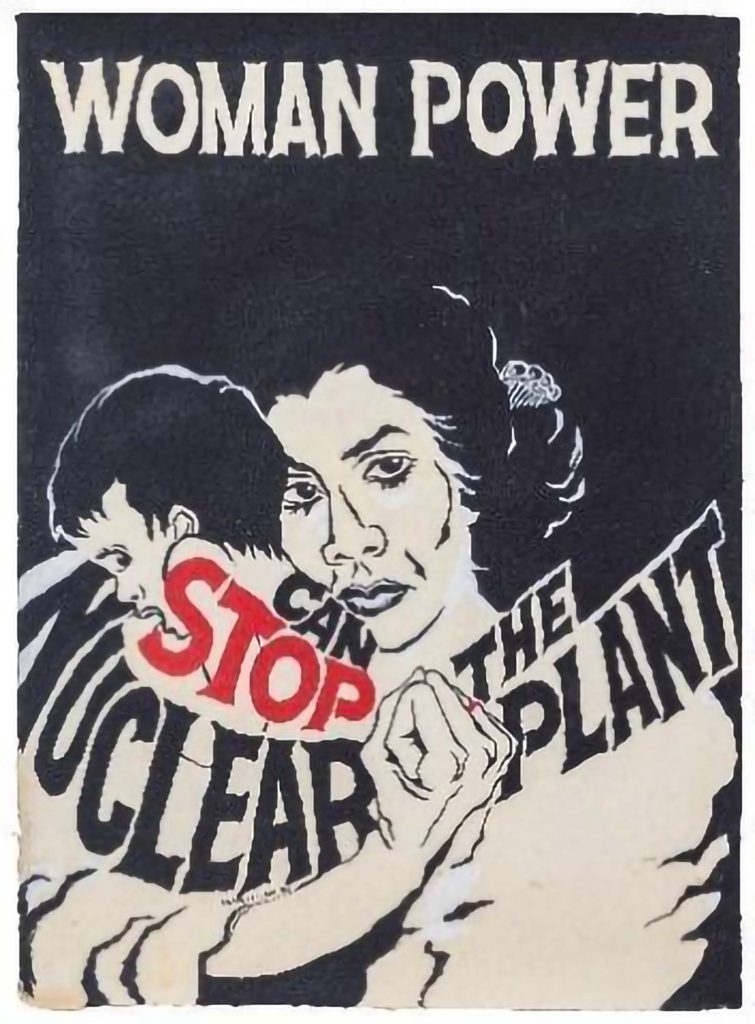
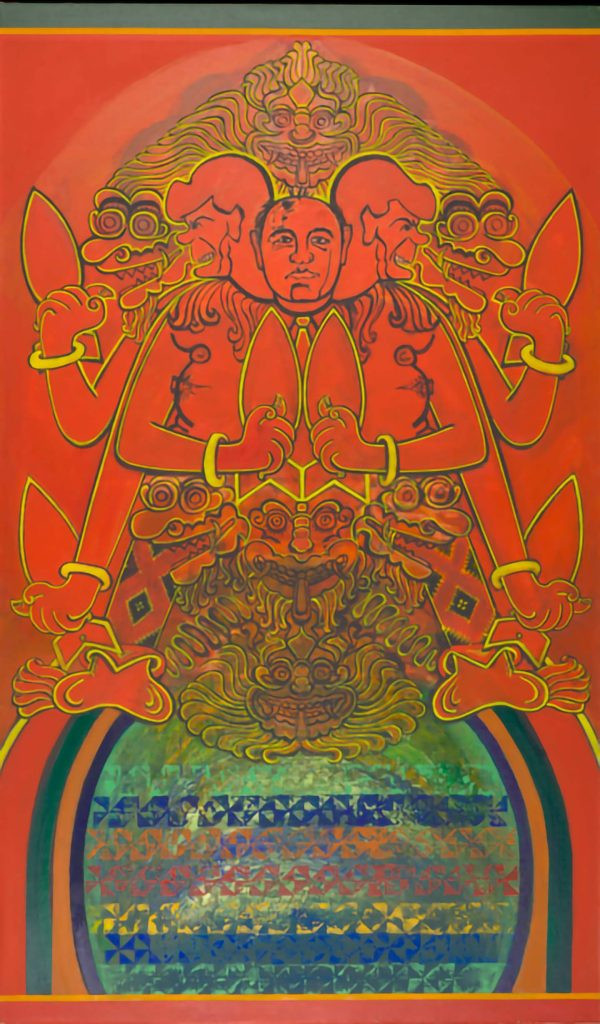
By bringing these five figures together, Fear No Power positions them not only as artists, but as trailblazers whose practices shaped artistic and social conversations across Southeast Asia, and whose legacies continue to resonate today.

The exhibition title is drawn from Dolorosa Sinaga’s sculpture on display Fear No Power (2003) and celebrates the artists’ fearlessness in their artistic journeys. It aims to remind that ‘power’ not only refers to the political and authoritarian, but to one’s own inner strength and capacity for resistance, care, and responsibility to others. By extension, the exhibition invites visitors to reflect on what courage might mean to them, and how that strength can be extended to the communities they inhabit.
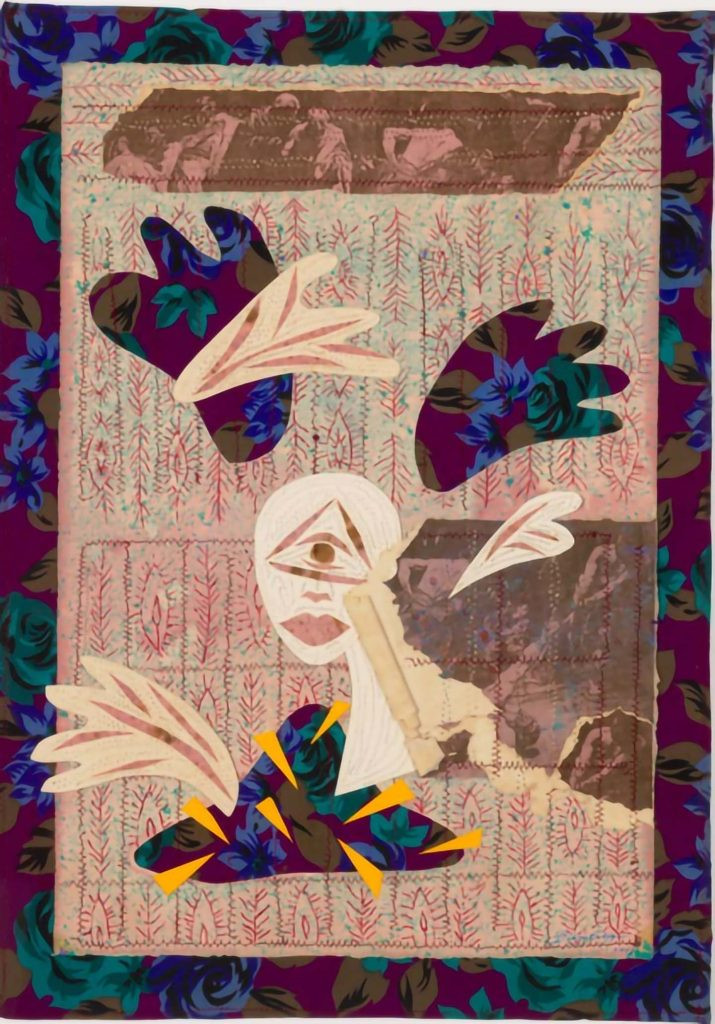

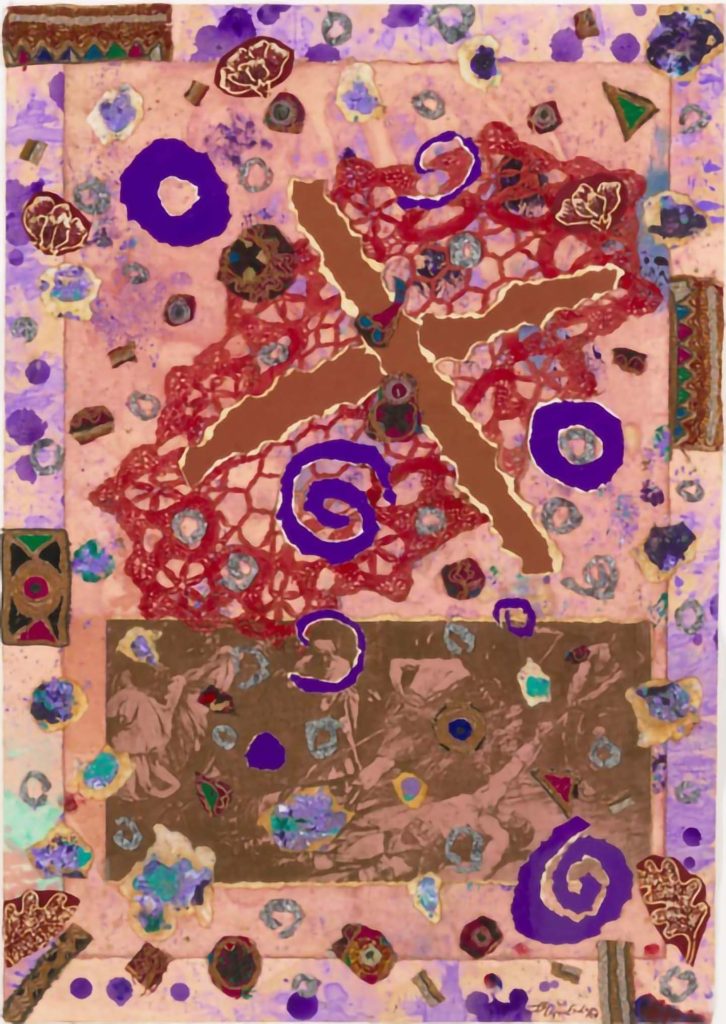
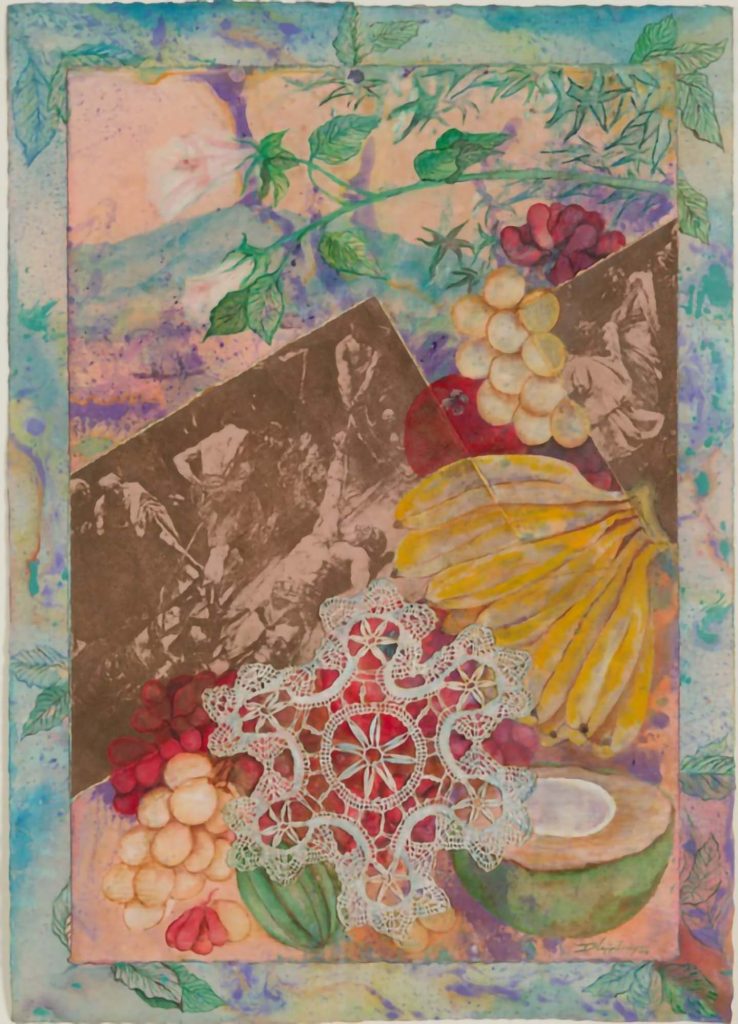
Presented across three interconnected zones, the exhibition traces how the artists’ practices moved between personal experience, resistance, and collective action. Where the Body Thinks, Worlds Open begins with works rooted in lived experience, reflecting on the body, memory, domestic space, and artistic inheritance as these artists navigated gendered expectations. The second zone, Refusal and Hope, examines how these personal perspectives informed the artists’ responses to wider political, environmental, and social issues. The exhibition concludes with Imagining Otherwise, which highlights how these artists’ work and commitments extended beyond individual artmaking, building collectives, sustaining traditions, and creating spaces for dialogue, support, and solidarity.
Fear No Power: Women Imagining Otherwise runs from 9 January to 15 November 2026 at the Ngee Ann Kongsi Concourse Gallery. Entry is free for all visitors.