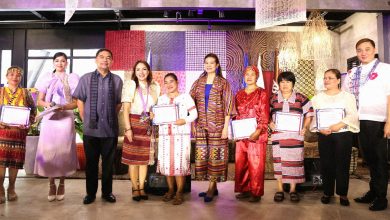


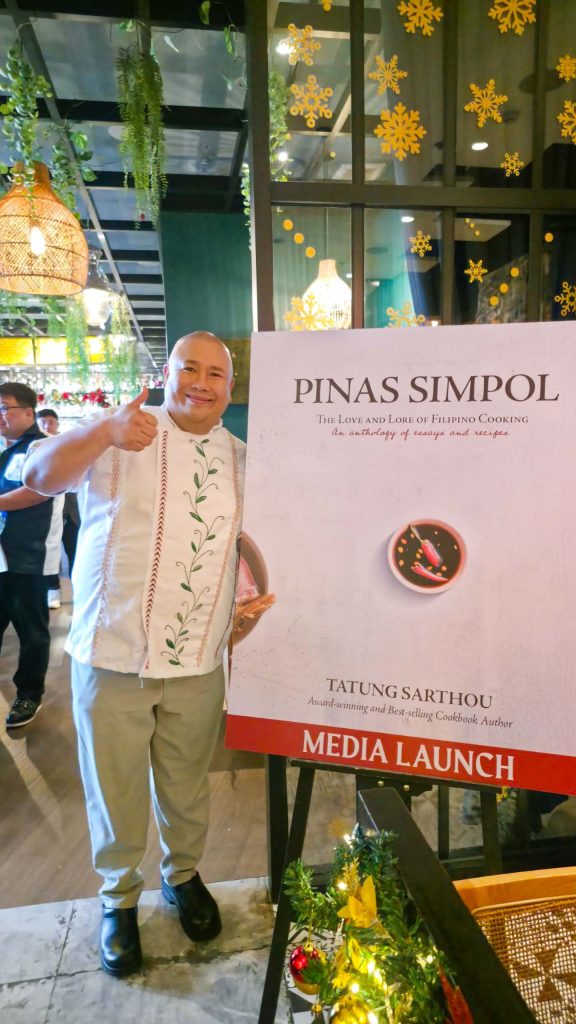
MANILA, PHILIPPINES — Acclaimed chef, author, and cultural advocate Myke “Tatung” Sarthou has launched Pinas Simpol: The Love and Lore of Filipino Cooking, a major new work that reframes Filipino cuisine through scholarship, memory, and cultural identity.
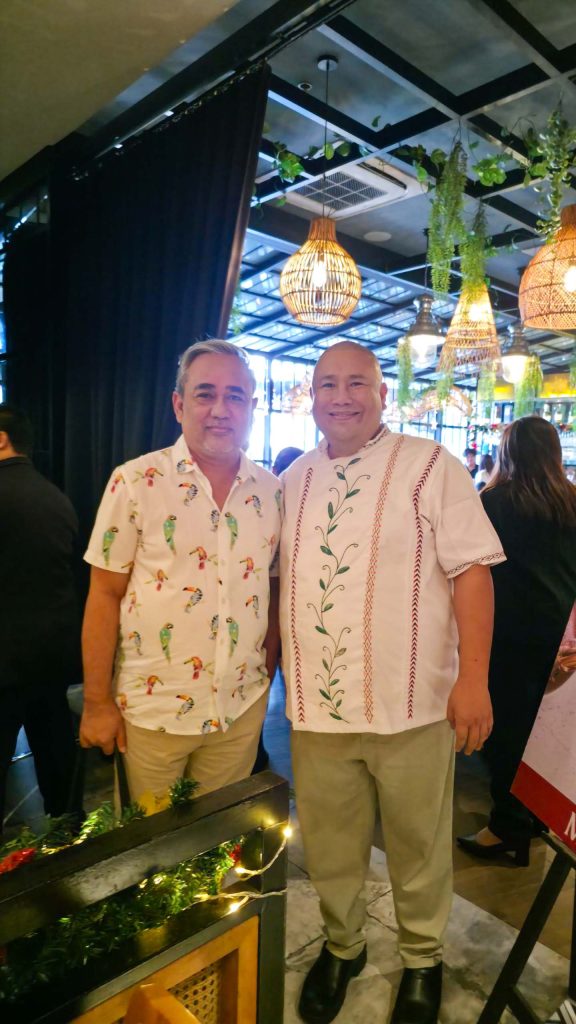
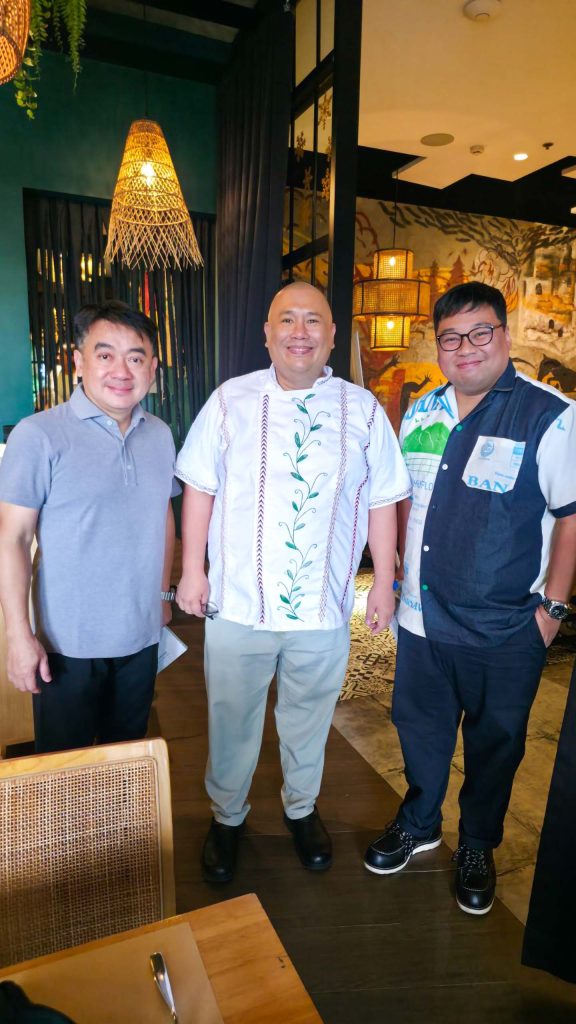
The launch, held at Lore by Chef Tatung, his Michelin Selected 2026 restaurant in Bonifacio Global City, gathered chefs, educators, cultural leaders, and media. Many described the book as a long-awaited homecoming for Filipino food—one that places meaning, history, and everyday wisdom at the center of the Filipino kitchen.
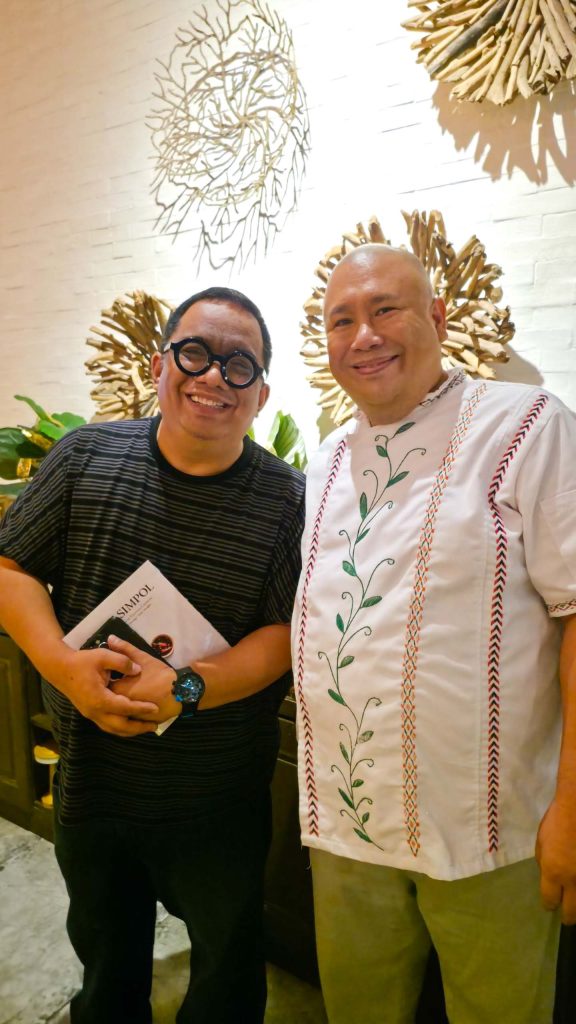
A new framework for understanding Filipino food
In his remarks, Chef Tatung shared that the book began as an effort “to show that Filipino food is intelligent, beautiful, and rooted,” but became something deeper as he wrote. He explained that Pinas Simpol is “not really about recipes, but about remembering—giving words to what we already know by heart.”
At the heart of the book is the Four Legs of the Filipino Table, a framework he has developed over years of research: food that is rooted, resilient, respectful, and responsive. He emphasized that Filipino cuisine “has never been improvised; it has always been intelligent,” noting that everyday techniques—laga, ihaw, gisa, and gata—are “gestures of care and proof that simplicity can hold great wisdom.”
Codifying a cuisine for the next generation
Pinas Simpol is the first volume in a trilogy that aims to codify Filipino cooking. According to Chef Tatung, Filipino food remains difficult to teach globally because “we don’t have enough literature explaining its complexity.” He pointed out that cuisines like Japanese food are taught through clear, codified systems—while staples like buro remain largely undocumented despite being equally sophisticated.
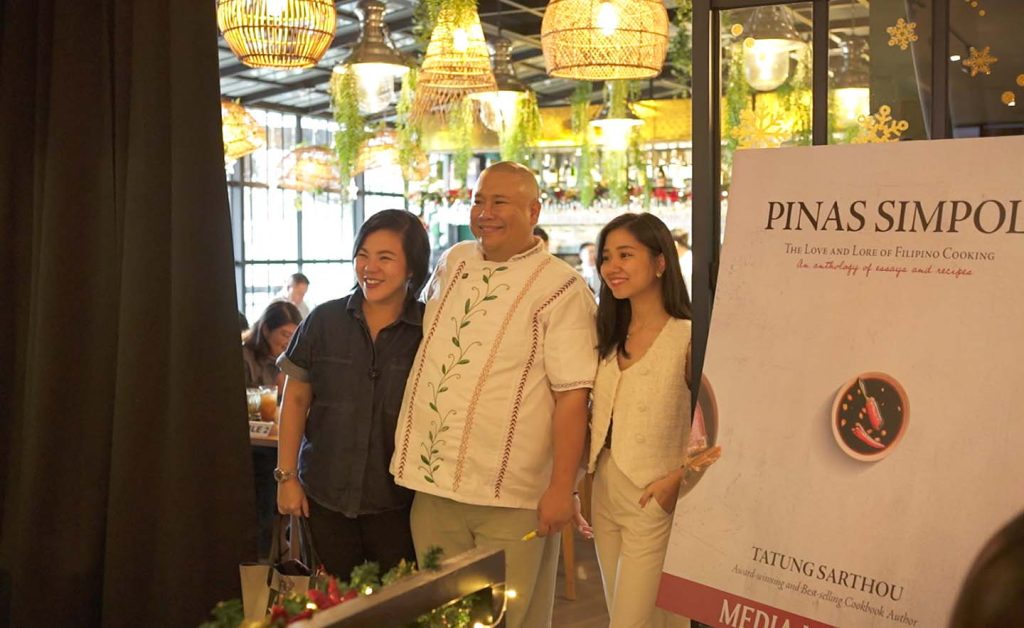
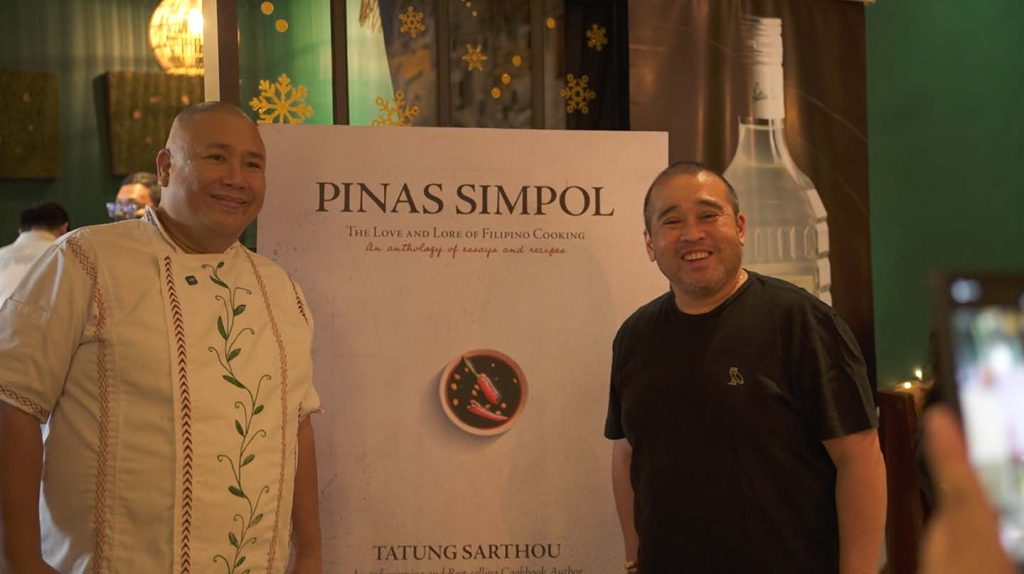
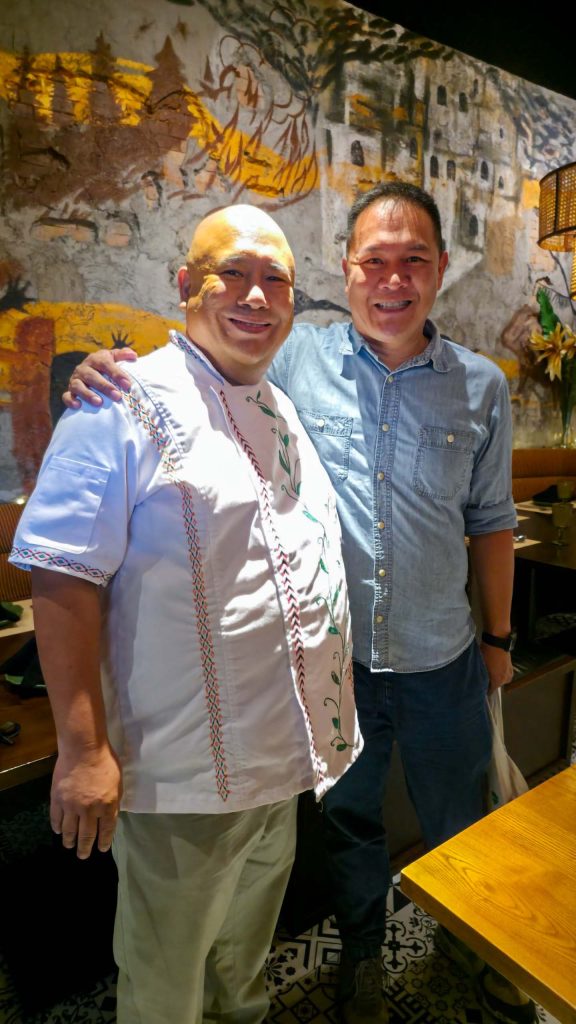
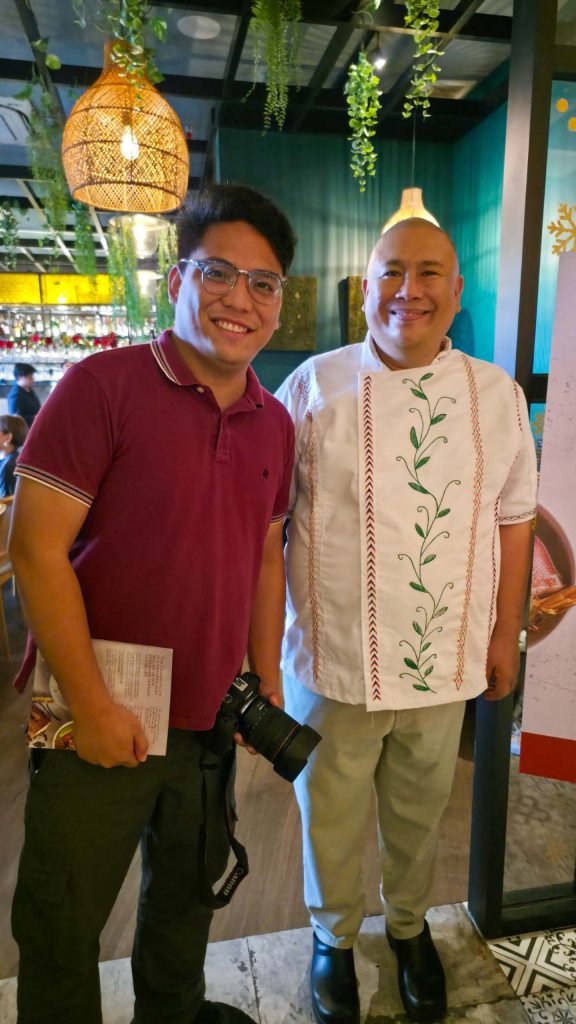
He shared that the book is “an offering to the Philippines,” grounded in a belief that advocacy must benefit Filipino communities first. He recalled cooking in Michelin-starred restaurants abroad while using calamansi from Vietnam and coconut from Thailand. “If I am to promote Filipino food, our people should be the first to benefit from it,” he said, underscoring the need to build ecosystems that support farmers, producers, and local industry.
A cultural coming-of-age moment
Liza Morales, Program Director of Le Cordon Bleu–Ateneo & Amanu, described the launch as “a celebration of how Filipino cuisine is defining itself anew—through knowledge, pride, and purpose.” She noted that the book arrives at a pivotal time, as the Michelin Guide and the United Nations Gastronomy Forum place global attention on the Philippines. “For the first time,” she said, “international recognition and local confidence meet at the same table.”
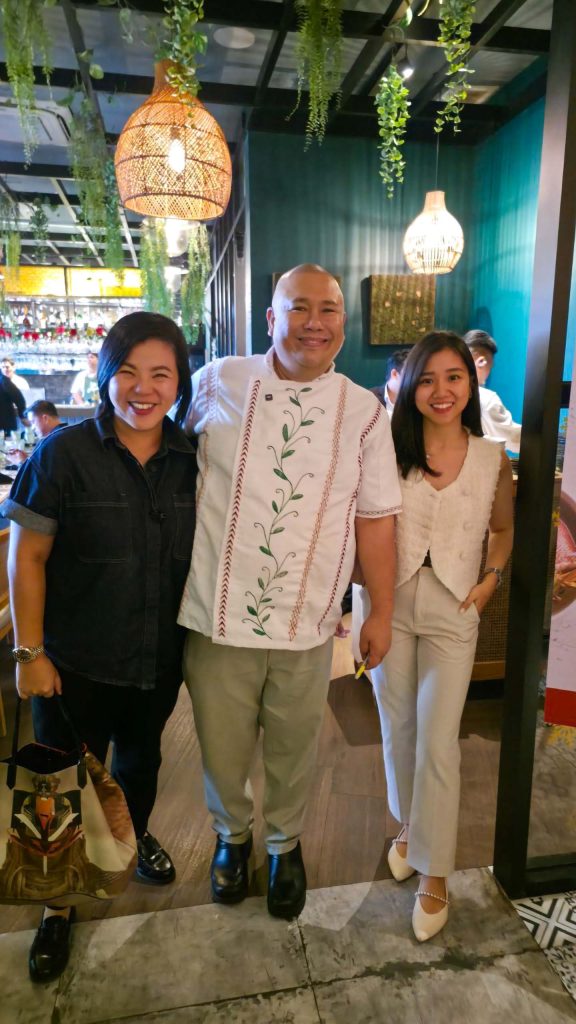
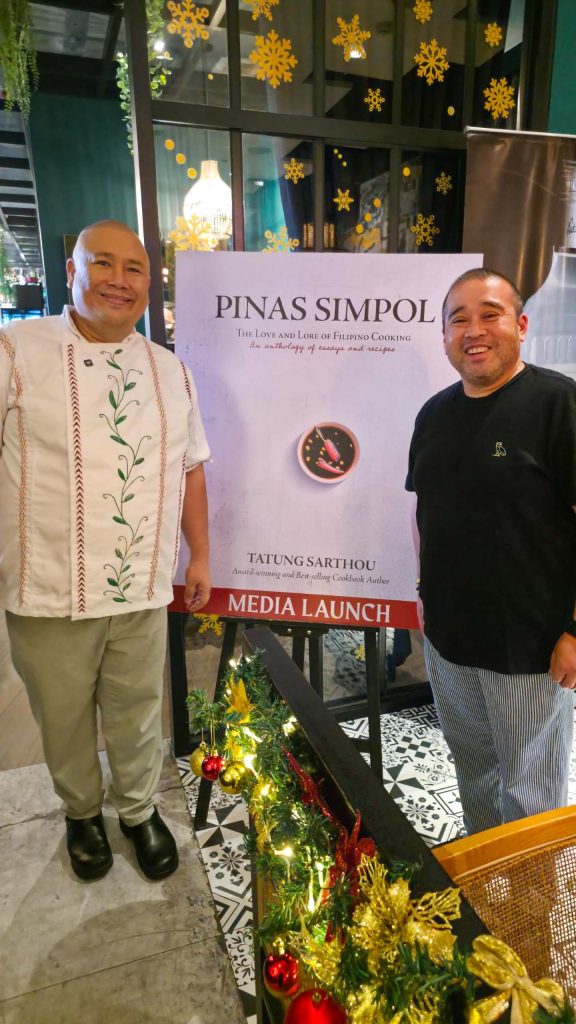

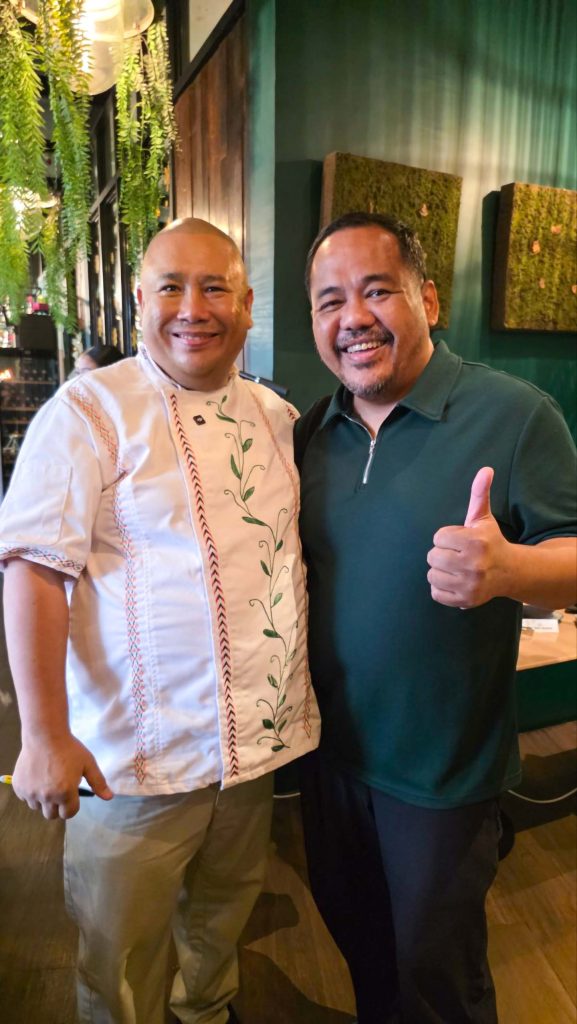
Morales also honored Chef Tatung’s long-standing commitment to community. She called him “a chef with a true heart for the Filipino people,” recalling how he consistently leads relief and feeding efforts during calamities. She announced that Pinas Simpol will be celebrated again on December 6 at Le Cordon Bleu–Ateneo, where French chefs will cook recipes from the book—a reversal she described playfully as, “For once, let the French chefs cook Filipino food.”
Cooking by wisdom: The simpol ABC framework
To make Filipino cooking more teachable and approachable, Pinas Simpol introduces the Simpol ABC Framework — Assemble, Build, Complete — a method drawn from the way real Filipino home kitchens function. Chef Tatung explained that Filipinos cook through tantsa not because they lack structure, but because they possess instinct, intuition, and confidence. “Filipinos cook with what they have,” he said. “Tantsa is not guesswork—it’s intelligence.”
A decade of storytelling and culinary advocacy
The launch also marks the 10th anniversary of Chef Tatung’s authorship. Since releasing his debut Philippine Cookery: From Heart to Platter, he has earned four Gourmand World Cookbook Awards and authored eight published titles, with three more already completed. He shared that writing has been a lifelong calling, tracing the dream back to a high school exercise where he wrote that he wanted to publish at least ten books.
Through the years, his work has remained grounded in the same conviction: “Filipino food must belong to Filipinos first.”