


MANILA, PHILIPPINES – Nearly one in three new HIV cases in the Philippines are young people aged 15 to 24. Even with improved access to testing and treatment, new cases continue to rise, highlighting the need to strengthen how information and support on HIV reaches young people.
Young Filipinos are growing up online, surrounded by constant streams of content, yet many remain unsure how HIV is transmitted, prevented, or treated. The Commission on Population and Development reported that the rise in HIV cases among young Filipinos is closely tied to gaps in sexual and reproductive health education. Stigma and taboo continue to cloud the topic, making it difficult to talk about at school and at home.
The communication gap
The Young Adult Fertility and Sexuality Study highlighted that only 75% of Filipino youth aged 15–24 have ever heard of HIV. Fewer than one in five understand what it is. With few safe spaces for discussion, most young people learn about sex from their friends, classmates, and social media. The study also found that around 12% of males and 13% of females have ever discussed HIV at home.
Young people engage more deeply with HIV content when it is relatable, visually engaging, and stigma-free.
But accurate information on HIV competes online with memes, misinformation, and silence. Most Filipino youth receive little to no reliable information about safe sex, HIV prevention, and contraceptive use. For organizations working in health and HIV education, this underscores a crucial need: Facts alone are not enough. Information can only work when it’s delivered in a way youth can understand and trust.
New frontiers in HIV awareness
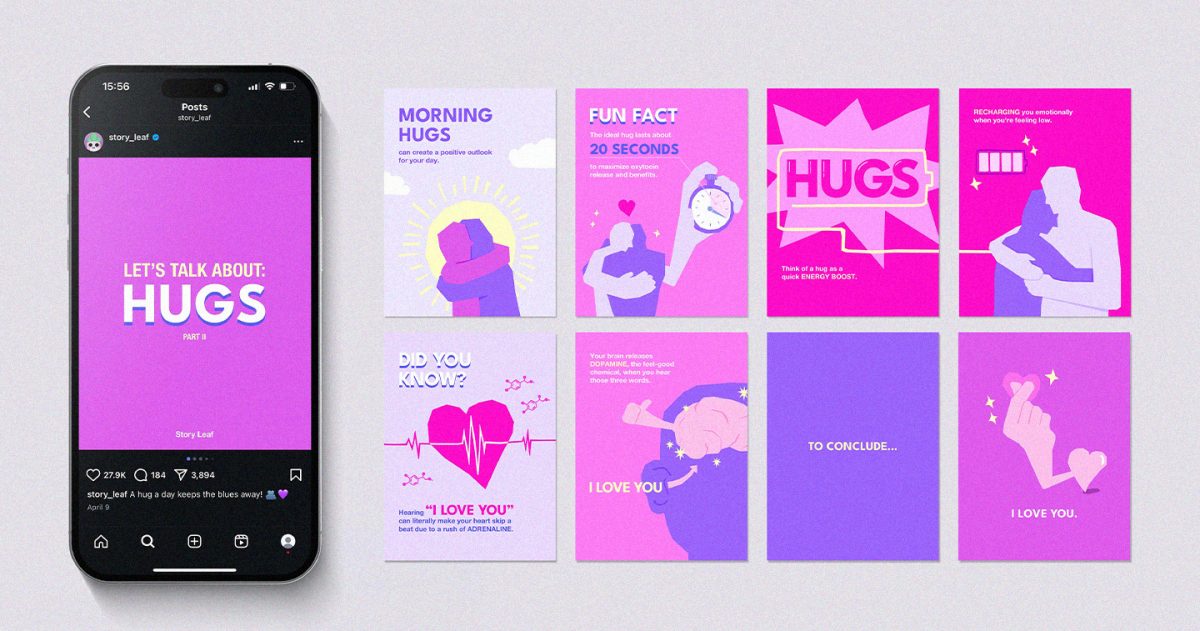
This is where a new generation of storytellers and health educators are stepping in to bridge the gap. Story Leaf, a nonprofit founded in 2020 by Co-Founder & President Gilbert Banducci and Co-Founder & Vice President Nicholas Prufer merges medical accuracy with creativity to make health information engaging, youth-friendly, and stigma-free.
“It’s not just about how we fight HIV, it’s also how we talk about it. Until we change the tone and the spaces where we talk about it, we’ll keep missing the young people who need this information the most,” said Banducci.
Connecting digital education to on-the-ground services helps young Filipinos access testing, condoms, and PrEP.
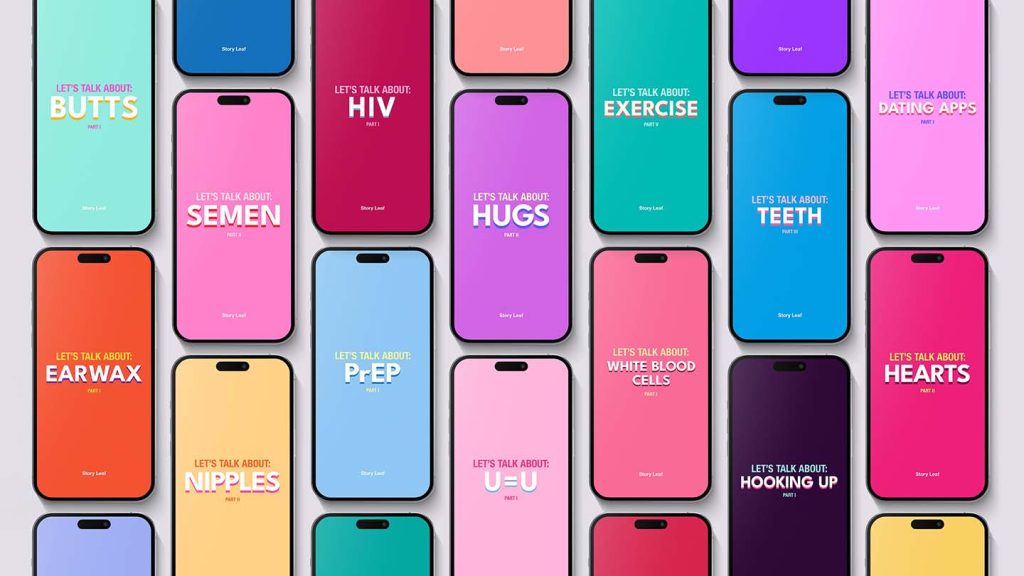
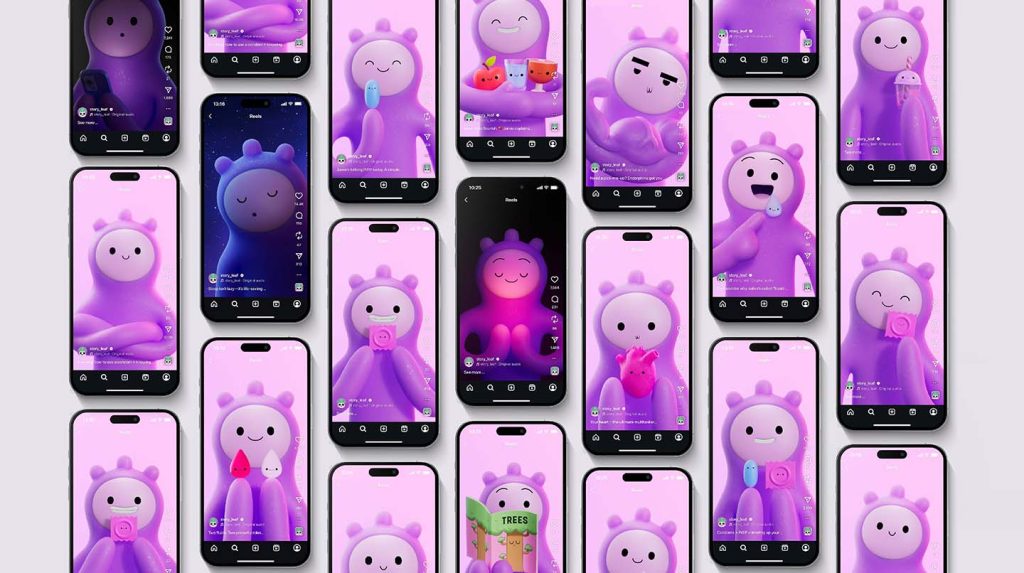
Across platforms like TikTok, Instagram, and YouTube, Story Leaf’s digital campaigns use humor, empathy, and animation to spark honest conversations about sexual health and HIV prevention. Their content has reached over 137 million views worldwide, with 80 percent of their audience based in the Philippines and 83.5 percent belonging to Gen Z and Millennials—the very groups most vulnerable to HIV.
“When they see content that sounds like them and respects them, they engage, they ask questions, and they act,” shared Prufer.
From awareness to action
Beyond these engagement numbers, Story Leaf has received thousands of direct messages from young people seeking information about HIV testing, condoms, and PrEP.
Creating youth-friendly spaces—online and offline—empowers youth to ask questions about sexual health without fear or shame.
“Every message we receive is proof that young people want to know more. They just need a space that feels safe enough to ask. Story Leaf helps direct and connect them to trusted health providers who can help them take the next step,” said Banducci.
Through partnerships with local healthcare providers, Story Leaf ensures that their online content also leads to tangible action, enabling young people to access the help they need.
Changing the conversation
Through engaging digital content and reflecting the language, humor, and lived experiences of young people, Story Leaf transforms how the youth see HIV from something taboo to something that they can talk about without fear of judgement or shame.
“We consult with experts and work with artists and animators to turn information on HIV into something relatable, culturally relevant, and emotionally real. Our goal is to make sure that no young person feels alone or uninformed,” said Prufer.
Combining creativity and medical expertise, the team ensures every story is accurate, engaging, and empowering.
Story Leaf plans to expand their content into more regions and languages to bridge more youth to care. Through storytelling and blending creativity and evidence-based information, Story Leaf humanizes the complexities of HIV to reach more young people.
“Our goal is to normalize conversations about HIV and empower youth to make informed decisions about their health. When we change how we tell the story, we can help change how it ends,” shared Banducci.