
MANILA, PHILIPPINES – The launch of the Safe Sound Check this October, led by Project Inclusion Network (PIN), Jayme HQ, and partners, is gaining national attention as the country confronts how sound affects people with autism and sensory sensitivities.
Grant Javier, Executive Director of Project Inclusion Network, emphasized how urgent the issue has become: “Last July, a person with autism was triggered by the loud audio from another passenger’s cellphone while riding a bus. According to reports, he reacted by biting the passenger, and the people on the bus attacked and beat him up. It’s a painful reminder that many Filipinos are unaware of neurodiversity, and how loud sounds can be overwhelming—even physically painful—for people on the spectrum.”
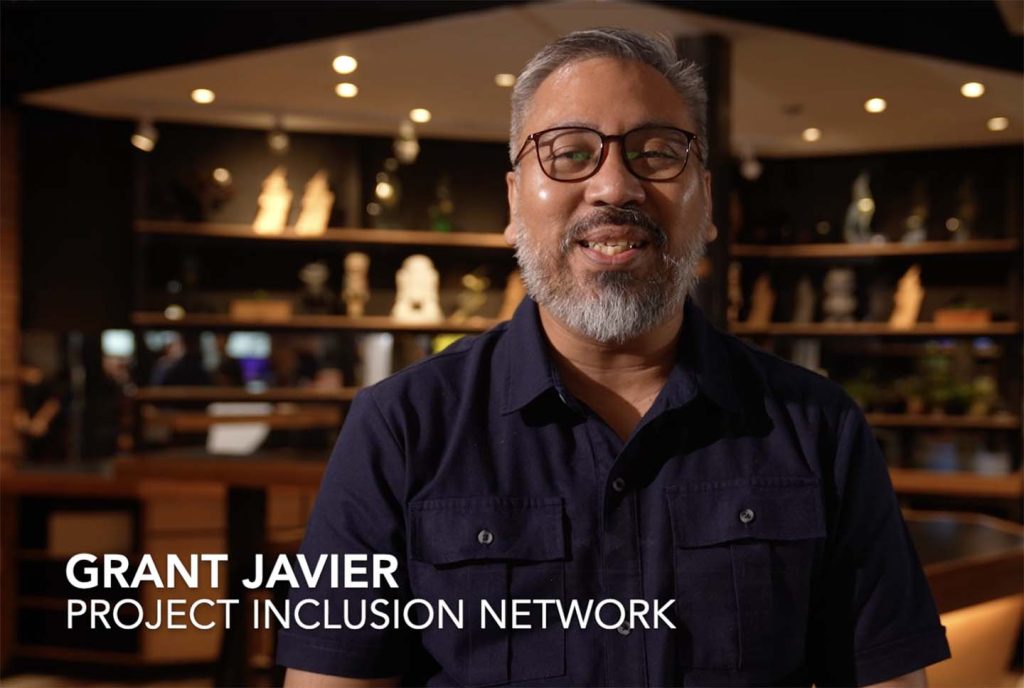
He added: “Commuting is often the first step for neurodivergent individuals to access employment. If we don’t make these spaces safe for them, we are not helping. I’ve traveled around the world, and people have an inherent respect for the sounds they make in public. We need that same awareness here.”
Sharing his own commuting experience, Juan Alfonzo “Japonz” Dacumos, a summa cum laude Psychology graduate from De La Salle University (DLSU) who is openly autistic, said: “Commuting is very difficult when you have autism because every part of the journey exposes you to potentially dangerous sound levels. I always bring headphones with me, but it would help a lot if people were more conscious of how sounds affect us.”
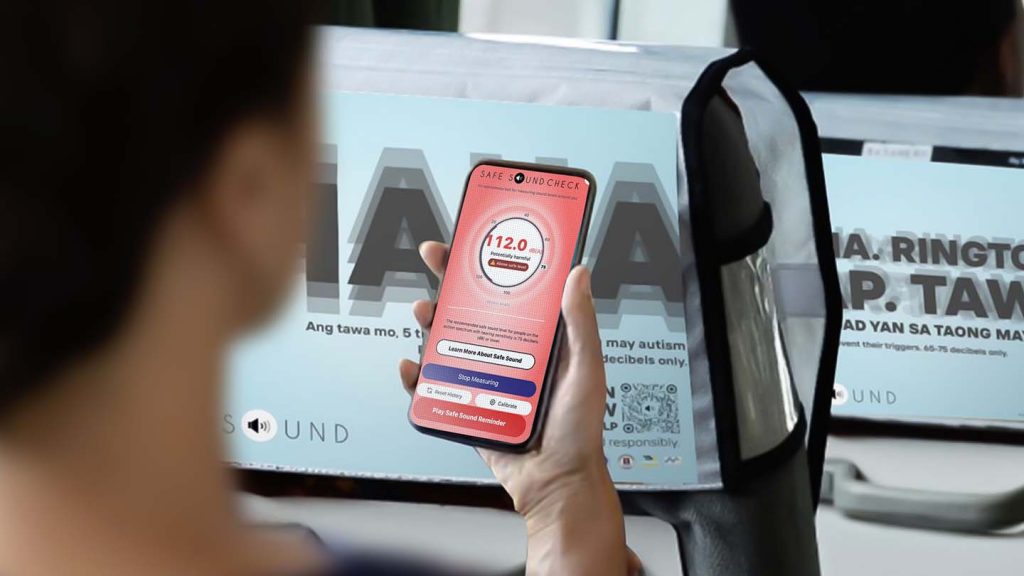
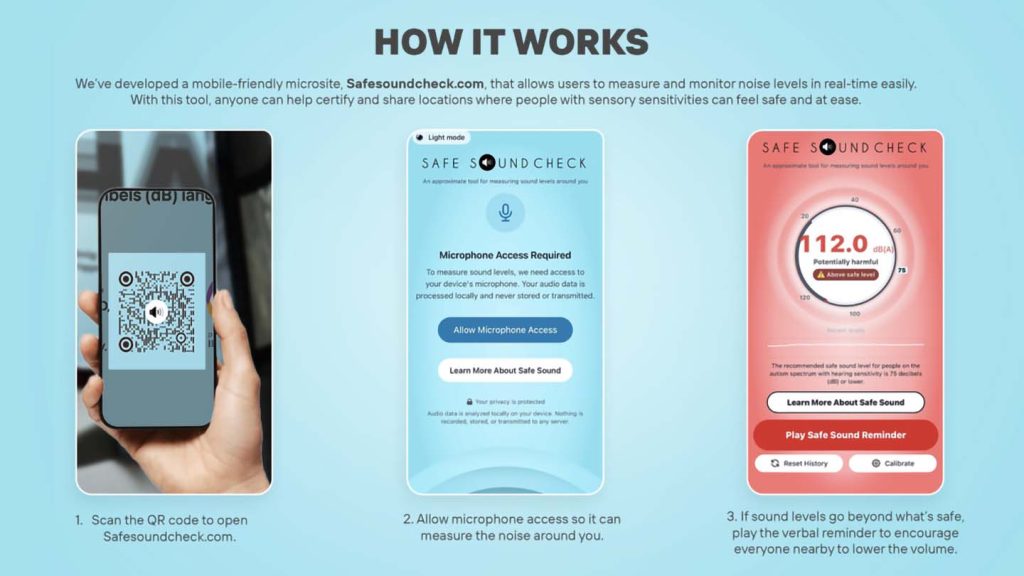
The Safe Sound Check was introduced during World Sensory Month to offer a practical way to make public and private spaces more inclusive. The tool, available through safesoundcheck.com, allows anyone to measure surrounding noise levels and, when they exceed safe thresholds, play a gentle audio reminder asking others to lower the volume. The platform also provides learning resources on sound sensitivity and autism. The project even tapped the neurodivergent creatives of The Misfits Camp to conduct research, help design and test the sound levels themselves, ensuring the experience reflected real sensory thresholds.
Sound designer Tats Paman explained why monitoring volume is essential: “The right sound level is only between 65 to 75 decibels. That range is non-triggering for people with autism — This is not telling everyone to be super quiet, just the right level that is honestly good for all of us.”
Audiologist Diego Rozul added that sensory reactions to noise aren’t a matter of choice: “When we listen to noise in a contained area — like a bus — we can filter what we want to focus on. But for people with autism, the noises are loud, everything all at once. That’s why it overwhelms and triggers.”
Merlee Jayme of The Misfits Camp and Jayme HQ highlighted the problem many overlook: “Autism Spectrum Disorder and other neurodiverse conditions with sound sensitivity are invisible disabilities. You don’t know who has them on a bus, in a classroom, or in a restaurant. We Filipinos aren’t always aware of the sound levels we create — from talking loudly to playing TikTok videos without earphones. When these exceed safe levels, they overwhelm and trigger people with these diagnoses. Safe Sound Check gives everyone a simple way to monitor sound and help keep spaces safe for others.”
Lawmakers have taken notice. The House of Representatives has filed a bill to officially declare October as Safe Sound Month, with a counterpart measure to be filed in the Senate.
In the next phase, talks are underway with local government units in several cities, as well as private institutions such as airlines and fast-food chains, to create more designated Safe Sound Zones.
Closing the story from the perspective of lived experience, Red Ligot, the founding member of the Philippine Neurodivergent Self Advocates (PHINSA) and a person diagnosed with autism, shared: “For once, it’s not us adjusting to society — it’s society adjusting to our needs. That makes me genuinely happy. This project shows that inclusion is finally being acted on.”