
BANGKOK, THAILAND – In business, contracts determine who survives. They define who gets credit, who negotiates pricing, who secures distribution, and who remains stable when markets turn volatile.
But contracts are almost always written between corporations.
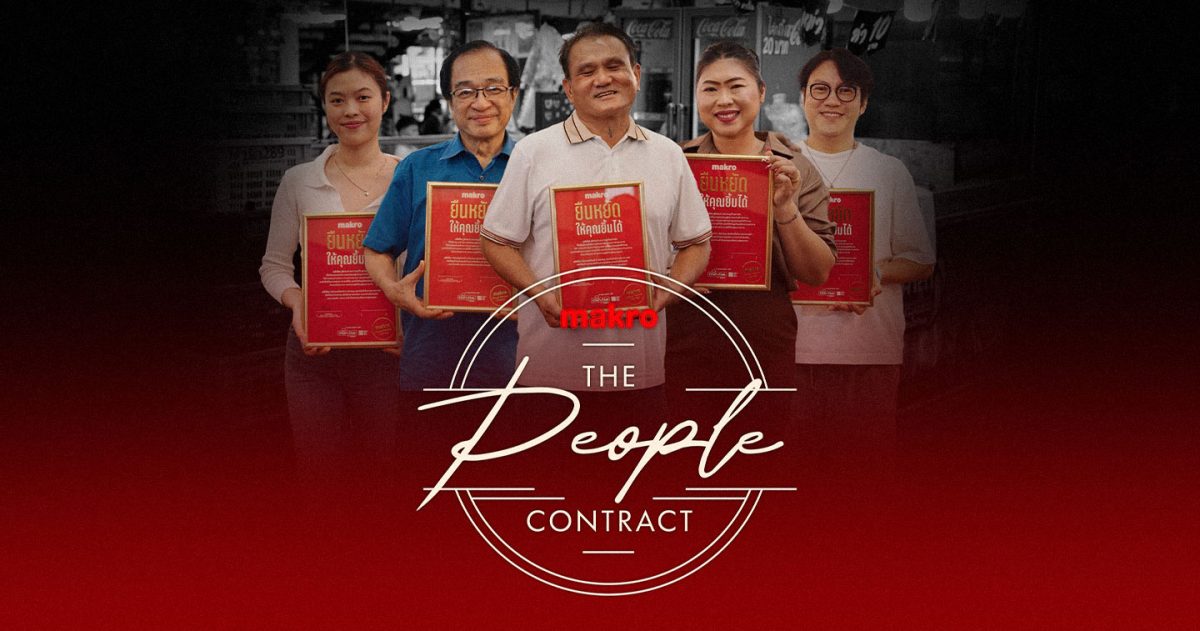
Makro Thailand is challenging that model with the launch of “The People Contract” (ยืนหยัดให้คุณยิ้มได้) — a structural initiative designed to extend contractual certainty to small restaurant owners, many of whom operate at micro and nano-business scale.
Rather than a traditional marketing campaign, The People Contract functions as a formal commitment. Through the initiative, Makro provides small food entrepreneurs with clearer terms, pricing stability, and supply assurances that are typically reserved for larger corporate partners.
By reframing the idea of who contracts are meant to protect, Makro aims to strengthen the foundations of Thailand’s restaurant ecosystem — offering small operators the kind of business security that allows them not only to survive market volatility, but to plan for growth.
The reality: Small businesses power the economy without protection
Thailand’s food ecosystem is driven by independent restaurants, yet thousands shut down every month — not because they lack skill or demand, but because of instability and limited business leverage.
Unlike large corporate chains, many small operators lack the structural advantages that keep businesses resilient. They often operate without credit buffers, pricing power, operational backup, distribution leverage, or media visibility.
In short, they lack the certainty that contracts provide.
As the backbone of Thailand’s food supply chain, Makro works directly with the very operators most vulnerable to economic shocks. Recognizing this imbalance, the company sought a solution that went beyond temporary discounts or purpose-led messaging.
Instead, Makro partnered with YDM Thailand to rethink where leverage is truly created in business.
The answer wasn’t communication — it was contractual structure.
Embedding certainty into commerce
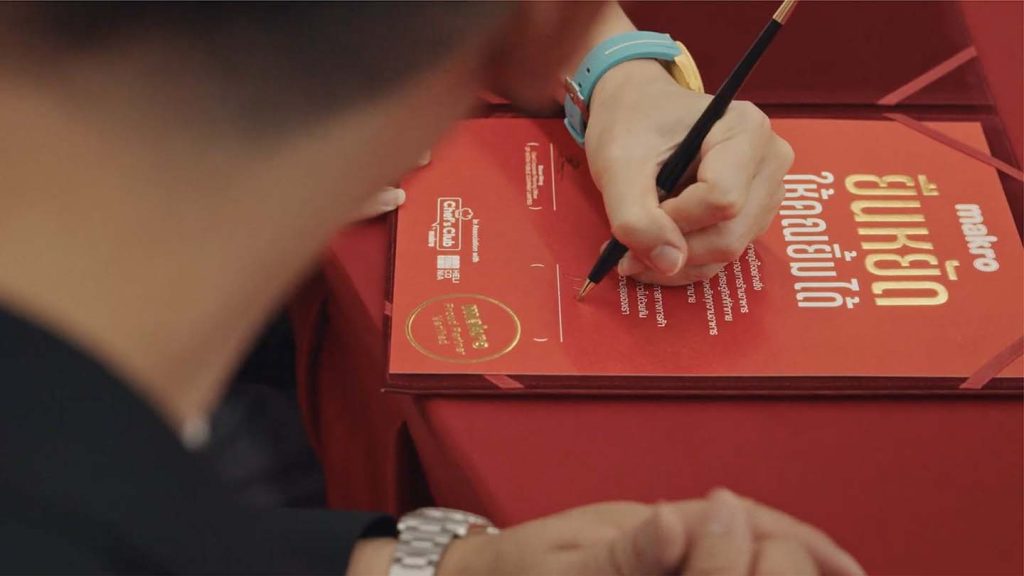
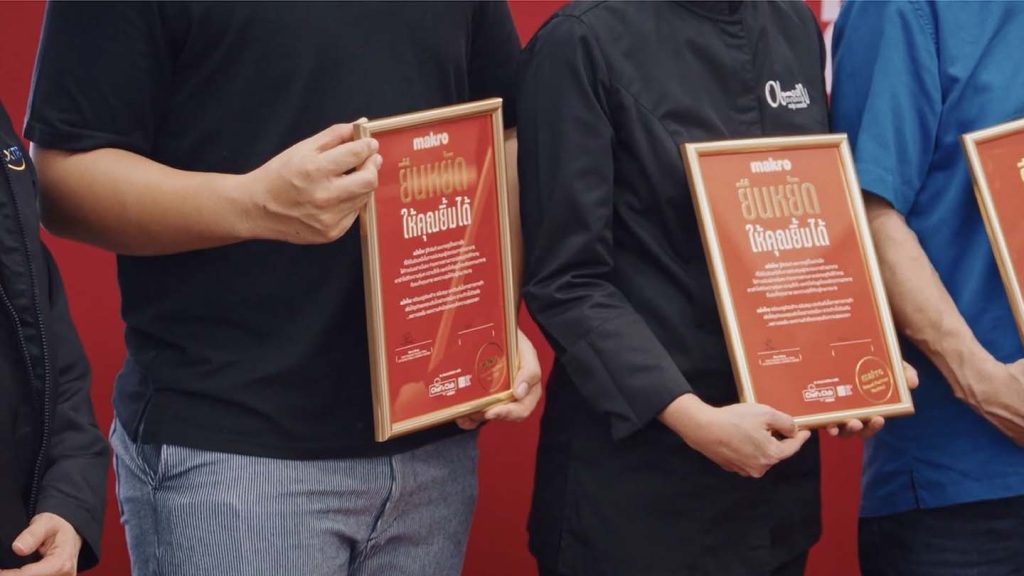
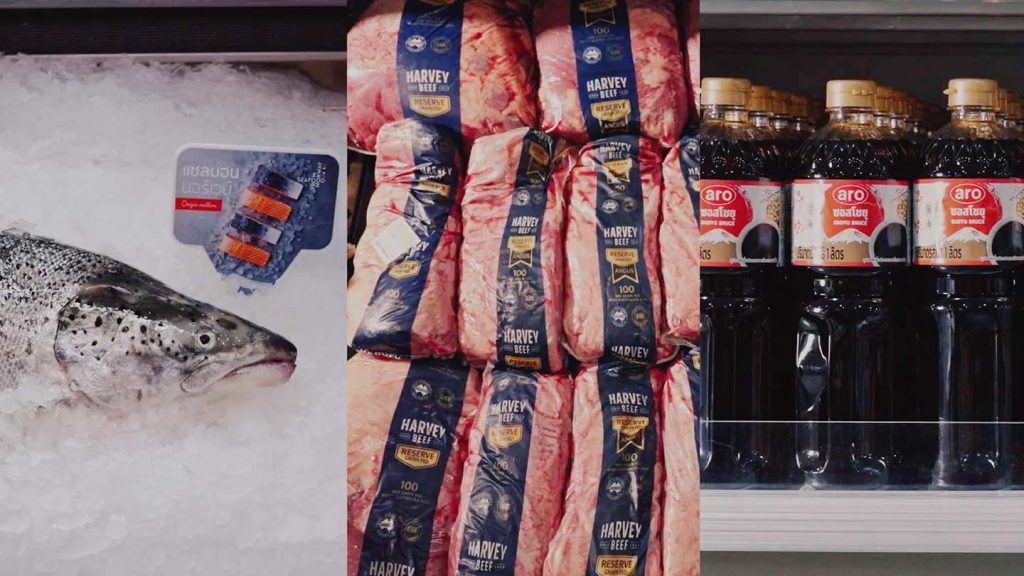
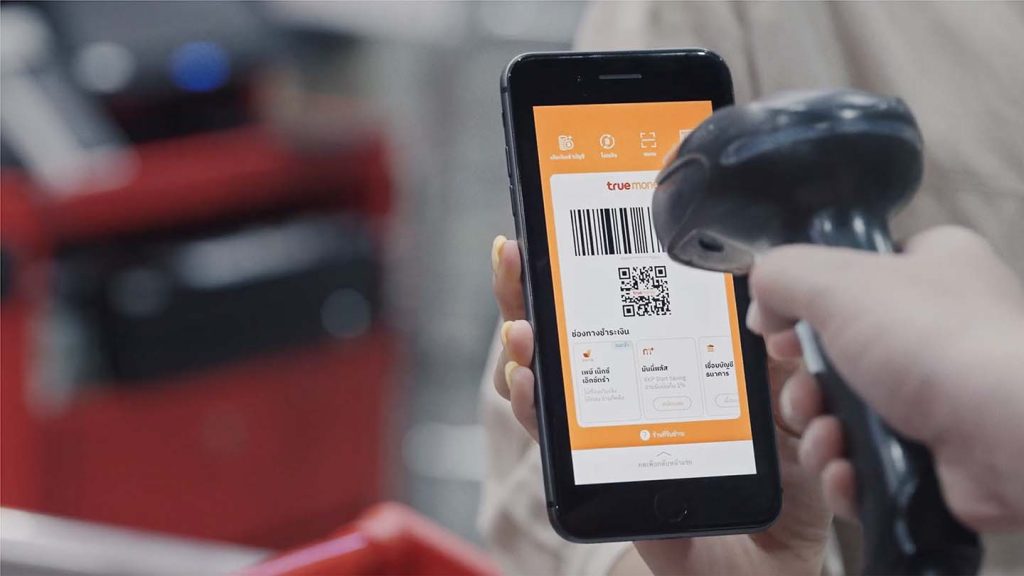
The People Contract introduces five structural commitments designed to transfer corporate-level leverage to small restaurant operators.
PayNext — Buy Now, Pay Later
Restaurants can purchase ingredients upfront and pay after revenue is generated, easing the cash flow pressure that often determines whether a restaurant can open its doors each morning.
Personalized Pricing
Using purchasing data, Makro reduces costs on the specific ingredients each business relies on most, replicating negotiation advantages typically reserved for large chains.
Shared Space
When accidents or crises force restaurants to close temporarily, Makro provides free kiosk space within its locations, allowing businesses to continue operating instead of shutting down entirely.
Shared Shelves
Local dishes are guided through certification and placed on Makro’s national retail shelves, granting small operators access to distribution infrastructure traditionally dominated by established brands.
Voice
To make the initiative visible, Makro surrendered its own billboards and transformed them into hyper-local restaurant guides promoting nearby independent restaurants.
No product ads. No brand push. Just exposure for the smallest players in the system.
From Wholesaler to Ecosystem Partner
“In business, contracts usually exist between corporations,” said Shaun Wong, Makro’s Chief Corporate Planning Officer. “For the first time, certainty was written for the people — not just corporations.”
The People Contract required collaboration across Makro’s financial systems, pricing architecture, retail operations, and media strategy, reframing the company’s role from wholesale retailer to long-term ecosystem partner.
“This isn’t support,” Wong added. “It’s a redistribution of leverage.”
Makro recorded a 50% increase in new member acquisition compared to its normal rate during the campaign period.
Beyond communication
What makes The People Contract distinctive is not the media execution, but the operational shift behind it.
Instead of asking small businesses to adapt to economic volatility, Makro adjusted its own systems to absorb and redistribute risk.
If contracts define who gets certainty in business, Makro didn’t just launch a campaign — it changed who gets to sign one.
Because an economy doesn’t survive by protecting only the biggest players. It survives when the people who keep it running are protected too.