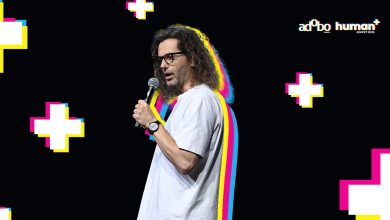

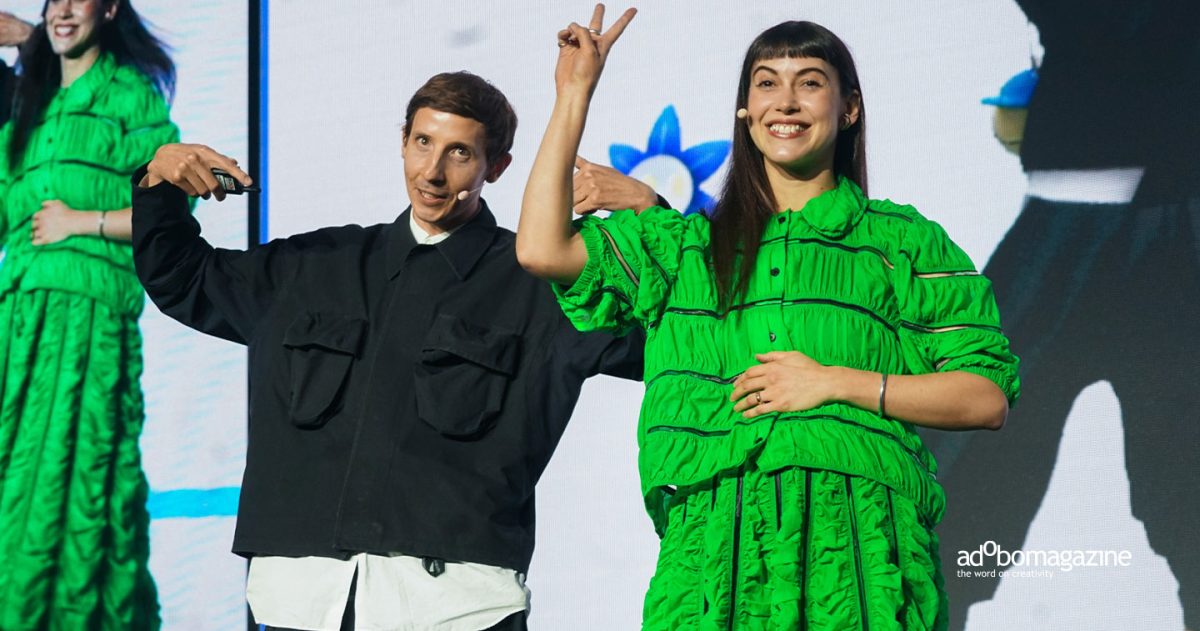
Graphika Manila 2026 spotlighted a diverse lineup of personalities who have made their mark in their respective fields — including those who defied convention and ultimately rose to the top. Case in point: New York City-based artists Wade Jeffree and Leta Sobierajski.
The creative industry more often than not demands structure and specialization, but Wade and Leta made their mark with a style resembling a fluid and deeply personal approach to creativity.
Work that radiates bold color and radical optimism often feels effortless on the surface. But behind it is something far more intricate — an evolving system of trust, tension, and shared growth.
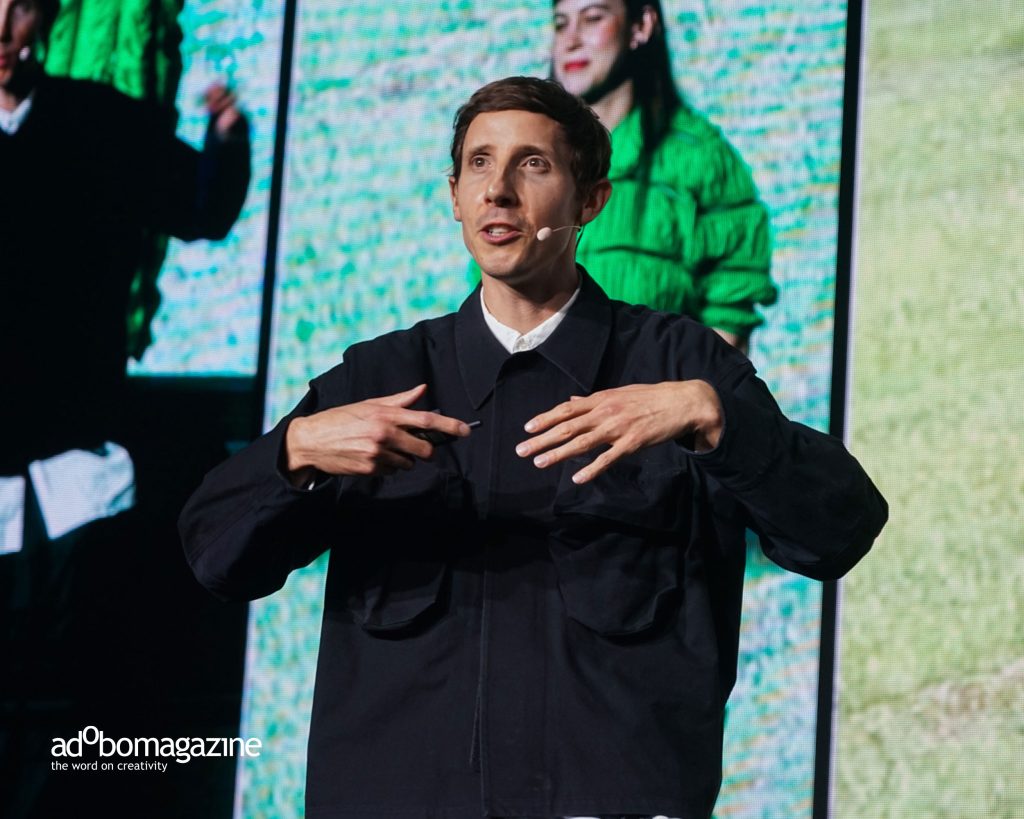
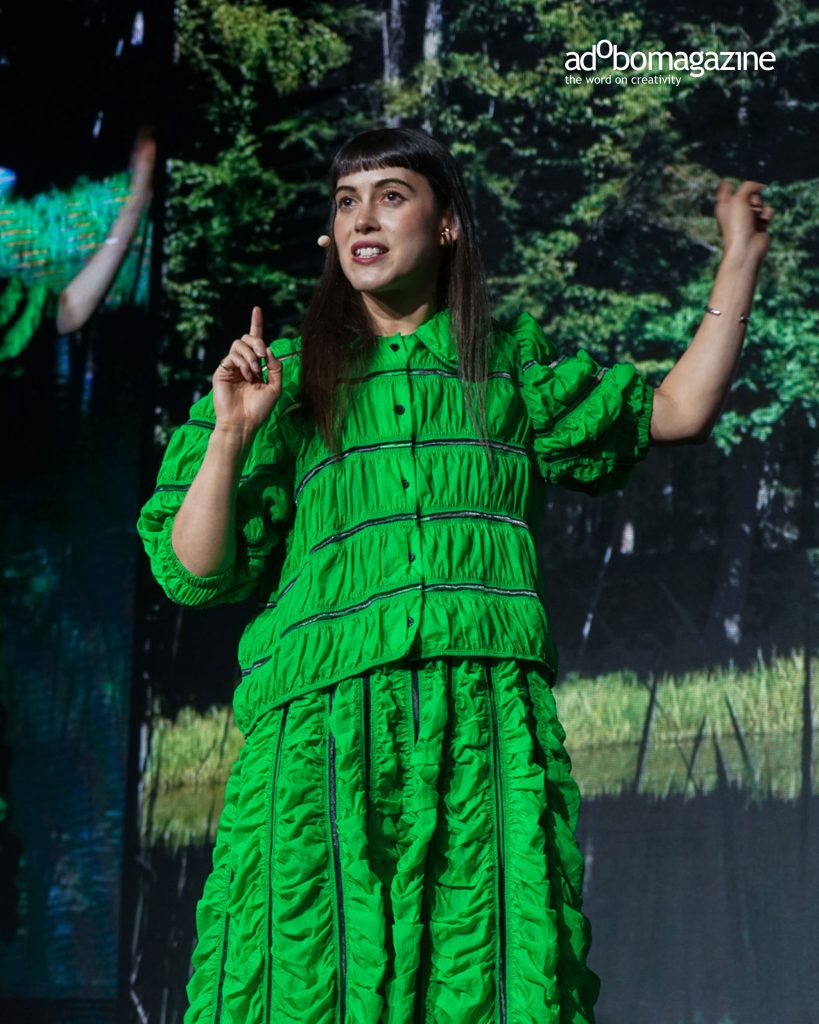
During their keynote at this year’s Graphika Manila, creative duo Wade and Leta offered an intimate glimpse into how their relationship and creative practice are not separate, but part of a single, interconnected ecosystem.
Their story didn’t start with a clear plan, but began with curiosity. Before becoming artists known for large-scale installations, they were simply two graphic designers trying to figure out what they wanted to make and who they wanted to be. What makes their journey compelling is that their creative identity didn’t emerge from strategy or specialization, but from doing things together repeatedly and allowing process to shape purpose.
Creativity as an ecosystem, not a balance
Wade and Leta reject the concept of “work-life balance.”
Instead, they describe their lives as an ecosystem: constantly shifting, responsive, and alive. Their relationship feeds their work, and their work feeds their relationship. At times, one demands more attention, but neither is ever truly separate.
This perspective challenges a common narrative in the creative industries, where boundaries are often framed as a form of protection. For Wade and Leta, however, openness, not separation, is what sustains them. Conversations during a run or over tea become seeds for future projects. Emotional states — stress, excitement, anxiety — aren’t distractions but raw materials.
The insight here is subtle but powerful: creative output is not just influenced by life; it is inseparable from it.
Growth through uncertainty and reinvention
Their evolution from graphic designers to installation artists wasn’t linear. In fact, it was driven by dissatisfaction.
While they found success in branding and photography, they felt their work lacked depth and permanence. They were creating worlds, but not truly experiencing them.
The turning point came during the COVID-19 pandemic. With client work disappearing, they were left alone in their studio with time, uncertainty, and no external pressure. Instead of retreating, they experimented — painting, building, and reconnecting with tactile processes. What emerged was a clearer understanding of what they valued: physicality, scale, and emotional resonance.
This period revealed an important creative truth: constraint and disruption can act as catalysts for clarity. When external validation disappears, what remains is often the most authentic direction forward.
The power of self-initiated work
A recurring theme in their journey is the importance of personal projects. Long before they were commissioned for large-scale installations, they were already experimenting with materials, shapes, and compositions in their own studio — often with no budget and no audience.
These experiments became “stepping stones,” each one informing the next. Over time, they built a visual language rooted in color, form, and play. When opportunities finally arrived — like their first major public installation in London — they were ready, not because they had planned for it, but because they had been consistently building toward something unknown.
Their belief that “the work you do is the work you get” underscores a key insight: opportunities often mirror the risks you take in private.
Collaboration as a practice of trust
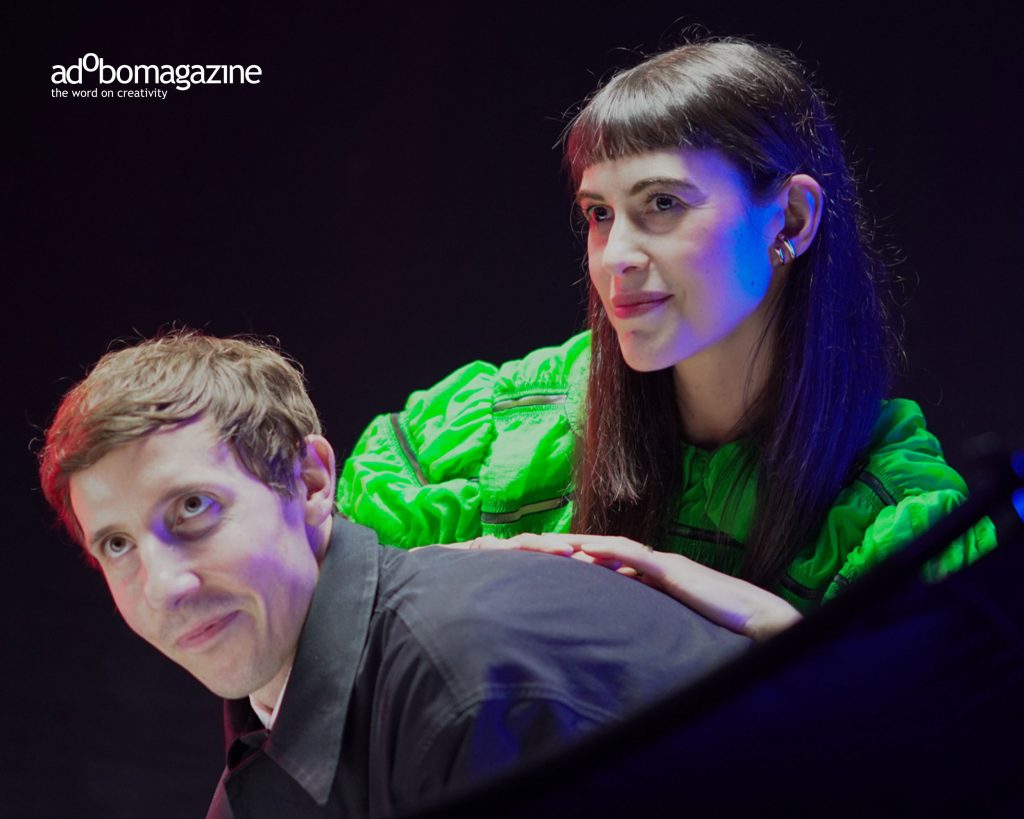
Unlike many creative partnerships that divide roles, Wade and Leta share everything, from emails to design decisions. This level of integration requires an unusual degree of trust and self-awareness. They understand each other’s strengths, weaknesses, and emotional rhythms, allowing them to navigate both creative and personal challenges as a unit.
They acknowledge that this dynamic isn’t for everyone. But for them, it works because they’ve built a shared language: one that allows them to operate fluidly between logic and emotion, structure and chaos.
Work that invites participation
As their practice evolved, so did their intentions. Moving into large-scale public installations allowed them to create work that people could physically interact with. This shift marked a departure from traditional design outputs like logos or photographs, which are often observed passively.
Their installations prioritize three elements: color, interactivity, and emotional accessibility. They aim to create spaces that anyone — not just those familiar with art or design — can engage with intuitively.
This reflects a broader philosophy: art should not require explanation to be meaningful. By focusing on sensory experience and play, they create work that resonates across different audiences, including those who may not typically feel welcome in traditional art spaces.
Embracing imperfection and process
Despite their success, Wade and Leta are candid about the realities behind their work. For every completed project, many ideas remain unrealized. There are constant challenges, including budget constraints, client negotiations, and technical failures (including installations breaking shortly after launch).
Rather than hiding these struggles, they embrace them as part of the process. Their metaphor of the “iceberg” is telling: visible success is only a small fraction of the effort beneath the surface.
The ‘save point’ mentality
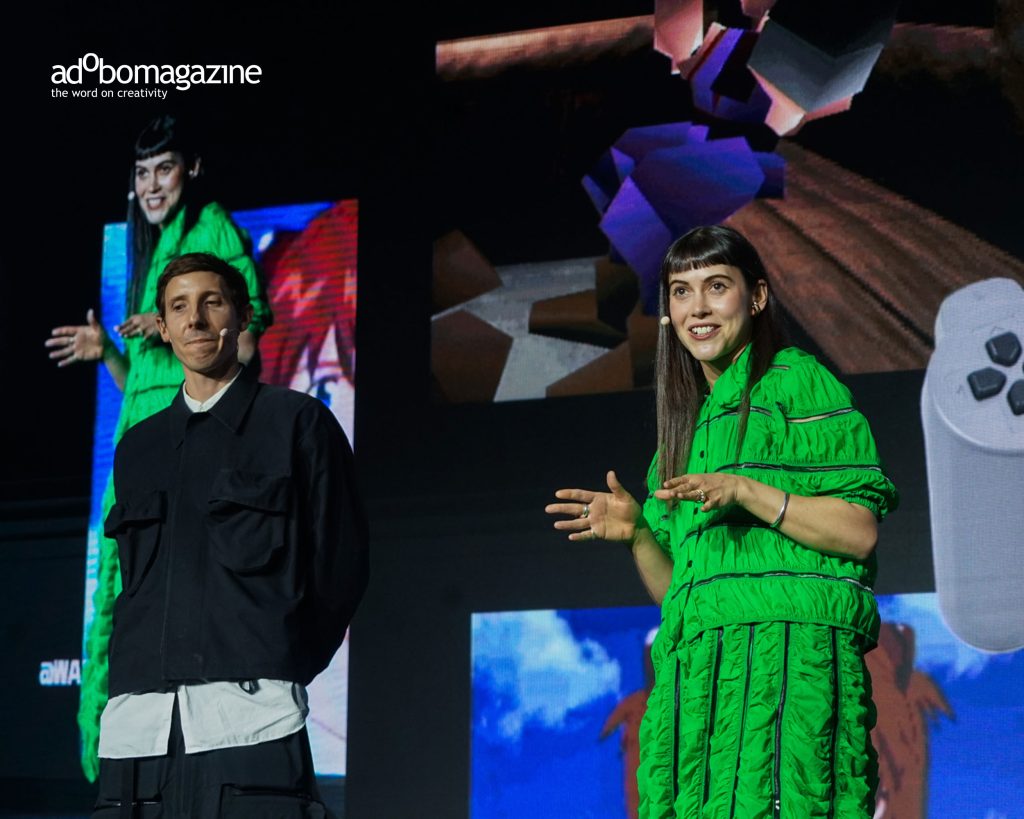
Perhaps the most resonant idea from their talk is the concept of a “save point,” which is borrowed from video games. It represents a moment to pause, reflect, and acknowledge progress before moving forward.
Their recent projects have marked such a moment. Not an endpoint, but a checkpoint. A space to recalibrate, appreciate how far they’ve come, and prepare for what’s next.
In a fast-paced industry that often prioritizes constant output, this mindset offers a refreshing alternative: progress doesn’t always mean acceleration. Sometimes, it means stillness.
READ MORE:
Chasing the sun: How Bobby Pontillas turned a passion project into a Filipino animated feature the world needs to see
Doodles, doubts, and determination: How Lei Melendres drew his way through imposter syndrome
Art need not be profound: Jill Arteche’s illustrations prove that the little quirks and weirdness of life can turn the ordinary into extraordinary art