

Graphika Manila is not just a conference where you learn from creative professionals; it’s also a space for inspiration. There are moments when creatives feel like giving up, especially when it seems that no one is interested in supporting their advocacy or their work.
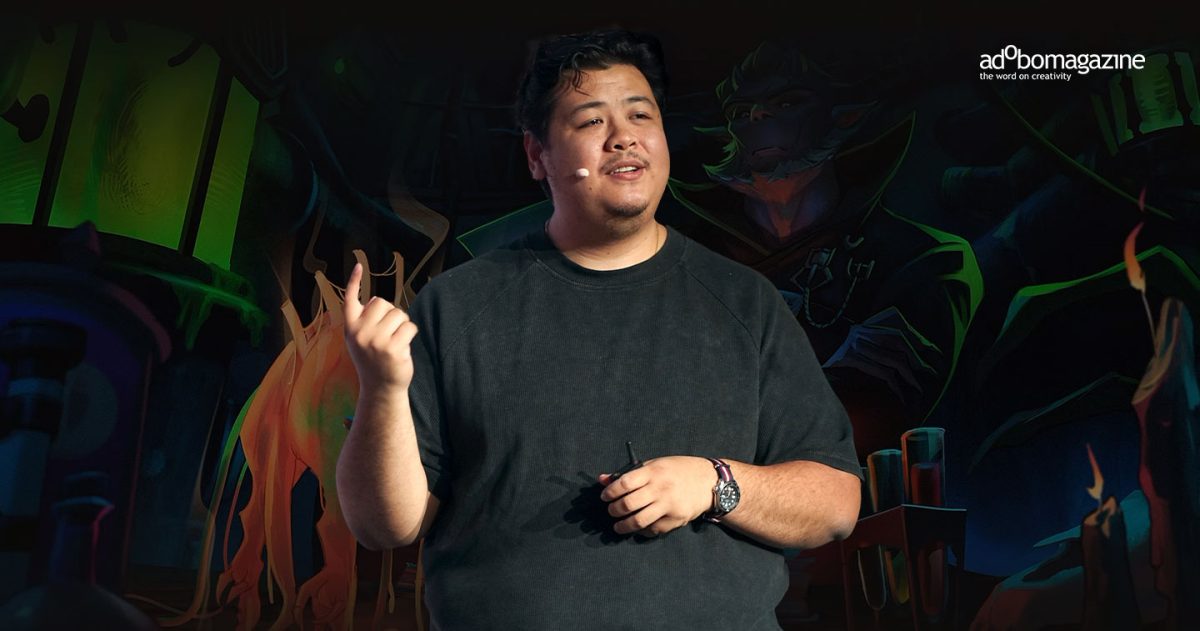
This was the reality for Aurthur Mercader, the Creative Director and CEO of Puppeteer Animation Studios. While his company has achieved significant milestones — producing full-production animated films, games, and commercials — there were several times he had to close the studio due to a lack of funding and support.
Even giants fall
Aurthur began his talk with a reminder: even titans of the industry fall. Studios as prominent as Rhythm & Hues, the Oscar-winning team behind “Life of Pi,” and Artisaurus Rex closed their doors during volatile shifts in the market.
This struggle was not unique to Aurthur. It was a shared battle against an erratic global tide where projects come in waves and funding is never guaranteed.
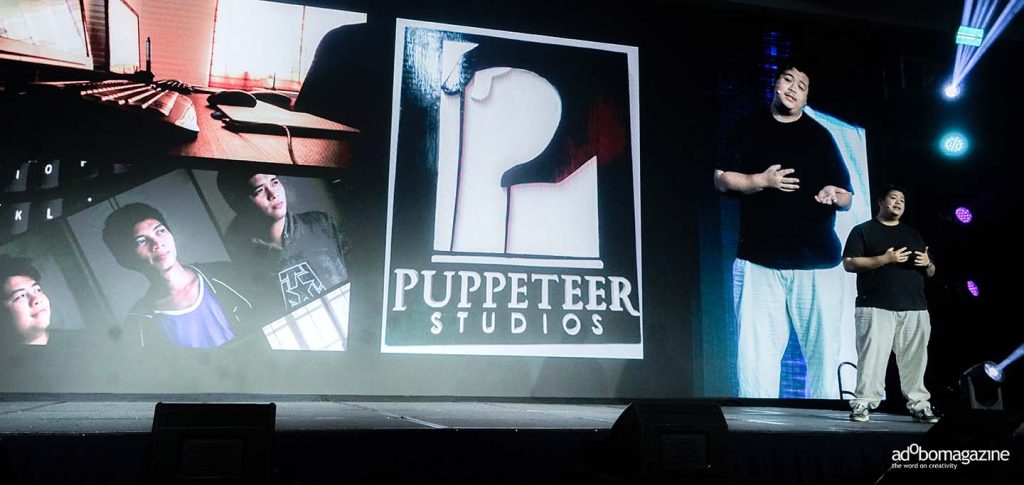
“The industry was always unstable. Tech changes pipeline and funding follows you,” Aurthur said.
At the time, Aurthur had just graduated from college, and entering such an unpredictable industry was daunting, to say the least.
“I was in a sea of 1,000 artists, veterans as well, who were also looking for jobs.”
Fake it ‘til you make it, but get the job done
Despite uncertainty, Aurthur built Puppeteer Studios from the ground up, starting in an apartment with only three people. With limited resources, he and his team took on the task of fixing broken rigs for the City of Hoops IP.
“It’s an impossible task, it was doomed to fail, and it was really just the three of us in an apartment. There were a lot of things that we did not know,” Aurthur recalled.
They used “dirty” techniques, such as recording playblasts or deleting hidden faces to save time, because they could not afford expensive rendering. Arthur sees nothing wrong in using these methods as long as the client’s needs are met.
“There’s no shame in doing stuff wrong as long as you get the project done. It’s like you’re stranded on an island and you need to eat,” he said.
A rollercoaster of success and struggles
Arthur described the Puppeteer’s history as “a series of waves” that often ended in total shutdowns. Despite receiving critical acclaim from Animahenasyon at the Metro Manila Film Festival and the Windarra Film Festival, the studio immediately collapsed afterward.
The most difficult part of these shutdowns was telling his friends and colleagues that there were no more projects left to work on. By 2017, the studio had scaled up again, only to close once more due to a lack of investors who believed in original Filipino content.
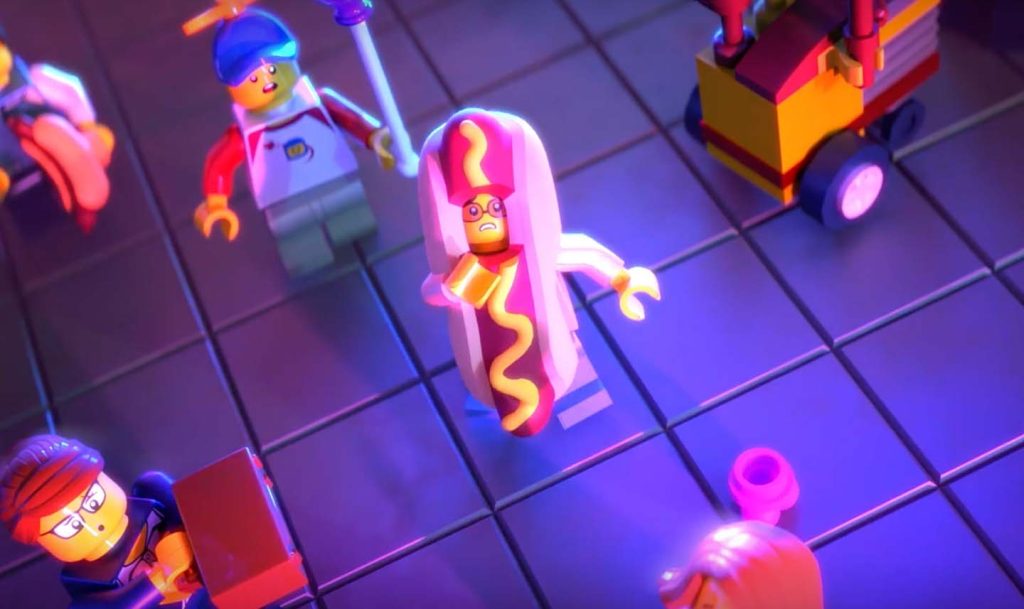
The breaking point came during the pandemic. As the studio closed again, Aurthur was balancing the responsibilities of married life and raising a newborn. Nonetheless, Puppeteer kept productive by creating spec work and developing its own IP, which eventually bridged the gap to forthcoming lucrative opportunities.
In 2025, after six months without work, the team was finally ready to weather the dip.
From three to a team of 60
Puppeteer Studios has grown from a three-person startup into a team of 60 artists. Currently, the studio works in collaboration with Australian-based company Kapwa to produce the first-ever animated feature film co-production between the Philippines and Australia.
Its portfolio now includes high-profile projects like the trailer for Black Adam and the stop-motion-style remake of It’s Okay to Not Be Okay for ABS-CBN. Puppeteer is also proud of its collaboration with OPM band Ben&Ben, for whom it created a visual ecosystem including 12 lyric videos and album cover art.
The company has also done its part to nurture the next generation of Filipino animators. It recently concluded a six-month incubator program, mentoring 12 artists to produce their own short film.
The art of the long game
Here’s something to learn from Aurthur Mercader’s journey: in the world of animation, an artist’s greatest tool is neither software nor a high-end render farm, but the will to remain standing when waves hit.
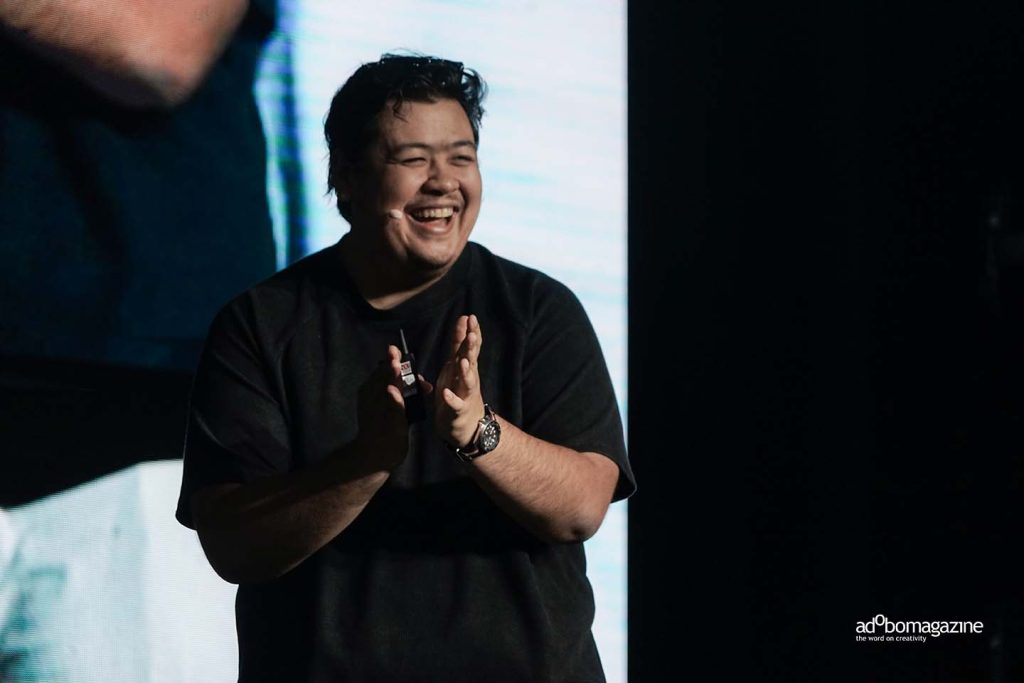
Having to close doors doesn’t mean the story is over. In Puppeteer’s case, it was merely a necessary break before starting something bigger. By doubling down on its Filipino identity and choosing to see value where others saw risk, it has mastered not just the art of creating animated features, but also the ethos of not giving up.
As Aurthur moves forward with global co-productions and original films, he leaves the Graphika Manila stage with a singular, powerful reminder: The strings of imagination only work if you refuse to let go.
adobo Magazine is an official media partner of Graphika Manila 2026.
READ MORE: