

TAIPEI, TAIWAN – In an age where indulgence and self-care coexist, a striking cultural shift is redefining what it means to be “healthy.” According to Omnicom Media Group (OMG) Taiwan’s latest research report, Health in Motion, a new norm has emerged – compensatory wellness, which consumers blend guilty pleasures with active health rituals in pursuit of physical and mental equilibrium.
Despite 60% of survey respondents rating themselves as healthy, nearly all of them regularly consume fried food (97%), sweets (96%) and alcohol (54%). The research, which surveyed 800 individuals, paints a picture of a modern wellness mindset: one that acknowledges indulgence but attempts to offset it with dietary supplements, fitness routines and stress-adaptive behavior.
Commenting on the research, Kelly Huang, CEO, OMG Taiwan said, “The rise of compensatory wellness reflects a cultural shift. Consumers aren’t just supplementing nutrients but also a peace of mind. Through ‘Health in Motion’ OMG Taiwan aims to help our clients and brands see wellness as a holistic, emotional experience instead of just a product category. Doing so will help inspire trust and foster belonging with consumers, and redefine what health means for the next generation.”
The findings underscore a growing consumer desire to self repair, transforming wellness from a preventative measure into a daily, ritualistic act. And the implications for brands are significant. To connect meaningfully, companies must pivot from product focused marketing to messaging that embraces emotional connection and lifestyle integration.
Key Findings from OMG Taiwan’s Health in Motion Research
1. A High Pressure Generation Leaning on Supplements and Screens
Adults in their 30s and 40s, caught between career ambition and family responsibilities are emerging as the most supplement reliant group, despite fewer than one third identifying as “healthy.” These consumers report elevated levels of anxiety and spend nearly six hours daily consuming short-form video content on platforms like Facebook Reels, YouTube Shorts and Instagram Stories.
OMG Taiwan classifies them as “preparatory caregivers”, a segment seeking both practical and emotional solutions for health and aging. Brands that understand this pressure cooker dynamic can tailor messaging that acknowledges these lived realities, creating stronger emotional resonance and brand engagement.

2. Trust, Value and Efficacy Drive Purchase Decisions
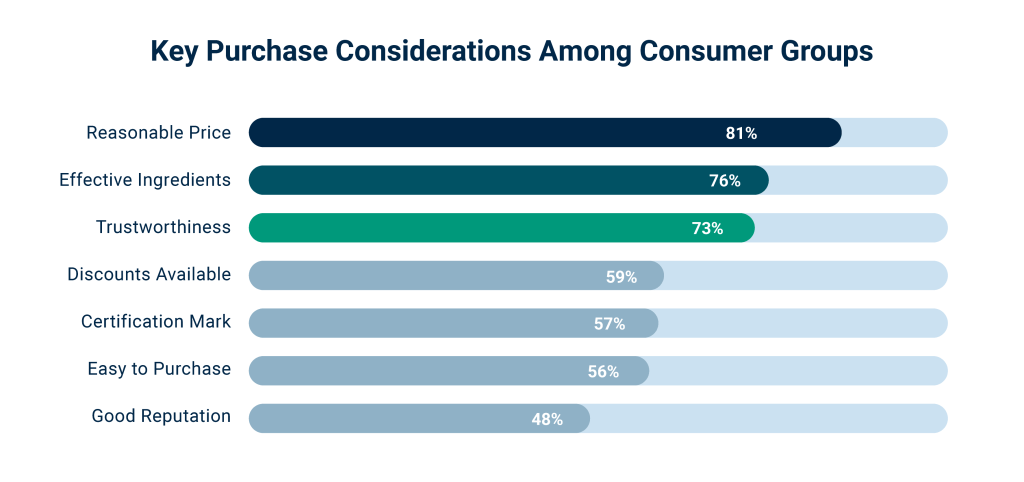
In an era clouded by economic uncertainty and misinformation, consumers are becoming more discerning. The study found that the top considerations when purchasing health supplements are reasonable price (81%), effective ingredients (76%) and brand trust (73%). Labels, certifications and verified sources matter more than ever.
For brands, this means authenticity and transparency are no longer optional: they are central to standing out in a saturated market.

3. Short Form Video as a Tool for Emotional Relief and Health Education
Beyond entertainment, short videos now serve dual roles: stress relief and health information hubs. More than half of the study’s respondents said they turn to video content during times of mental strain. For brands, this opens a new frontier in mastering “five second resonance” that combines storytelling, product context and emotional hooks.
The shift to mobile first, emotionally relevant content offers a unique opportunity to convert attention into trust and trust into action.

4. Caregivers as Key Wellness Influencers
One third of respondents reported caring for a family member over the age of 65. These caregivers face increased physical and emotional strain, and show significantly higher intent to purchase supplements, especially those targeting energy and immunity.
As caregiving responsibilities drive a shift toward family-wide wellness solutions, brands can capitalize by offering multi-generational product bundles and messaging that addresses both caregiver stress and whole-household health.
5. Wellness as Emotional Resilience
Perhaps the most powerful insight from Health in Motion is that wellness is no longer only about physical nutrition – it’s about psychological balance. In times of uncertainty, consumers are turning to small, consistent actions like supplement intake to regain a sense of control.
As health becomes increasingly emotional and self-directed, the challenge for brands is clear: connect with authenticity, communicate with empathy and serve not just the body but the spirit of a new wellness culture.