
MANILA, PHILIPPINES – Rural poverty continues to challenge agricultural communities across the Philippines, with 25.7% of the population — many of them farmers and fisherfolk, still living below the poverty line. Addressing this urgent issue, the Foundation for a Sustainable Society, Inc. (FSSI), a social investment nonprofit, is empowering women-led social enterprises to transform rural economies through inclusive, sustainable business models guided by the triple bottom line (3BL) framework of people, planet, and profit.
By providing tailored financing, technical assistance, and capacity-building opportunities, FSSI enables Filipina social entrepreneurs to expand services, scale operations, and lead innovations that create lasting community impact.
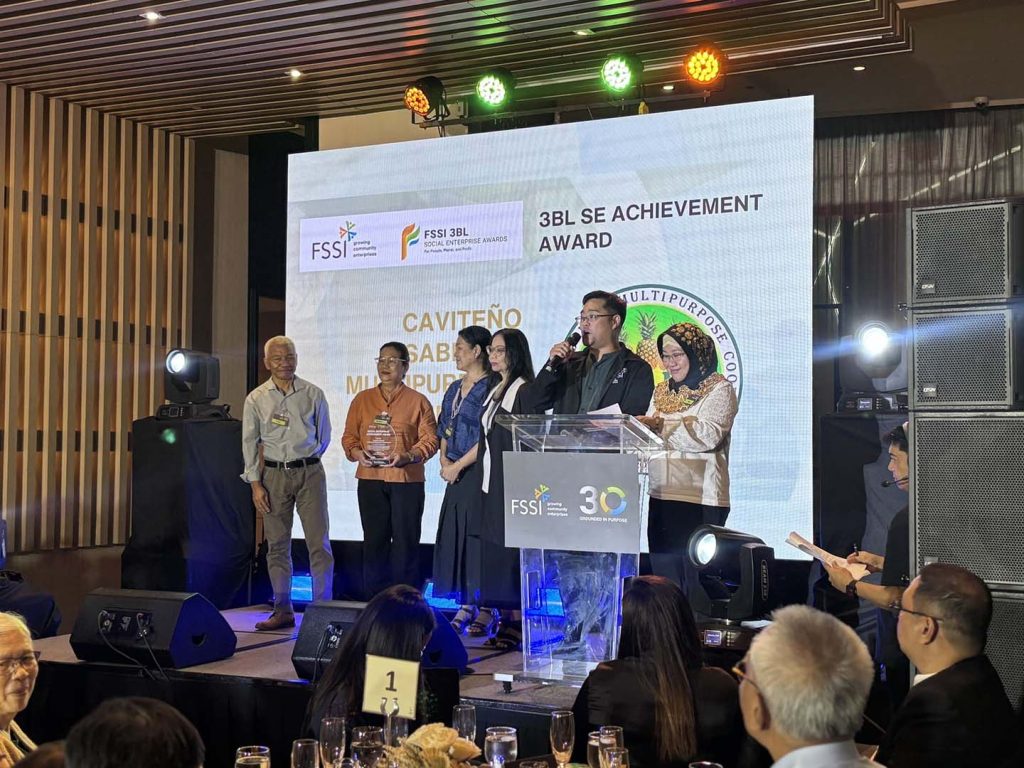
At its 30th anniversary celebration held on September 5, 2025, in Quezon City, FSSI launched the inaugural Triple Bottom Line Awards to recognize social enterprises, many led by women – that exemplify inclusive growth, climate resilience, and values-driven leadership. The awards underscored the role of women entrepreneurs in tackling systemic challenges such as low farmgate prices, high input costs, recurring natural disasters, and limited market access.
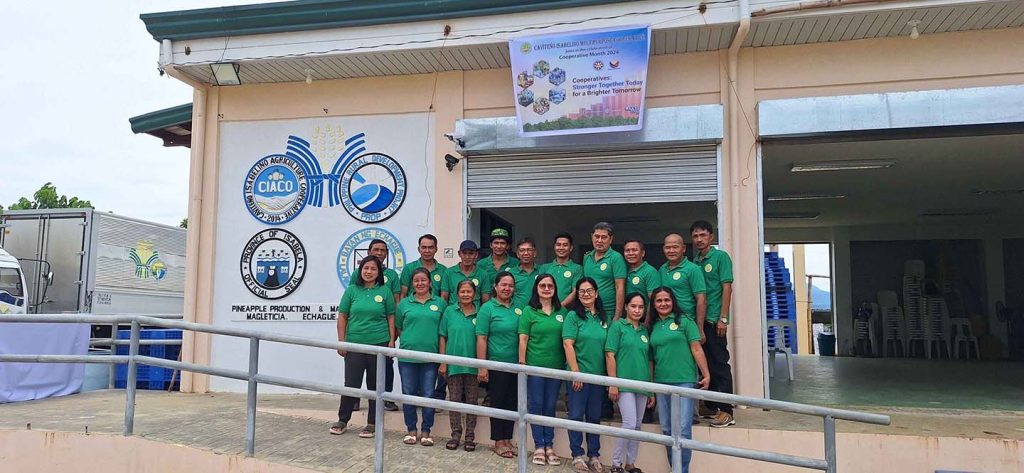
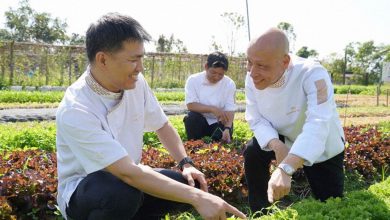
In Echague, Isabela, Caviteño Isabelino Multipurpose Cooperative (CAISA-MPC) tackles issues like pest infestations, climate change, limited market access, poor infrastructure, and lack of capital by expanding its services. With FSSI’s support through training, seminars, and capital loan, the organization was able to strengthen its operations and pursue its vision of focusing on people, planet, and profit. This has helped them grow and sustain initiatives such as pineapple production and processing, a rice mill, agri-machinery rentals, and a processing center, enabling them to better serve their members.
“Through FSSI’s support, we’ve trained our members, provided them easy access to financing, and built a cooperative that uplifts the entire community, and not just farmers,” shared Maria Victoria Anahaw, Chief Executive Officer of CAISA-MPC. “From a credit co-op, we’ve grown into a multipurpose cooperative with 800 members, providing meaningful services beyond lending that truly benefit our members and help improve their quality of life.”

Similarly, Lourdes MPC in Occidental Mindoro addresses challenges like low farmgate prices and high input costs through an FSSI-funded agri-supply store that provides affordable, quality products, along with agri-loans and small business loans to support farmer-members in diversifying their income and growing their livelihoods. “We prioritize products that truly help our members by ensuring quality and safety while listening to their specific needs,” said Jesrryl Maye Obispo Agnas, Officer-in-Charge Branch Manager of Lourdes MPC. “It’s more than a store, it also empowers farmers to take better control of their production.”
In line with FSSI’s commitment to the 3BL, both cooperatives demonstrate how economic growth can go hand-in-hand with environmental responsibility and community well-being. CAISA-MPC, for instance, has adopted sustainable farming practices such as tree and bamboo planting along waterways and eliminating open burning. Lourdes MPC promotes climate-responsive planning and continues to assist members affected by natural calamities through both agricultural support and personal outreach.

Beyond growing sustainable businesses, these cooperatives are redefining gender roles in agriculture. In a sector long dominated by men, women like Anahaw and Agnas are leading with strength, empathy, and emotional intelligence. Supported by training, experience, and the trust of their communities, they are showing that women are fully capable of leading thriving, impactful enterprises.

“Filipina social entrepreneurs are proving that lasting rural transformation requires empowered leadership that cultivates communities towards sustainable growth,” said Sixto Donato C. Macasaet, Executive Director of FSSI. “To amplify their impact, we commit to invest in what truly sustains them—accessible capital, upgraded technologies, and continuous capacity-building that equips them to lead, innovate, and thrive.”
As rural communities face poverty and systemic barriers, these women-led, FSSI-supported enterprises provide a strong model for inclusive, sustainable development grounded in local leadership and lasting solutions.
To learn more about how FSSI empowers social enterprises and uplifts rural livelihoods, visit fssi.com.ph or follow their Facebook page at www.facebook.com/FSSI.Philippines.