
With less than five years left, the country races to hit its sustainable development targets. The nation’s solutions, however, may hit closer to home than many realize, right where people live, work, and innovate.
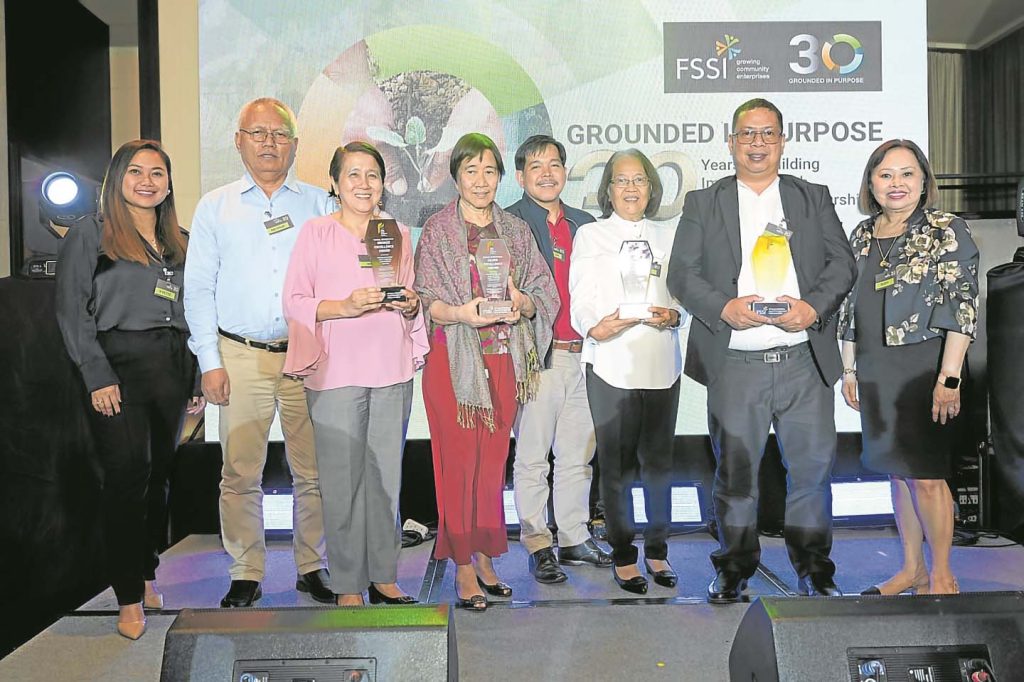
Together with FSSI members, awards were presented to recognize outstanding social enterprises through the 3BL Social Enterprise Awards champions including Imelda H. Esteban of Kauyagan Savers Multi-Purpose Cooperative, Ched Castillo received the award on behalf of Mandaue City Public Market Vendors Multi-Purpose Cooperative (MAVENCO), Guillermo Bacsa of Kilusang Lima (5) Para sa Lahat Multipurpose Cooperative (K5 MPC), and Jaime Avila III of JMJ SOLAR. Photo from Foundation for a Sustainable Society, Inc. (FSSI).
Within barangays and urban neighborhoods, Filipino social enterprises are already doing much of the essential work such as delivering goods to remote communities, powering homes and schools, creating resilient jobs, and strengthening local value chains. What makes these homegrown efforts even remarkable is how often they start small—someone spots a need, tests a solution, learns from experience and gradually weaves a patchwork of solutions that contribute to national development.
Social enterprises as partners for national progress
Social enterprises in the Philippines are often seen as niche actors and only peripheral to national development strategies.
The Foundation for a Sustainable Society, Inc. (FSSI) has spent more than 30 years supporting social enterprises and has seen firsthand the difference they can make. At the core of its work is its triple bottom line (3BL) strategy—people, planet, and profit—which guides their partners to grow in ways that benefit communities, protect the environment, and succeed financially.
In Nueva Ecija, Kilusang Lima (5) Para sa Lahat Multipurpose Cooperative (K5 MPC) supports farmers and micro, small, and medium enterprises (MSMEs) through microfinance, credit, production, trading, marketing, and rentals. “We take a value-chain approach, guiding members from training to market access and processing, so the cooperative grows while strengthening the community,” said General Manager Guillermo Bacsa.
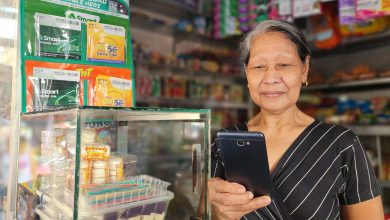
Kauyagan Savers Multi-Purpose Cooperative in Bukidnon improved access to affordable essentials through its grocery and co-op center. “There’s no big store selling goods at fair prices. Our suki card even returns points to members so benefits go straight back to the community,” explained General Manager Imelda H. Esteban.
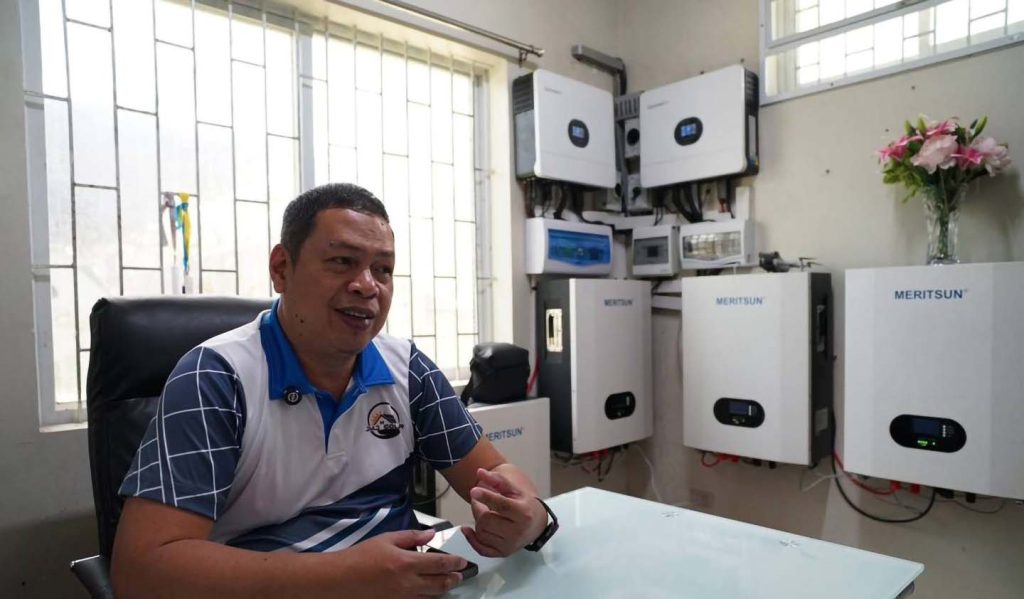
Gold Excellence Award at the 3BL SE Excellence Awards. Photo from Foundation for a Sustainable Society, Inc. (FSSI).
In Agusan del Sur, JMJ Solar Panel and Equipment Store brought clean energy to off-grid communities, enabling households and cooperatives to operate independently. “Our solar systems are easy to set up and cheaper than building a plant, providing electricity to communities that need it most,” shared Founder Jaime Avila Ill. Meanwhile in Cebu, Mandaue City Public Market Vendors Multi-Purpose Cooperative (MAVENCO) expanded livelihoods for public market vendors through financial services, training, and business support. “Our programs help members support their families and grow their businesses,” said Chief Executive Officer Jay Roble.
These innovations align with the Philippines’ Sustainable Development Goals (SDGs), the country’s 2030 roadmap for inclusive and sustainable development, demonstrating the sector’s potential to advance national progress. From creating jobs and fostering community cohesion to improving access to essentials, expanding renewable energy, and empowering entrepreneurs, social enterprises can help achieve 2030 targets like reducing unemployment (SDG 8.5), ensuring food access (SDG 2.1), providing electricity (SDG 7.1), and promoting inclusion (SDG 10.2).
3BL as a model for social impact and sustainability
What these enterprises share is an operating discipline, known as the 3BL strategy, which helps them adapt and expand using financial sustainability as a tool to strengthen community impact and long-term resilience. As FSSI Executive Director Sixto Donato C. Macasaet shares, “We look at worker treatment, farmworker protections, and how business impacts people and the environment. Through this strategy, we help enterprises strengthen weaker areas of their triple bottom line so growth is both viable and responsible.”
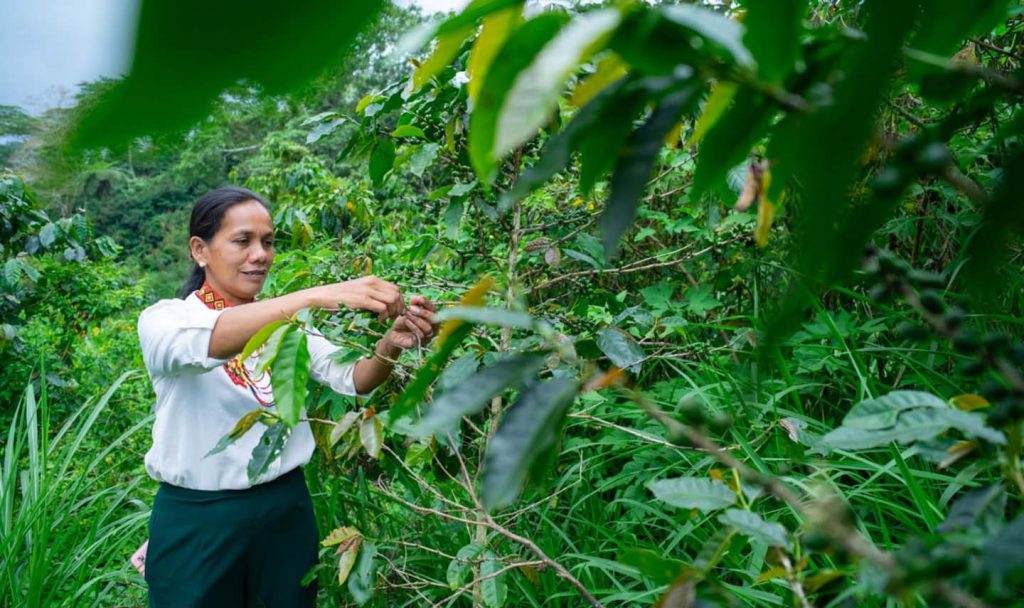
livelihoods and driving rural development. Photo from Kauyagan Savers Multi Purpose Cooperative.
For MAVENCO, the 3BL strategy became a practical way to respond to the everyday needs of its community. JMJ Solar drew on the same principles as it scaled, growing the business while keeping its operations sustainable, reliable, and accessible to off-grid areas. For Kauyagan Savers Multi-Purpose Cooperative and Kilusang Lima (5) Para sa Lahat Multipurpose Cooperative (K5 MPC), and Jaime Avila III of JMJ SOLAR. Photo from Foundation, it served as a guide for strengthening community impact, balancing income with social purpose, and building the capability to endure and grow.
In this way, 3BL transforms enterprises from standalone projects into durable, system-level contributors. FSSI also recognized and honored these enterprises as exemplary models of 3BL integration through the 3BL Social Enterprise Awards launched in 2025.
A window of opportunity for 2026 and beyond
The next few years become a pivotal opportunity to harness social enterprises in addressing gaps that traditional approaches have struggled with. Guided by its Strategic Plan 2025–2029, FSSI aims to optimize its systems, technology, and staff capabilities so it can better equip social enterprises to be active contributors to the country’s 2030 goals.
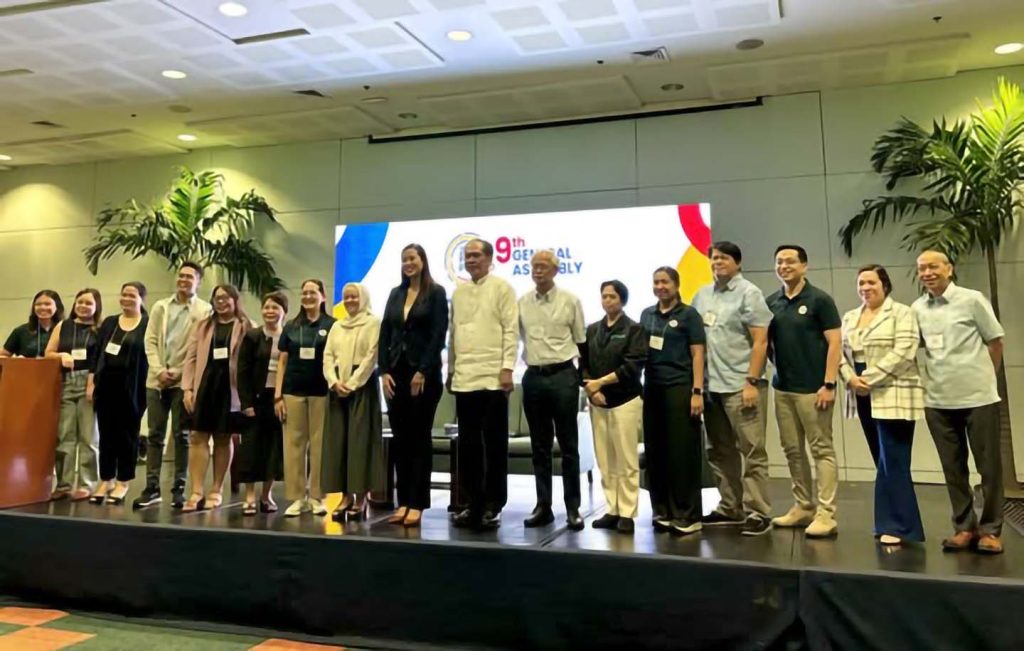
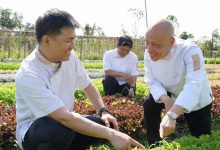
inclusive, community‑ driven solutions in the country. Photo from Foundation for a Sustainable Society, Inc. (FSSI).
The organization is also advocating for institutional support such as the Poverty Reduction through Social Enterprises (PRESENT) Bill, a Social Enterprise Registry, and other frameworks to give the sector a clear legal identity and centralized registry, enabling easier recognition, support, and integration into national development efforts. It has also collaborated with initiatives like the Zero Poverty 2030 (ZeP2030) Movement to help translate national goals into tangible actions in communities.
By 2026 and beyond, FSSI will continue to equip social enterprises with the tools, partnerships, and guidance to lead and drive a more equitable and sustainable Philippines.
To learn more about how FSSI empowers social enterprises and uplifts rural livelihoods, visit fssi.com.ph or follow their Facebook page at www.facebook.com/FSSI.Philippines