
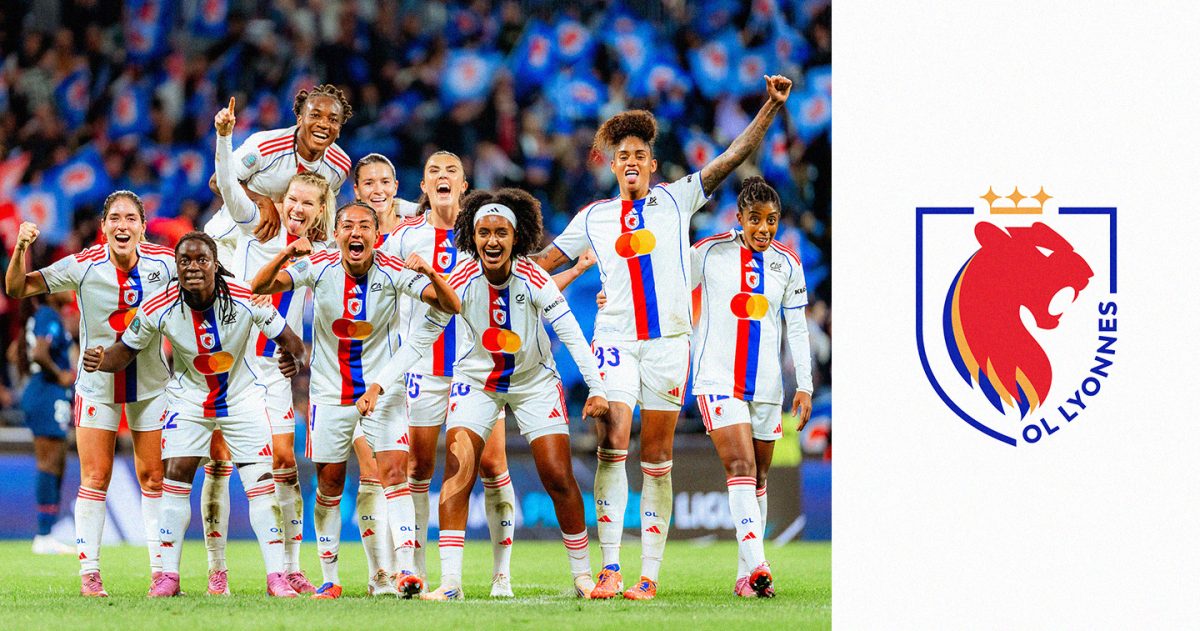
LYON, FRANCE — With an unmatched record of eight UEFA Women’s Champions League titles and 18 French national championships, Olympique Lyonnais Women’s Football Club — one of the most successful teams in the world—ushers in a new era under the ownership of Michele Kang, who took the helm in 2024.
Marking this next chapter, the club has unveiled a fresh brand identity designed by BETC Paris, reflecting its ambition to become the definitive benchmark for women’s football in Europe. Central to this evolution is a new name that encapsulates the team’s heritage and strength: OL Lyonnes.
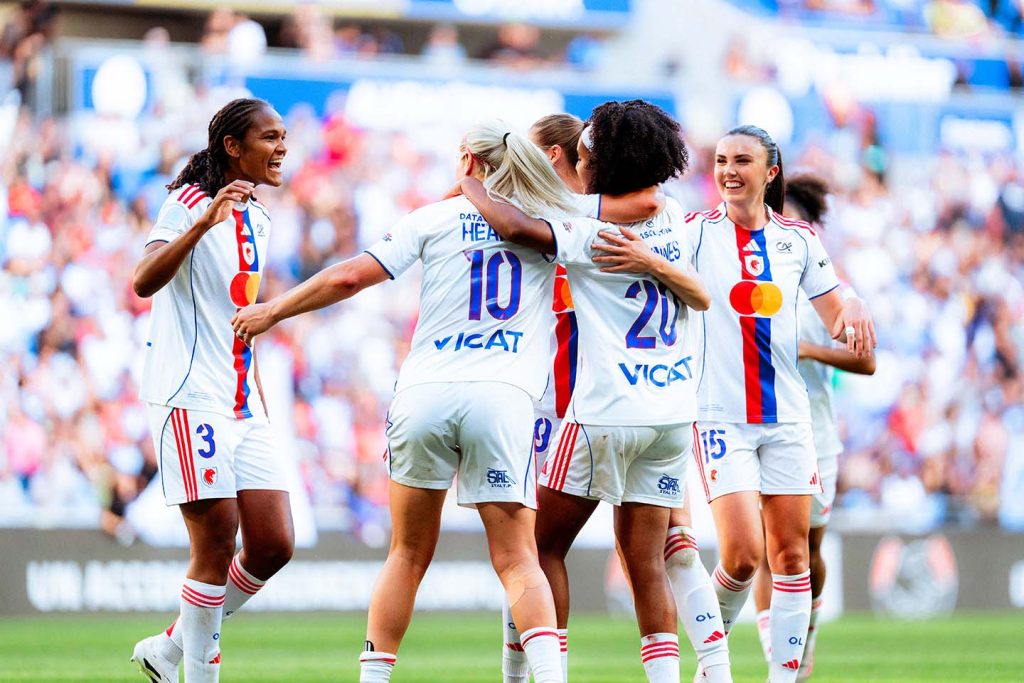
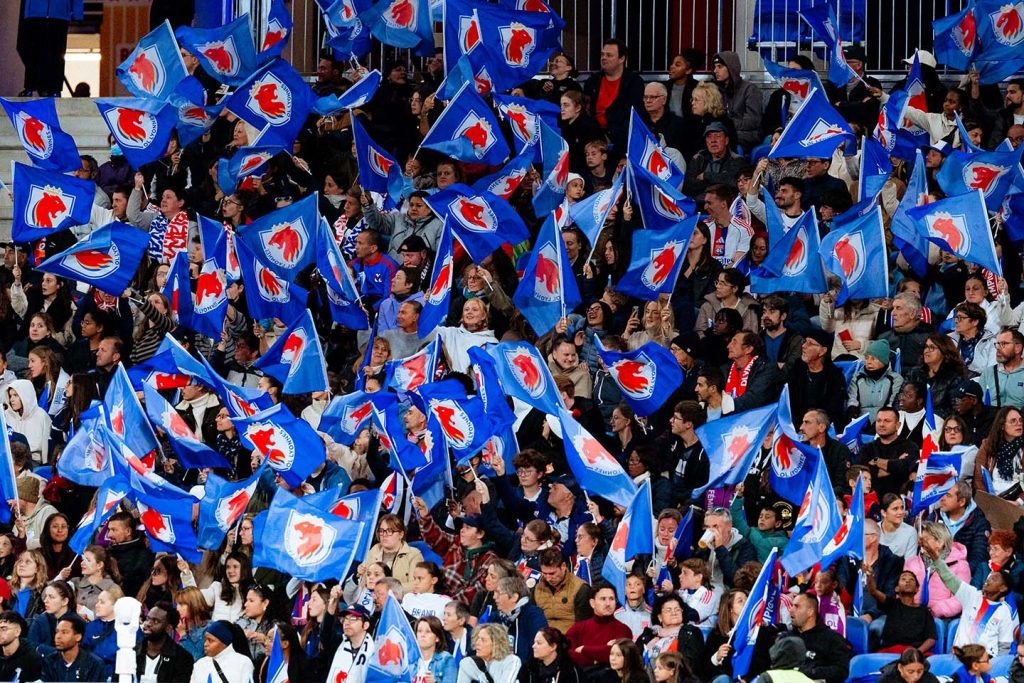
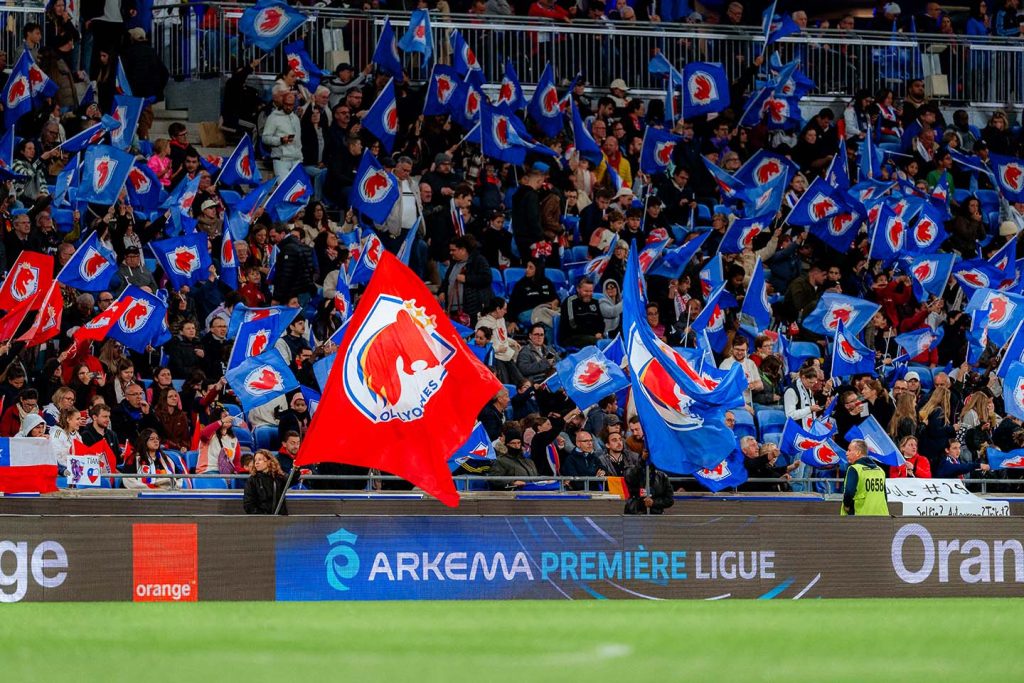
“It was exciting to create this new identity for OL Lyonnes. We were really keen to pay homage to the extraordinary talent and energy of these women while preserving the club’s identity markers,” said Bertille Toledano, President of BETC Paris. “Combining the city of origin and the team’s temperament is the miracle that takes place in the name and logo. This strong, modern, and feminine identity should attract new audiences to the club and to women’s football.”
The emblem of this transformation is the club’s redesigned crest, retaining the traditional red and blue while introducing a brighter, warmer gold inspired by the team’s many victories. The lion, a longstanding symbol of Lyon, evolves into a roaring lioness looking forward, embodying the audacity, energy, and ambition that drive the collective spirit of the team.
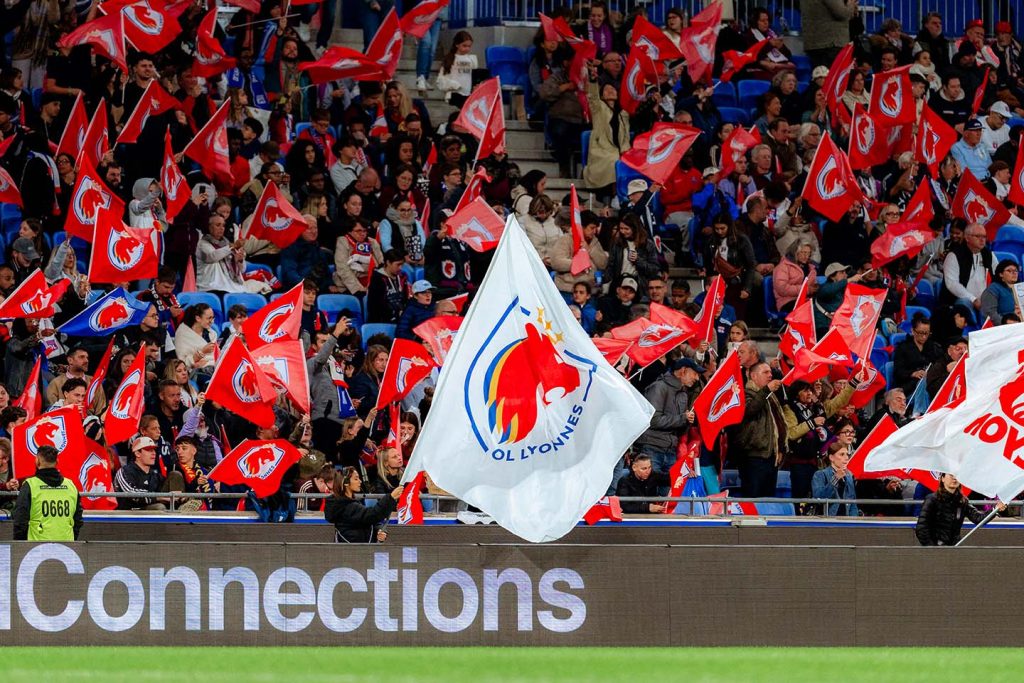
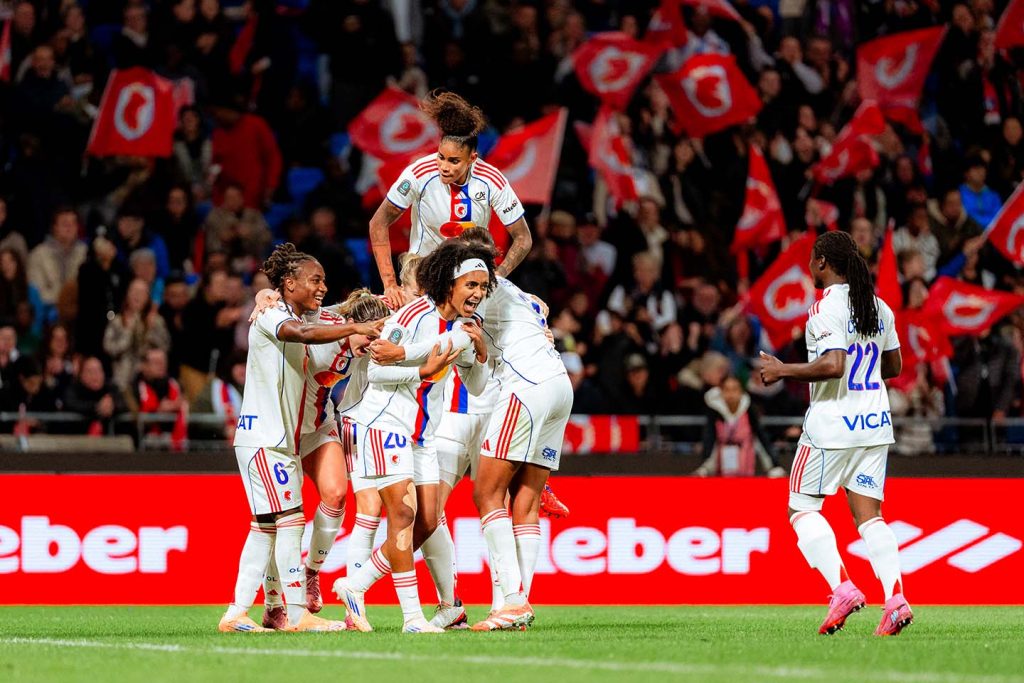
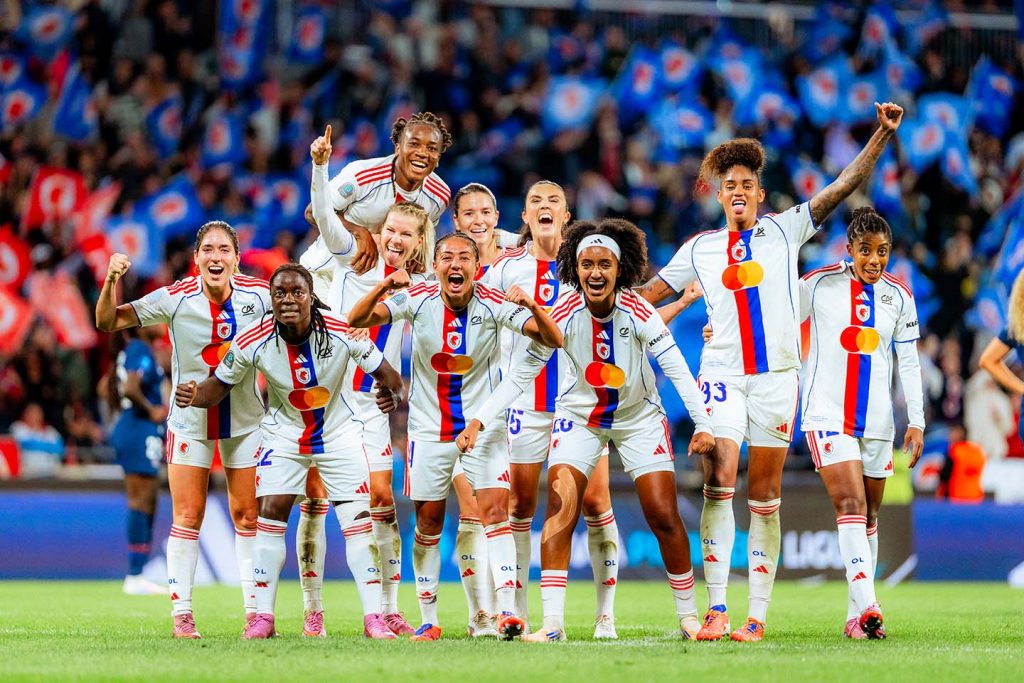
Complementing this are newly integrated visual elements: a crown, representing both historical triumphs and future aspirations, and a tricolor breastplate, symbolizing the enduring flame of football passion that unites players and supporters alike.
With this rebrand, OL Lyonnes reinforces its connection to the city and its legacy while boldly propelling women’s football into a more dynamic and inspiring future.
CREDITS
Brand: OL Lyonnes
Brand Managers: Michele Kang, Amandine Barreau, Laura Martel
Advertising Agency: BETC Paris
Agency Managers: Bertille Toledano, Catherine Emprin, Marion Gondeau, Sarah Karrer
Executive Creative Director: Jérôme Galinha
Creative Director: Maud Mulder
Art Director: Cristina Fernandez Fanega
Assistant Art Director: Mathilda Krauss
Strategic Planners: Sébastien Houdusse, Claire Bayet, Kenza Mehdi
Creative Resources Coordinator: Anaïs Grelet