

MANILA, PHILIPPINES – If 2025 was about mastering speed, scale, and AI-powered efficiency, then 2026 is shaping up to be something else entirely: a return to feeling.
According to Adobe’s 2026 Creative Trends Report, marketing in 2026 will move away from content that feels overly polished, automated, or purely digital. Instead, it will gravitate toward experiences that feel real, sensory, and emotionally resonant.
Driven by the visual and research expertise of Adobe’s content team, the report claims that audiences are craving human connection. As AI-generated and mass-produced content become more common, people are placing higher value on work that feels personal, imperfect, and intentional.
“The trends that will define marketing in 2026 come down to a common idea: people want content that feels human; content they can touch, taste, hear, and feel; content that sparks connection, encourages play, and is grounded in local culture,” the company noted in an official statement.
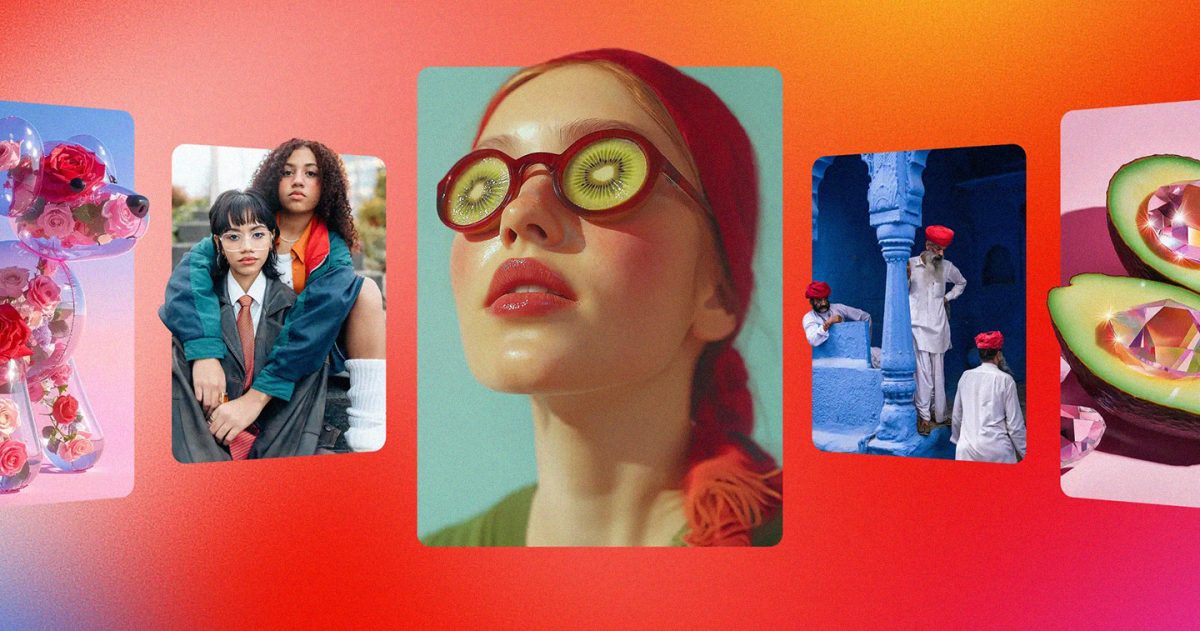
Moreover, Adobe identified four creative trends shaping marketing this year: “All the Feels,” “Connectioneering,” “Surreal Silliness,” and “Local flavor.”
All the Feels: Engage all the senses

In 2026, visuals won’t just be seen — they’ll be felt.
“All the Feels” centers on design for the senses, engaging in texture, temperature, sound, and movement. It also underscores the importance of small details that make content immersive rather than merely aesthetic.
Citing a WGSN report, Adobe said that nearly 50% of customers are more likely to buy from brands that make them feel joy. While emotion has always been part of advertising, the differentiator in 2026 is intensity; brands are intentionally amplifying whimsy, playfulness, and good vibes to cut through digital noise and fatigue.
From a practical standpoint, “All the Feels” explores how a senses-centric marketing strategy affects AI-powered creativity. When using AI tools, marketers can no longer rely on flat, visual-only prompts. Instead of simply describing how something looks, creatives need to prompt for sensory detail, including how an image might feel to the touch, what sound it implies, its temperature, movement, or texture. These subtle cues are what make content memorable, because the human brain is wired to respond to sensory information.
“Our lives are so screen focused that since the Covid shutdown, people have had an insatiable desire to have all their senses engaged,” Adobe Principal of Consumer and Creative insights Brenda Milis said.
This is especially relevant for sensory-driven industries like food and beverage, beauty, and travel, where the product experience is inherently tactile, auditory, or immersive. Think sound-led content like ASMR, hyper-textural visuals that emphasize surface, liquid, and motion, and first-person POV shots that place the viewer directly inside the experience.
Connectioneering: Bring people together

If attention is fleeting, connection needs to be instant.
“Connectioneering” is Adobe’s term for creative that engineers emotional resonance fast — content that mirrors lived experiences so precisely that audiences feel seen within seconds. It’s the visual equivalent of a knowing nod. Hence, “connectioneering” dissects why relatability and emotional connection are becoming the fastest way for creative work to succeed, especially in an attention-scarce world.
As per Adobe, 70% of consumer decisions are driven by emotion., This trend leans into shared rituals and everyday realities such as food habits, dating chaos, office humor, parental exhaustion, and nostalgia, among others. Hence, this trend is ideal for content that builds on trust and relatability around the everyday moments people instantly recognize.
Surreal Silliness: Get playful with it
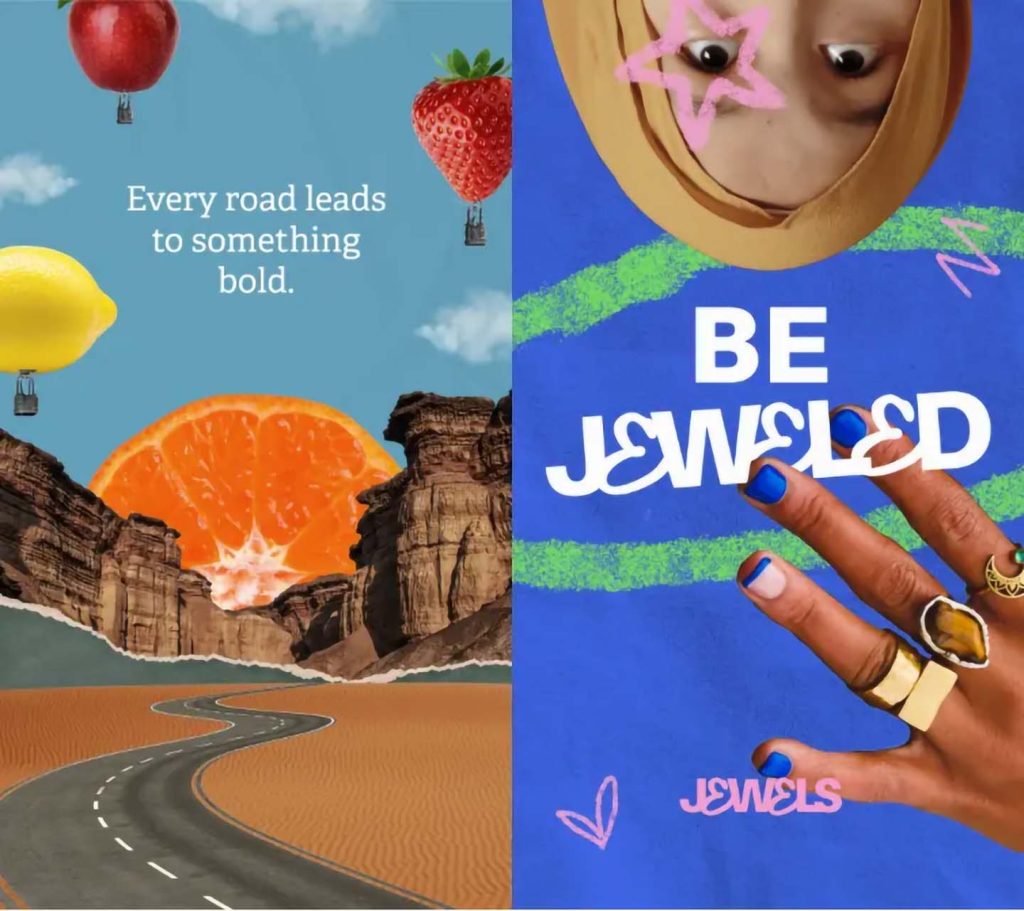
Gen Z embraces humor, absurdity, and surreal content as a reflection of how strange and unpredictable the world feels. They are drawn to creative work that leans into chaos and turns it into entertainment, and veer away from polished, overly serious messaging.
Advances in AI tools make this kind of “unhinged” creativity easier, enabling visuals and ideas that break logic and reality — fueling a maximalist, remix-driven culture that feels playful and authentic. However, the text also cautions that this approach isn’t right for every brand. This approach can strongly resonate with Gen Z, capture attention, and deliver significant cultural and marketing impact, especially when used in “lighthearted” campaigns like Nutter Butter’s bizarre, and nonsensical TikTok campaigns.
“These are strange times, and if you can pivot and present strangeness in a humorous way, it’s outrageously engaging and entertaining,” Brenda noted.
Local Flavor: Serve up cultural authenticity

Amid digital overload, misinformation, and constant online fatigue, Gen Z is increasingly drawn to content and brands that feel authentic, tangible, and rooted in real communities. Rather than chasing a generic global message, brands are encouraged to adopt a “global reach, local voice” approach by embedding themselves in the cultures they want to connect with. This can be achieved by working with local creators, highlighting regional craftsmanship, and telling community-specific stories, among others.
“When people see themselves or their communities represented, it humanizes your business,” Brenda said.
While local businesses naturally excel at this, even global brands can succeed by designing with cultural nuance instead of flattening identities for mass appeal. When people see their own lives and communities reflected, brands feel more human and trustworthy, and this often results in resonance that extends beyond the original market.
As AI and immersive tech become more sophisticated, audiences, in contrast, are moving toward the tactile, the emotional, and the human. Hence, whether you’re a social media manager, entrepreneur, or marketing leader, Adobe’s 2026 Creative Trends offer a clear directive: don’t just optimize content, humanize it — make it sensory, relatable, playful, and culturally grounded.