


Malaysia has a creative advantage that is difficult to fabricate: a culture shaped by the exchange of different languages, traditions, humor, and perspectives.
Its creative landscape draws from Malay, Chinese, Indian, and other cultural influences, producing a sensibility distinctly its own even as the industry continues to explore how to best express it.
For Didi Pirinyuang, Chief Creative Officer of WPP Creative Malaysia, this diversity is both the country’s creative strength and an invitation to push its storytelling further. After spending two decades in advertising and working with major brands including Coca-Cola, KitKat, and KFC, she has seen how Malaysia’s cultural identity finds expression in its advertising, particularly through its many festive occasions.
“When people think of Malaysian creativity, I think they tend to see us or our work framed in our festive seasons,” she said.
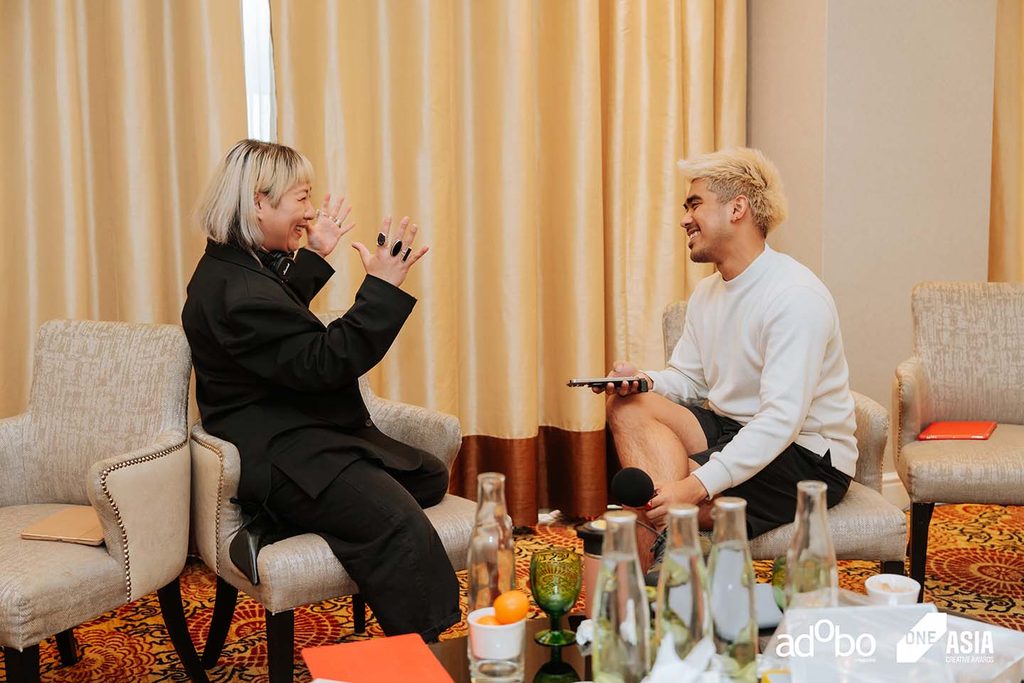
With Chinese New Year, Ramadan, Hari Raya, Diwali, Christmas, and national celebrations shaping the marketing calendar, Didi likens the country’s festive opportunities to having “at least seven Super Bowls in a year.” It is a remarkable creative environment, offering brands and agencies recurring opportunities to engage with deeply rooted cultural traditions.
Yet she sees even greater possibilities beyond these occasions. Malaysian creativity, she believes, has room to explore more of the country’s stories and develop a creative voice that international audiences can recognize.
Wei Wen Kong, Creative Director of independent agency Muma Malaysia, approaches that ambition from a different perspective. Having worked with global brands including Guinness, Visa, HSBC, Nestlé and UNIQLO—and helped Muma earn recognition among APAC’s leading independent agencies—he sees Malaysia’s cultural multiplicity as the foundation of its creative identity.
“It’s not that we have a single identity, but we have a mix of identities, and I guess that is the identity of Malaysian,” he said.

For Wei Wen, the opportunity lies in recognizing the creative possibilities already present in the country’s cultural landscape. “Instead of looking out, we should actually look in,” he says. He believes Malaysian creatives have an abundance of stories, traditions, and cultural references from which to develop work that is unmistakably their own.
His involvement in the ONE Asia Creative Awards’ “Taste Matters” campaign brought this brand of thinking into the creative process. Developed around the growing conversation on artificial intelligence, the campaign celebrated human judgment that gives creative work character. Its execution deliberately returned to handmade craft, with the team choosing to keep AI and technology largely out of the production.
“We wanted to celebrate what makes creativity still important in this day and age, which is actually taste,” Wei Wen explained. “Taste is something very human that no AI or technology would be able to replace.”
The decision wasn’t an expression of resistance to technology, but a creative statement about the value of human intention, skill, and judgment. In a market increasingly shaped by technological possibilities, the campaign placed the human hand at the centre of the conversation.
Maurice Noone, Co-founder of Directors Think Tank Malaysia, believes Malaysia’s robust culture has cultivated an instinct for people to find common ground. From a production perspective, he describes the Malaysian creative spirit through the expression “Malaysia Boleh,” or Malaysia can do, reflecting a willingness to push boundaries while staying aware of the country’s many cultural sensibilities.
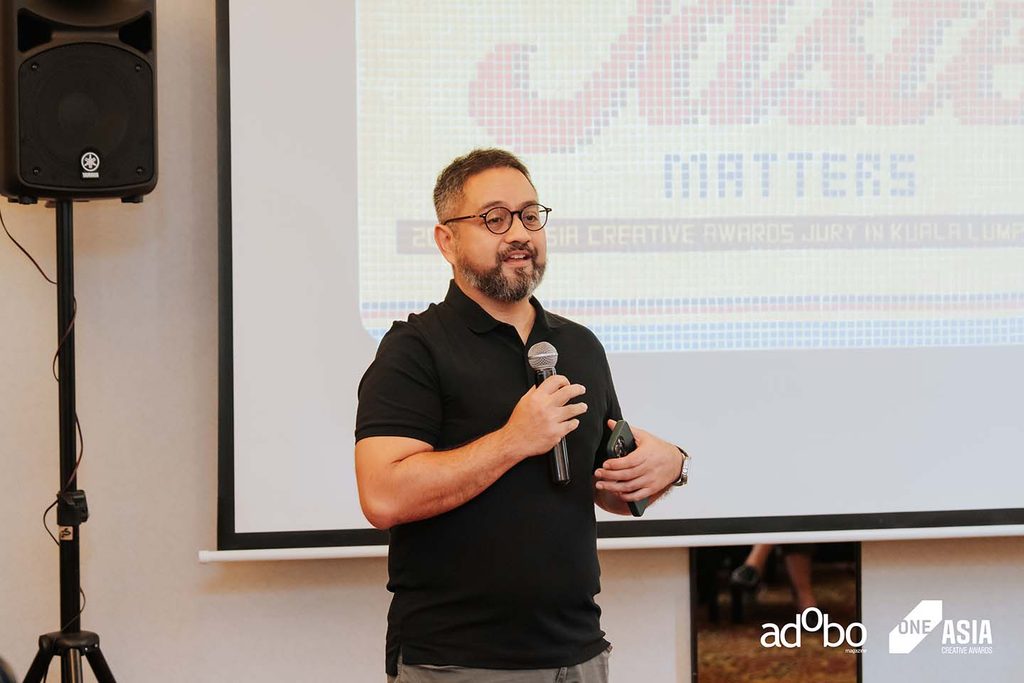
“I think one thing that we’re good at, as in Malaysians generally good at, is about bringing things and bringing people together,” he said.
That instinct, Maurice believes, has found its way into the country’s storytelling. Growing up and working alongside people with different backgrounds, beliefs, and perspectives gives Malaysian creatives natural exposure to different ways of seeing the world.
“The best stories are the ones where you can actually see the other side despite your differences,” he added.
This ability to understand different audiences is especially relevant to brands operating in Malaysia. Diana Boo, Chief Marketing Officer of Boost, the regional fintech arm of Axiata, brings more than 25 years of Southeast Asian marketing experience, including senior roles at Lazada Malaysia and leadership across advertising, digital media, and brand strategy.
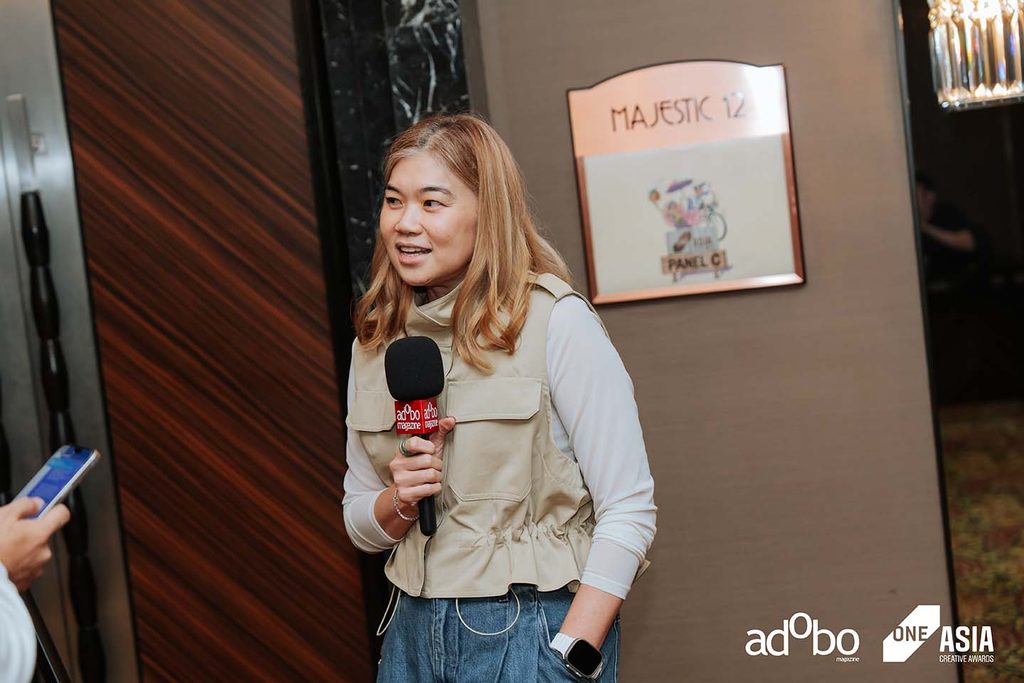
She says the Malaysian audience gravitates toward entertainment and humor. “Typically Malaysians like to be light-hearted. They enjoy a good laugh. So, if your content is entertaining, they would love it.”
But humor is only part of the equation. Malaysia’s linguistic diversity also demands a more considered approach to communication. As Diana explains, marketers must account for the different languages their audiences use, including English, Malay, and Chinese, to ensure their messages are understood.
For marketers responsible for connecting with both consumers and merchants across a regional fintech business, this cultural awareness has practical consequences. It influences how brands develop their voice, choose their messaging, and build relationships with different communities.
Bringing these perspectives into a wider regional conversation was also central to the ONE Asia Creative Awards’ presence in Malaysia. For Pat Singh, founder of Directors Think Tank Malaysia and one of the event’s principal supporters, hosting the jury deliberations gave the country’s creative community greater visibility.
“For us, it’s more about championing the creativity in Malaysia, showing other people what we can offer,” he said.
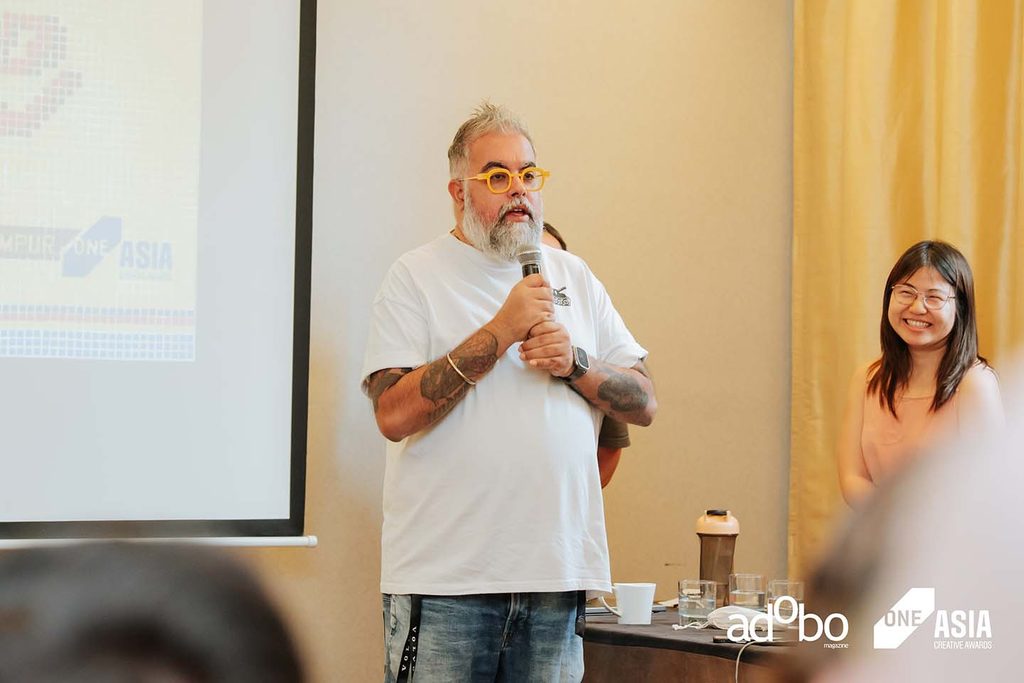
Maurice sees the value extending beyond recognition. The gathering of creative leaders creates opportunities for people from different markets to exchange ideas, build relationships, and discover potential collaborators. As he puts it, “a lot of creativity is about partnerships,” and those partnerships often begin with informal conversations and the trust that develops between people.
Diana also sees value in seeing work from across Asia as it offered a window to different creative approaches and ideas that she wanted to bring back to her team. Some entries even left her thinking, “I wish I did that.”
For Didi, the awards also provided an important regional benchmark. With Malaysia’s Kancil Awards approaching, she sees the opportunity to evaluate local work against recognized standards across Asia.
“I think it’s almost a true test,” she said. “This is the benchmark of work that’s out there right now. That’s being awarded, being appreciated.”
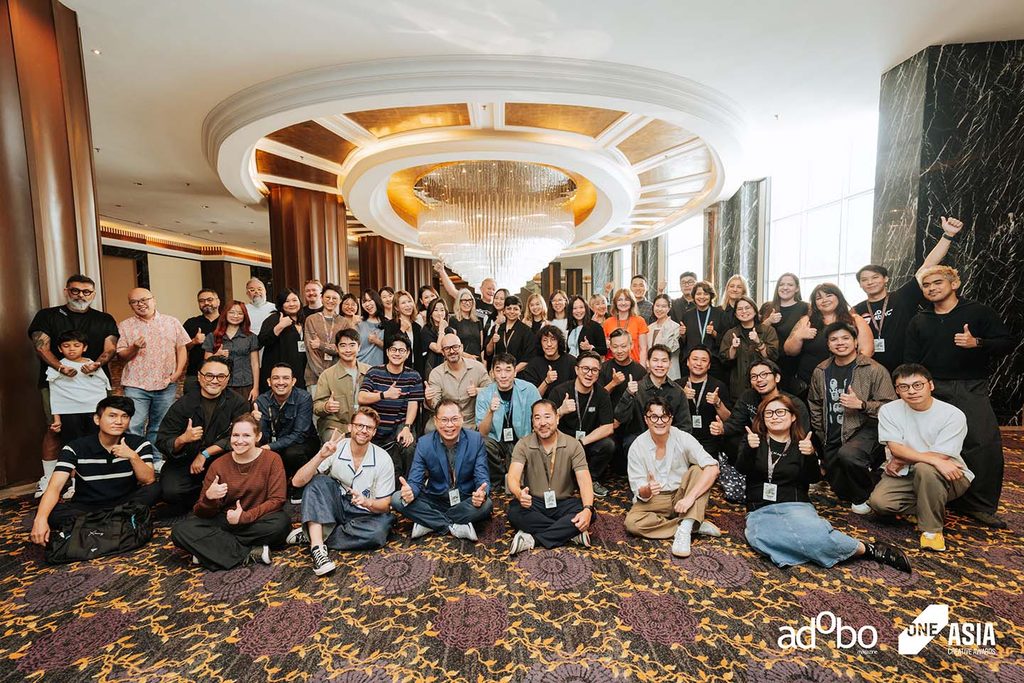
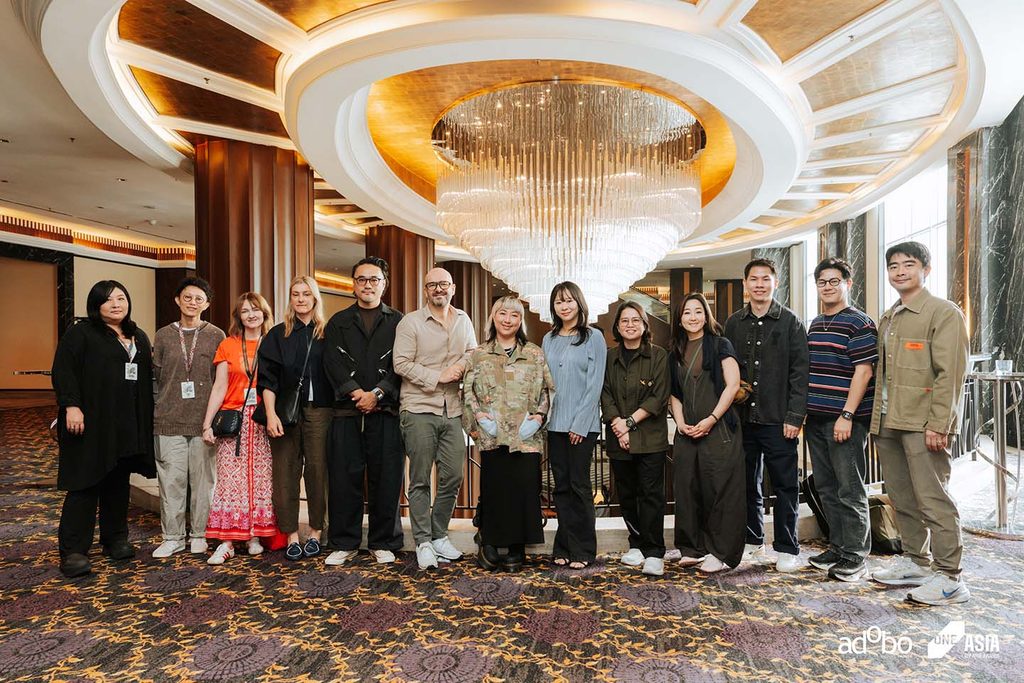
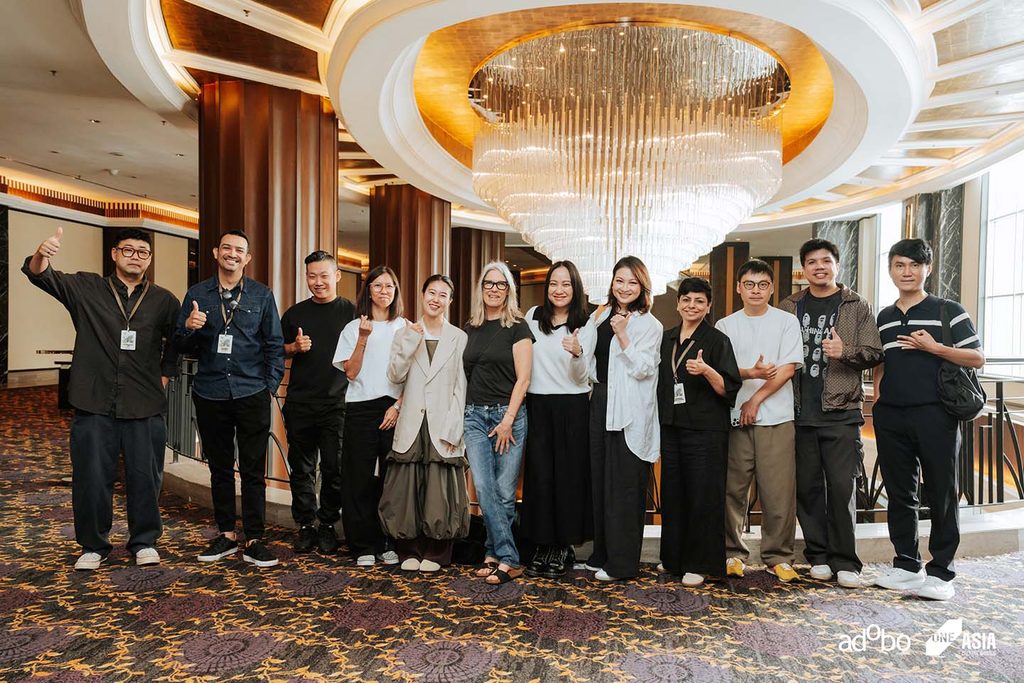
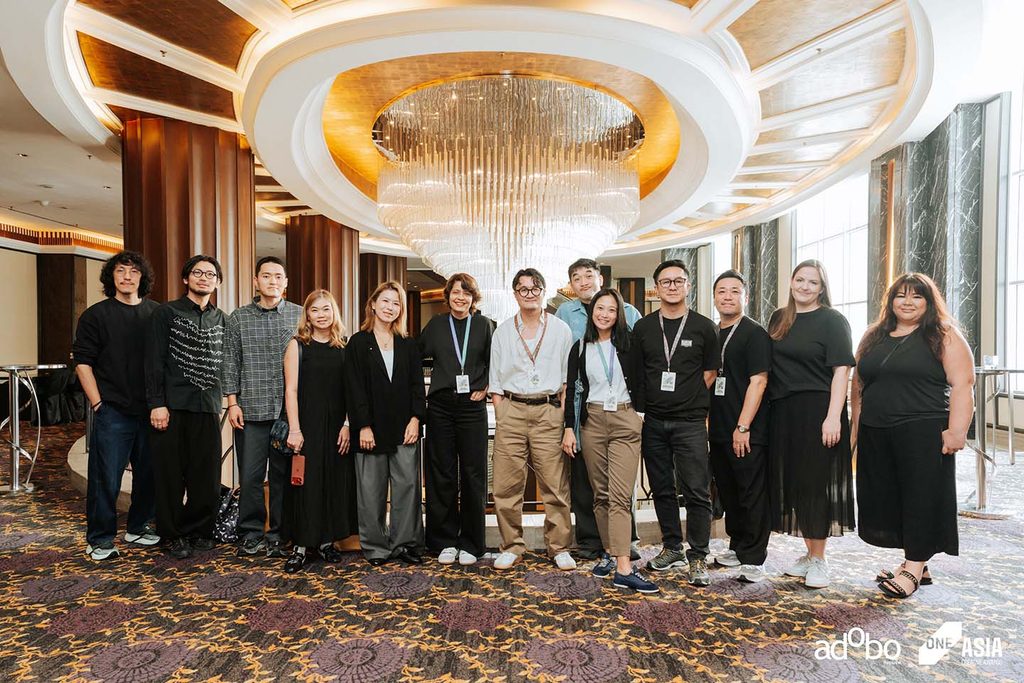
The 2026 ONE Asia Creative Awards Jury, The One Club for Creativity, and Media Partners
Taken together, these perspectives reveal a creative community with considerable cultural material, an appetite for exchange and an ambition to make its work more visible. The opportunity ahead lies in continuing to explore the stories that emerge from Malaysia’s particular social fabric, while giving its creatives the confidence to interpret them in ways that travel.
The country does not need to simplify its identity to make it recognizable. Its many voices, and the relationships between them, may well be the signature the world has yet to fully discover.
adobo Magazine is an official media partner of the 2026 ONE Asia Creative Awards.