
Creativity is no longer just about ideas or campaigns. It lives in culture, including how people connect, express themselves, and shape meaning in real time. And today, that culture is not something brands can observe from the outside. It is where growth begins.
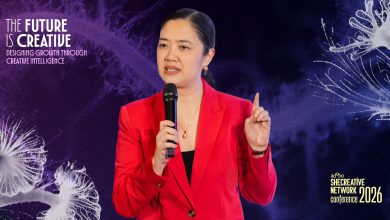
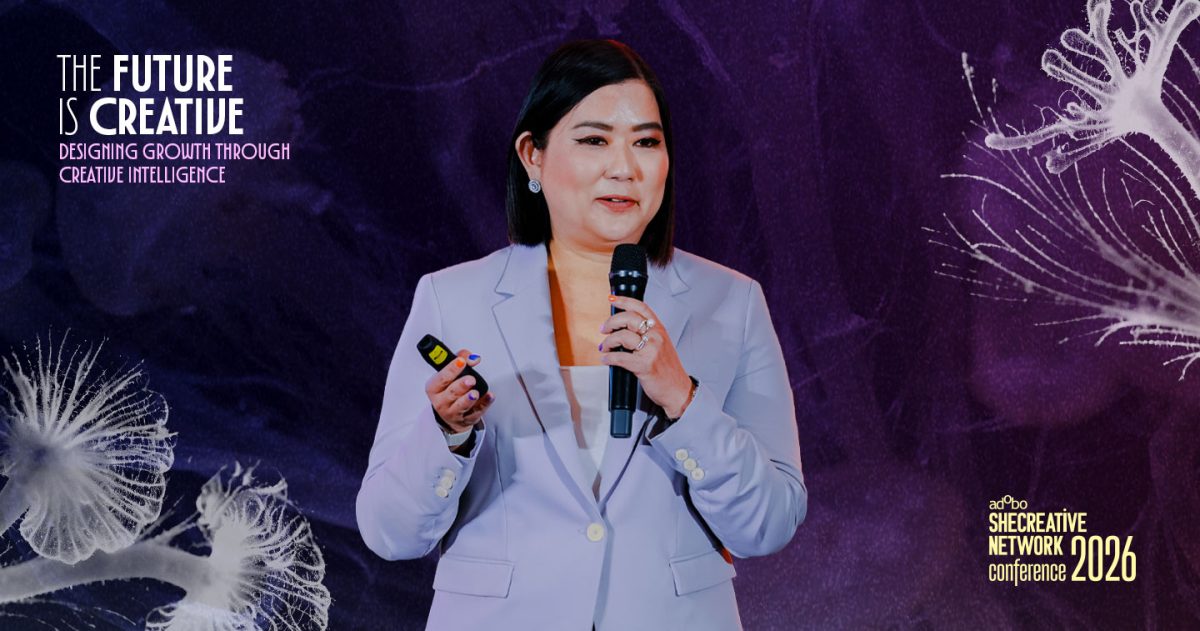
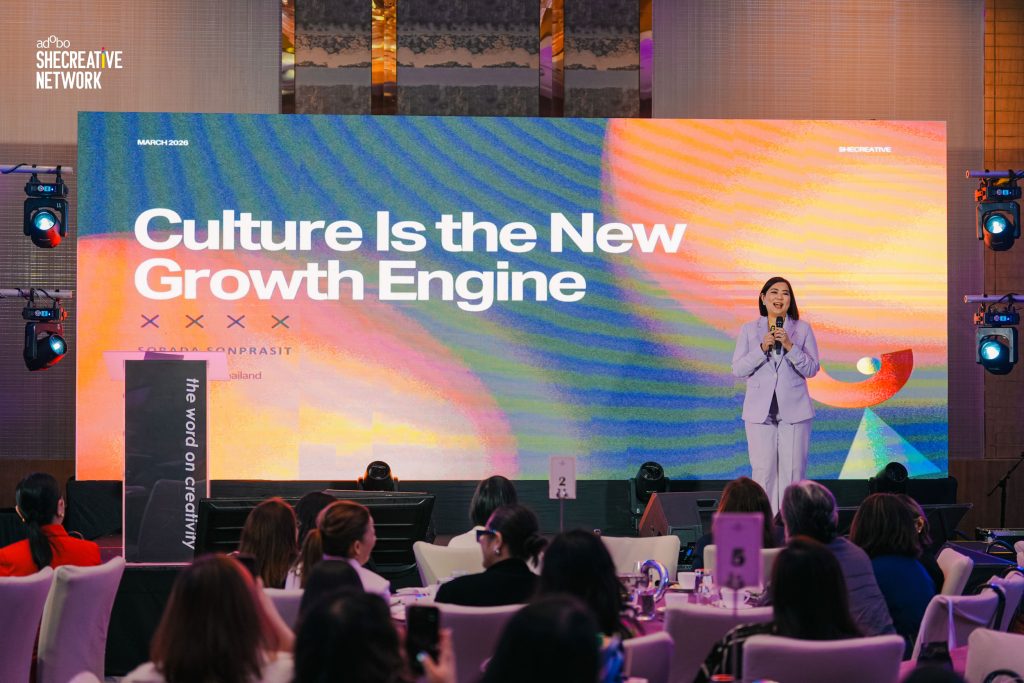
This was the perspective shared by Publicis Groupe Thailand Chief Executive Officer (CEO) Sorada Sonprasit at the adobo SheCreative Network Conference 2026, held at Shangri-La The Fort in Taguig City on Tuesday, March 24.
Drawing on years of leading one of the region’s most culturally attuned agencies, she reframed creativity as a working tool — one that informs strategy, guides execution, and ultimately drives business impact.
“What used to work in the past doesn’t always work anymore. Culture is the new engine,” she said.
For Sorada, culture today is shaped largely by social media not just as a platform for content, but as a space where people actively construct identity and opinion.
“[Social media] is where people express themselves, it’s where they form their opinions, and where they decide what they like, what they don’t like,” she explained, adding that in social media, relevance is no longer dictated by brands. Still, among communities, and without cultural understanding, connection becomes impossible.
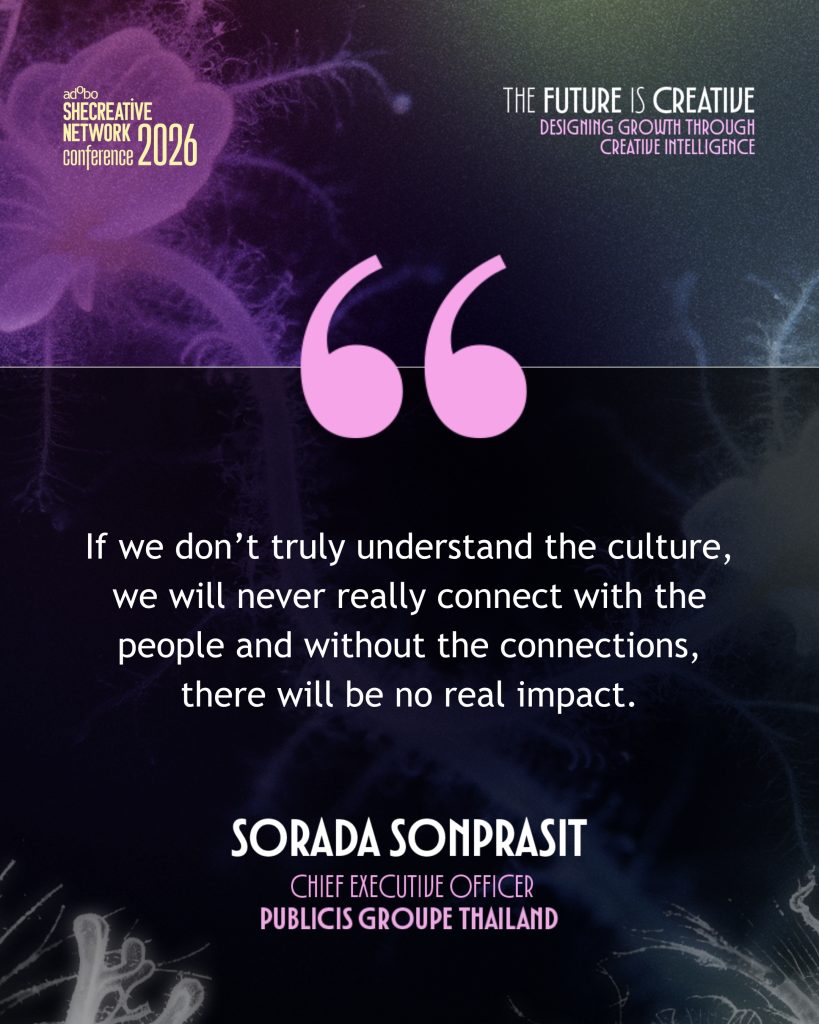
“If we don’t truly understand the culture, we will never really connect with the people, and without the connections, there will be no real impact.”
From segments to communities
This shift has redefined how audiences must be understood. Traditional segmentation models, which were once the backbone of marketing, no longer reflect how people behave.
“In the past, we used to define our audiences by segment, by age and gender, but today, it is no longer enough,” Sorada said. “People don’t behave like segments anymore. They behave like communities.”
These communities are formed through shared interests, values, and cultural signals. They are fluid, participatory, and constantly evolving. Hence, for brands, this changes everything.
“Today it’s not about targeting segments, but it’s about how we understand the consumers, the community,” she noted.
“People don’t connect with brands based on demographic. They connect through community,” she added, pointing out that brands that successfully tap into cultural dynamics are the ones that build stronger relationships and sustain growth.
Sorada went on to offer ideas on how culture can be a growth strategy. For her, the role of culture goes far beyond inspiration. It is not just something that informs creative work, but it can also drive business outcomes.
“Are we just placing the advertiser into the culture, or are we building the brand with the culture?” she asked, drawing a clear distinction between surface-level participation and genuine integration. The difference, she argued, determines whether a brand remains visible or becomes meaningful.
“This is not just a creative idea, but it’s a growth strategy,” she said, citing how brands grounded in cultural insight achieve stronger engagement and faster growth.
“The old playbook is no longer enough. We have to find new ways of how we reach the consumers, how we engage them, how we speak in the same language.”
Culture in context
Using Thailand as an example, Sorada illustrated how cultural nuance shapes brand behavior. She noted that communities are central to decision-making, especially in a market where collectivism plays a strong role.
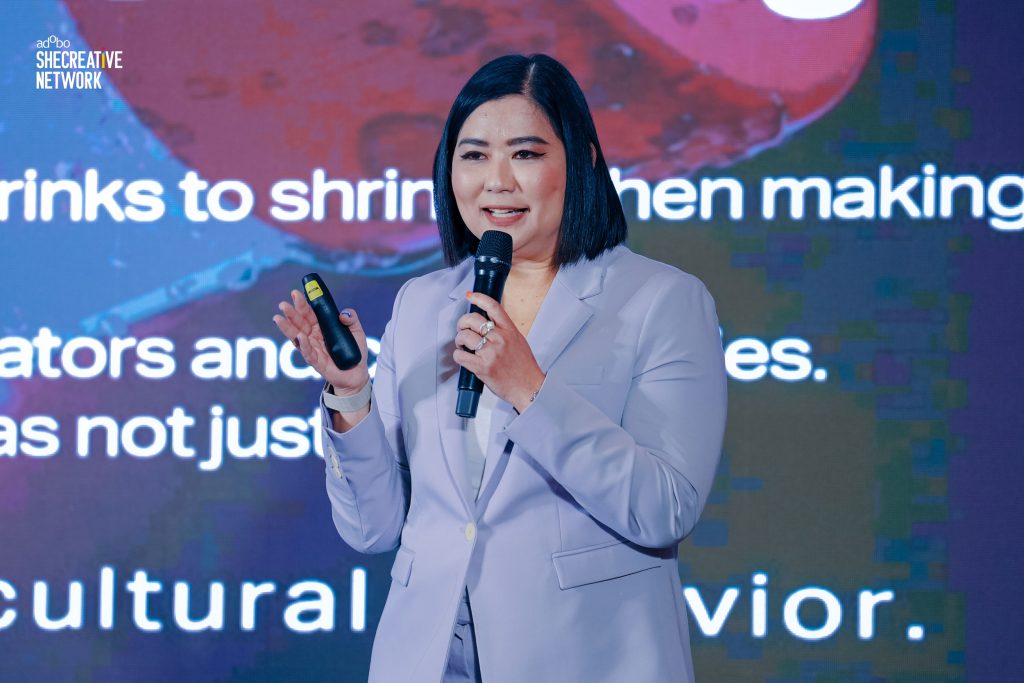
“People love word of mouth. They trust the communities.”
At the same time, culture is driven by emotional and experiential values. She pointed to sanuk, the Thai concept of fun, as a key insight.
“Sanuk means fun, so we entertain them with purpose,” she explained, emphasizing that engagement must go beyond utility to deliver enjoyment and meaning.
Furthermore, Sorada implied that the brands that succeed are those that participate in culture as it unfolds. Whether responding to consumer complaints, embedding themselves in local rituals, or embracing unexpected moments, the most effective campaigns didn’t attempt to control the narrative; they adapted to it.
How to turn culture into brand growth
Throughout her discussion, Sorada also outlined a five-step framework for turning culture into growth.
According to her, it begins with research or going beyond surface-level data to understand what people truly care about and talk about. Next is resonance, in which people are creating content that feels native to the culture. Then comes reach, ensuring ideas show up on the right platforms and formats, followed by reaction, where brands stay actively engaged in conversations and feedback loops.
“When everything connects right, people don’t just engage, they buy, they choose, and the business grows,” she said.
Ultimately, Sorada reframed the future of creativity, not as a pursuit of better ideas alone, but as a deeper commitment to cultural understanding.
“The future of creativity is not just about better ideas, it’s about better culture and cultural understanding,” she said.
“For all of us, the role is not just to create ads, but to understand people and be part of the culture and turn that into real impact,” Sorada concluded.
READ MORE: