
Some differences are easy to see. Others remain hidden behind smiles, deadlines, and quiet resilience.
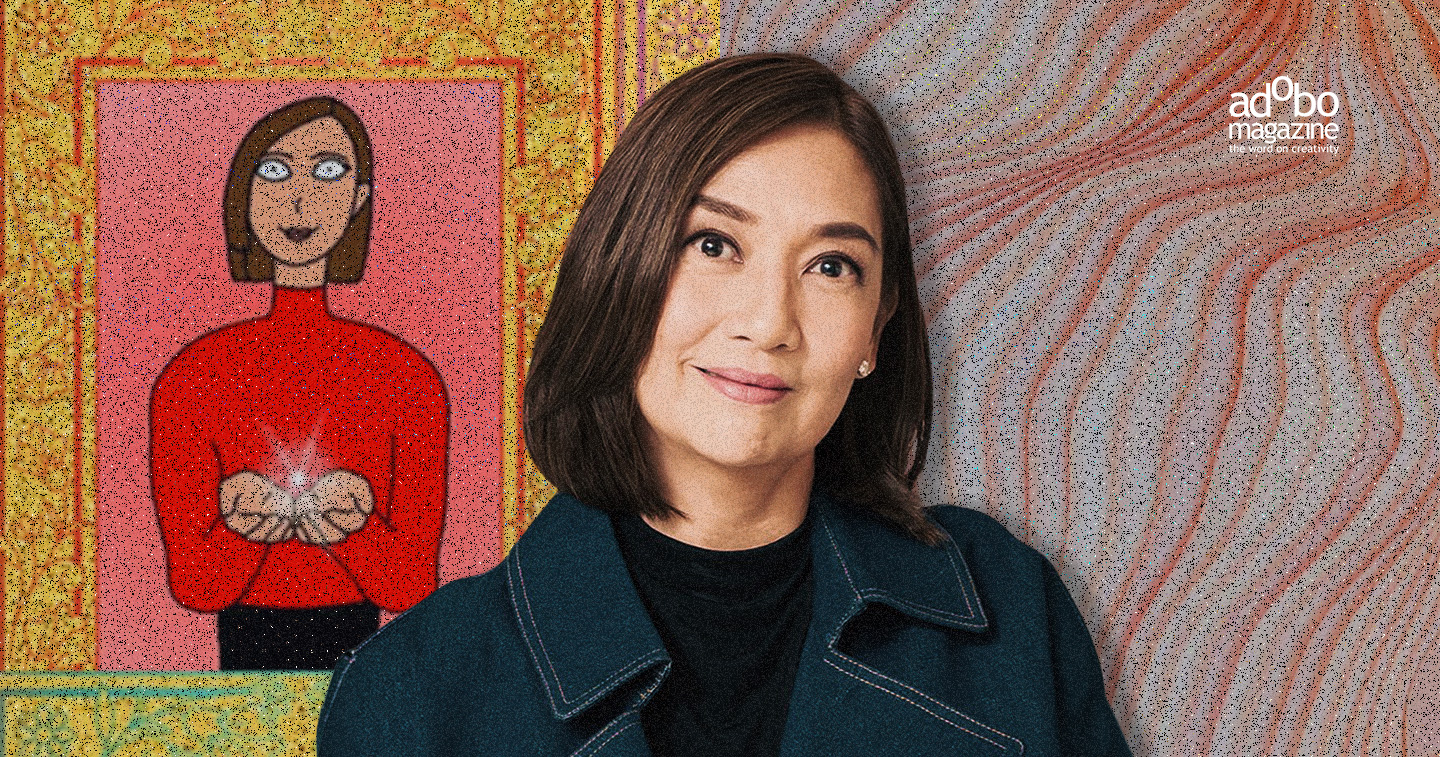
Chairmom, Chief Creative Officer, and Founder of JAYME HQ and The Misfits Camp Merlee Jayme has spent more than three decades in the creative industry championing ideas, talent, and the power of difference. Known for her advocacy for inclusivity and for creating spaces where unconventional thinkers can thrive, Merlee has long believed that creativity flourishes when diverse minds are allowed to be fully seen and heard. Through her work, she continues to challenge traditional industry norms, amplifying voices that have often existed on the margins of the creative conversation.
For instance, in her piece titled, “Give to Gain: The Double Invisibility of Neurodivergent Women,” Merlee turns her attention to what she calls the “double invisibility” experienced by many neurodivergent women in the workplace.
Drawing from years of observation, mentorship, and collaboration, she explores how women with ADHD, autism, and other invisible disabilities often navigate their careers through masking, resilience, and quiet perseverance. Her piece is both a recognition of their hidden struggles and a call to the industry to create environments where their differences are not concealed but embraced as sources of creative strength.
Read “Give to Gain: The Double Invisibility of Neurodivergent Women” below and discover why giving women the chance to show their true selves can transform the industry for everyone.
In my 35 years in the creative industry, I have worked with many remarkable women who struggled quietly with mental health challenges, mild autism, and most often ADHD. This was long before diagnosis was widely discussed. Back then, we didn’t have the vocabulary for it. We simply called people eccentric, intense, difficult, brilliant, or unpredictable.
Looking back now, I see it differently.
Many of these women were exceptional at masking. They met deadlines while drowning internally. They smiled in meetings while battling overwhelm. They overdelivered to compensate for the chaos in their heads.
Some pushed through and became successful, but their success often came at the cost of exhaustion and struggles no one saw. Others slowly faded away. Not because they lacked talent, but because the industry was not designed to recognize how their brains worked.
They were creative. They were capable. They were different. And different, without support, can be isolating.
At the time, few people were even aware of neurodivergence. Autism, ADHD, and similar conditions are invisible disabilities. You cannot see them. There is no cast, no crutch, no outward sign that someone is navigating the world differently. And yet the challenges are very real.
In our country, I have seen what happens when someone presents a PWD card for an invisible disability. They are questioned, doubted, sometimes judged. As if invisibility means invalid. As if struggle must be visible to count.
Now imagine being a woman with autism or ADHD. The invisibility becomes layered.
Because on top of being neurologically different, many women work very hard to hide it.
They mask.
They rehearse conversations.
They study social cues.
They force eye contact.
They soften their tone.
They suppress behaviors that might make them stand out.
They become excellent at blending in.
From the outside they look fine. Capable. Even socially skilled. Inside, they are calculating every move.
Women are judged heavily on likability and social ease. A socially awkward boy may be seen as quirky. A socially awkward girl risks being labeled difficult. So many women learn early that being fully themselves has consequences. Masking becomes protection.
But protection has a price.
Carla Nobleza, one of our brilliant writers who was diagnosed with ADHD, once shared a perspective that stayed with me. She said that when you read research about neurodivergent women, it can sound harsh. Women are diagnosed later, misdiagnosed more often, and frequently told their struggles are just stress or oversensitivity. But when you look beyond the statistics and see the actual lives behind those numbers, the picture becomes far more human and hopeful.
The same traits that create difficulties can sit right beside something beautiful. Deep focus can turn into hours of writing, drawing, coding, or researching. Sensitivity to sound, color, or atmosphere can translate into a strong sense of aesthetics. The brain that struggles with small talk can sometimes be the one that, at two in the morning, finally says the honest thing everyone else has been circling around.
But masking can bury much of this. When most of your energy goes into pretending to be like everyone else, there is not much left for the good kind of weirdness. Give a neurodivergent woman a bit of room, clearer communication, less noise, and a few people who understand her way of thinking, and suddenly that same intensity becomes a strength.
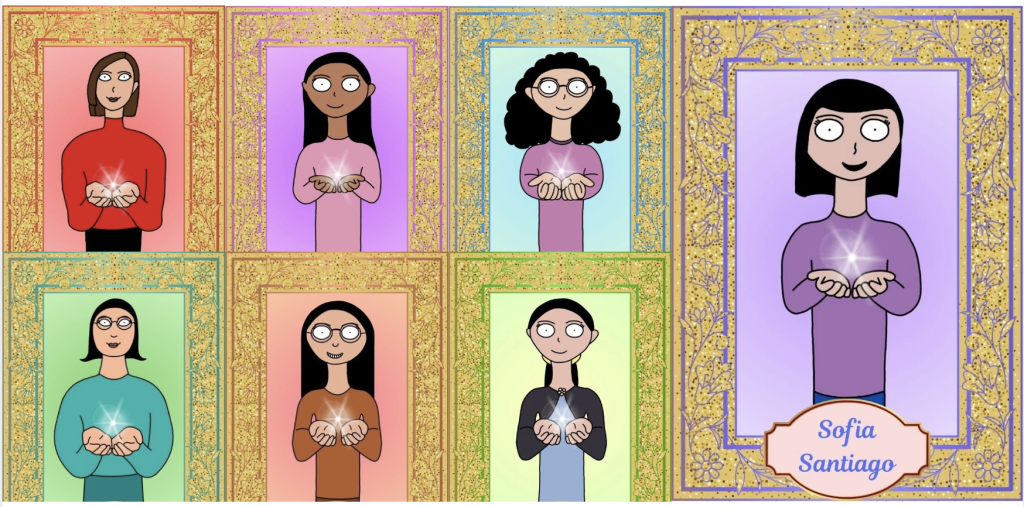
This is something I see clearly today at The Misfits Camp.
Many of the neurodivergent men are quite open about their diagnosis. It’s straightforward. This is how my brain works. Take it or leave it.
The women are often more cautious.
They have spent years learning how to blend in.
I think of Cesca Atienza, our first hire at Jayme HQ, as a graphic designer. For years, even after being diagnosed with Asperger’s syndrome, she did not want to talk about it publicly. Her parents could not ask her to admit or accept it openly. It was something she carried quietly. She masked, as many women do.
Then we had the opportunity for her to speak at SPIKES, the Festival of Creativity in Singapore. We worked on her speech together, line by line, story by story. To talk honestly about her journey meant touching on her diagnosis.
Before including it, I asked her these simple questions. “Are you ready? Are you comfortable?” It took time. Revealing it meant stepping out from behind years of careful camouflage. But she did.
On that stage, she spoke about being different, about navigating an industry built around social fluency and quick networking, about thinking deeply and differently.
She did not ask for sympathy. She simply asked for a chance. She told the creative industry that she was just as talented, just wired differently.
There were tears in the room. Not because she was fragile, but because she was brave. That was her “Give to Gain” moment. She gave her truth, and in return, she gained something powerful: respect, admiration, visibility, and ownership of her story.
Many women with autism or ADHD are diagnosed later in life because they appear to be coping. They perform so well that no one sees the cost. But chronic masking often leads to burnout, anxiety, depression, and a quiet identity crisis.
If you spend decades adjusting yourself for everyone else, you begin to lose track of who you are without the adjustment. That is the double invisibility — Invisible disability. Invisible exhaustion. Invisible brilliance. Yet when the mask begins to fall away, something remarkable happens. I have witnessed this in our sessions. Their creativity expands. Their ideas become bolder. Their voices grow steadier.
Neurodivergent minds often excel at pattern recognition, systems thinking, deep focus, and unexpected connections. They see things others miss. But you cannot access that full creative force if most of your energy is spent trying to appear normal.
The world says it wants originality. Originality requires difference.
After three and a half decades in this industry, I have become convinced of one thing. If there is one industry where neurodivergent minds truly belong, it is the creative industry.
Pattern breakers. Rule questioners. Hyper-focused thinkers. Deep feelers. System disruptors.
That is what creativity requires—being different is not a liability here. It is an asset.
But only if someone gives them a chance. So this International Women’s Month, I am not asking for sympathy for women with invisible disabilities. I am asking for an opportunity.
Give them room.
Give them mentorship.
Give them trust.
Give them a chance.
You might discover that the ones who masked the most were the ones capable of changing the game. And when they give their unfiltered talent to this industry, we all gain.
READ MORE:
Filipina trailblazer Merlee Jayme hailed as Lotus Legend on ADFEST 2025