
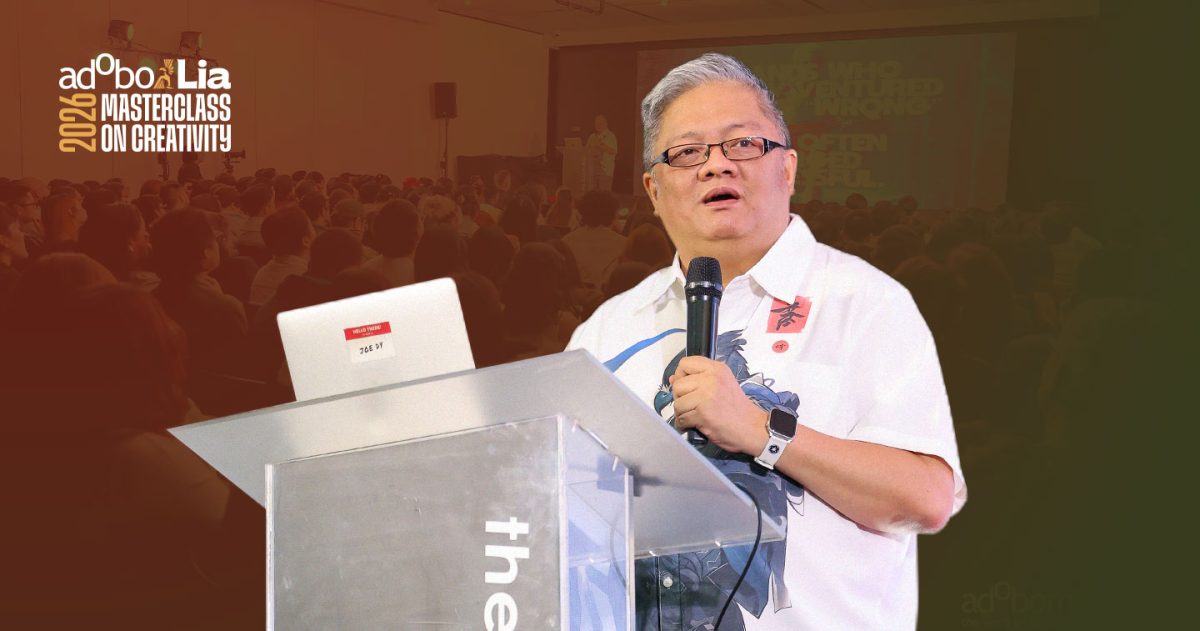
In a world that rewards perfection, VML Manila Chief Creative Officer Joe Dy made a case for something far less comfortable: being wrong.
At the adobo LIA 2026 Masterclass on Creativity held at the Ayala Museum on Tuesday, March 17, Joe unpacked a provocation titled “When Wrong Makes Right.” He challenged the industry’s instinct to play it safe during an era that punishes invisibility more than imperfection. For Joe, the tension at the heart of creativity is simple and deeply human.
“What are you most afraid of, especially when it comes to the job? The answer is wrong,” he said. “We’re almost always afraid of being wrong, of failing, of making mistakes.”
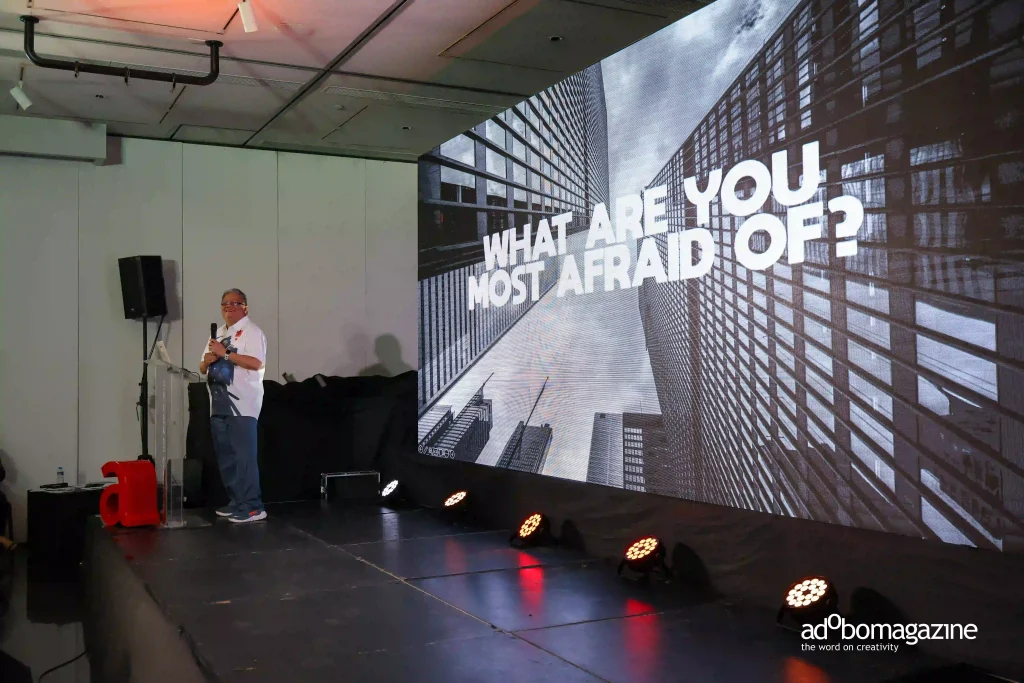
That fear, he argued, is precisely what holds creativity back. Under pressure, teams default to familiarity — to ideas that feel proven, polished, and predictable.
“In times of duress and heightened expectations, we often seek shelter in the safe, the secure, and the familiar. But what is another word for safe than hiding?” Joe pointed out.
“In a world of algorithms, skip buttons, and rapid scrolling, the worst thing you can be is hidden. The worst thing you can be is safe.”
The real risk isn’t failure — it’s mediocrity
Joe framed today’s creative environment as one defined by excess. He said that creatives live in an “unprecedented era of sensory overload” in which the audience has access to a billion pieces of content, stimuli, and experiences within arm’s reach. Hence, Joe said, “Standing out is no longer optional, it’s existential.”
Despite this environment, Joe observed that many brands still lean heavily on functional advantages, overlooking something far more powerful.
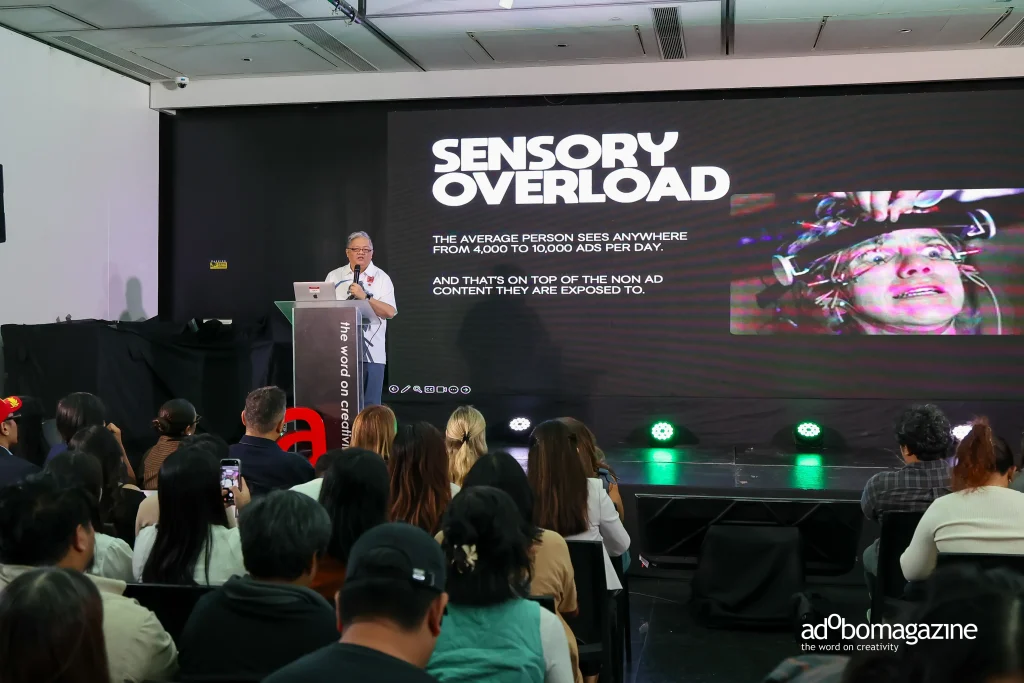
“Businesses rely heavily on their competitive advantage while forgetting the value of their creative advantage. Creativity — especially brave creativity — is a multiplier. The bigger threat? The biggest business risk today is creative mediocrity, fading into the background,” he said.
Joe continued, noting that many of the most effective campaigns didn’t start as obvious wins but as uncomfortable ones. He said brands that boldly ventured into the wrong often emerged successful, and what seemed most wrong about these ideas is what made them great.
“They feel uncomfortable before they feel obvious. The idea breaks a category or brand rule, or something in your brand book that says ‘don’t do this’ — and they go against it.”
Nonetheless, Joe pointed to iconic campaigns that defied conventions at the time. These include Dove’s shift away from idealized imagery, which required challenging deeply ingrained norms. There was also Jollibee’s long-form storytelling, which went against prevailing platform logic, and RC Cola’s campaign on brave execution.
Across all these cases, Joe identified a consistent pattern. The most effective ideas are “break category or brand rules on purpose.”
“There is always a clear brand role where the brand is hero, not an afterthought,” Joe noted. They resonate in culture, not just campaign plans. Most tellingly, “someone in the room was uncomfortable, and they did it anyway.”
That discomfort, Joe suggested, is not a warning sign but a signal, marking the boundary between safe work and standout work.
Ultimately, Joe emphasized that his message wasn’t to glorify mistakes, but to reframe them, because in a world flooded with sameness, only the willingness to be wrong can lead to truly getting it right.
“Wrong, done right, can actually be amazing,” he said in conclusion.
READ MORE:
Artful Intelligence: Sharon Panelo on why creativity still belongs to humans
Raxenne Maniquiz and the blooming power of endemic creativity