

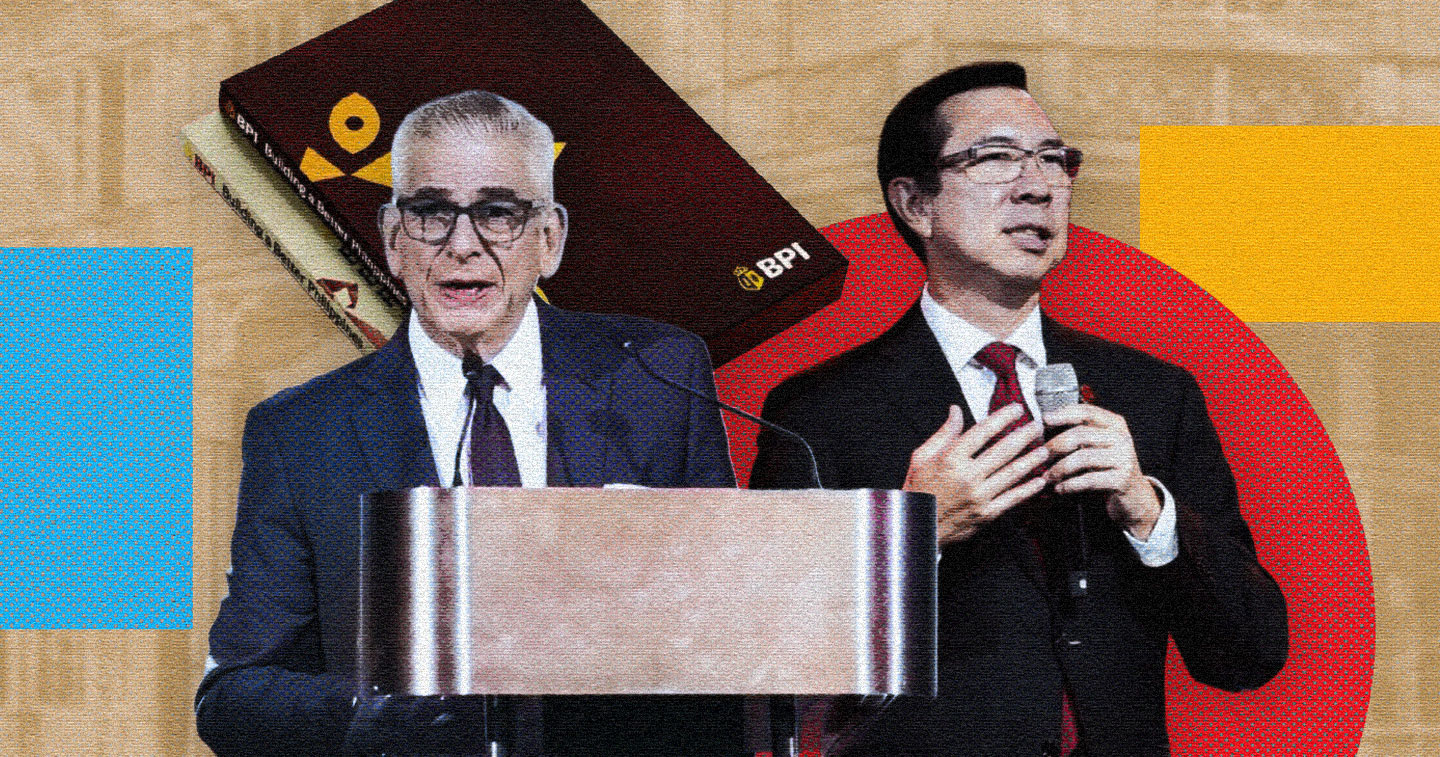

The Bank of the Philippine Islands (BPI) has launched “Building a Better Philippines,” a landmark two-volume book that chronicles the Bank’s remarkable journey from its founding in 1851 to its role today as a trusted financial institution helping drive progress.
Inspired by BPI’s mission of building a better Philippines, one family and one community at a time, the book tells the story of how the Bank grew alongside the nation, helping finance commerce, support industries, weather crises, and create opportunities for generations of Filipinos. From its origins as Banco Español-Filipino de Isabel II, the country’s first bank, to its transformation into a modern financial institution serving millions of customers, the publication presents a narrative of Philippine economic history through the lens of one of its most enduring institutions.
“History is rarely written by those who lived it. Rather, legacies continue with those who choose to remember, to honor, and to build upon what came before,” said BPI President and CEO TG Limcaoco. “What this history reveals is that BPI and the Philippines have never travelled separate roads.”
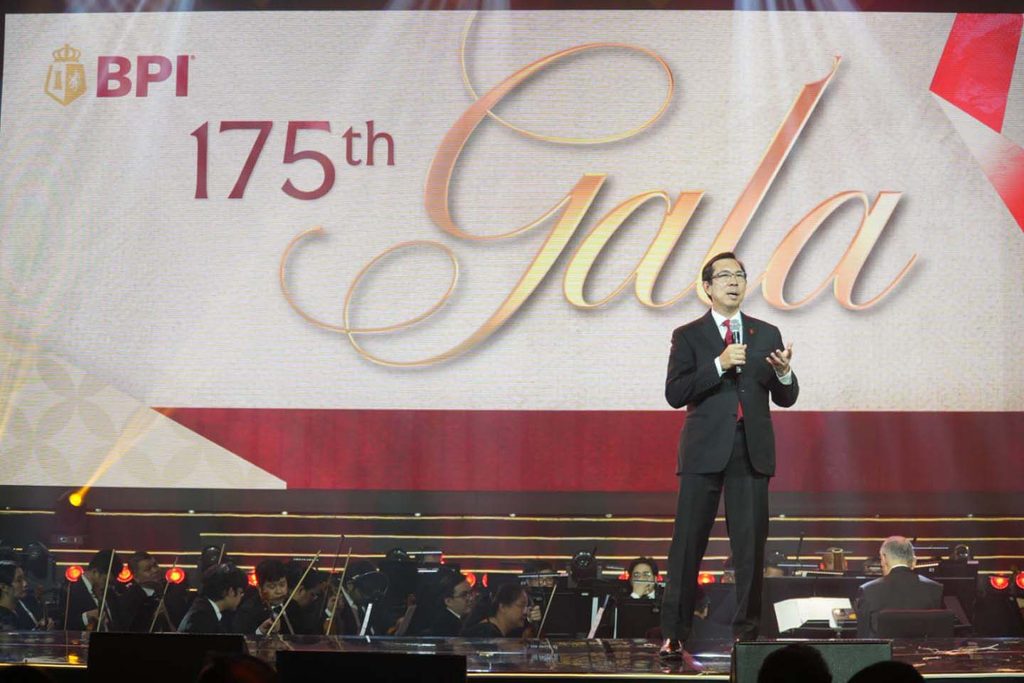
Published to commemorate BPI’s 175th anniversary, “Building a Better Philippines” explores how the Bank supported the country through key chapters in Philippine history, from the growth of global trade in the 19th century to post-war reconstruction, economic modernization, financial inclusion, digital transformation, and sustainability. Along the way, it highlights how BPI helped businesses grow, enabled families to pursue their aspirations, and contributed to the country’s economic resilience and progress.
The publication is divided into seven chapters across two volumes. Volume 1 discusses how the Bank helped integrate the Philippines into global trade during the late Spanish period, its evolution during the American era, its operations during World War II, and its role in postwar reconstruction. Volume 2, meanwhile, shows how BPI navigated economic and political upheaval while continuing to innovate and support national development, from becoming the country’s first universal bank and introducing the first 24-hour ATM service to championing financial inclusion, digital banking, sustainability, and infrastructure development.
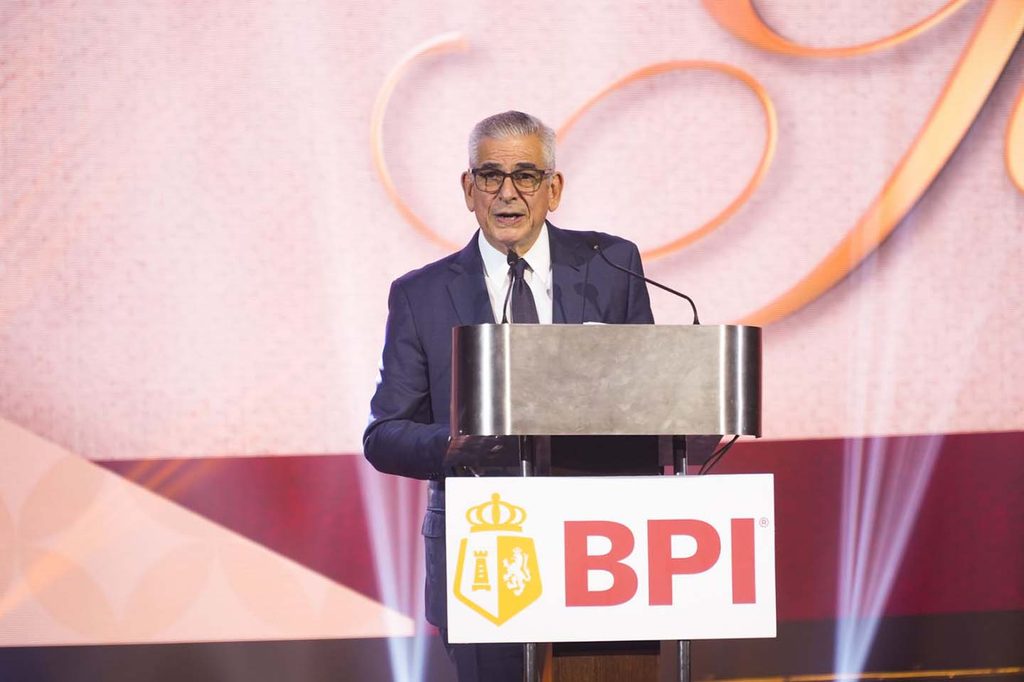
“Through these periods, BPI remained a constant presence in the economy. It acted with prudence in moments of uncertainty and with resolve when recovery required support. Its continuity was not dramatic. It was sustained by the careful application of disciplined judgment across changing circumstances, shaping the narrative of an institution that has endured across eras,” said BPI Chairman Jaime Augusto Zobel de Ayala.
Bringing history to life
Written by veteran business journalist and author Roel Landingin and edited by acclaimed writer and educator Jose “Butch” Dalisay, PhD, the book combines archival research, historical records, photographs, and firsthand accounts from business leaders, policymakers, former executives, clients, and industry observers.
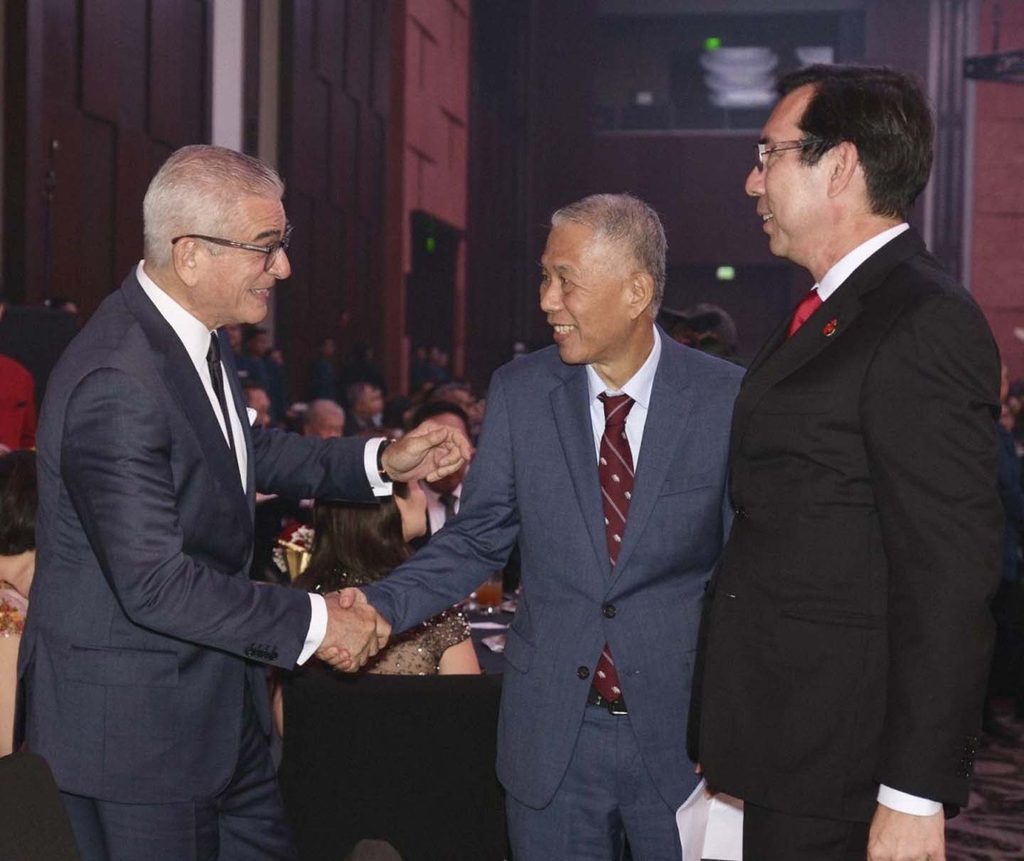
Apart from Zobel de Ayala and Limcaoco, resource persons featured in the book include former BPI leaders Cezar P. Consing and Aurelio R. Montinola III, late Finance Minister Cesar E.A. Virata, former National Economic and Development Authority Director-General Dr. Gerardo Sicat, and Jose Mari Chan, who composed the BPI Express Teller jingle that gained fame in the late 1980s.
A legacy built on trust
Reflecting on BPI’s enduring role, Limcaoco emphasized that the Bank’s greatest strength has always been the trust generations of Filipinos have placed in it through the country’s crises and successes.
“When the nation needed capital to rebuild, BPI was there. When entrepreneurs needed partners to grow, BPI was there. When families needed a place to keep their dreams safe, BPI was there. That is not something an institution manufactures. That is trust, accumulated slowly, honored consistently, meticulously guarded and passed down from one generation of bankers to the next,” he said.
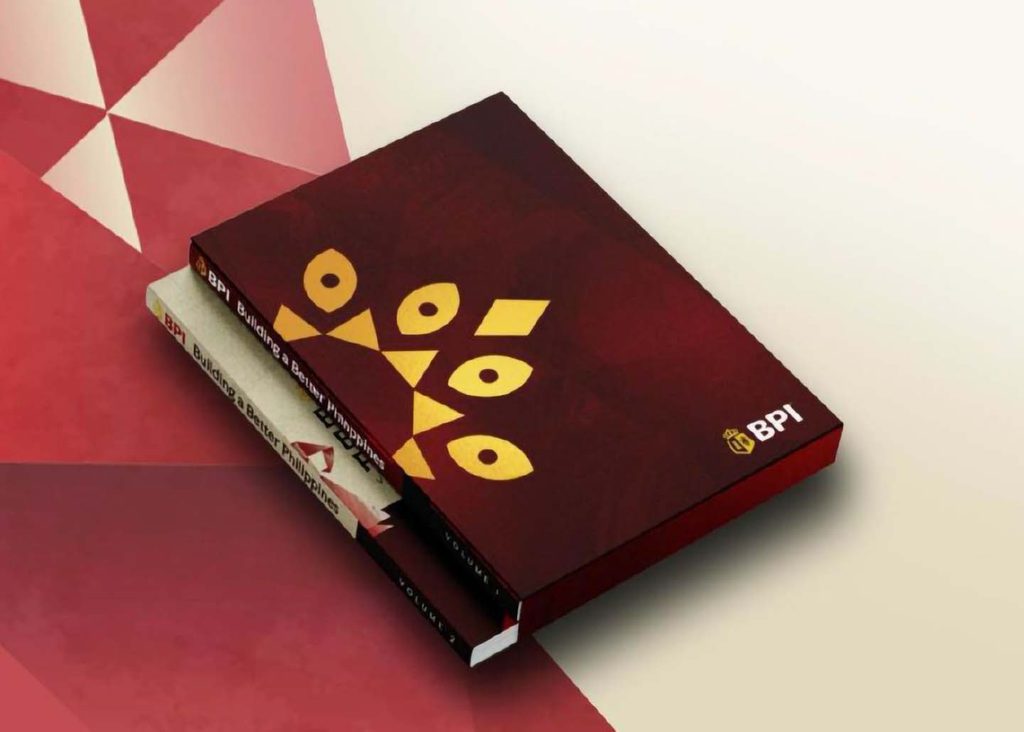
As the Bank looks ahead to its next chapter, Building a Better Philippines serves not only as a record of the past but also as a reaffirmation of BPI’s purpose.
“Our story is not finished. We will continue to serve in this journey of banking excellence anchored on trust and the best digital offers. And we will continue to believe, as every generation of BPI bankers before us has believed, that we can build a better Philippines, one family, one community at a time,” Limcaoco said.

“As BPI marks this milestone, its responsibility remains. The trust placed in it must continue to be safeguarded. The years ahead will call for inclusion, thoughtful innovation, and the same discipline that has guided the bank through changing times,” Zobel de Ayala said.
Corporate Milestones
- 1851: Established as Banco Español-Filipino de Isabel II, the Philippines’ first bank, at the Aduana building in Intramuros, Manila
- 1862: Moved to first owned building at the corner of Cabildo and Victoria Sts. in Intramuros
- 1869: Renamed Banco Español-Filipino
- 1891: Head Office moved to Plaza Cervantes in Binondo
- 1897: First branch established in Iloilo
- 1912: Renamed the Bank of the Philippine Islands
- 1942: BPI was one of the few banks that remained open amid the Japanese occupation
- 1975: Head Office moved to Ayala Ave. cor. Herrera St., Makati
- 1978: Established BPI Foundation, the Bank’s social development arm
- 1980: Head Office moved to Ayala Ave. cor. Paseo de Roxas, Makati
BPI by the Numbers
Scale and reach
- 18.24 million clients (as of end-2025)
- 1,242 BPI, BanKo, and LSB branches nationwide (as of August 1, 2026)*
- 7,154 Agency Banking partner stores (as of August 1, 2026)
- 121 remittance tie-ups in 27 countries (as of end-2025)
Advancing digitalization, financial inclusion, and sustainability
- PHP 376 Bn worth of sustainability-driven projects financed (2008 to 2025)
- 3.6 Mn BPI Foundation beneficiaries (2025)
- 2.9 Mn OF and beneficiary clients (as of end-2025)
- 46 EDGE-certified branches (as of end-2025)
- 7 digital platforms
Banking firsts
- First loan (May 1, 1852)
- First deposit (May 4, 1852)
- Issued the Philippines’ first banknotes (1855)
- Introduced the country’s first 24-hour ATM service (1982)
- Launched the first debit card system (1986)
- Introduced online banking (2000)
First branches
- Iloilo (1897)
- Banco Español-Filipino’s first branch opened amid the bustling sugar trade in Iloilo and Negros.
- Zamboanga (1912)
- After being renamed as the Bank of the Philippine Islands, BPI opened its branch in Asia’s Latin City upon the invitation of Mindanao’s American military governor. The branch still stands today and is now known as BPI Zamboanga Main.
- After being renamed as the Bank of the Philippine Islands, BPI opened its branch in Asia’s Latin City upon the invitation of Mindanao’s American military governor. The branch still stands today and is now known as BPI Zamboanga Main.
- Cebu (1924)
- BPI opened a branch in the Queen City of the South, which served as a major collection and transshipment point for export commodities such as hemp, coconut oil, copra, sugar, and lumber in the 1920s.
- Bacolod (1950)
- The Bank opened its first branch in Negros to serve the growing need for financial services of sugar plantations in the island.
- Davao (1952)
- BPI established its fifth branch in the city to serve the growing need for financial services of abaca plantations in surrounding areas.
Companies, institutions, and infrastructure that BPI initially financed
- Carriedo Waterworks
- Manila Tranvia
- Arranque Market
- San Juan de Dios Hospital
- Tabacalera
- San Miguel Brewery
Building a Better Philippines was published to commemorate BPI’s 175th anniversary and to celebrate a story that is deeply intertwined with the nation’s own journey. More than a record of the Bank’s milestones, this book explores how BPI has grown alongside the Philippines, supporting progress, navigating periods of change, and contributing to the country’s development through generations.
As we look back on a rich and meaningful legacy, we also look ahead with gratitude and optimism, inspired to continue helping build a better Philippines.
The book is divided into seven chapters spread across 2 volumes –
- Volume 1 covers the Bank’s history from its establishment in 1851 to the early 1970s.
- Volume 2 begins with BPI during the Martial Law era and continues to 2026, BPI’s 175th year of service to Filipinos
Chapter 1: The First Globalization
- Banco Espanol-Filipino de Isabel II emerged from and accelerated the Philippines’ incorporation into 19th century global trade by introducing modern banking, paper currency and new channels of credit linking rural producers, merchant houses, and early industrial ventures.
- Excerpt: Amid the rapid urbanization and population growth in Manila and surrounding areas, local entrepreneurs saw a tremendous opportunity in providing goods and services to the residents of the burgeoning metropolis. It was also natural that entrepreneurs turned to the Banco Español-Filipino for startup loans and other financial services to launch their enterprises.
Chapter 2: Under the Stars and Stripes
- Renamed as the Bank of the Philippine Islands (BPI) under American rule, it lost its old monopoly position but survived through renegotiation, recapitalization and institutional adaptation, while continuing to finance sugar, mining, and export growth in a volatile US-centered economy
- Excerpt: The Bank of the Philippine Islands’ involvement in the sugar industry in the early years of American rule in the Philippines reflected and reinforced the broad economic changes sweeping the colony at that time. Sugar exports surged and became a major pillar of the economy.
Chapter 3: In Survival Mode
- The chapter shows BPI operating under Japanese occupation as an institution under coercion: it kept services running and tried to protect but was met with punitive transfers, occupation-currency conversion and postwar claims recovery.
- Excerpt: Amid the Japanese occupation, BPI still provided essential banking services to its clients. Even outside Manila, there was demand for its services. In Zamboanga, for example, representatives of the local civilian government and town residents petitioned the Japanese military administration in Mindanao and Sulu in July 1942 to reopen the BPI branch in the municipality. The bank had been closed for four months since the Japanese Army entered the town that year.
Chapter 4: Recovery, Growth, and Transformation
- In the early independence era, the Bank rebuilt itself through conservative lending to export sectors that generated foreign exchange for reconstruction and industrialization, even as it gradually repositioned for faster growth and an Ayala-led strategic change in the 1960s.
- Excerpt: The focus on traditional export crops also explained the location of the first branches that the bank established in the postwar period: Bacolod City in 1950 and Davao City in 1952. Bacolod is the capital of the sugar-growing province of Negros Occidental, while Davao was surrounded by abaca-growing areas.
Chapter 5: Growth in a Time of Crisis
- BPI was one of the early movers under martial-law-era banking reform— raising capital, merging, attracting foreign equity and backing export-oriented industry before showing how it weathered an authoritarian period’s debt, political and economic collapse.
- Excerpt: For Loinaz, who just assumed the bank’s presidency that year (1982), the new license meant continuing the trajectory of sustained growth that the bank had embarked on since the start of the decade. “Unibanking—universal banking—that was the fashionable word in those days. It’s just part of the momentum of going ahead. Taking every opportunity that came about within a period of turbulence,” he said.
Chapter 6: Banking for Economic Recovery
- After 1986, BPI was a universal bank that went beyond lending into underwriting, advisory work, strategic investment, merger-led consolidation and bancassurance helping enable post-authoritarian recovery and 1990s growth.
- Excerpt: BPI’s equity investments in several manufacturing companies in Laguna proved providential, as it gained firsthand knowledge of the international division of labor and global value chains. These refer to the international fragmentation of production, where different stages of a product’s lifecycle are performed in various countries.
Chapter 7: Banking in the New Millennium
- BPI’s modern transformation lay in scaling inclusion—consumer finance, SME lending, microfinance, digital channels, sustainability and infrastructure advisory—within a favorable macroeconomic environment that expanded the middle class and broadened finance.
- Excerpts: The next big step in BPI’s financial inclusion journey was entering microfinance, or providing uncollateralized loans and other financial services to microentrepreneurs, such as market vendors, sari-sari store owners, and eatery operators. BPI was one of the most active lenders, underwriters, and advisers to private sector sponsors of PPP projects. A World Bank database of PPP projects in the Philippines from the 1990s to the present shows that it participated in 15 projects, one of the highest among private domestic banks.
About the Cover
Designed by BBDO Guerrero, the cover is inspired by the sense of movement that runs through Filipino life and history. Its flowing forms recall the energy of festivals, processions, and community gatherings, where people come together in celebration, reflection, and shared purpose. As BPI marks its 175th anniversary, the design reflects a shared journey of progress, connecting generations of Filipinos through moments, traditions, and stories that have shaped the nation.
Much like the communities it has served since 1851, the cover symbolizes continuity and forward movement, honoring both heritage and transformation. It celebrates the enduring Filipino spirit and BPI’s longstanding role as a trusted partner in the Philippines’ growth through the years.
Resource persons: senior officers, board members, clients, financial analysts
From BPI:
- Jaime Augusto Zobel de Ayala, BPI Chairman
- Jose Teodoro “TG” K. Limcaoco, BPI President and CEO
- Cezar P. Consing, BPI Vice Chairman, BPI President and CEO (2013-2021)
- Aurelio R. Montinola III, BPI President and CEO (2005-2013)
- Atty. Mercedita Nolledo, BPI Director (1991-2021)
- Joseph Anthony “Jovi” Alonso, BPI Chief Credit Officer
- Lester Ong, BPI Capital President
External resource persons:
- Cesar E.A. Virata, Former Prime Minister and Former Finance Minister
- Dr. Gerardo Sicat, Founding Director-General, National Economic and Development Authority (now DEPDev)
- Lance Gokongwei, JG Summit President and CEO
- Maria Grace Uy, Converge ICT President and Co-Founder
- Jose Mari Chan, Composer of the Express Teller jingle
About the Author
Roel R. Landingin is a business journalist and author. His most recent book is Cool Minds, Brave Hearts: The People of the Philippine Central Bank (2021), which tells the story of the extraordinary men and women of the country’s central monetary authority. Published by the Bangko Sentral ng Pilipinas (BSP) to mark its 70th anniversary, it was selected as the Best Book on the Professions at the 39th National Book Awards in 2022. He was formerly editor-in-chief of the Philippine editions of Forbes magazine and Entrepreneur Online, Manila bureau chief of Bloomberg News, correspondent of the Financial Times, business editor at the Manila Times, and reporter at the Philippine Daily Globe.
About the Editor
Jose Dalisay, PhD has published over 45 books of fiction and non-fiction and has edited many more, including the ten-volume Kasaysayan: A History of the Filipino People (1998). He is a Professor Emeritus of English at the University of the Philippines and has won numerous writing awards.