
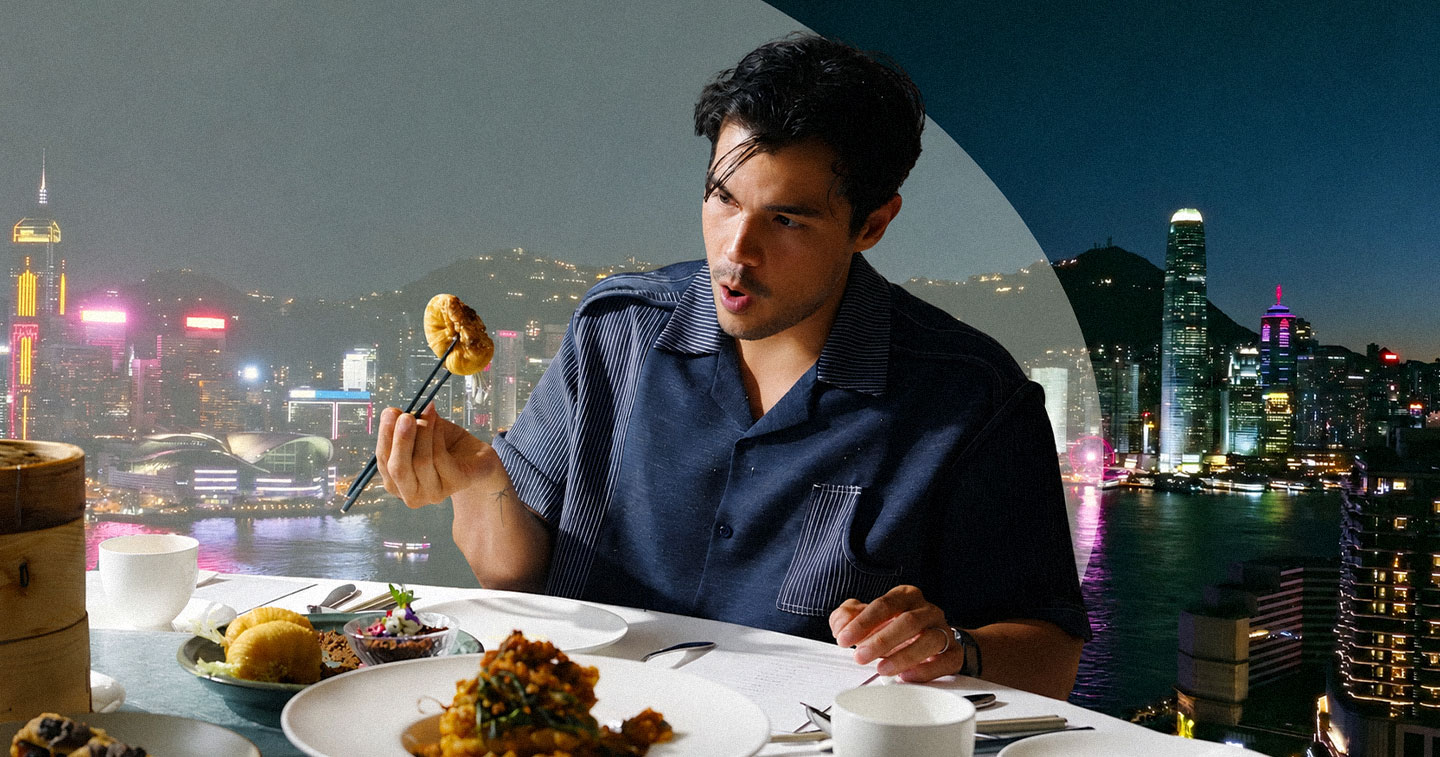

Ten years after shooting his first Overnight Hong Kong episode, James Beard Award-winning storyteller Erwan Heussaff is back on the city’s streets. In this full-circle moment, he uncovers the stories that have quietly shaped one of Asia’s most celebrated culinary capitals.
Produced by FEATR in partnership with Hong Kong Tourism Board (HKTB), this two-part series is part of the Taste Hong Kong campaign – an initiative that showcases 250 restaurants and eateries handpicked by over 50 master chefs from Hong Kong – inviting Filipino travelers to experience the city’s food scene like a true local. Instead of just showing what to eat, the series looks at how Hong Kong’s best-known dishes came to be and what they reveal about the city’s rich history and cultural identity.
“I wanted to meet the people who have built a life here, hear their perspective, and understand how the city keeps evolving while staying so firmly rooted in its traditions,” Heussaff said. “Those two things usually don’t coexist, and yet in Hong Kong they do.”
The origins of Hong Kong’s most iconic dishes
Throughout the series, Erwan discovers that many of Hong Kong’s best-loved dishes were born out of necessity.
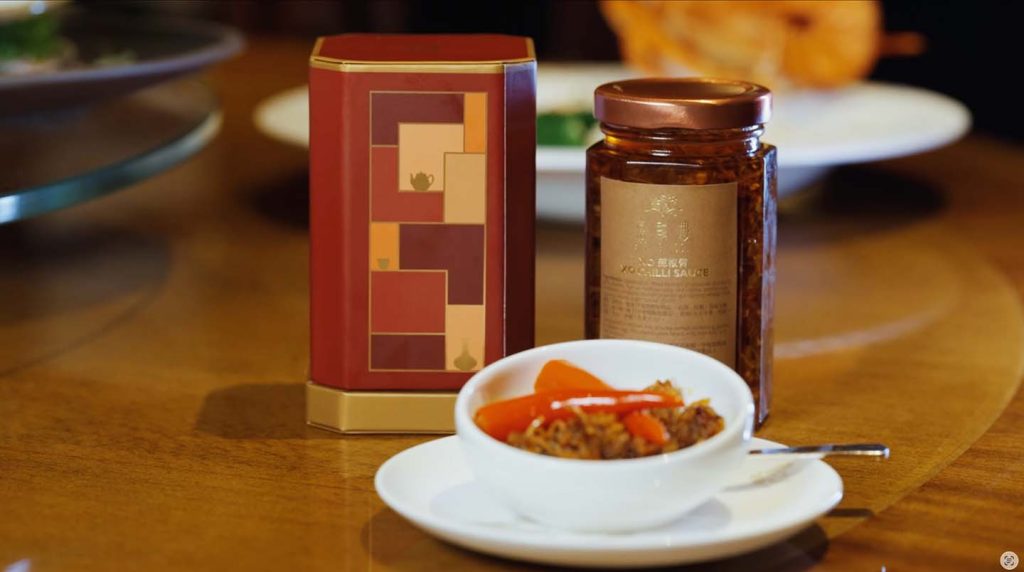
A visit to Spring Moon inside The Peninsula reveals that XO sauce, now enjoyed around the world, was first created in this very kitchen in 1986. Decades later, diners still enjoy the signature fried rice prepared with the original recipe, showcasing the sauce that helped put the restaurant on the culinary map.
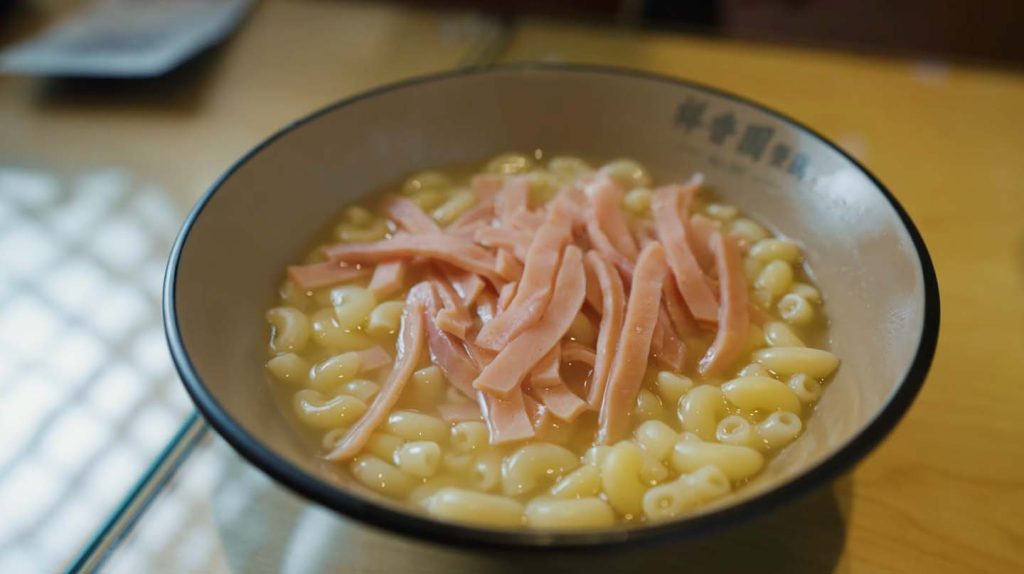
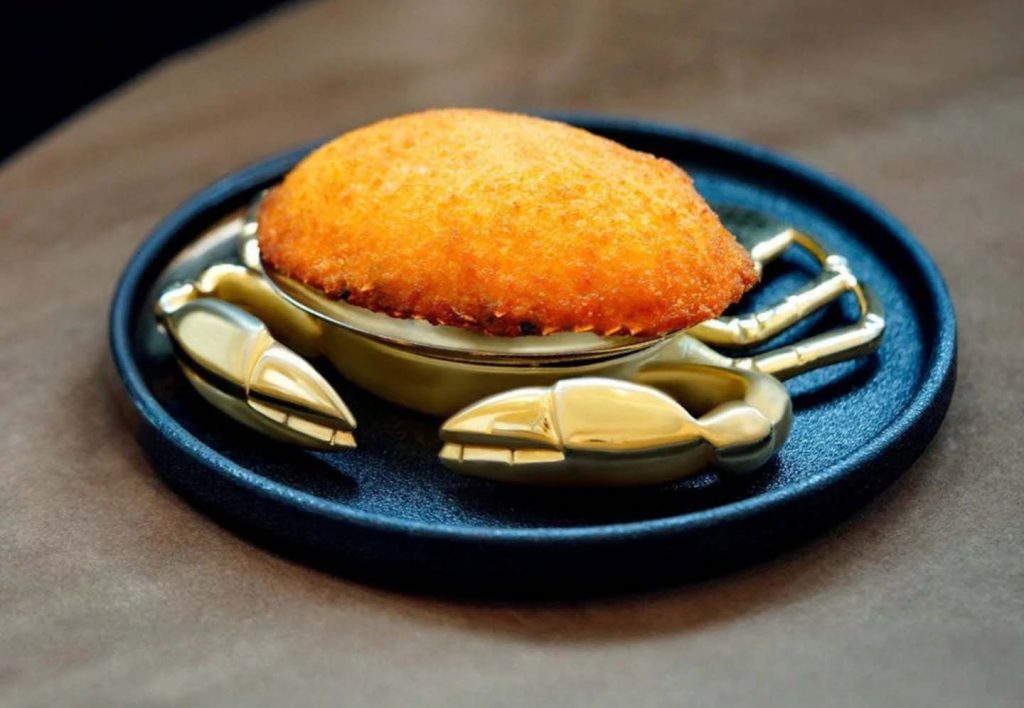
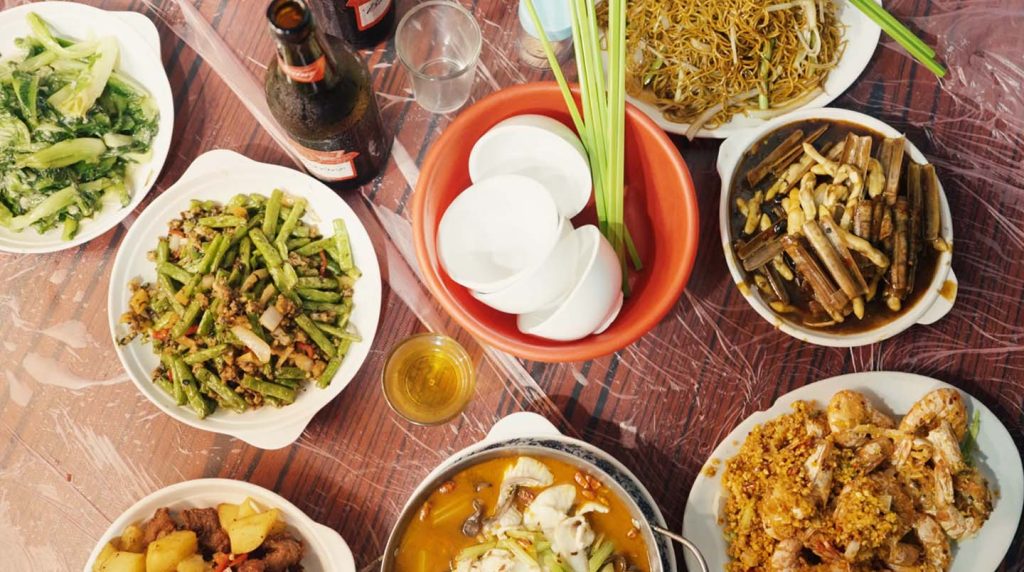
Down on the streets, Hong Kong’s food identity was shaped by pure resourcefulness. Classic local tea restaurants, or cha chaan tengs, like Cheung Hong Yuen, were born from strict British colonial laws that restricted what local kitchens could cook. Chefs beat the rules by combining cheap Western ingredients into budget-friendly working-class meals, creating comforting dishes that remain local staples today.
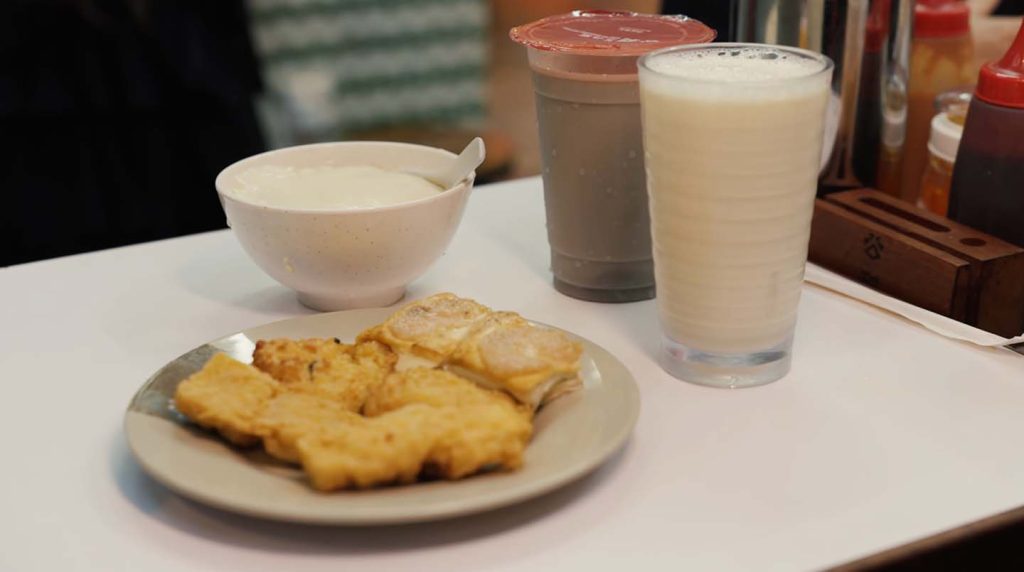
Even the city’s breakfast routines tell a story. At Kung Wo Beancurd Factory, a father still uses traditional stone mills to hand-grind velvet-smooth bean curd and hot soy milk. Developed generations ago when most people in the region were lactose intolerant, their soy milk naturally became a local staple, offering a comforting taste unchanged by time.
Hidden kitchens and scenic dining
Beyond the heritage ingredients, the series shows how Hong Kong’s culinary scene thrives in the most unexpected settings.
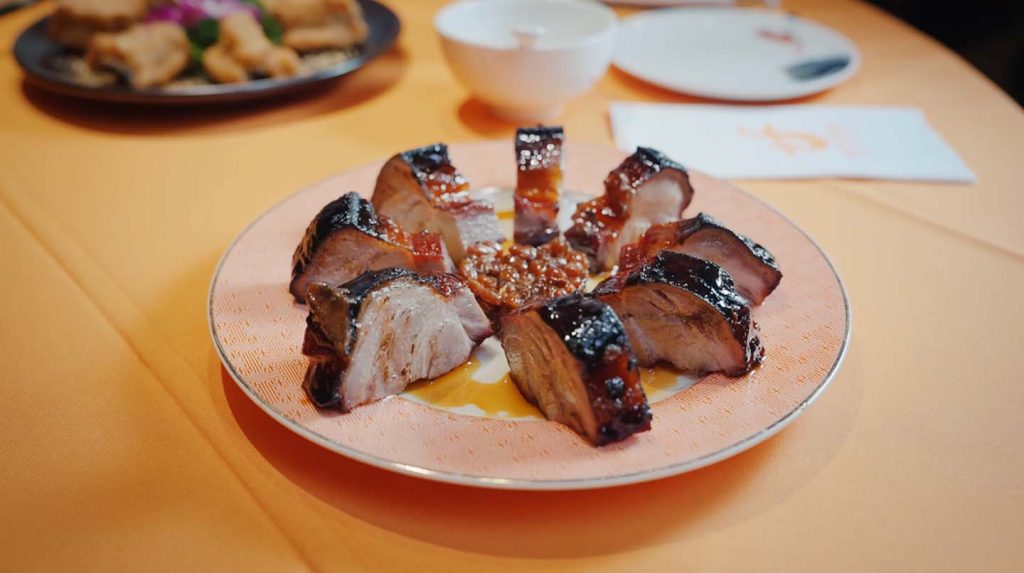
At Kamcentre Goose in Causeway Bay, the third generation of the legendary Yung Kee dining dynasty operates inside an unassuming sports clubhouse. Here, guests feast on thick-cut char siu and instrument-shaped pi-paroast goose right next to a bowling alley.