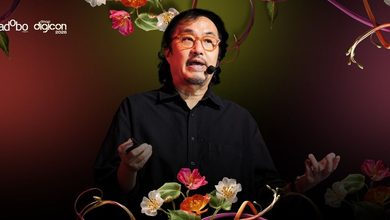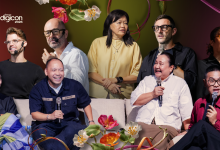



In a world dominated by visuals, SOUNDESIGN is reminding creatives not to overlook one of storytelling’s most powerful tools: sound.
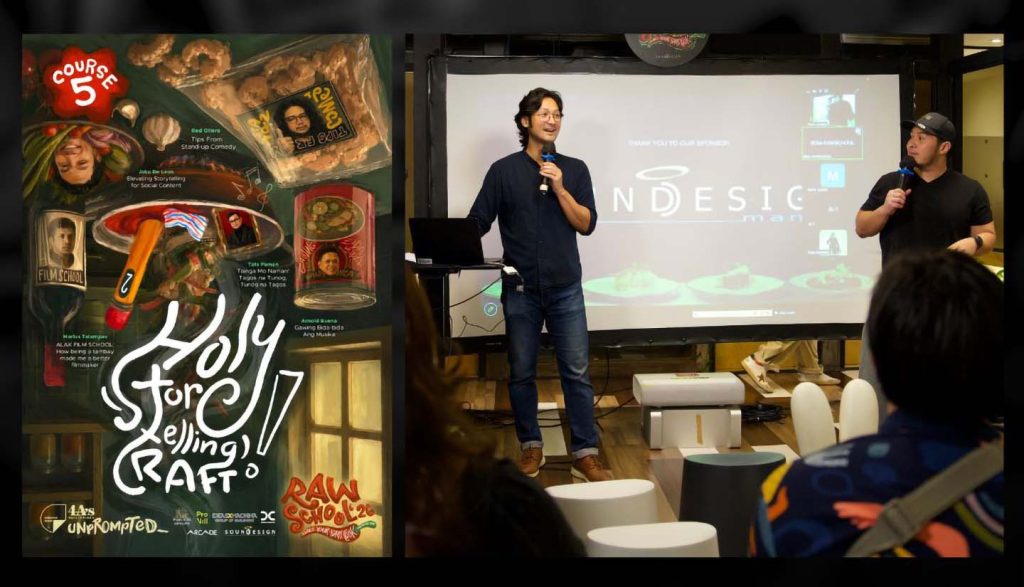
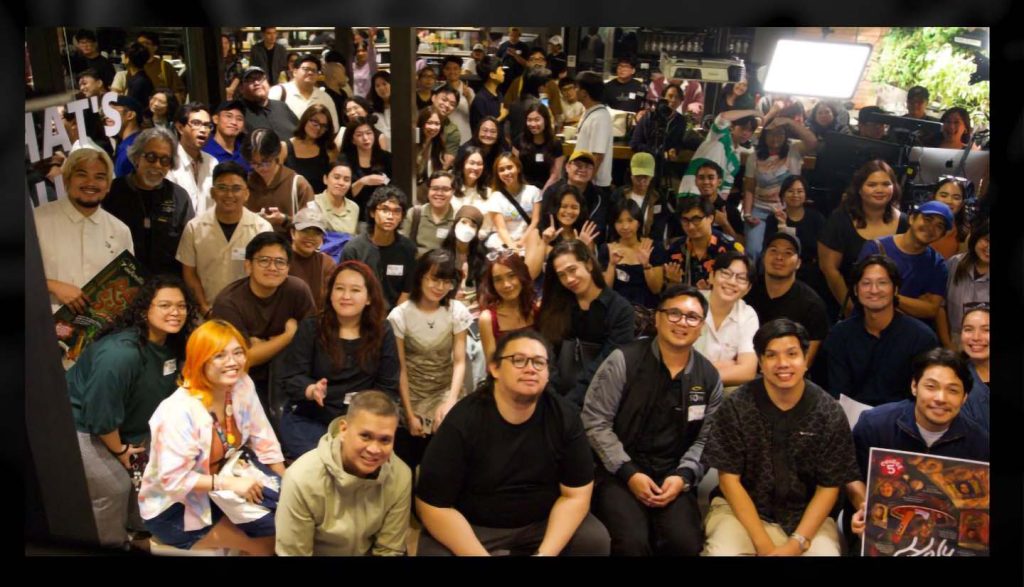
Under the banner of UNPROMPTED_, the 4A’s Creative Guild of the Philippines’ Raw School Class 5 session, titled “Holy Storytelling Craft,” recently featured award-winning sound engineer and SOUNDESIGN Business Development Officer Tats Paman. Delivering a talk titled “Tainga Mo Naman! Tagos na Tunog, Tunog na Tagos,” Paman challenged the traditional reliance on visual-heavy narratives, urging creatives to reclaim the ears as a primary gateway for emotional disruption through an immersive, “audio-first” approach to storytelling.
Hosted at SOUNDESIGN, one of the official venues for this year’s Raw School program, the session explored how human creativity remains essential in an industry increasingly influenced by artificial intelligence. This aligns with Raw School’s broader agenda for a more human, inclusive future aimed at equipping the next generation of Filipino creatives amidst a rapidly shifting creative economy.

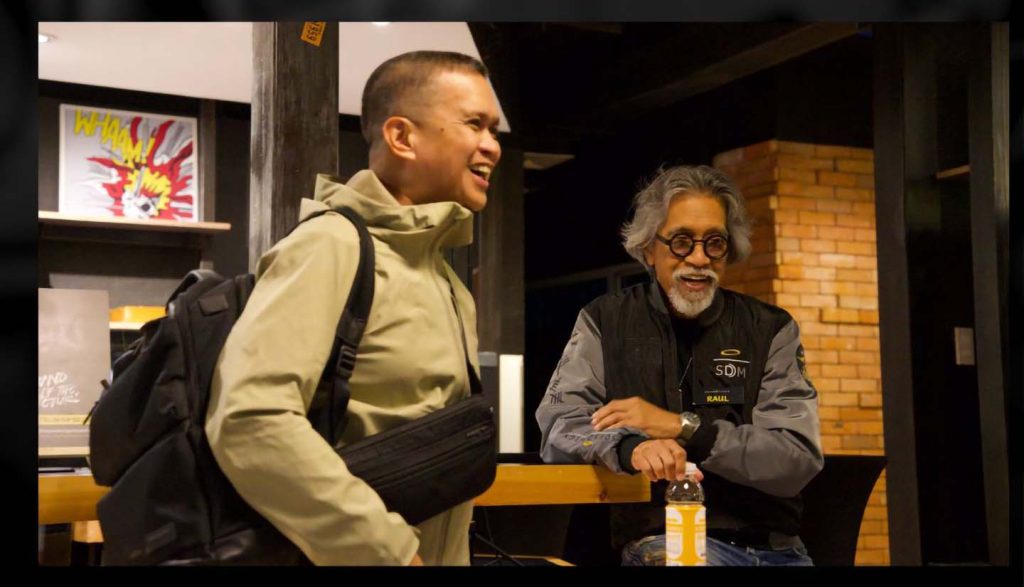

“We often talk about what audiences see, but we rarely talk about what they hear,” shared Paman. “Sound has the unique ability to reach people emotionally before they even process what they’re looking at.”
For nearly three decades, SOUNDESIGN has championed the belief that “sound is half the picture,” advocating for audio as a vital, foundational storytelling element.
The Filipino concepts behind emotional sound
To help creatives understand the emotional power of audio, Paman introduced three uniquely Filipino concepts that define great sound design:
- Tagos (Resonance): The ability of sound to cut through logic and instantly trigger emotion. It is the reason a familiar sound, a single chord, or a specific song can move us before we fully understand why.
- Danas (Experience): The personal experiences we attach to sound. The sound of rain, for example, may bring comfort and nostalgia to one person, while reminding another of hardship or loss.
- Kaibuturan (Deep Core): A feeling that reaches deep within and stays with us long after the story ends. This is often achieved through a perfect, balanced contrast between sound and silence.
By designing audio that leverages Tagos, Danas, and Kaibuturan, creatives can deliver a richer narrative than visuals alone can provide.
The power of silence
Expanding on Kaibuturan, Paman shared that great sound design isn’t just about what audiences hear—it is also about what they don’t hear.
In today’s fast-paced digital environment, silence has become a powerful creative tool. Strategic pauses and moments of quiet can create anticipation, amplify emotion, and make pivotal moments land with greater impact.
When audio becomes the story
Joining the session to provide a musical perspective was renowned composer and arranger Arnold Buena of HIT Productions, who demonstrated how music can completely change the meaning of a scene—even when the visuals remain exactly the same.
For brands, Buena emphasized that music is far more than background accompaniment; it helps create a distinct sonic identity that audiences can instantly recognize.
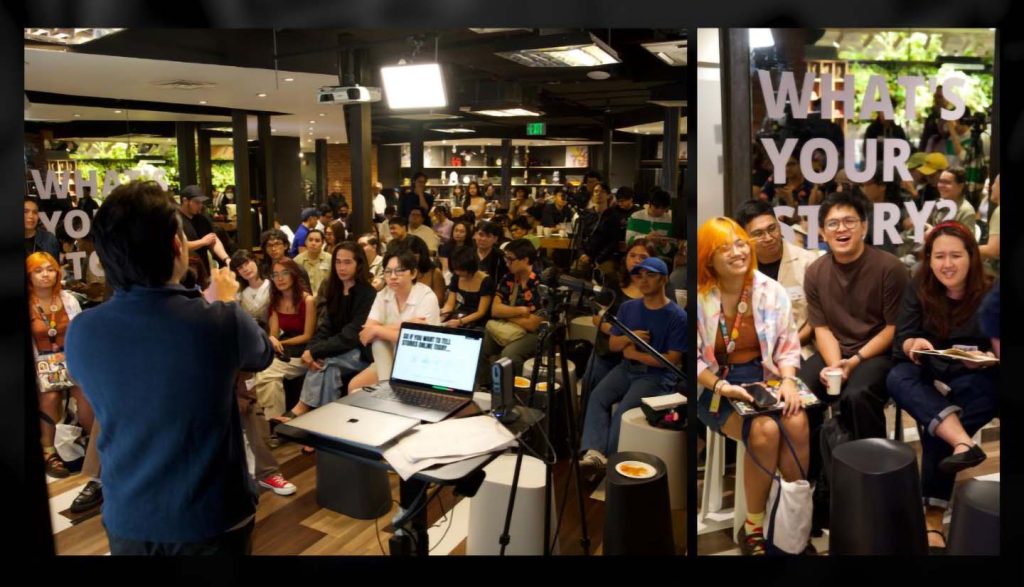
“The moment people recognize a brand through its sound before they even see the logo, that’s when audio becomes truly powerful,” Buena explained.
He encouraged creatives to involve music and sound much earlier in the creative process rather than waiting until post-production. Thoughtful pacing, the intentional use of silence, and distinctive sonic signatures all contribute to stronger, more memorable storytelling.
Building better stories through collaboration
SOUNDESIGN believes exceptional audio is born from collaboration. Because sound can be difficult to describe with words alone, the audio post-production studio encourages open dialogue between creatives, directors, producers, and audio professionals to develop a shared creative language.

“As long as we’re telling stories, as long as our audience is human and feels things, focusing on our ears or focusing on sound is an immediate shortcut. It’s a cheat code,” Paman enthused.
As storytelling continues to evolve, SOUNDESIGN invites creatives to explore new ways of using sound—not as an after-the-fact accessory, but as a core creative pillar.