
MANILA, PHILIPPINES – The global fashion industry screams for quick trends and disposable clothes, often drowning out cultural identity. But in the Philippines, Patis Tesoro, known as the “Grand Dame of Philippine Fashion,” stands as a powerful champion of cultural authenticity and the Filipino soul. She believes the intricate beauty we wear is the very essence of our nation.
For Patis, the beautiful Filipiniana — woven with history and pride — is not a costume or a passing trend. It is a living, breathing expression of who we are. As global influences grow, Patis remains a steady champion for our cultural identity, warning that to lose these traditional garments to Westernization is to lose our Filipino soul itself, and so she believes that “Filipiniana is Forever.”
“One of the major identities of a nation is what the citizens wear, whether it is traditional or suited for the times. That is why ‘Filipiniana is Forever,’” she told adobo Magazine in an interview.


Patis added, “Our DNA is very strong, so all of us have memories or pictures of our ancestors wearing Filipiniana. We are instinctively attracted to the handwoven piña (Pineapple fabric), for example, and embroidery borloloy (embellishments) that only our country grows, weaves, and wears up to today.”
Filipiniana is Forever
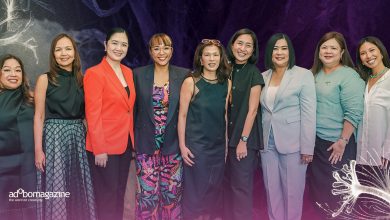
“Filipiniana is Forever” was brought to life through a benefit fashion show presented by the Zonta Club of Alabang, showcasing a stunning 100-piece collection by Patis. More than a celebration of her artistry, this milestone event paid tribute to her enduring legacy of empowering women in the creative industry while raising funds to support the many advocacies and community programs of the Zonta Club of Alabang.


Likewise, with the benefit show, she also hoped that people can experience the beauty of tradition and lifestyle of wearing Filipiniana.
“I want the audience to have fun. Hopefully, I want them to enjoy beauty, and experience that tradition and the lifestyle of today can intermarry and exist through creativity supported by research and craftsmanship.”
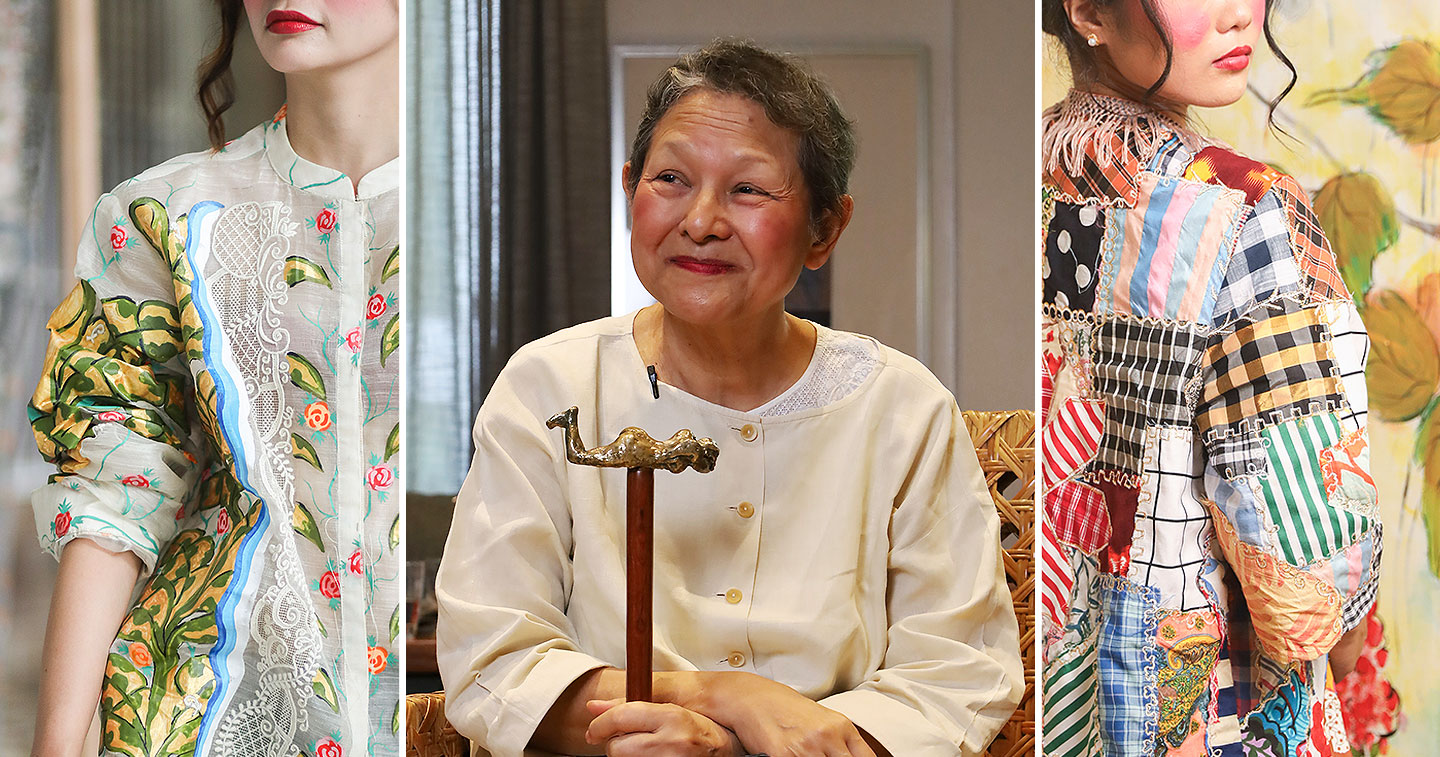
During the show, Patis highlighted Filipino creativity, craftsmanship and sustainability through handwovens like piña, piña seda, Northern weaves like tinggian and kalinga, Southern weaves like Miag-ao, Negros Patadyong, hand embroideries, and hand painting from Laguna.
The Filipiniana: A Nation’s Identity Woven in Cloth


Throughout her five-decade-long career, Patis has been revered for her distinct Filipiniana designs. In 1986, she dedicated herself to the revival of piña fabric. This seminal work would later extend to other forms of craft like natural dyes and hand weaving of Philippine tropical fabrics. Patis has also championed the preservation of embroidery and needlework, emphasizing how the craft is facing demise.
However, due to the advancement of technology and modern thinking, the common perception often confines the Filipiniana to high-profile events like the State of the Nation Address (SONA) or Buwan ng Wika. Yet, Patis strongly challenges this notion, advocating for its integration into daily wear as a practical, sustainable, and patriotic choice.
To integrate it with everyday wear, her idea is easy: swap the common t-shirt for light fabric kimonas and camiso chinos. For her, this small change does a lot of good as it creates “jobs to the Filipinos in our country” and helps stop the pollution caused by “throw-away clothes sewn in another country.”

But the way is hard. Patis sees a clear risk of losing these traditions to Western styles and fast fashion, saying our society is clearly “in danger as the global community has infiltrated our society in all aspects.”
Nonetheless, Patis believes tradition and sustainability must go together. She is very hopeful for Philippine fashion’s future, especially since people worldwide are now focused on climate change and the environment.
“Sustainable clothing is also a tradition we have,” she pointed out.
For her, this natural way of being sustainable comes from our old methods including traditional practices of planting, weaving, and crafts like embroidery and embellishments.


On preserving the Filipino soul through design
Patis finds profound optimism in how young creatives are embracing local heritage today. She saw them as the guardians who will ensure the Filipiniana remains a living expression of the nation, not just a historical costume. This new wave of designers recognizes that the national garment is not just a style choice, but a commitment to cultural authenticity.
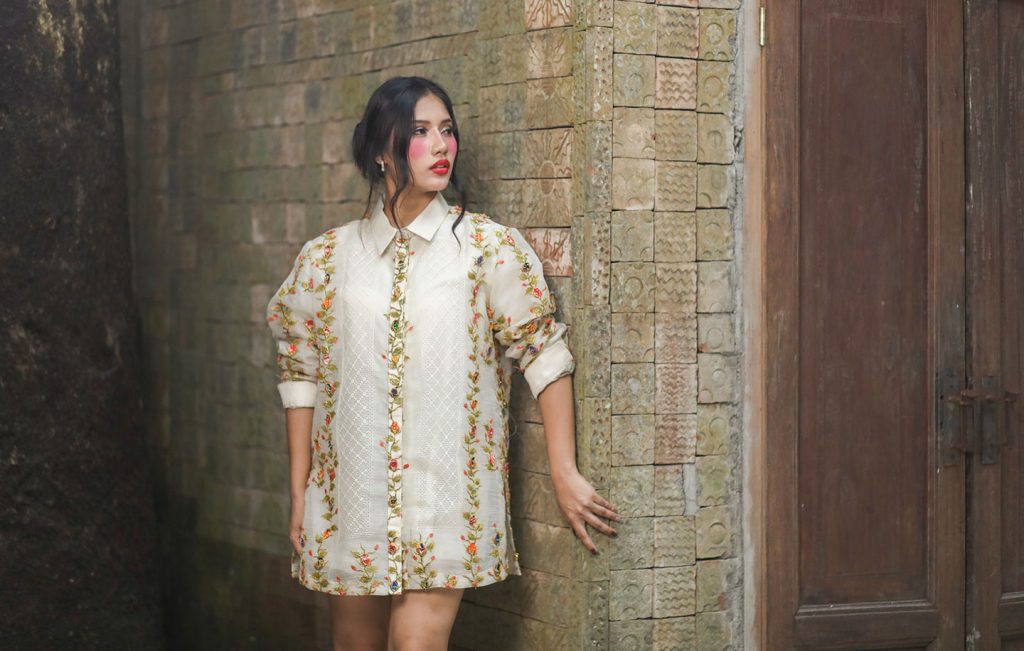
When asked what advice would she give to young creatives who want to modernize tradition responsibly, she said, “Know the past in our clothing and why we wore it. Innovate but keep within the boundaries of wearability and good taste. Also learn the craft of cutting and sewing and proper fitting.”
In essence, every stitch in a Barong or Terno carries the weight of history and the promise of future prosperity. To ensure that the face of the nation remains vibrant and united, and to honor the dedicated hands that build this creative economy, the choice is clear: Filipiniana is, and must always be, forever.
Patis concluded: “Continuing our traditions in clothing and embellishment will continue our face as a nation united. But not only that it gives livelihood to thousands of farmers, wives, children and old people that are involved in this creative industry therefore it is necessary that Filipiniana is Forever.”