

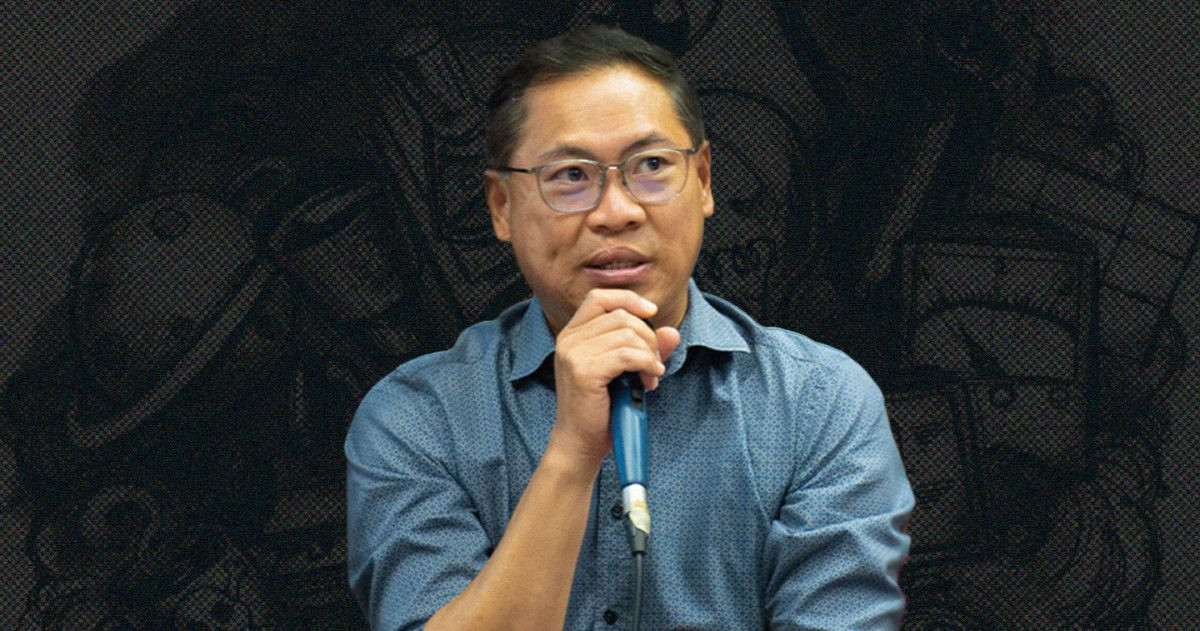
SINGAPORE – Recently, I took part in a fireside chat at the Media, Arts and Design School building at Singapore Polytechnic. On paper, it looked like another panel discussion about creativity and AI. In reality, it turned into one of the most honest and thoughtful conversations I have had with young creators in a long time.
What struck me immediately was the quality of the questions. These were not surface-level prompts about tools or shortcuts. The students went straight to the heart of the tension many creators are quietly living with today.
What can AI never replicate?
What happens when AI backfires and makes the work worse?
How do you protect your creative fingerprint when everyone is using the same tools?Sponsor
These are not hypothetical concerns.
They are deeply human ones.
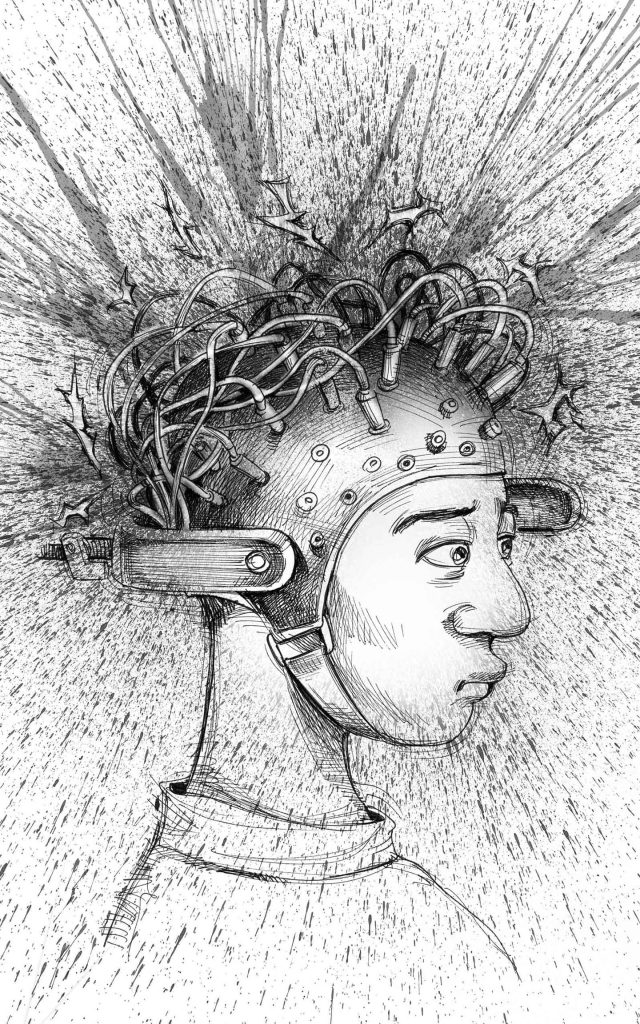
Behind them is a real anxiety. The pressure to stay AI-fluent is intense.
But the fear of becoming interchangeable is even stronger.
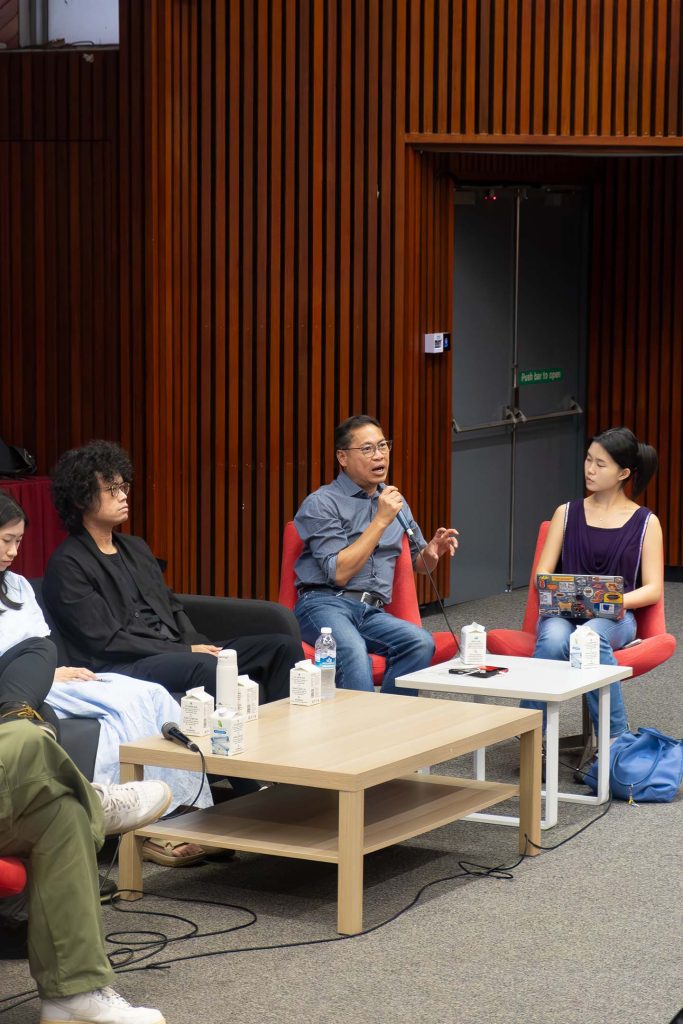

We had a wonderfully diverse panel. Dominic Yuan and Timothy Liew from PARKA. Tianzhao Dong from Harley-Davidson Motor Company. Zhi Ying Cho from GovTech Singapore. Yeo Ker Siang from Studio Design. Different industries. Different mindsets. Different creative cultures. That diversity mattered because creativity does not live in a single lane. It lives in collisions.
And that is where my core belief comes in.
In “Collide“, I talk about how progress rarely comes from comfort or harmony. It comes from tension. From opposing forces meeting and forcing us to think deeper. The AI conversation is not about choosing sides. Human versus machine. Old school versus new tools. It is about learning how to sit inside the friction and work through it.
What stood out during the session was the practitioners’ honesty. Every panelist shared moments where AI made things messy. Outputs that felt generic. Ideas that sounded right but felt empty. Shortcuts that led nowhere. Yet every single one of them also noted that when used intentionally, AI created space. Space to step back. Space to think more strategically. Space to focus on what actually matters.
Strategy.
Story.
Craft.
Human insight.
These are not things AI replaces. They are things AI exposes. When the heavy lifting is removed, there are fewer excuses to hide behind. You can no longer blame the process or the workload. What remains is your point of view.
This is the real shift we need to talk about.
AI is not replacing creativity. It is removing the padding around it. It strips away busywork and forces creators to confront a simple question. Do you actually have something to say?
AI can finish your sentence, yes. But it cannot finish your lived experience. It cannot replicate the discomfort of failure. The awkwardness of an idea that does not quite work yet. The emotional truth that comes from being human in a specific place, at a specific time, is shaped by specific moments.
Those things only emerge through collision. Between logic and instinct. Between data and emotion. Between speed and reflection.
For schools and educators, this is a critical moment. Teaching students how to use AI is no longer enough. We must teach them how to question it. How to challenge outputs that feel too easy. How to recognise when something is efficient but soulless.
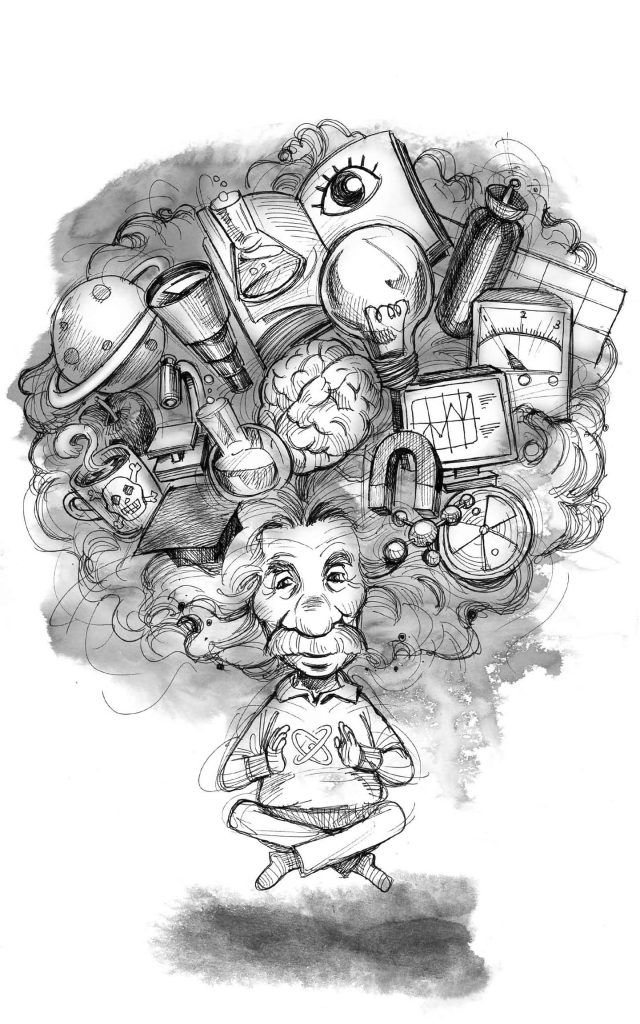
The unfair advantage humans still have is not taste alone. It is judgment. Context. Emotional intelligence. The ability to decide what not to generate.
The future does not belong to creators who prompt faster. It belongs to creators who think deeper. Who knows when to use AI and when to push back? Those who are willing to collide with technology rather than surrender to it.
If you are building programs, courses, or workshops to help students navigate this space, I would be excited to support. Helping young creators learn how to collide meaningfully with AI may be one of the most important creative skills we can give them today.
Because tools will change. Platforms will evolve. But the need for human stories, messy, imperfect, and deeply personal, will not go away.
And that is where creativity will always begin.
About the Writer
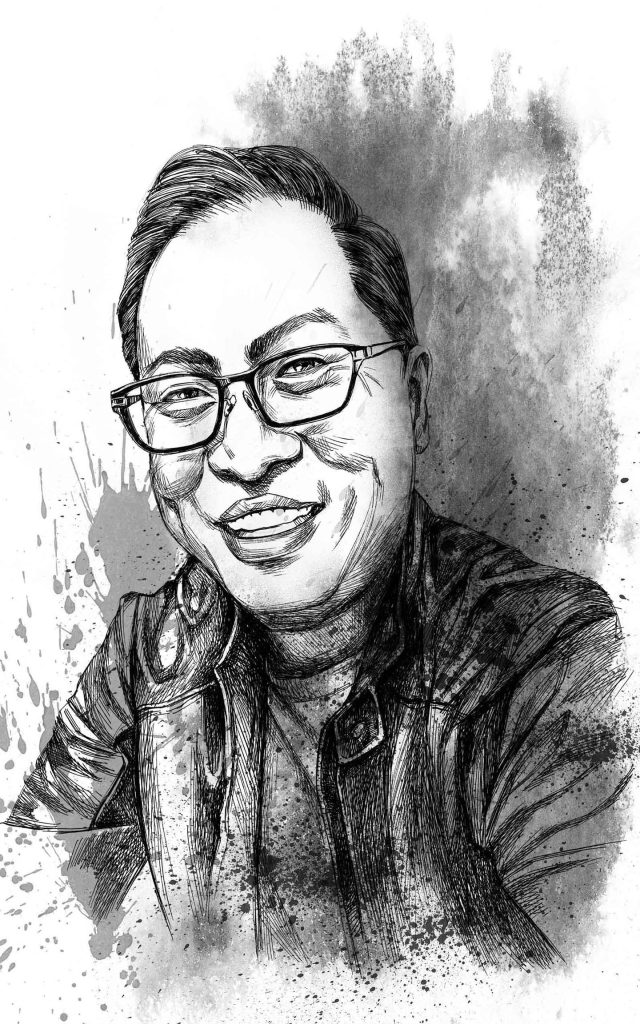
Tay Guan Hin serves as the APAC Regional Director for The One Club for Creativity, overseeing the elevation of awards, programming, partnerships, and regional membership. As the former Creative Chairman of BBDO Singapore, he has left an indelible mark on the creative industry, working with global agencies like Saatchi & Saatchi, Wunderman Thompson, Grey, and Leo Burnett. Guan Hin’s digital engagement strategies have transformed brands such as Visa, Unilever, Audi, MOHH, and Shell, helping them navigate market challenges and strengthen their market presence.
His debut book, “Collide: Embracing Conflict to Boost Creativity,” published by Penguin Random House SEA, swiftly became an Amazon and Straits Times best-seller. Guan Hin has held prestigious roles, including being the Jury President at the Cannes Lions and other renowned international events. A sought-after keynote speaker, he has delivered his insights at prestigious events such as The One Club’s Creative Executive Summit, One Show China, One Asia, TEDx, Spikes Asia, and AdFest, as well as to leading companies like Tencent and Meta.
Dedicated to mentoring, Guan Hin founded Singapore’s first student awards program and continues supporting young talent development. His leadership in innovation was further recognized during his presidency of the Asia Professional Speakers Association, cementing his status as a key figure in driving Creativity and nurturing the next generation of creative leaders.