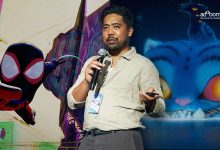


MANILA, PHILIPPINES – Sometimes, the road we choose to walk on takes us down unexpected twists and turns, leading to a completely new path that changes the course of our life forever — and for the better. This funny fate is exactly what had happened to Teejae Sonza, Coca-Cola Trademark Category Marketing Head, Coca-Cola ASEAN & South Pacific Operating Unit.
Having grown up in Davao and attended a Jesuit school, she was instilled with a deep sense of service and purpose. So much so, that she believed her path in life would have involved helping people or seeking justice in the world. “My dream back then? I thought I’d end up in law school, working for the United Nations, or maybe even as a Catholic missionary,” she candidly shared. But in a situation that only destiny could have procured, Coca-Cola extended her an offer to join an 18-month management trainee program at the young age of 19. “At the time, I honestly had very few expectations. I didn’t imagine I’d stay long, nor did I ever consider a career in marketing,” she reflected.
As if she needed more pull towards her true path, Teejae’s own great-uncle and her mom’s twin brother had both worked at the Coca-Cola Davao plant, and encouraged her to pursue this tremendous, life-altering opportunity. Looking back, she recalled: “I thought, ‘Why not? This could be an adventure.’ I figured I had nothing to lose and everything to learn.”
And the rest, as they say, is history.
In a sentimental walk down memory lane, Teejae divulged her journey and future plans at Coca-Cola in this exclusive interview with adobo Magazine. She also gave her two cents on campaigns the brand has worked on; what they have in store for consumers; and more details on big projects such as “Share a Coke,” “Coke Studio,” and “Recipe for Magic.” Read on and be taken on a thrilling ride of a lifetime.
The spark that started it all
adobo Magazine: What were your initial expectations in your career at Coca-Cola?
Teejae Sonza: At the start, I didn’t have a marketing background, so I absorbed everything from everyone around me. I learned about the value chain by traveling to work with wholesalers and retailers, meeting engineers on plant visits, and gathering real-time consumer insights. I worked with sales managers who were twice or three times my age, and I quickly learned to contribute by listening, acting fast, and most importantly, following through on whatever I committed to. Not having fixed expectations allowed me to say yes to everything, approach situations with curiosity, [and] learn and enjoy as much as I could. About a month into the program, I was asked to move to Cebu to lead initiatives for VisMin, simply because I spoke Bisaya. Before I knew it, I was working with diverse teams across provinces, leading on-ground activations, and even heading marketing for a football grassroots program. And two decades later, I [found] myself being part of the marketing core group for Coca-Cola for the FIFA Women’s World Cup in ANZ in 2023!
For most of my life, I thought service meant working for NGOs or advocating for justice but my time at Coca-Cola opened my eyes to something bigger: There are so many ways to make an impact in this world. Through Coca-Cola, I saw the human stories behind every transaction — from the livelihoods provided to women with sari-sari stores and the hardworking people at the plants and distribution offices, to moments of joy we create across tables. I realized marketing isn’t just about selling products — it’s a way of serving people by bringing connection, celebration, and meaning into their everyday lives.
adobo Magazine: What lessons from this time do you still practice until today?
Teejae: There’s a lot I could say about my early days at Coca-Cola, but if I had to sum it up, I’d say: I was curious, I worked hard, but honestly, I had fun. I didn’t think about it at the time, but that same sense of adventure and open-mindedness, of rolling with challenges and finding joy in every new task back then, is what keeps me going to this day. I never want to feel like I’ve stopped learning. It’s what keeps this job interesting, it’s what keeps me on my toes, and it’s what’s keeping me “forever young.”
Another big lesson was: You don’t have to wait until you’re an “expert” to contribute. When I started, I jumped into anything thrown my way. I think being young and a little naive made me braver back then because I didn’t know any better! Speaking up in meetings and throwing out ideas didn’t feel intimidating to me. That same sense of just trying, even if you’re not 100% sure, has stuck with me. At the end of the day, you’re never “ready.” You just go for it, and you learn as you go.
I’ve also learned that you don’t have to fit into something you’re not. Early on, I thought I’d have to leave a part of myself behind to fit into the business world. But what I discovered is the opposite: The more you bring your full self to the table — your values, your quirks, your unique perspective — the more you thrive.
adobo Magazine: What are some top of mind standout moments throughout your long-standing career with Coca-Cola?
Teejae: There have been so many magical moments in my career at Coca-Cola. The recent professional wins have been incredible for my team in ASEAN and South Pacific (ASP). We’ve contributed to Coca-Cola’s global growth, increased market share, and brought home major industry recognition — Cannes Lions two years in a row among others.


But what I’ll never forget are the moments that go beyond business metrics. One that stands out is speaking at the TESDA partnership graduation ceremony in the Philippines, where 5,000 women sari-sari store owners celebrated skills they gained through the program. Hearing how it transformed their self-esteem reminded me of my own grandmother, a sari-sari store owner herself.
Another was Coca-Cola’s relief efforts during Typhoon Yolanda — cancelling all marketing programs to focus and redirect our funds on relief and rebuilding efforts. These moments show that Coca-Cola’s mission to refresh the world and make a difference isn’t just a tagline — it’s something we live every day.
Whether it’s winning awards, navigating challenges, or creating impact beyond the business, these moments have taught me that the most meaningful parts of a career aren’t just about professional success, but also about character building moments and human connections.
adobo Magazine: You have been with Coca-Cola for over 25 years now. On both personal and professional aspects, what’s the best thing about being part of this company?
Teejae: Having been with Coca-Cola for more than 25 years, it’s safe to say that my personal and professional [lives have] often intersected in magical, wonderful ways. I grew up here.
Coca-Cola has always been a place where I feel I can come as I am and thrive as my whole self. It hasn’t always been perfect — and no organization is — but in those 25 years, I’ve felt supported, valued, and encouraged to bring my full, authentic self to the table. As someone who’s worked with teams from different backgrounds, I’ve seen firsthand how diversity of thought, personalities, skillsets, and lifestyles, [can] be a superpower to achieve amazing results.
Second, Coca-Cola’s mission to “refresh the world and make a difference” isn’t lip service. It’s something I’ve seen in action throughout my career. I’ve worked on product innovations like Powerade Ion4, Wilkins, and Fuze Tea, creating beverages that connect with consumers where they are. Whether it’s building bridges through music with “Coke Studio,” celebrating culinary landmarks with Foodmarks, or working on social initiatives like Reborn, Coca-Cola has given me the privilege to not just market products, but to create meaning. That intersection of purpose and creativity is what continues to motivate me.

Third is about seeing a bigger world and dreaming bigger. Coca-Cola’s global reach has opened doors I never even dreamed about when I started my career. Coming from Davao in southern Philippines, my only ambition in the beginning was to become a Coca-Cola Brand Manager. At one point, I thought my ultimate dream was to be the Marketing Director for the Philippines.
Coca-Cola expanded my vision and my horizons. Today, I’ve been to places I couldn’t have imagined: places I read about in books growing up and other places I didn’t even know existed. From leading marketing in Indochina, to working in ASEAN and South Pacific teams, [and] to collaborating with global marketers across 200+ countries, I’ve gained a truly global perspective.
Lastly, marketing in Coca-Cola isn’t something the company has to justify — it’s the beating heart of the organization. Marketing is valued, and you feel it every day in the kind of opportunities we get to tackle.
You work with some of the best minds, the most professional, most hardworking people in the industry. You have access to incredible tools. And because Coca-Cola operates as a networked organization, you can tap into marketers from anywhere in the world to exchange ideas and challenge your thinking. Honestly, it’s like earning a master’s degree at the best marketing university on the planet, but you get the privilege of doing it while launching [a] real, live, and impactful campaign.
adobo Magazine: Having helmed a series of triumphant events and initiatives for Coca-Cola, what are the most crucial skills and traits for a leader to reach this consistent level of success and effectiveness?
Teejae: In marketing, the ground is constantly shifting. Platforms evolve, trends come and go, and consumer behaviors are never static. To lead successfully in this space, you need to be able to adapt quickly, think boldly, and bring people along with you.
[The] first trait, and this may sound cliché, is having courage. Marketing isn’t for the faint of heart. You need courage to believe in what you know, to stand out, take risks, push boundaries, ask for help, and occasionally fail. For instance, when we launched campaigns like Foodmarks or Magic Weekends, we had to embrace ideas that were unconventional and ambitious, like rethinking what Foodmarks meant for the ASP region or co-creating authentic fan-driven content with Win Metawin’s audience. You have to be willing to step out of your comfort zone to create ideas that resonate deeply and scale effectively.Second, be curious. The best ideas don’t just come from brainstorming [sessions] with the creative team — they come from understanding people. What do they care about? What conversations are they having? What’s shifting in their world? For me, curiosity has always been a personal driver and now, even with more experience, the same curiosity pushes me to dive deeper into consumer trends and unlock insights.
Third, you have to be comfortable with change. Marketing is anything but predictable. Trends shift in the blink of an eye, global challenges arise, and what worked last year might not work tomorrow. Focusing on progress, not perfection and keeping my team motivated even when the path ahead wasn’t always perfectly clear. Ambiguity isn’t something to shy away from — it’s where real growth happens.
Fourth, harness what makes people special. Marketing is most powerful when it reflects the diverse people we serve. At Coca-Cola, I’ve been lucky to see the power of diverse perspectives, whether it’s working with a local team to tailor a campaign for a niche market or collaborating with a global network of marketers on an integrated strategy. When you intentionally build an inclusive team — regardless of personality, background, or experience — feels empowered to contribute their ideas, you get solutions that are smarter, stronger, and more creative because they reflect more of the world we live in.
Finally, you need to take care of yourself. Giving your best as a leader starts with your own well-being. If your body, mind, and spirit aren’t in a good place, it limits your ability to inspire and lift others. Personally, I’ve learned the importance of carving out time for things that keep me grounded. It’s not selfish — it’s necessary.
adobo Magazine: What are your next goals in your career at Coca-Cola?
Teejae: What’s next? That’s a very exciting question. Marketing is evolving so fast that even tomorrow’s roles might look very different from today’s.
For now, I know what drives me: I want to continue working in strategy and marketing, where I can create impactful ideas that resonate with people; equally important, I want to be part of my team’s growth. Nothing makes me happier than seeing my team thrive.
I’ve always kept myself open to exploring opportunities. But I also know myself well enough to be thoughtful about my career choices. For me, ambition isn’t about chasing titles — it’s about choosing roles that align with what moves me. And what moves me is pretty simple: creating, leading with purpose, and working with inspiring people.
Who knows? Maybe my next role is yet to be invented. So, for now, I’ll stay curious, try and lift the teams around me, work hard and do good work, while keeping my eyes open to the possibilities.
Looking ahead at 2025 trends, and overall ASP plans
adobo Magazine: Now that we’re in the second half of 2025, what are some trends that you foresee will continue into the next year (2026)?
Teejae: When it comes to trends, it’s not only important to ride on trends, but even more so, to anticipate these trends.
First, data is a huge one for us. Everything we do now is guided by data. Whether it’s pre-testing ideas, understanding where people drink Coca-Cola, or post-launch evaluations — we need data to make smarter decisions. But it’s more than just collecting data; it’s about activating it. We’re investing in first-party data through our mobile platforms to get closer to our consumers, especially Gen Z. Knowing what they want allows us to create personalized offers, targeted communications, and marketing campaigns that actually matter to them.
Second, even in a digital-first world, people still crave meaningful real-life experiences, especially younger audiences. Whether it’s an exciting retail activation, a concert, or an unforgettable food and beverage event, we’ve seen that offering unique, live moments creates lasting connections with consumers.
Third, value isn’t one-size-fits-all anymore, and we’re paying close attention to how it’s evolving. For some, value means affordability. For others, it’s about getting more than just a great product — like access to experiences, content, and being part of a community. We’re working to be clear about our value exchange with our consumers — listening to them, understanding what matters to them, and delivering the right value in different ways, for different people.
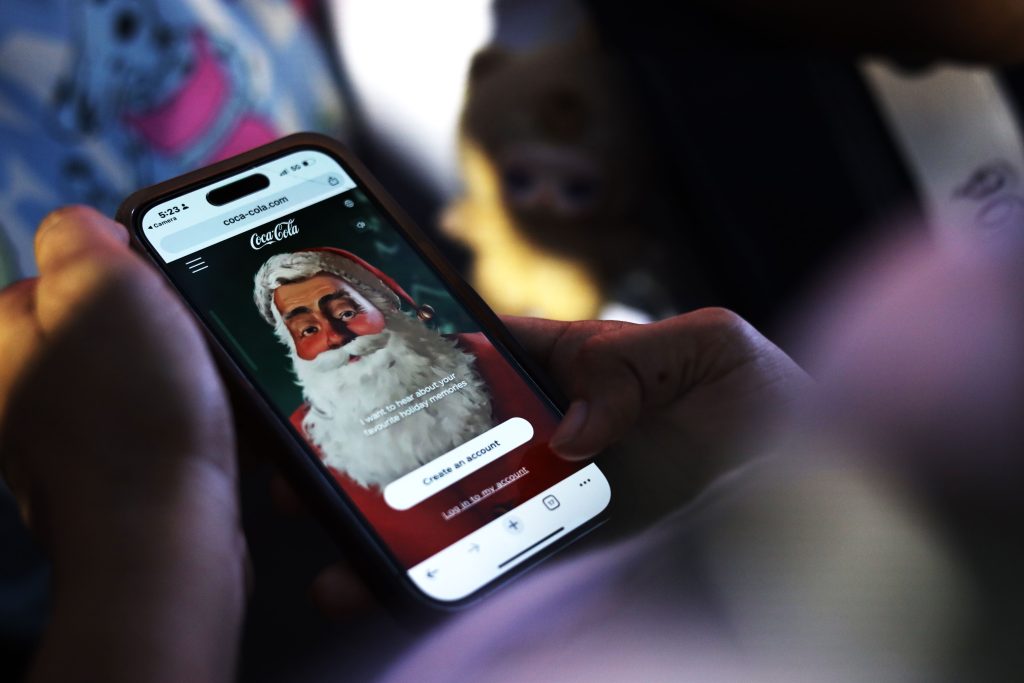
Finally, we’re also seeing the return of nostalgia or “newstalgia.” People are drawn to comfort, familiarity, and the sense of connection that comes with rediscovering something they’ve always loved — but through a fresher lens. For Coca-Cola, that might look like revisiting classic moments, assets, symbols, colours, or flavours but reimagining them with a modern twist to keep them fresh and exciting.
adobo Magazine: What exciting experiences does Coca-Cola have for consumers in the ASP region this year?
Teejae: This year, we’ve seen — and will continue to see — a wave of comebacks, each with a fresh and innovative twist.
We’ve brought back one of our most memorable campaigns over the last years, called “Share a Coke.” It’s been more than 10 years since “Share a Coke” last launched. For the first time, Gen Zs got to experience the joy of connection with “Share a Coke.” Gen Zs are the generation that shares the most, they share playlists, they share memes, in fact they share everything, which is why you see all kinds of videos that they generate. Sharing is how they show they care. And nothing beats sharing in real life. We want a kind of sharing that’s not just lost in a crowd, but a sharing that they can hold on to. So, “Share a Coke,” with their squad with their squad names, has been very interesting for them. Due to the new landscape of media and on-ground experiences, the way they experienced “Share a Coke” was very unique and different from how we did it 10 years ago.
For Foodmarks 2.0, we’ve been partnering with more restaurants and more content creators so that people can discover more places and try more dishes paired perfectly with Coca-Cola.
There’s also a comeback of “Coke Studio.” This is one of our most ambitious “Coke Studio” yet, in terms of creativity. We’re really excited about that.
About Share a Coke
adobo Magazine: What first prompted you to release Share a Coke in 2011?
Teejae: I wish I could say I was part of the original team that launched “Share a Coke” in Australia in 2011. The team in Australia wanted to find a way to bring Coca-Cola back into the hearts and minds of young people. So they tapped into the power of personalization. The idea came down to responding to a fundamental truth about people: we love hearing, seeing, and sharing our own names. It’s personal, it sparks connection, and it turns something as familiar as a Coca-Cola bottle into something deeply meaningful.
By swapping the iconic Coke logo with the most popular names in Australia, they created something instantly relatable and shareable — both in the real world and online. That was a bold move with a huge payoff: consumers didn’t just buy or drink the product — they shared it, literally and figuratively. It redefined how people interacted with the brand.
adobo Magazine: Did anything surprise you about the market when you first launched it?
Teejae: What surprised everyone about “Share a Coke” when it first launched was how quickly people embraced it — not just as a product, but to create moments of connection. The names on the bottles weren’t just fun — they sparked conversations, gift-giving, and even acts of playfulness, like people hunting down unusual names or sharing a Coke with someone they had a crush on!

Another surprise was how much the campaign didn’t need Coca-Cola to tell people what to do with it. Consumers intuitively understood the message — share a name, share a moment. It wasn’t just a campaign — it became a social movement.
Finally, “Share a Coke” showed us the timeless power of personalization. The idea of seeing your name — or the names of people you care about — on a product turned something familiar into something deeply personal and worth sharing.
More than a campaign, it became a global phenomenon that was launched in almost 100 other countries after Australia, including Philippines, Vietnam, Thailand and [the] rest of Southeast Asia.
adobo Magazine: How did these lessons/findings lead you to release Share a Coke again to the Gen Z market?
Teejae: Ultimately, “Share a Coke” has always been about connection. It’s worked for generations because the simplicity of sharing a name speaks to something timeless. For Gen Z, who grew up sharing everything online, personalization is still incredibly relevant, but they don’t just want a product with their name on it — they want to create, co-own and be part of an experience connected to it.
Gen Z is the most “sharing” generation, but most of what they share is fleeting — it disappears into the cloud, a story they post and forget. That’s why with “Share a Coke” 2025, we’re bridging the gap between digital sharing and real-life, tangible moments.
By layering personalization with modern tech and unforgettable on-ground activations, we’re ensuring that “Share a Coke” continues to be just as iconic and meaningful to today’s generation as it was when it first launched. And because they value real-world experiences, we’ve also focused on pairing physical touchpoints — whether that’s at retail activations, pop-ups, or live events — with complementary digital moments, so their connection to the campaign feels seamless, long-lasting and rewarding from every angle.
The comeback of Coke Studio
adobo Magazine: Coke Studio is undeniably one of the most beloved and successful initiatives from Coca-Cola. What was it like to be at the forefront of this?
Teejae: Being at the forefront of “Coke Studio” has been an absolute thrill. As a music fan myself, I’ve always believed in its power to transcend boundaries and connect people. But seeing that belief translate into such a beloved and successful initiative has been incredibly rewarding.
What makes “Coke Studio” so special is that it’s truly for the people. It uses the universal language of music to lift spirits, build connections, and create shared experiences. It’s a platform that allows fans around the world to connect with each other and with the artists they love. To witness that resonance, especially with Gen Z, and to see the joy and excitement it generates, is what makes it all worthwhile.
adobo Magazine: What was the most exciting thing about Coke Studio’s last season?
Teejae: Last year saw “Coke Studio” expand into several new markets. We launched our maiden season in Australia and New Zealand with Tones and I collaborating with Young Franco and CHAII to create a brand-new track and music video. They even engaged their fans on social media, asking for input into the music video.
We launched the song in Australia at the Oxford Art Factory in Sydney, flying in hundreds of fans to be the first to hear it before its Spotify release. It was then playlisted across APAC, Europe, the USA, and Canada, ranking fourth in New Music Friday ANZ, achieving over 3 million streams, 1 million YouTube views in the first month, and amassing 100 million campaign impressions. It was incredibly well-received.
In Thailand, we mirrored this approach, giving fans the opportunity to collaborate with their favourite Thai artists, culminating in “The First Meet” event featuring live performances from top-tier Thai artists like Three Man Down and YourMOOD.
In the Philippines, we kicked off Season 8 by celebrating the music of the past seven years with a limited-edition video vinyl, which resonated with young people and the industry, winning numerous awards. We also celebrated with new songs that were created with the music artists, some of whom were “Coke Studio” alumni, and others were new to “Coke Studio.”
The penultimate event would probably be the September “The Ultimate Fandom Concert” where we gathered all the “Coke Studio” artists in the Mall of Asian (MOA) Arena. Access to the concert was exclusively through purchasing Coca-Cola from our partner e-commerce retailers and outlets. The MOA Arena was packed, truly delivering on “Coke Studio’s” promise to connect fans with each other and their artists.
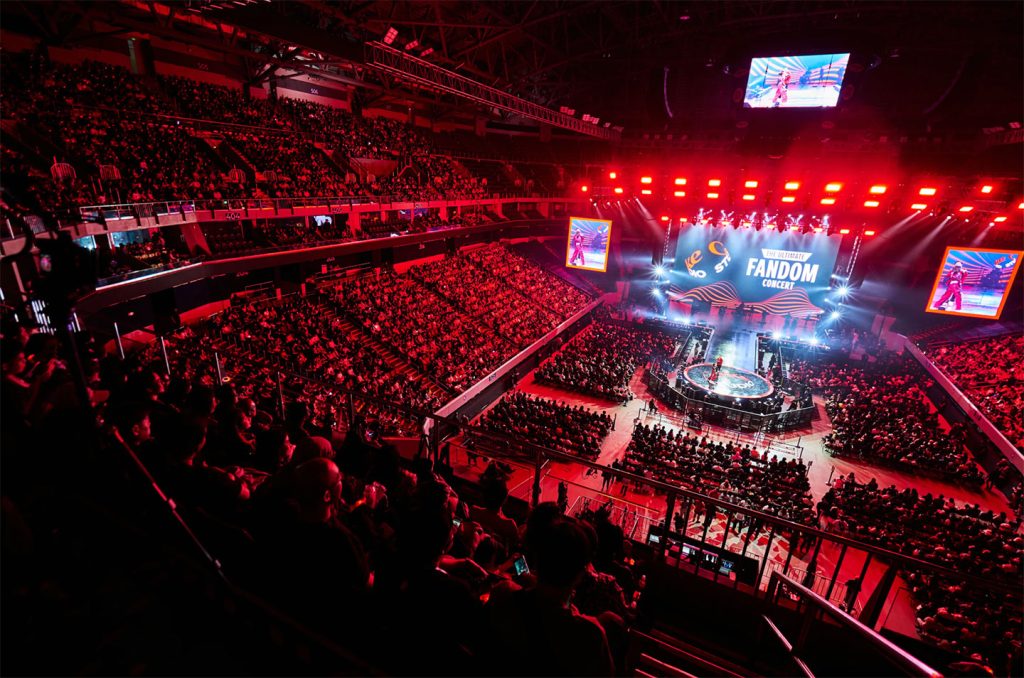
We’ve just launched our new season in the Philippines with the collaboration of “Nation’s Girl Group” BINI together with The Orchestra of the Filipino Youth (OFY) for the feel-good song, “Oxygen”; singer-songwriter and musician Dionela; rapper Alex Bruce; singer-songwriter mrld; singer-songwriter ena mori; and boy band ALAMAT; and another big concert at the Big Dome on September 5, the line-up of which includes Global Artist Lauv. Stay tuned for more on “Coke Studio” in the ASP region.
adobo Magazine: What are the other campaigns of note that you’d like to share? Why does it stand out for you, and what is its significance to the Coca-Cola story?
Teejae: When you say, “Coca-Cola campaigns,” so many incredible ones come to mind — but for me, Christmas campaigns will always have a special place in my heart. Growing up, it was Coca-Cola’s Christmas ads that stayed with me — the iconic Santa’s Caravan of Coke Trucks coming to town, lights aglow, spreading joy wherever it went. It defined Christmas magic for me as a kid.

It’s even more meaningful because my very first campaign as an official Coca-Cola Brand Manager was for Christmas. We brought back the Santa Caravan ad, and using CGI magic, added a distinctly Filipino twist: showcasing Filipino streets lined with parols and families sharing Noche Buena inside their homes. That same campaign also had a touching film about an unconventional family that reminded me a lot of my own — so it was deeply personal.
And as I look ahead to the 2025 Christmas campaign, I can tell you I’m just as inspired as I was back then. The work I’ve seen so far brings both magic and emotion — something I think the world needs more than ever right now. I can’t wait for it to hit the markets and continue that Coca-Cola tradition of uplifting the season.
Of course, I also have to mention the campaign that gave us our latest Lion, “Meet Me at the Coke Sign.” It combines Coca-Cola’s legacy with modern relevance. In Sydney, the Coke Sign at Kings Cross has been a cultural landmark for over 50 years — a place where people have met, celebrated, and created stories over generations. With this campaign, we turned the sign from something static into something interactive and alive. We invited people to share their memories, interact with the sign through augmented reality, and even create new moments together through curated events and pop-ups. It didn’t just celebrate the past — it encouraged new connections in the present. To me, it’s a perfect example of how Coca-Cola turns nostalgia into something active, relevant, and community-driven.

We also just launched our “Coke Time” campaign in some of our markets — reminding everyone how the delicious, uplifting, great taste of Coca-Cola helps you get back and be in the moments that matter. I am also excited about the upcoming season of “Coke Studio” which is one of our more experimental seasons yet.
Finally, next year brings one of Coca-Cola’s most exciting partnerships: the FIFA World Cup 2026 Finals. And this time, there’s extra excitement in our region. From retail activations to exclusive merchandise to shared fan experiences, there’s so much in the works to bring the excitement and emotions of this landmark global event closer to home.
These experiences, taken together, underscore Coca-Cola’s commitment to fostering human connection and spreading kindness, values that are more important now than ever.
adobo Magazine: What’s the fine line that differentiates a brand’s role from being seamlessly integrated into a consumer’s life, to invading the consumer’s space or being too in-your-face? Especially for an occasion as intimate and personal as mealtime.
Teejae: For me, the key difference lies in the brand’s role: Are you enhancing the moment, or are you interrupting it? At Coca-Cola, we’ve learned that when it comes to mealtime — a deeply personal and emotional occasion — you have to respect the table.
Coca-Cola’s role isn’t to steal the spotlight; it’s to belong. How do we do that? By amplifying and adding magic to what’s already there — delicious food, good company, and moments of connection — rather than distracting from it. Whether through campaigns like Foodmarks, which guide consumers to hidden dining gems, or our partnerships with food apps like Grab, we focus on creating seamless value: pairing great meals with the perfect refreshing complement, Coca-Cola.
adobo Magazine: Final question, Teejae. For you, personally, what’s your go-to meal to pair with Coke that you can consider as your favorite? Why?
Teejae: This is hard for me because I eat most everything with a Coke: pandesal with Coke; kare-kare with Coke; even durian with Coke. I’ve tried them all, and they always work. But if I had to pick one standout pairing, it would be adobo with rice and Coke.
And it’s not because I’m talking to adobo Magazine — there’s just something about adobo’s rich, bold flavors: the sourness of the vinegar, the savouriness of the soy sauce, the flavors of the garlic and spices. And then you add an ice-cold Coke or Coke Zero to the mix, and suddenly everything comes alive; it’s a fiesta in my mouth. The Coke cuts through the richness perfectly and leaves this light, refreshing balance in your mouth. It’s hard to explain — it’s almost like adobo and Coke are made for each other.
But meals are never just about the food on the plate, are they? Adobo with rice and Coke remind me of home-cooked meals with my family or simple “recovery food” with friends after a night of partying. For me, the best kinds of meals don’t just satisfy your appetite — they create moments you carry with you. Adobo with rice and Coke has that magic for me. It’s not flashy or complicated; it’s just simple, soulful, and real.