


MANILA, PHILIPPINES – As the Philippines marches toward becoming an aging society, one truth becomes clearer than ever: the current systems in place are woefully underprepared to support the growing population of senior citizens. The Philippine Statistics Authority pegs the country’s total population at 112.7 million in 2024, and a significant portion of this number — those aged 60 and above — is steadily increasing. This shift demands urgent reforms in healthcare, pension, and social protection programs. But instead of strengthening state support, a recent legislative proposal appears to be shifting this burden onto the backs of young Filipinos already crushed by poverty.

Senator Panfilo “Ping” Lacson has refiled Senate Bill No. 396, also known as the Parents Welfare Act of 2025, which mandates children to support their aging parents or face penalties. Citing Article 195 of the Family Code on mutual family support, the bill aims to ensure elderly parents are cared for. But many see this as a misguided attempt to legislate morality, one that overlooks the realities of Filipino life — and risks deepening generational trauma.
At the heart of the Philippines lies a deeply entrenched cultural belief where Filipino parents, especially from low-income families, have tendencies in raising multiple children in the hope that one day, one of them will become their savior. It’s a cycle powered by desperation — a belief that out of seven kids, surely one will succeed and “repay” the sacrifices made. But this social contract, often unspoken, is increasingly untenable in a country where structural support is lacking and opportunities are scarce
“Children do not choose their parents. Parents choose to bring children into the world,” a concerned citizen posted online, echoing what many young Filipinos feel. “So why must love be demanded from children when it was never taught or shown by their parents? Why legislate debt where there was never emotional investment?”
The bill has sparked criticism for ignoring the harsh realities of Filipino family life. What about children who were abandoned, neglected, or abused? Who will hold parents accountable for inflicting lifelong wounds on their children—emotional, financial, or physical? Is it fair to demand care from someone who never received it in the first place?
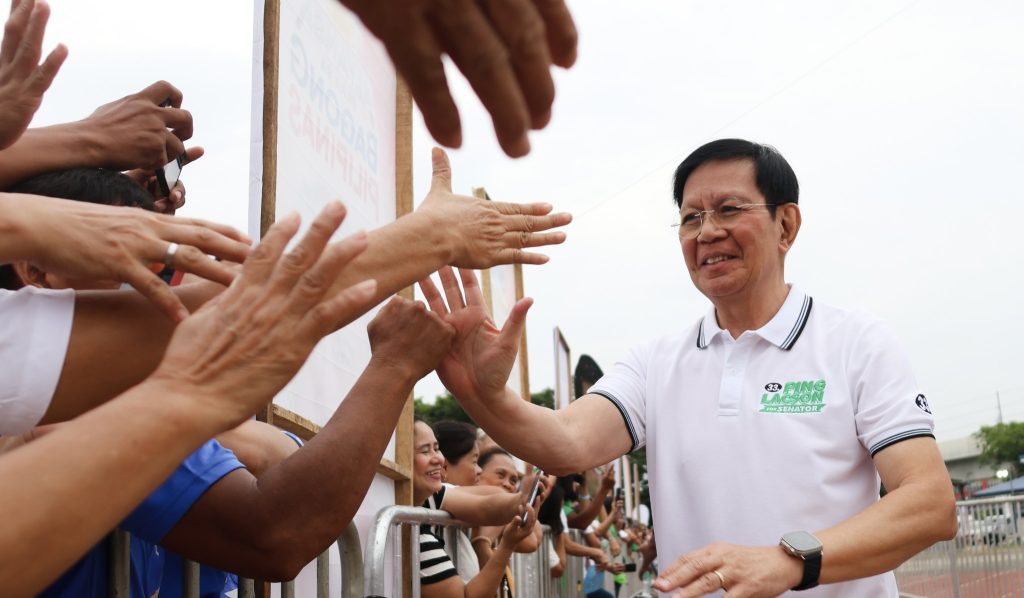
Senator Lacson has since clarified that his proposal does not compel children to support parents who have been abusive or neglectful. “Walang obligasyon ang anak na magsuporta sa magulang na nang-abuso, nag-abandon, o nagpabaya sa kanya,” he stated. Yet even this clarification does not address the broader concern: that the bill may be a convenient way to deflect responsibility from where it truly lies — on the state.
Filipino taxpayers deserve more. Nowhere in United Nations frameworks on aging and elder care does it recommend burdening adult children with the full weight of caring for their parents. Instead, it calls on governments to adopt comprehensive, state-led solutions — such as universal pension schemes, accessible geriatric care, housing support, and mental health services for the elderly. These goals can only be achieved through stronger inter-agency coordination, increased public funding, and inclusive health systems — not by passing the buck to children who are already barely surviving.
In the Philippines, public healthcare remains underprepared to meet geriatric needs. Pension systems are limited, with many seniors relying on the Social Pension for Indigent Senior Citizens, which gives only ₱500 a month — under the Department Social Welfare Program (DSWD) barely enough for medication, let alone basic needs. With the minimum wage lagging far behind the rising cost of living in the Philippines, how can we expect struggling youth to support both their children and their aging parents?
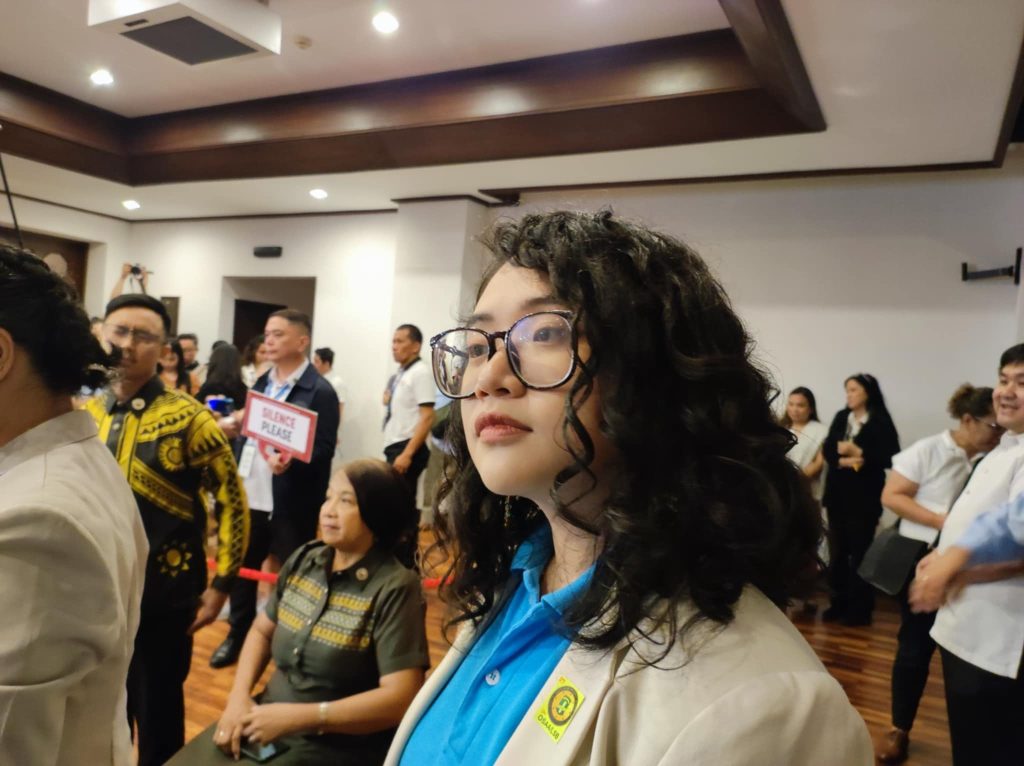
Representative of Kabataan Partylist and Rep. Renee Co has been vocal in opposing the bill. Co, in particular, minced no words: “Children shouldn’t be hostaged to become retirement plans. Huwag nating isabatas ang sapilitang pagbayad ng utang na loob. Kontra-mahirap ito at mapanira sa pamilya.”
She rightly points out that healthy families require state support — livable wages, accessible healthcare, quality education. Empowered citizens give more. Forced ones break down. Yes, there are religious and elderly groups who support the bill, citing moral responsibility and gratitude as binding obligations. Many of them say: “We raised our children, now it’s their turn to take care of us.” But morality is not the same as law, and emotional obligation should never be legislated — especially when the law ignores the lived realities of many young Filipinos from laylayan communities, the fringes of society.
Does his bill heal families or does it fracture them further? It diverts attention from the real issue: the failure of our systems to create an environment where both elders and the youth can thrive. For many young people today, the burden isn’t just emotional — it’s economic, mental, and physical.
Instead of compelling care through coercion, the state must lead with compassion,
responsibility, and foresight. Let’s fund universal healthcare. Let’s increase pension support. Let’s invest in programs that allow both generations to live with dignity. Because when the state does its job, families can do theirs without breaking.
It’s time we ask: Are we building a society that cares for its elders, or simply creating another layer of burden for those already drowning?
Let’s legislate dignity, not dependence. Let’s push for structural change — not scapegoat the struggling.