

Leadership has never been a one-way street. Yet across industries, many of the women shaping business, media, government, communications, and the creative sector have often led from the sidelines of the public narrative.
adobo Magazine brought these voices front and center at this year’s adobo SheCreative Pride Session: Leading Out Loud for conversations on leadership, visibility, and meaningful inclusion, on Friday, June 19, at The Astbury in Makati City.
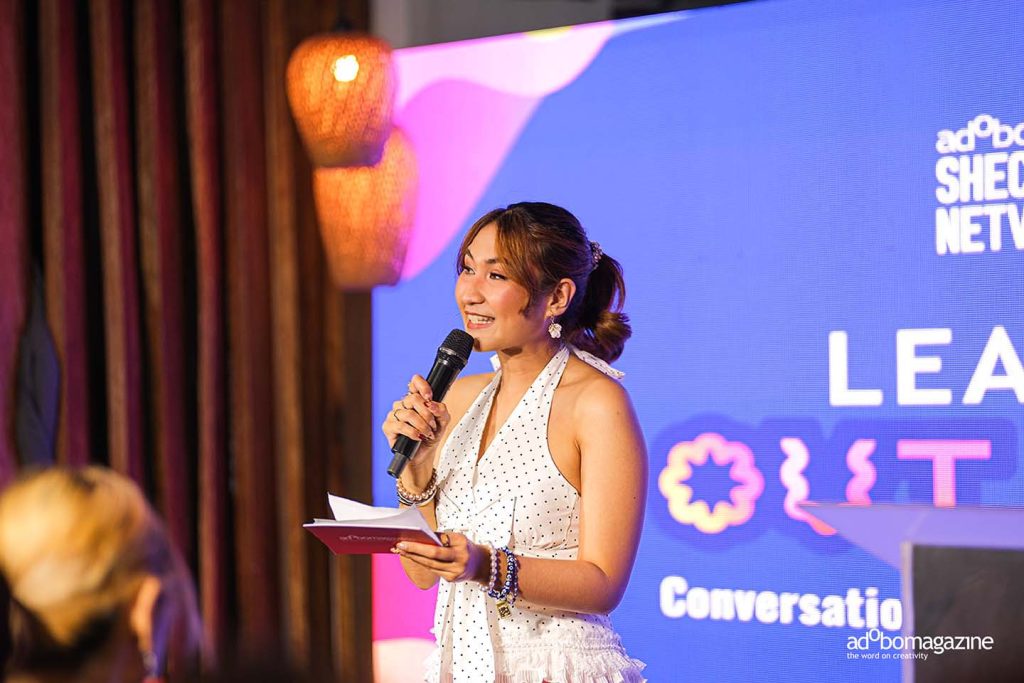
Hosted by Jam 88.3 radio host and OneSports+ video jockey Yen Supan, the session was a timely and much-needed discussion on the evolving face of leadership. The event also examined what it means to lead authentically in spaces where representation has historically been limited, and where inclusion must extend beyond symbolism.
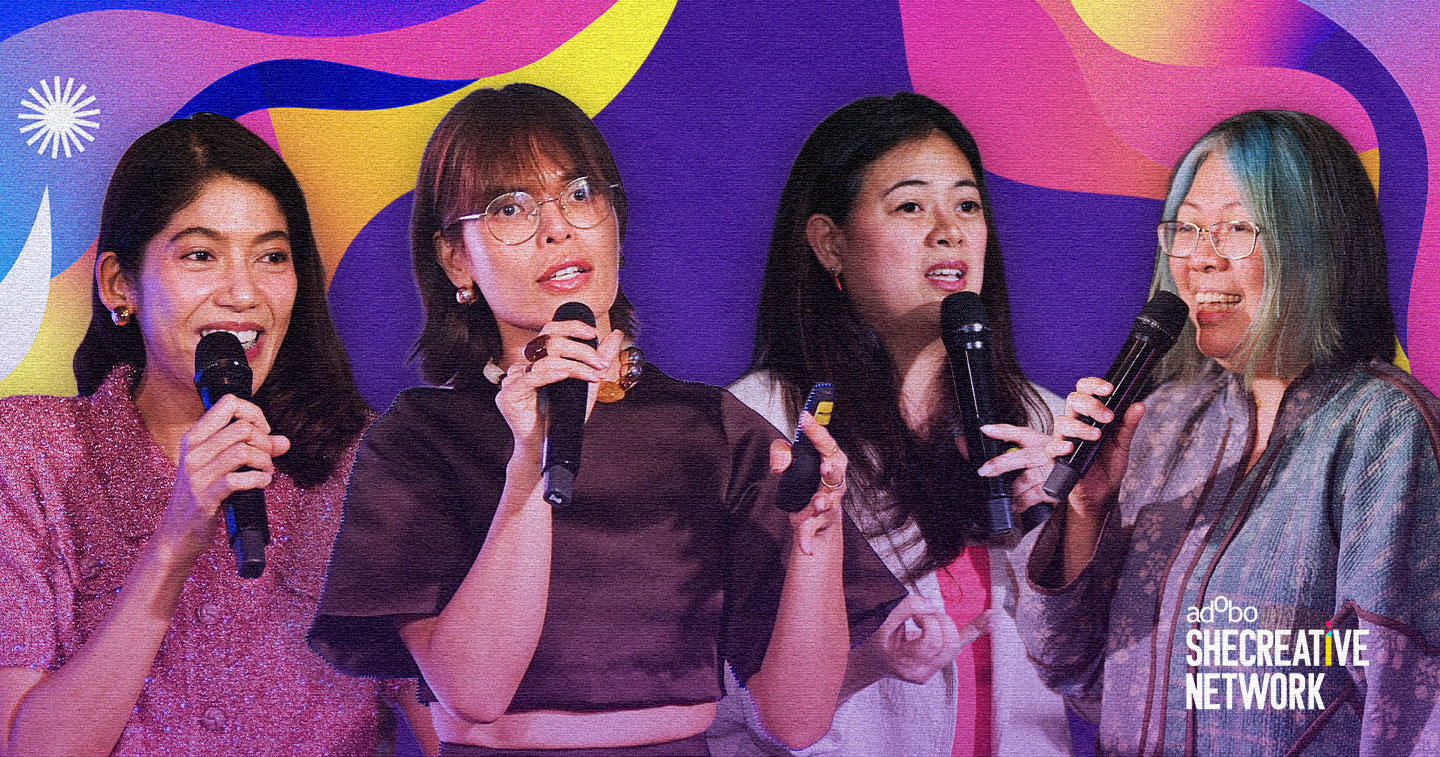
These ideas were brought to life by four accomplished leaders whose careers span public relations, public policy, the creative industries, and the performing arts, namely Castro PR Managing Directress Janlee Dungca; Department of Social Welfare and Development (DSWD) Undersecretary and Chairperson of the Special Committee on LGBTQIA+ Affairs, Diversity and Inclusion Committee Atty. Elen Pasion; TREYNA Group Creative Chair Leigh Reyes; and Creative CEO and Cultural Leader of Fire & Ice Media Productions Liza Diño.
They offered distinct yet complementary perspectives on leading with purpose while navigating systems that have not always been designed with LGBTQIA+ leaders in mind.
Pride as armor
Janlee traced her journey from a “little girl in hiding” to a queer leader shaping brands, communities, and advocacy in the Philippines, emphasizing her personal narrative, gender theory, and leadership philosophy while offering a powerful template for how identity and leadership can strengthen, not contradict, each other.
Although she excelled academically — graduating valedictorian from a public elementary school and becoming a lifelong scholar — her entry into the professional world was marked by discrimination.
After a brief stint in advertising that ended in burnout, she applied for a student formator role in a well-known academic institution. She passed three rigorous stages, making it to the final round alongside one other candidate, a cisgender woman. However, the odds were against Janlee.
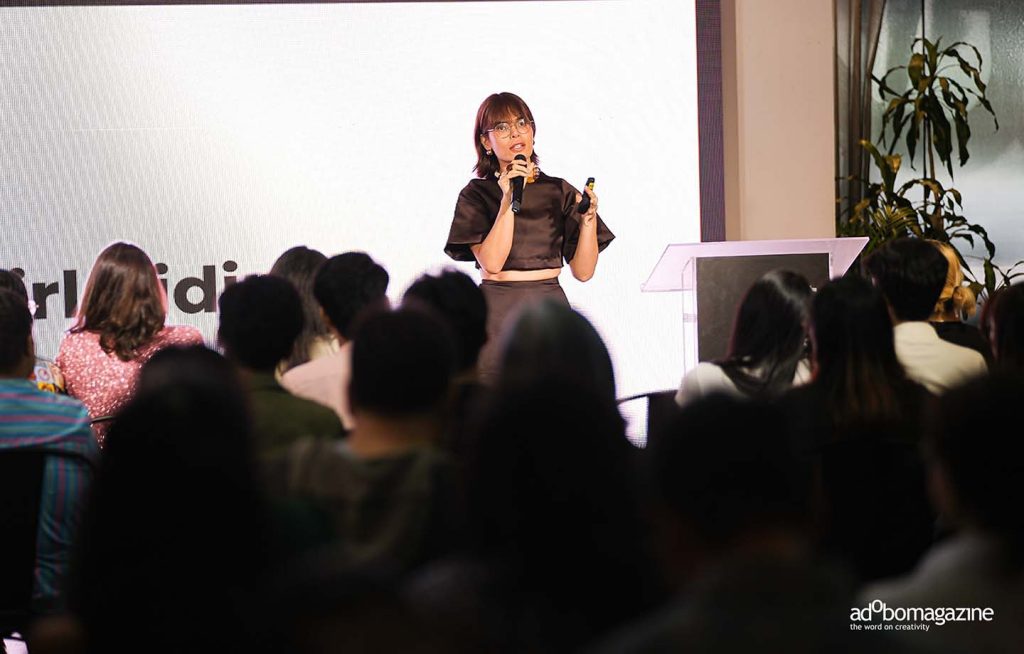
“I didn’t get the job because I’m trans… My friend who worked in the HR department told me that back then, this was 2011, they weren’t ready to hire trans people yet,” she said.
She admitted she didn’t know how to fight it then and simply endured the outcome. But that rejection would later become the pivot that led her to Castro PR, founded by a fellow trans woman. What began as a pragmatic choice became the foundation for a 14-year career in public relations and advocacy. From there, she built not just a career, but a model of queer leadership rooted in acceptance, resilience, and purpose.
“I was new in PR. I started from the bottom— admin work, paying the bills, everything. I was scared because I was a newbie, but then I realized this isn’t too bad because I was accepted.”
Through these experiences, Janlee reframed pride not as a seasonal celebration but as a defensive and generative force.
“I realized as a queer leader that pride is our armor against prejudice. No matter how many times we get discriminated against, if we have a very solid sense of identity and self-worth and pride, then we’re gonna succeed,” she said.
For her, leadership is not about fitting into a preexisting mold; it’s about reshaping the space so that others don’t have to hide the way she once did.
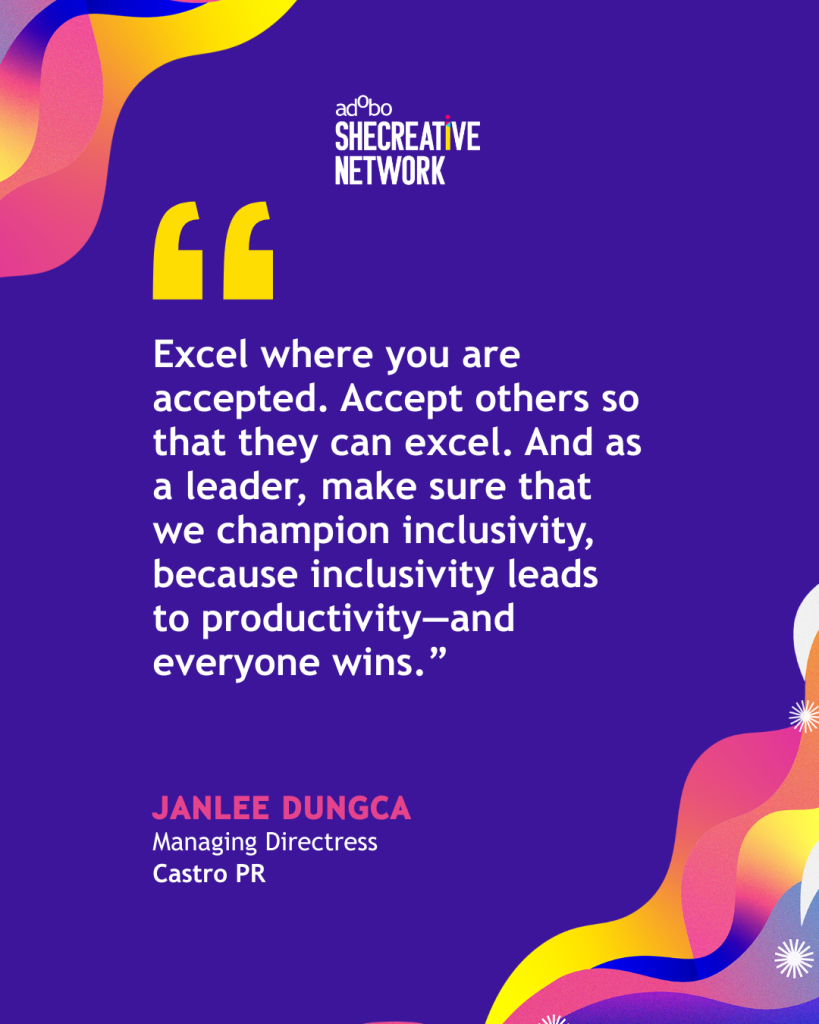
“Excel where you are accepted. Accept others so that they can excel. And as a leader, make sure that we champion inclusivity, because inclusivity leads to productivity—and everyone wins.”
Gender-responsive governance
Speaking as both a public servant and a proud queer woman, Atty. Elen framed her work not just as a legal mandate, but as a deeply personal calling. She wanted to move the Philippines from being perceived as “LGBTQ-friendly” to becoming genuinely inclusive in law, policy, and lived experience.
Atty. Elen shared how accepting the role in the Special Committee on LGBTQI+ Affairs before treading the legal landscape meant embracing leadership that is both political and personal.
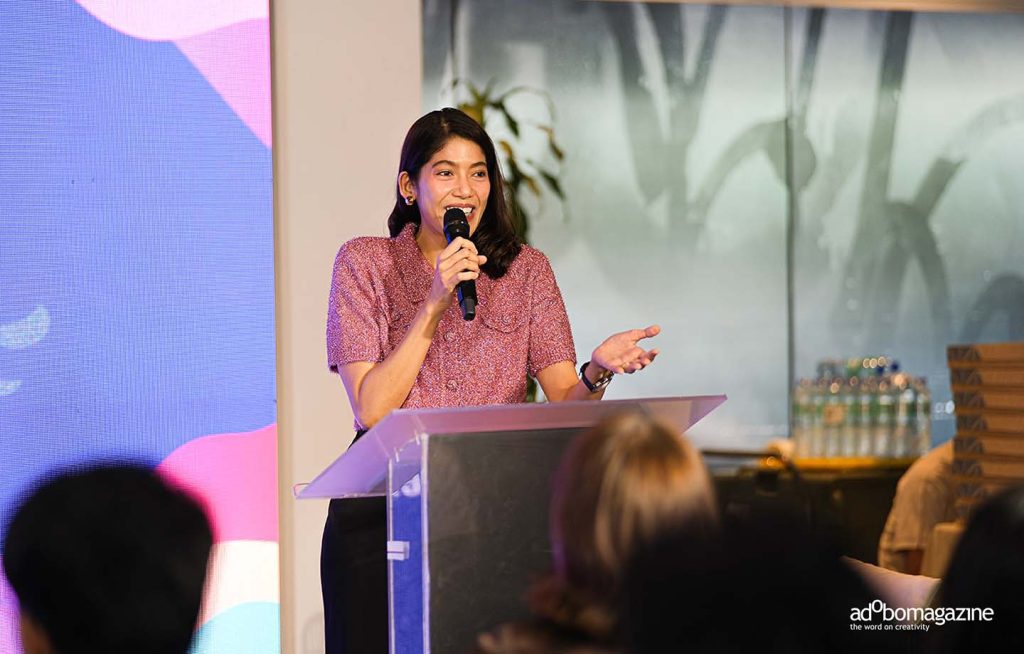
Already an Assistant City Prosecutor, she admitted she initially questioned whether accepting a national leadership role was the right move. The shift was not just about career trajectory but about who she was choosing to stand for.
“I am already in a permanent position as the Assistant City Prosecutor of Mandaluyong. I prayed, and what came into my mind was this wisdom: you’ve been serving the indigent group of society, being a public lawyer, a prosecutor. Why not serve your own community?” she shared.
The attorney then carefully laid out the current state of LGBTQI+ and gender-related policies in the Philippines. She acknowledged laws addressing LGBTQI+ concerns, including the Anti-Bullying Act, the Mental Health Act, the Philippine HIV and AIDS Policy Act, and the Safe Spaces Act, but underscored a crucial absence.
Per her, while several laws have been enacted to address issues affecting the LGBTQI+ community, the country still has yet to pass a national law that explicitly recognizes and protects the rights of the LGBTQI+ community as a sector.
“For more than 25 years, the LGBTQI+ community has been waiting for the passage of the SOGIE Equality Bill. Despite being refined time and again in both the Senate and the House of Representatives, it remains unpassed and has yet to be enacted into law,” she said.
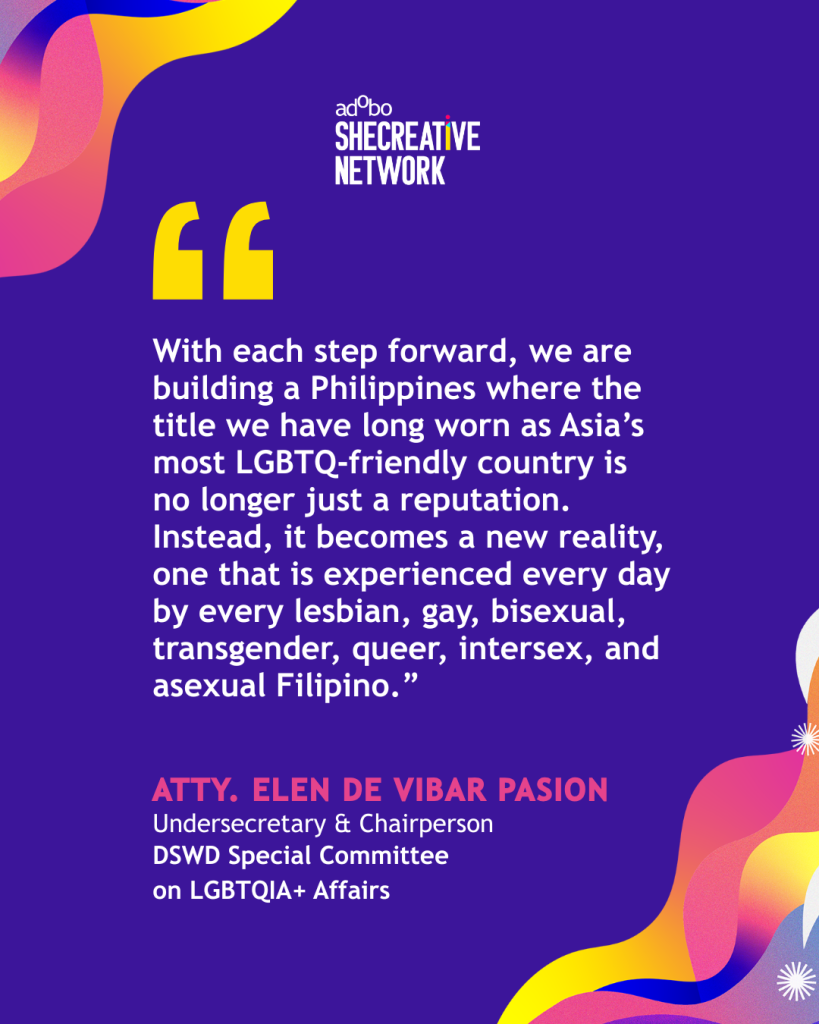
Atty. Elen highlighted a major institutional breakthrough, despite the lack of a SOGIE law: the creation of the Special Committee on LGBTQI+ Affairs under Executive Order No. 51, signed in December 2023 by President Ferdinand Marcos Jr.
According to her, the committee’s primary mandate is to embed LGBTQI+ concerns at the heart of policymaking while ensuring ongoing consultation and dialogue with the LGBTQI+ community. The committee also generates reliable information and leads in programs and initiatives that promote inclusion, protect rights, and improve the well-being of LGBTQIA+ persons.
Ultimately, Atty. Elen returned to the Philippines’ long-held image as “Asia’s most LGBTQ-friendly country” and challenged her audience to help make that perception measurable and lived.
“With each step forward, we are building a Philippines where the title we have long worn as Asia’s most LGBTQ-friendly country is no longer just a reputation. Instead, it becomes a new reality, one that is experienced every day by every lesbian, gay, bisexual, transgender, queer, intersex, and asexual Filipino.”
She added, “I long for the day when that recognition is not just given to us from the outside, but affirmed from within by the LGBTQ+ community itself.”
Leadership is about who gets seen
Liza, a multitalented artist, on the other hand, discussed her artistic journey from government work to the creative world, emphasizing the importance of representation, visibility, and inclusion in Filipino media.
For her, leadership in the creative industries is inseparable from leadership in gender representation.
“Representation comes in waves, and visibility, when sustained long enough, turns into inclusion,” she said.
She also discussed the “wave” of representation, a curve that shows how different identities sit at different points along a spectrum from invisibility to visibility to full inclusion.
For instance, she pointed out how gay male characters in Philippine media evolved from the stereotypical “comic sidekick” to ordinary presences that no longer require explanation.
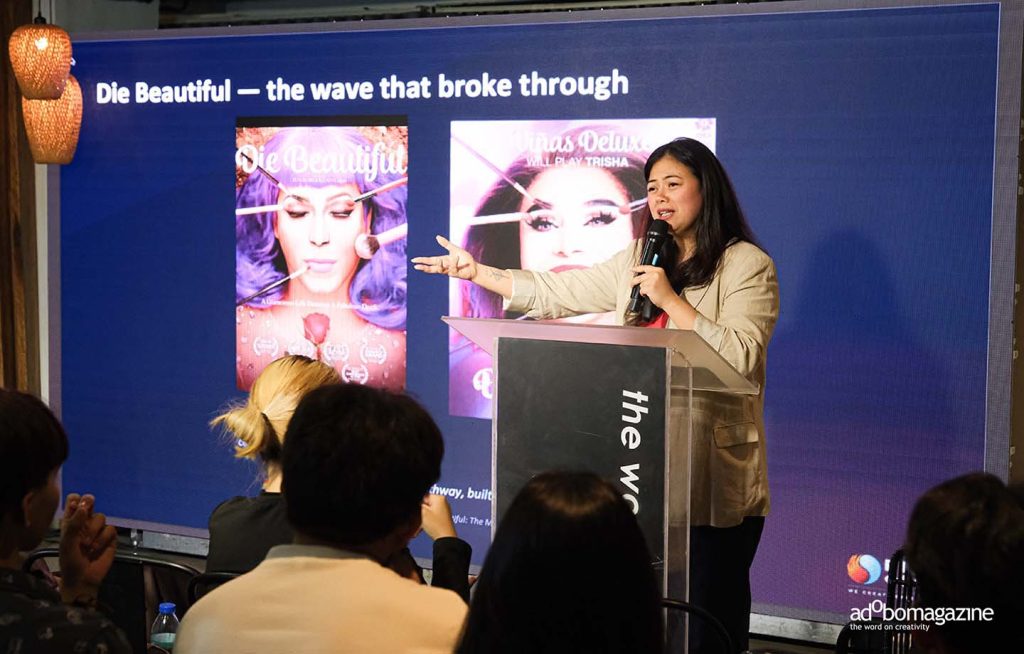
However, she noted that other stories from other spectrums remain neglected. It includes trans stories that sit lower on the curve, sapphic and lesbian stories that are lower still, but gathering visibility and non‑binary identities that are further down, with very little visibility.
With these, Liza argued that leadership is about pushing the wave forward—not just for one identity, but across the spectrum.
Moreover, Liza got candid about a truth many prefer not to say out loud: casting is political— and financial. She describes how the debate around “Die Beautiful: The Musical” — specifically, whether trans roles should be played only by trans actors — revealed how representation and bankability are always weighed against each other.
“In the film and entertainment industry, this is really how it works, because at the end of the day, while we are going for authenticity, ang daming factors na kailangan i‑consider [including] the bankability of a project. How is it going to get financed? How are we going to bring the audiences to watch it?” she said.
Through a three-way casting exercise, Liza also acknowledged that authentic inclusion is often a gradual process. During the early stages of increasing LGBTQIA+ visibility, productions sometimes prioritize casting decisions that help stories reach a wider audience and secure commercial support.
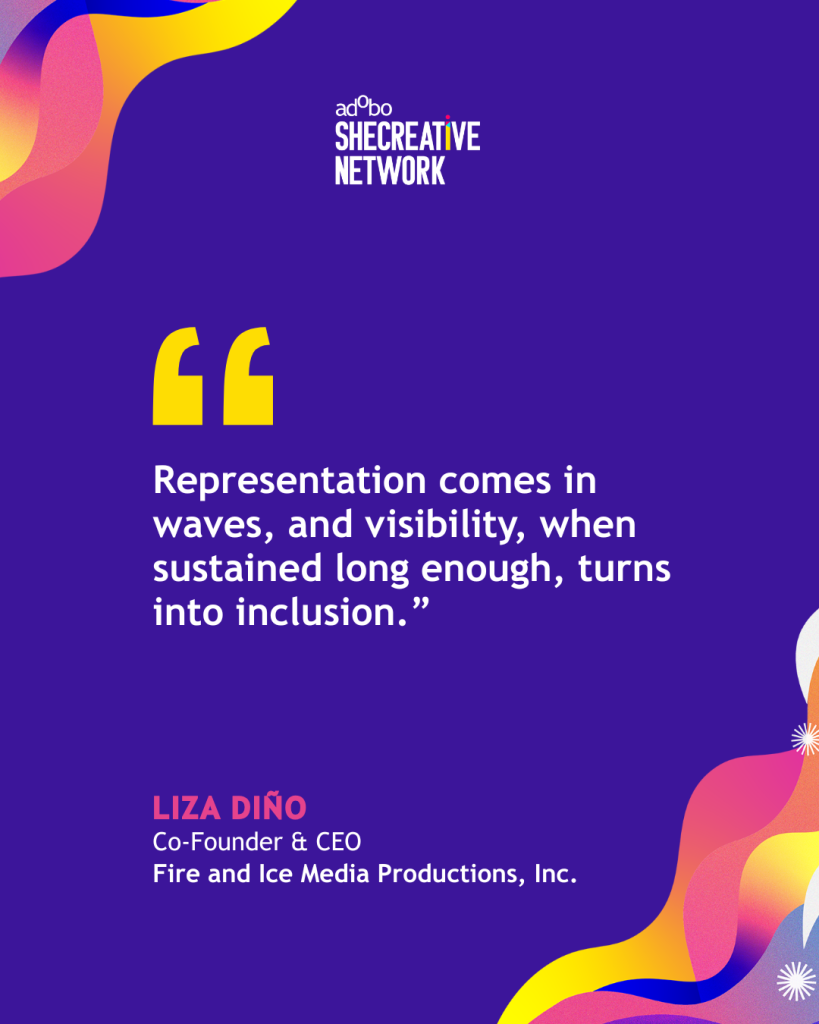
“Early in the wave, you cast for reach,” she explained, emphasizing that creators often make pragmatic choices to ensure queer stories are produced and seen by as many people as possible.
As the industry matures, however, the conversation must evolve.
“Later in the wave, you cast for inclusion,” Liza said, highlighting the importance of creating opportunities for LGBTQIA+ actors and creatives to tell their own stories and bring lived experiences to the screen.
For Liza, the guiding principle throughout this evolution is intentionality. She stressed that creative decisions should always be rooted in dignity and care, regardless of who is cast.
“We make choices as long as there is honor and there is respect for the roles that are being played,” she said, underscoring that authentic representation is not only about who appears on screen, but also about approaching stories and identities with genuine respect.
‘What benefits our LGBTQIA+ community benefits all of us’
Treyna’s Leigh Reyes discussed intertwining creative leadership with hard-won progress for LGBTQIA+ rights, framing it not as a title, but as a series of intentional and courageous choices, especially when gender, power, and visibility are on the line.
At the heart of the talk was Right to Care, a pioneering initiative that uses a special power of attorney to allow partners — particularly same-sex and non-traditional couples — to make critical medical decisions for each other in emergencies.
For Leigh, this legal innovation is inseparable from leadership. It’s an example of how leaders inside agencies, brands, and institutions can see the “gem” in an idea, fight for it, and transform it into something with real-world impact.
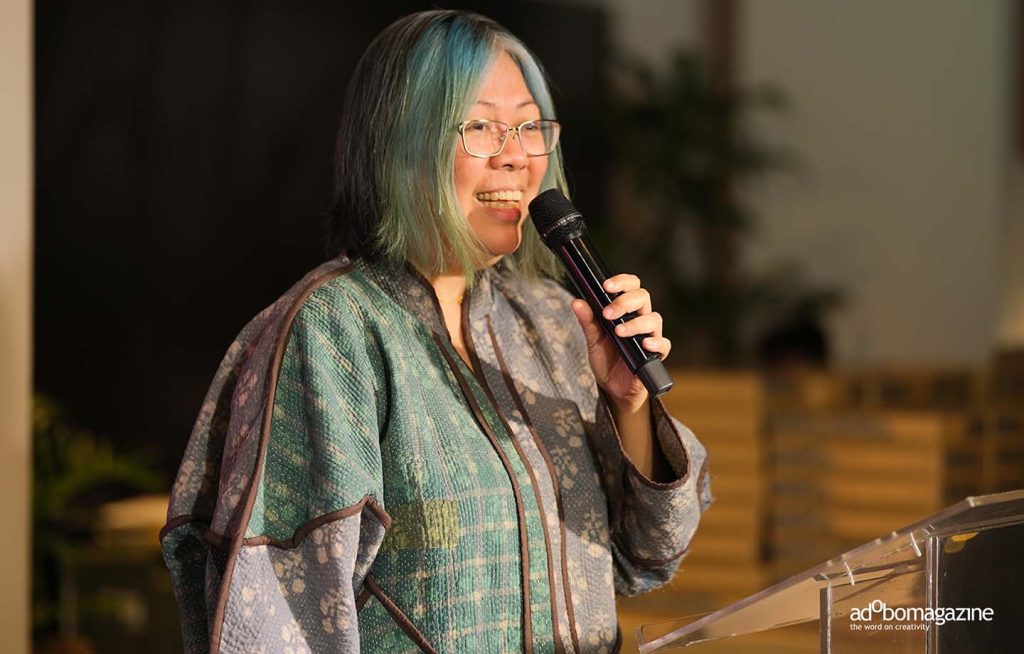
Likewise, Leigh believes that leadership is not about making statements of support; it is about making decisions that reflect those values. She also challenged leaders across agencies, brands, and organizations to go beyond symbolic gestures and commit real resources to advancing LGBTQIA+ inclusion.
“Part of our job as agency people is to be brave enough to help our clients understand that what’s good for the community is good for their business,” she said, emphasizing that purpose and business growth are not mutually exclusive.
She also drew a clear distinction between performative allyship and meaningful leadership.
“It is not enough for leaders to say that they support LGBTQIA+ progress and rights. Leaders must put their money where their mouth is. When you commit real resources to a project, it moves you from performative allyship to real impact.”
Using advocacy-led campaigns such as Close Up’s “Free Plug,” Avon’s “Come As You Are,” and Google Philippines’ “For Love Rules,” Leigh illustrated how brands can champion inclusion consistently, not only during Pride Month, but across years and platforms.
Leigh also encouraged leaders to build “brave spaces,” where allies actively use their influence to speak up for marginalized communities. “
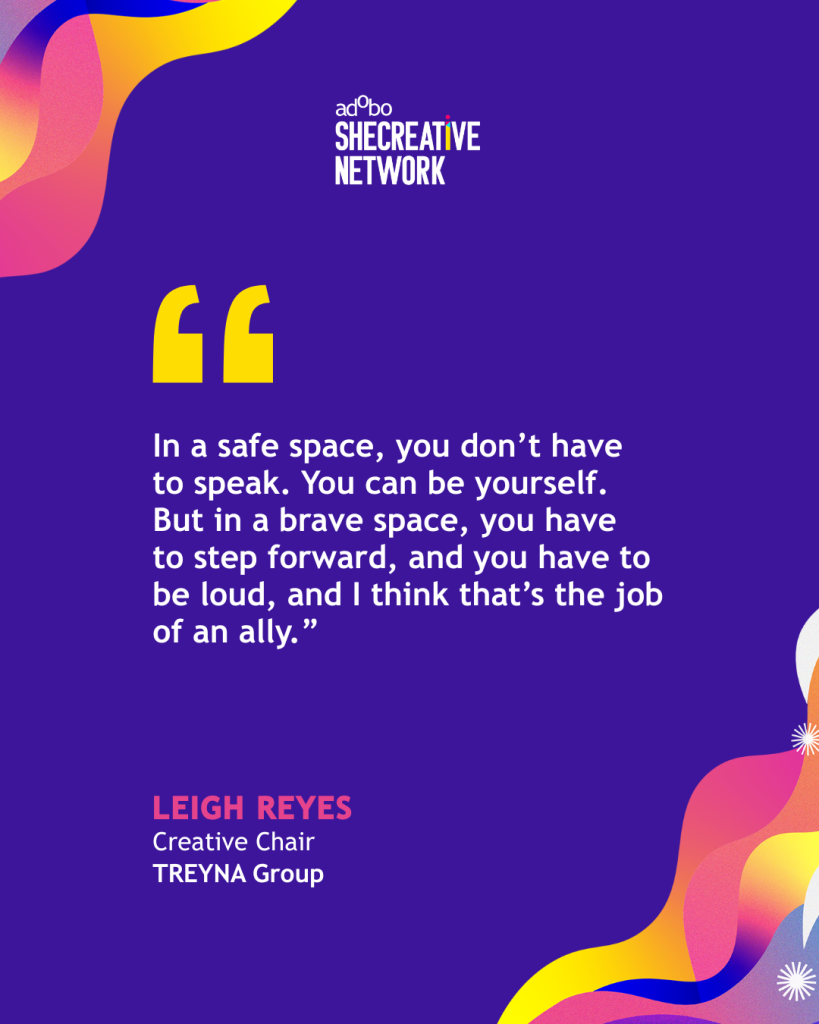
“In a safe space, you don’t have to speak. You can be yourself. But in a brave space, you have to step forward, and you have to be loud, and I think that’s the job of an ally,” she said.
For those in positions of privilege, she added, “You have the privilege that many do not, so you have to maximize that privilege. You have to be loud in spaces where they are not present, and usually… that’s in spaces where money is.”
She concluded by highlighting the “curb cut phenomenon,” the principle that solutions designed for marginalized communities often improve life for everyone. Citing the Right to Care initiative, she explained that policies created to address the needs of LGBTQIA+ couples also benefit millions of Filipinos in non-traditional relationships.
“From the top, the support must be vocal and visible. You have to step up and defend your people because you have the platform that sometimes they don’t. You cannot be an ally only when it’s nice. That’s the worst part, especially if you’re a leader.”
What does it truly mean to lead out loud?
Janlee, Leigh, and Liza joined a panel discussion on leadership, representation, and allyship in today’s creative industries.
Moderated by Yen, the discussion kicked off with their personal takes on leading out loud.
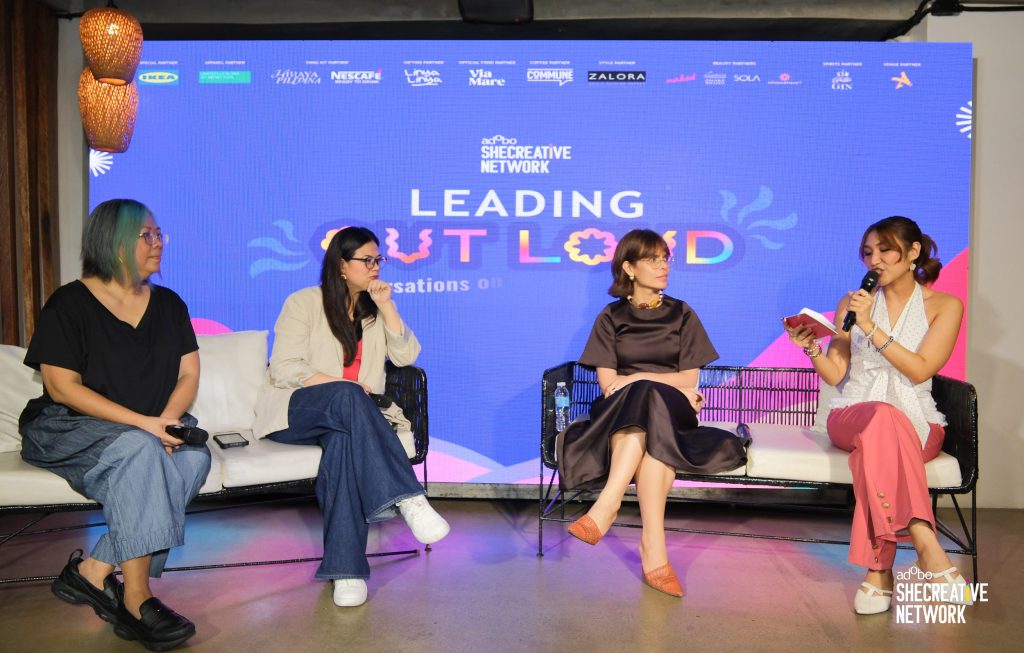
For Janlee, leading out loud begins with embracing one’s authentic self.
“As queer people or queer leaders, setting an example by living your truth, by living authentically as who you are, already is leading out loud. Bravery means that you’re unapologetically true to yourself, and by being so, you inspire others to also be the same,” she said.
Meanwhile, Liza implied that visibility comes with vulnerability. Speaking about her stage play “Choosing,” she described “leading out loud” as being willing to take creative risks to make underrepresented communities visible.
“Leading out loud is when you’re actually willing to trailblaze, to take that first step to create more visibility,” she said.
The discussion then shifted from representation to responsibility. As an ally, Leigh argued that leadership is less about occupying the spotlight than creating space for others.
“You have the privilege that many do not, so you have to maximize that privilege. You have to be loud in spaces where they are not present, and usually, that’s in spaces where money is.”
She also challenged leaders to move beyond symbolic support, reminding the audience that meaningful allyship requires tangible commitments.
“It is not enough for leaders to say that they support LGBTQIA+ progress and rights. Leaders must put their money where their mouth is.”

During the open forum, the panel tackled a familiar dilemma for agencies and production houses, including how to respond when clients reject LGBTQIA+ representation.
Leigh then encouraged creatives to be strategic rather than confrontational, saying that creatives “don’t have to win every battle” as “brave clients deserve your great ideas.”
Additionally, she advised finding common ground and building trust until brands are ready to embrace more inclusive work.
Liza then echoed the importance of balancing creative vision with commercial realities, sharing how her series “Never the Bride” was developed for audiences across Southeast Asia. Rather than abandoning queer representation to satisfy investors, the team looked for ways to keep LGBTQIA+ stories at the heart of the project while remaining culturally sensitive.
The conversation concluded with a strong reminder that inclusion starts within organizations long before it reaches consumers. When brands seek partnerships during Pride Month, Janlee said the first question should always be about their workplace culture.
“The very first thing we would ask is if they have inclusive policies in the workplace, because that’s where it all starts. They need to walk the talk.”
She also warned that representation without structural support can do more harm than good.
“Diversity without inclusion is harmful. You hire queer people, but then there’s no inclusivity because you don’t have inclusive policies.”
For Janlee, authentic Pride campaigns require more than rainbow branding. They require consultation with LGBTQIA+ communities, meaningful workplace policies, and benefits that directly support the people whose stories brands hope to tell.
Taken together, the panel emphasized that living and leading out loud is not about being the loudest voice in the room. It is about having the courage to live authentically, the conviction to advocate for others, and the commitment to build institutions where inclusion becomes part of everyday practice rather than a once-a-year campaign.
adobo SheCreative Pride Session: Leading Out Loud was made possible with the support of our partners:
Special Partner
- IKEA Philippines
Apparel Partner
- United Colors of Benetton
Swag Kit Partner
- Hiraya Pilipina
- Nescafe
Beauty Partners
- Naked
- Vitanature
- Sola
- Snake Brand
Gifting Partner
- Linya Linya
Official Food Partner
- Via Mare
Coffee Partner
- Commune Coffee
Spirits Partner
- GSM Premium Gin
Style Partner
- Zalora Philippines
READ MORE:
Moonleaf celebrates Pride Month with community weekends this June