
The Design Center of the Philippines has unveiled the winners of the Good Design Award (GDA) Philippines 2026, celebrating projects that embody the Filipino value of malasakit while demonstrating excellence in form, function, and innovation.
Malasakit is a deep Filipino cultural concept that translates to sincere compassion, empathy, and selfless concern for others
Established in 2019 by the Design Center of the Philippines in partnership with the Japan Institute of Design Promotion (JDP) and the ASEAN Japan Centre (AJC), the Good Design Award Philippines is the country’s national design excellence recognition system.
The awards program aligns with Japan’s globally respected Good Design framework while championing a distinctly Filipino approach to design—one rooted in empathy, community, and sustainable impact.
This year’s winners span object making, image making, placemaking, systems and services, material innovation, and civic design, reflecting how Filipino creatives continue to use design as a tool for social transformation and nation-building.
“Our ambition is to unleash the transformative power of design in the Philippines, cultivating a future where Filipino innovation flourishes, local impact is realized, social transformation is enabled, and future generations are empowered to create a brighter world,” said DCP Executive Director Maria Rita O. Matute in her closing remarks.
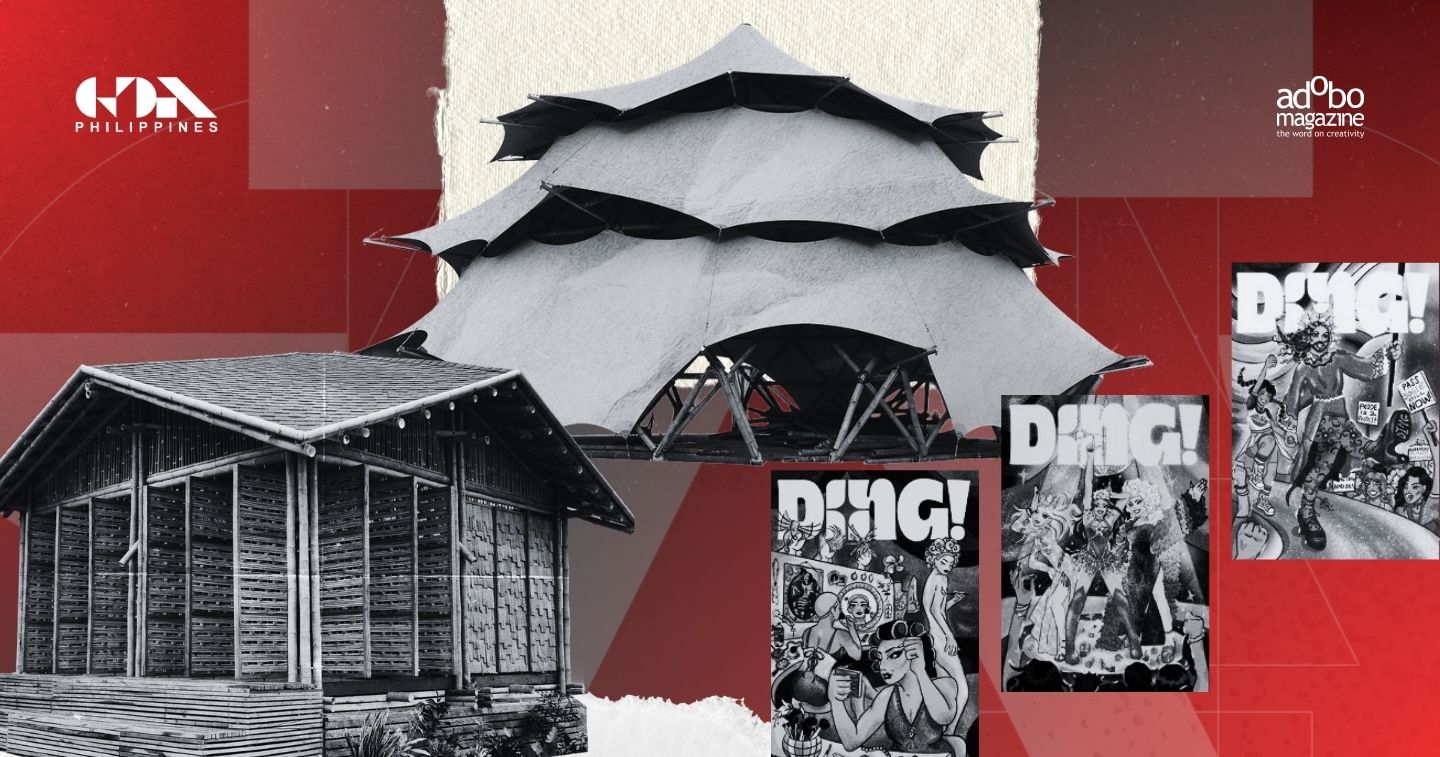
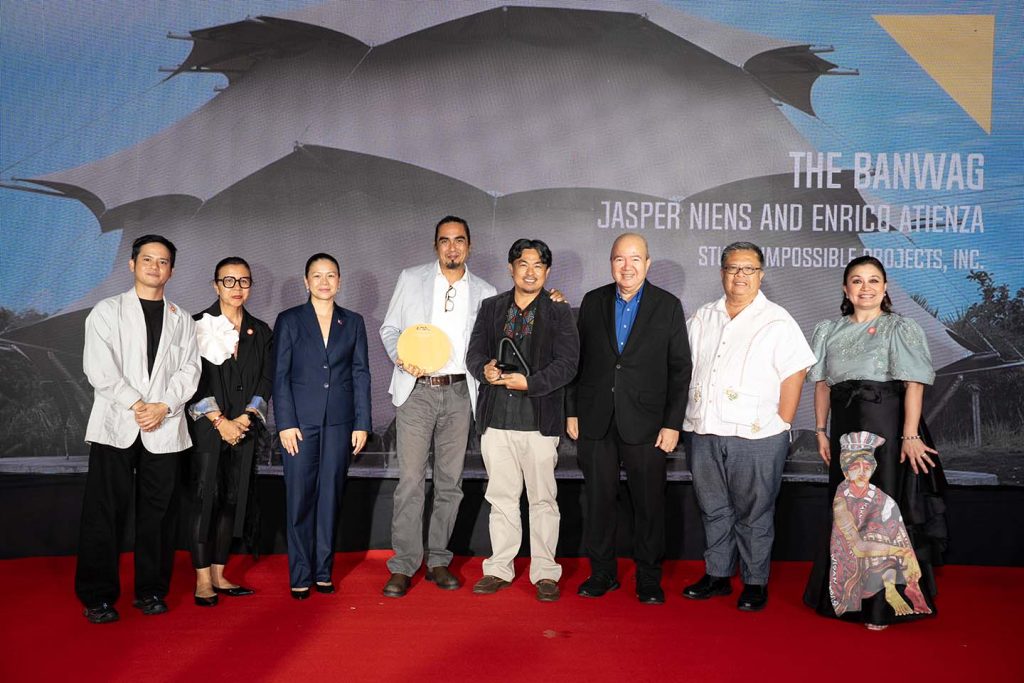
One of the evening’s highest honors, the Malasakit Gran Prix Award, was bestowed upon “The Banwag” by Jasper Niens and Enrico Atienza of Studio Impossible Projects, Inc. It also bagged Gold and Red Awards.
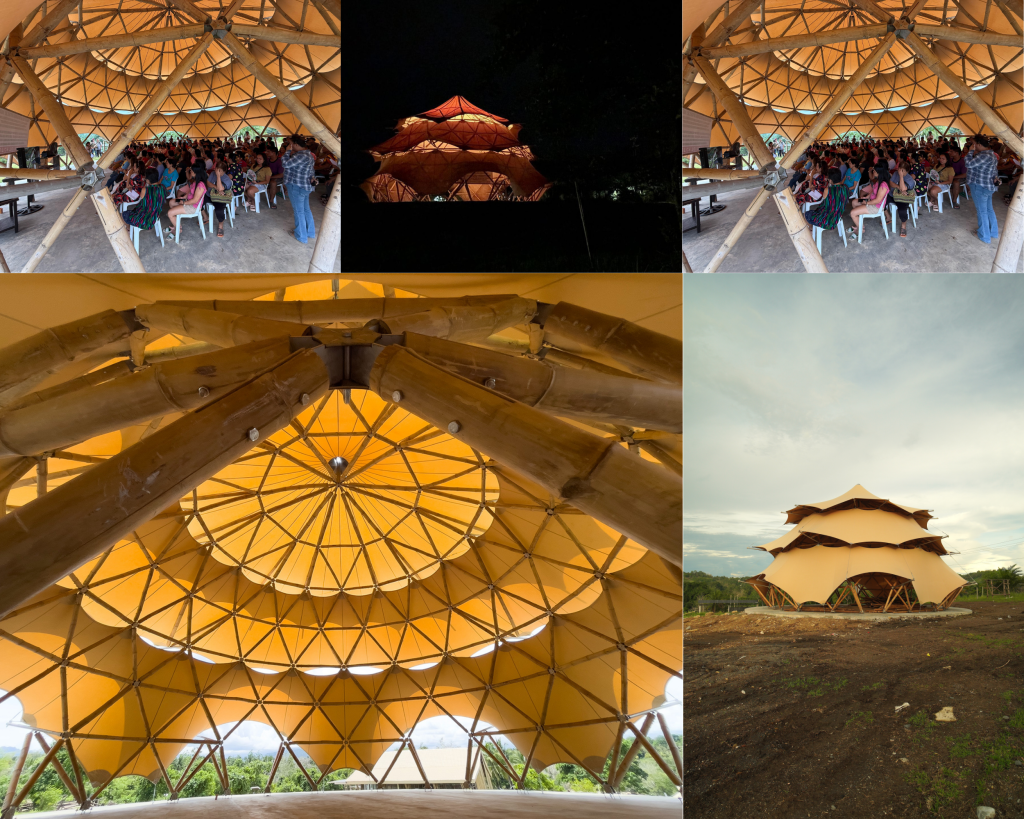
“The Banwag” was named after the Cebuano word for “beacon.” It is a 15-meter bamboo dome in Parang, Maguindanao, designed as a neutral gathering space for Muslim, Christian, and Lumad communities.
Constructed from locally sourced bamboo and engineered to withstand winds of up to 270 kilometers per hour, the structure combines digital precision with community-led craftsmanship, with every component pre-cut and assembled by local workers in just two and a half weeks.
“We work with bamboo. It’s our passion. It’s not our main business; it’s not our bread and butter. And to get recognition for something we worked so hard for is, like, something we’re really grateful for. We’re looking forward to what The Banwag can give to Filipino creativity and craftsmanship,” Studio Impossible Projects, Inc. Co-Founder Rick Atienza said in an exclusive interview with adobo Magazine.
Rick also added that the project embodies the very reason Impossible Projects exists. The studio wanted to prove that bamboo can be elevated as a material and reimagined in ways that challenge conventional perceptions in the Philippines.
“The reason why we’re doing this is because we believe that we can elevate bamboo as a material in the Philippines, and we can do bamboo differently. So, parang ito yung pruweba na kaya natin. It’s the technical disobedience of the Filipino that makes this possible.”
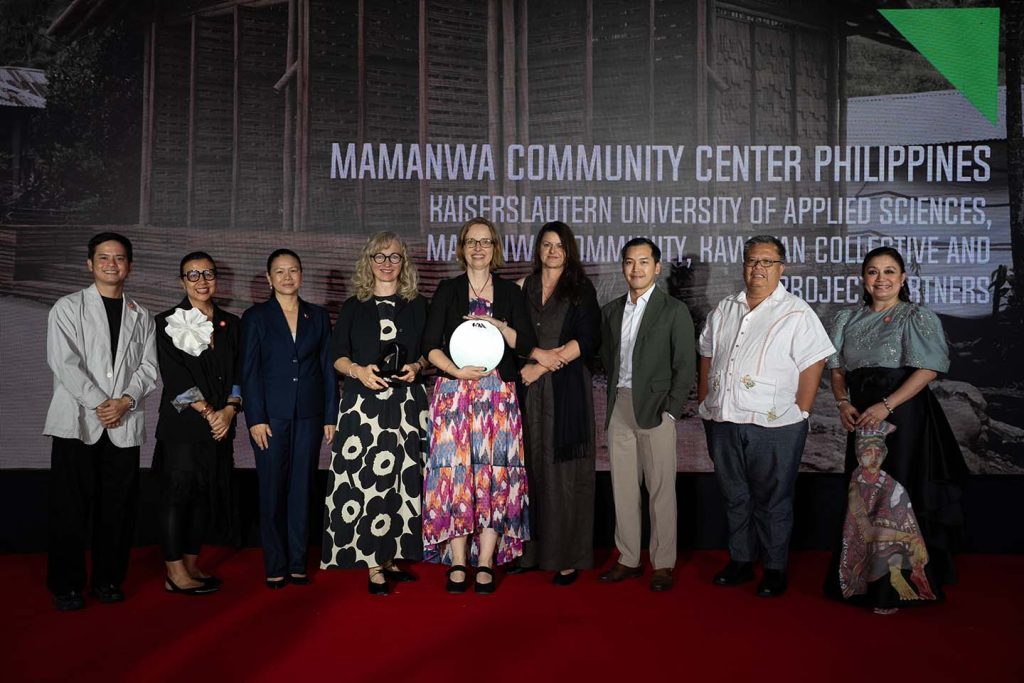
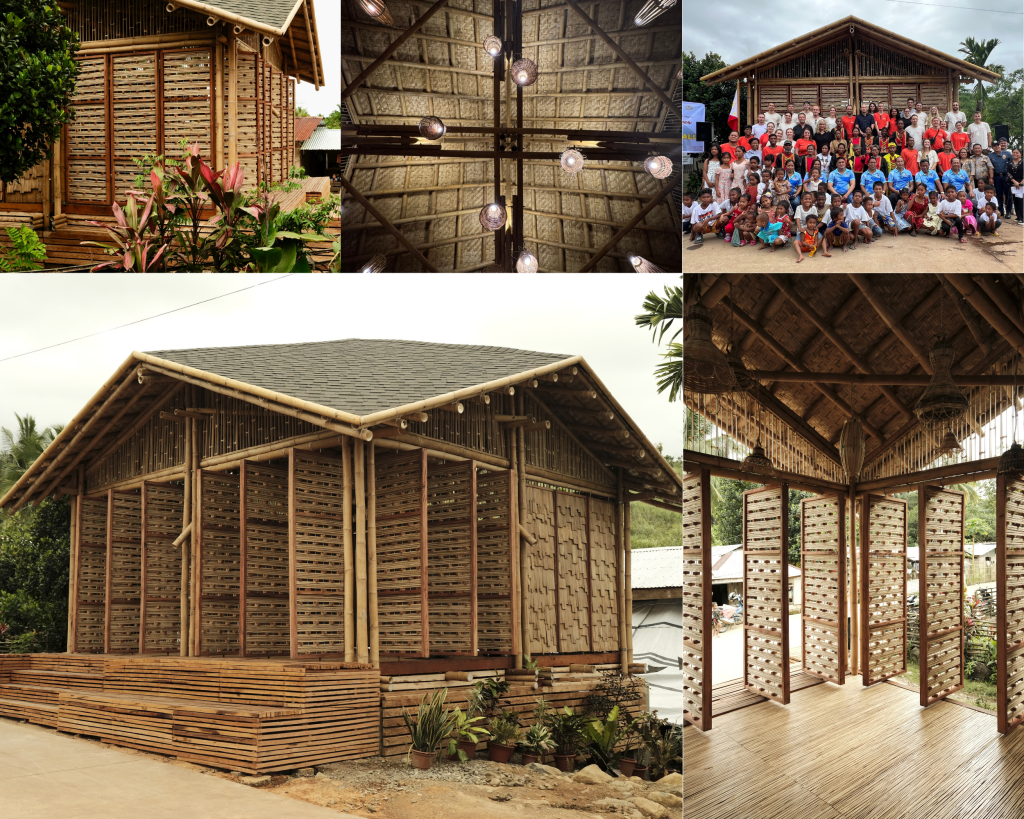
Meanwhile, the Red and Green Awards for the Place Making Category were conferred on Mamanwa Community Center Philippines, a collaborative project between the Mamanwa community and the Design-Build Team of Kaiserslautern University of Applied Sciences, together with the Kawayan Collective and other local partners.
Developed in response to displacement caused by mining activities and the destruction brought by Typhoon Rai, the community center transforms urgent needs into a model of resilient, community-led architecture. Combining indigenous building traditions with contemporary construction methods, the project utilizes bamboo as a renewable, culturally significant material that highlights Filipino design innovation.
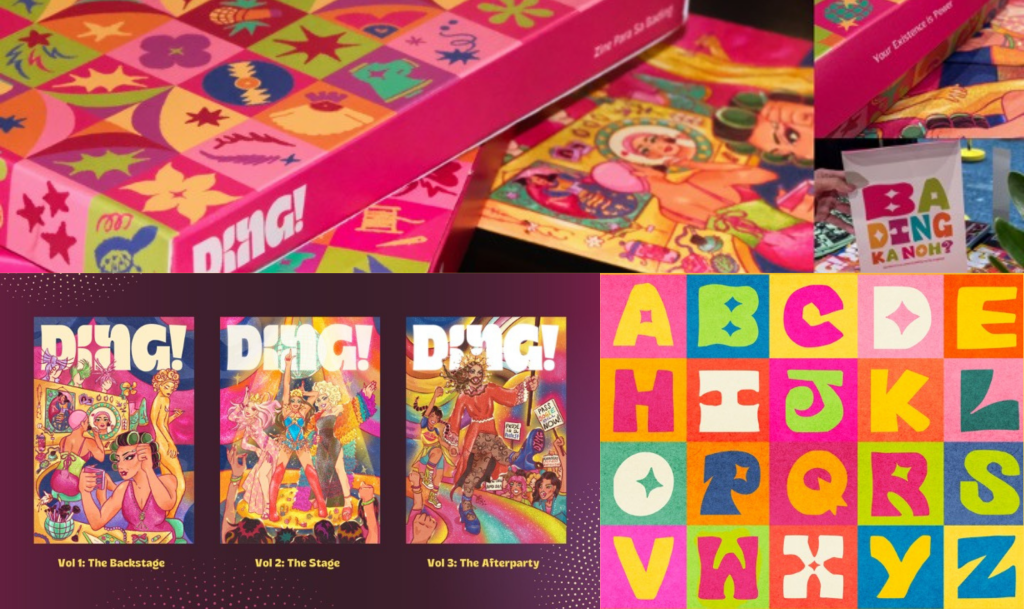
Among the Image Making winners, “DING! Zine Para sa Bading” by Eric Daniel M. Marcelo, Jouzen P. Peramo, Nastassja Kirsten T. Sanchez, and Maxime Reginald A. Velas of CIIT College of Arts and Technology earned Gold and Red Awards for its powerful celebration and preservation of Filipino drag culture.
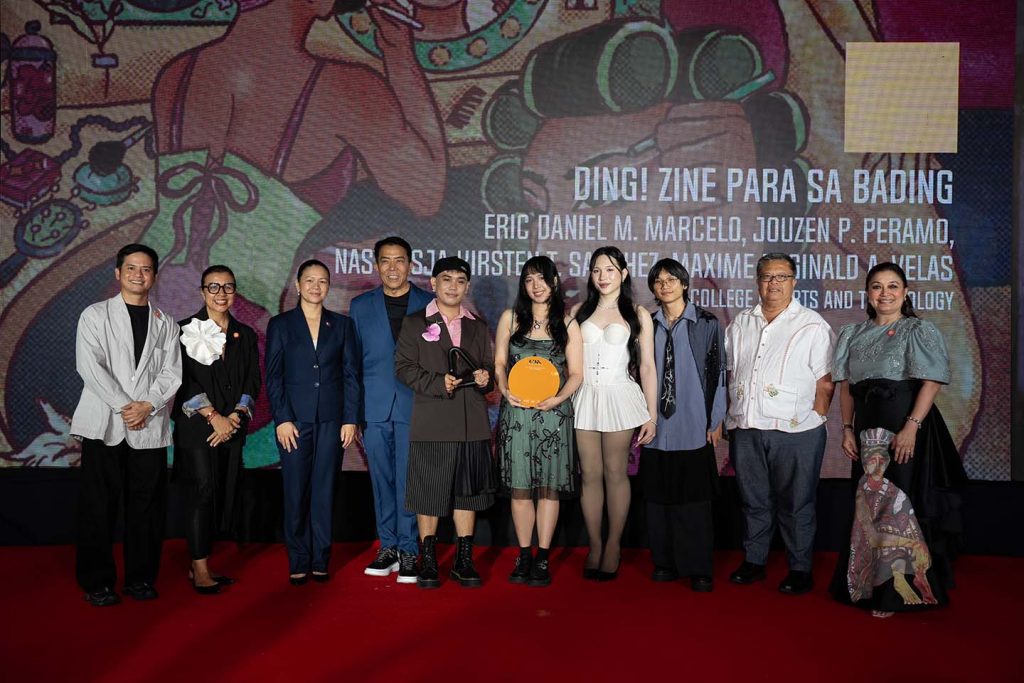
Conceived as both an editorial publication and a living archive, the zine documents the histories, voices, and lived experiences of the local drag community, framing drag not merely as entertainment but as an expression of protest, kinship, and cultural identity.
Continue reading below for the list of winners in this year’s Good Design Awards Philippines.
Malasakit Gran Prix Award
Place Making Category
- “The Banwag” by Jasper Niens and Enrico Atienza (Studio Impossible Projects, Inc.)
Gold Award
Image Making Category
- “DING! Zine Para sa Bading” by Eric Daniel M. Marcelo, Jouzen P. Peramo, Nastassja Kirsten T. Sanchez, and Maxime Reginald A. Velas (CIIT College of Arts and Technology)
Green Award
Place Making Category
- “Mamanwa Community Center Philippines” by The Mamanwa Community and the Design-Build Team of Kaiserslautern University of Applied Sciences (Kaiserslautern University of Applied Sciences, Mamanwa Community, Kawayan Collective and Project Partners)
Red Awards
Object Making Category
- “Make-a: Pusò DIY Kit” by Chini Lichangco (White Brick Creative Studio Corp. Making Space)
- “Champion Table Clothes” by Melvin Mangada and Billy Samson (TBWA \ SMP)
- “Celestina Mats” by Milo Naval (Hacienda Crafts)
- “Curio” by Kenneth Cobonpue (Kenneth Cobonpue)
- “Kai’a Outdoor Hanging Lamp” by Bien Alvarez (Matter)
- “Ihawi” by Selena Placino (Selena Placino x Hiblatech)
Image Making Category
- “Haring Ibon Playing Cards” by Vinz Pascua (Birds in Focus, Inc.)
- “Pista ng Kapuluan / Archipelago Festival & Biennale” by 700 Indigenous & Frontline Youth from across the Philippines (Tukod Foundation)
- “QC Stories: The City We Call Home” by Do Good Studio (Do Good Studio)
- “Salumpuwit” by Dr. Gerard Lico (Arc Lico International Services Corporation, Façade Books)
- “Forgotten” by The Tribe – GGC Group Asia (The Tribe – GGC Group Asia)
- “Nexus” by Bien Alvarez (Matter)
Place Making Category
- “Request Sa Radyo” by Clint Ramos (Theatre Group Asia / Ayala Land)
- “Urban Forestry Institute Diliman (UFIND)” by Karl Castro × Mede Studio (Karl Castro / KaLIKHAsan: Outdoor Projects on Campus Ecology)
- “Comuna” by Junmie Ramana Developers Inc. (Junmie Ramana Developers Inc.)
- “Alhibe: A Regenerative Placemaking Anchored by Bamboo Architecture” by Ar. Marvin Albert G. Marinas and IDr. Sheryl G. Marinas (M+S Studio Co. Ltd.)
- “Atok Barnhouse” by Ninety Design Studio (Ninety Design Studio)
- “Pasig River Urban Development” by William Ti and Paulo Alcazaren (WTA and PGAA)
- “&Matcha Three Yards” by Laurence Angeles, Marinel Siega, and Andrew Dela Serna (MLA-AT-HOME)
Systems and Service Design Category
- “Oyloop” by Joseph H. Valdez Jr. (Klimatech Innovative Solutions Inc.)
Material Innovation Category
- “Zero Waste Textile Circular Solution” by Anya Lim, Jessica Ouano, and Hablonan ni Lauriana (ANTHILL Fabric Gallery Inc.)
Blue Award
Governance and Civic Design Category
- “iRISE UP (Intelligent, Resilient and Integrated Systems for the Urban Population)” by Quezon City Local Government Unit – QCDRRMO (Quezon City Local Government Unit – QCDRRMO)
White Award
Material Innovation Category
- “KADLIT Firestarter” by Bohol Island State University (Bohol Island State University)
As Filipino designers continue to respond to urgent social, environmental, and cultural challenges, the Good Design Award Philippines demonstrates that design excellence today is measured not only by aesthetics or commercial success, but by its capacity to create meaningful and lasting impact while affirming that good design is ultimately about caring for people, communities, and the future they collectively build.
READ MORE:
Design Week Philippines 2025 wraps up with a celebration of creativity, culture, and sustainability
Bangkok Design Week 2026 positions design as a survival tool for cities and communities