

In an archipelago where proximity often dictates access and opportunity, bringing reliable electricity to remote communities remains one of the country’s most pressing development challenges.
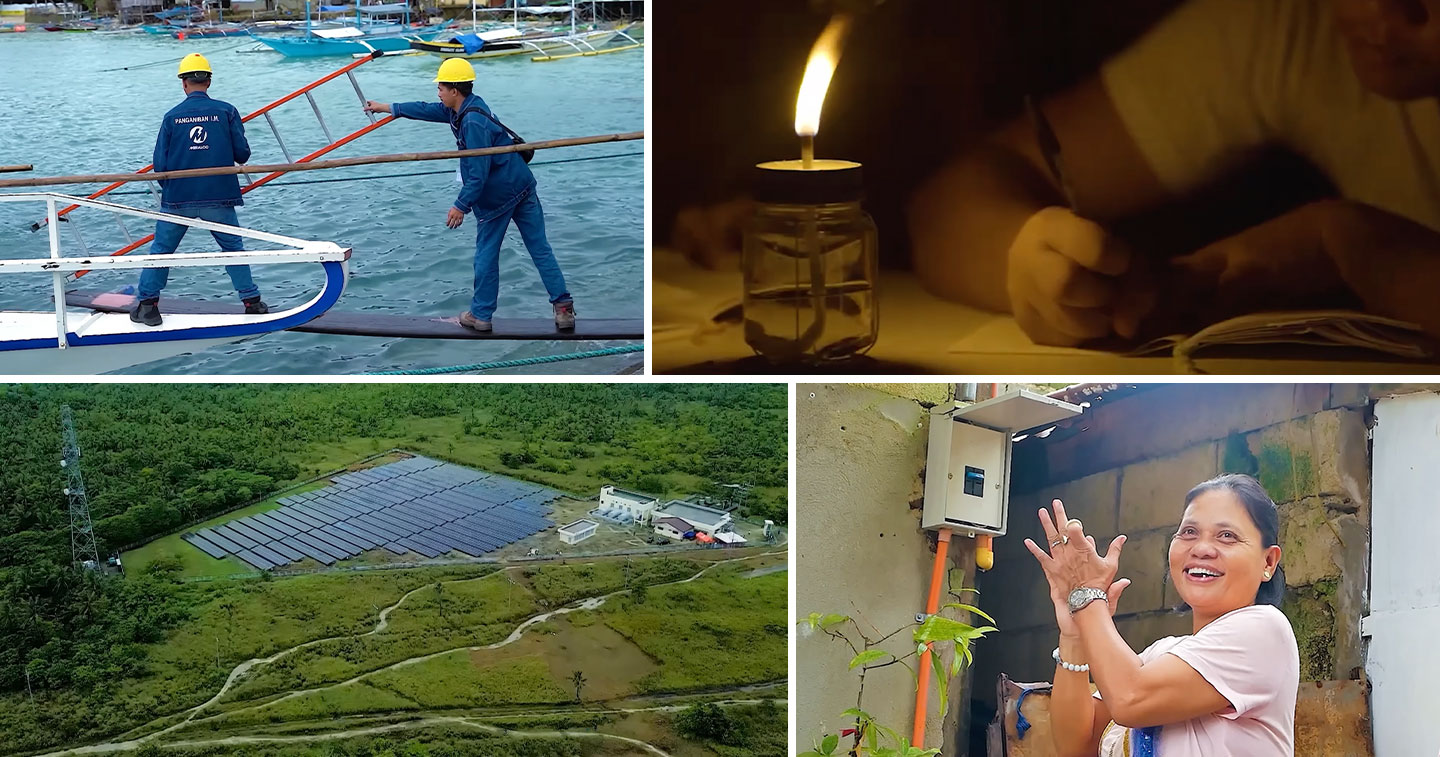
For decades, residents of Cagbalete Island in Mauban, Quezon, lived with intermittent power, receiving electricity only a few hours each day. The limitations affected everything from education and healthcare to tourism and local enterprise, leaving the island’s full potential untapped.
That reality has changed.
Through its Cagbalete Hybrid Microgrid System Project, Manila Electric Company (Meralco) has delivered round-the-clock sustainable electricity to the island, creating a model for how energy companies can reimagine last-mile electrification — not merely as infrastructure deployment, but as a platform for long-term community transformation.
The initiative recently earned one of the highest distinctions at this year’s Asia-Pacific Stevie Awards, receiving the Grand Stevie recognition for its impact and innovation.
For Meralco Chief Operating Officer Ronnie L. Aperocho, the award validates a larger purpose.
“This recognition is deeply meaningful for Meralco because it affirms that inclusive development and operational excellence can and should go hand in hand,” Ronnie said.
He added, “The Grand Stevie Award validates our mission of delivering electricity not just as a utility service, but as a catalyst for opportunity, dignity, and progress. Being recognized on a regional stage reassures us that our commitment to sustainability, innovation, and nation-building resonates beyond our franchise area and contributes meaningfully to global conversations on development and energy access.”
In her acceptance speech, Meralco Senior Vice President and Group Chief Audit Executive Melanie Oteyza, who was also named Thought Leader of the Year at the Stevie Awards 2026, said that the award affirms Meralco’s commitment to “delivering sustainable and reliable energy — powering homes, supporting livelihoods, and creating opportunities for communities that previously had limited or no access to electricity.”
Building a renewable-powered future for Cagbalete
The journey began on July 23, 2019, when Meralco inaugurated its power microgrid facility on the 1,795-hectare island as part of its commitment to bring reliable electricity to its entire franchise area through renewable and sustainable energy solutions.
Serving Barangay Cagbalete I and Barangay Cagbalete II, the project initially provided 24/7 power to around 200 households. Currently, more than 1,000 households benefit from stable electricity that supports homes, schools, health facilities, and local businesses.
The hybrid system combines a 60-kWp solar photovoltaic installation, a 150-kWh battery energy storage system, and two 30-kW diesel generators. By integrating renewable energy with conventional backup generation, the microgrid delivers a stable and resilient power supply designed specifically for the needs of an off-grid island community.
The result is an energy model that balances sustainability with reliability, ensuring that households and enterprises can operate without the interruptions that once defined daily life on the island.
A catalyst for community growth
The impact of continuous power extends far beyond turning on the lights.
Families now enjoy safer homes, better lighting, and access to essential appliances throughout the day and night, significantly improving everyday living conditions.
Reliable electricity has also strengthened education and public services. Schools, barangay halls, and healthcare facilities can operate more effectively with dependable power for computers, communications equipment, lighting, and medical devices, giving residents better access to essential services.
For local industries, particularly tourism and fishing, the benefits have been equally transformative. Fisherfolk can utilize cold storage solutions, small entrepreneurs can extend operating hours, and resorts and homestays can offer improved experiences for visitors, creating new opportunities for employment and economic growth.
Greater connectivity has also emerged as a key advantage. Better lighting and communication infrastructure have enhanced security across the island while enabling residents to remain more connected to opportunities beyond their shores.
“Cagbalete Island had long relied on limited, intermittent power—often just a few hours a day—which constrained economic activities, public services, and everyday life,” said Meralco Head of Networks Froilan S. Savet.
“The project emerged from the shared goal of transforming energy access into a long-term enabler of community development,” Froilan continued.
A model for inclusive electrification
The Cagbalete initiative reflects a broader shift in how energy companies approach last-mile electrification—one that places people, sustainability, and long-term resilience at the center of infrastructure development.
“The success of the Cagbalete Microgrid project rested on combining the right technology with the right operating model,” Froilan explained.
Under the Microgrid Systems Act, the project introduced a utility-led approach that emphasizes professional operations and maintenance, regulatory accountability, future demand planning, and strong community participation.
The initiative has also become an example of how public and private collaboration can accelerate development in geographically isolated and disadvantaged areas.
Department of Energy Secretary Sharon Garin underscored that projects such as the Cagbalete Hybrid Microgrid directly support President Ferdinand R. Marcos Jr.’s vision of delivering reliable, affordable, and sustainable energy access to every Filipino, particularly those in remote communities.
“This initiative shows what is possible when government agencies and private sector partners move in the same direction,” she said, adding that Cagbalete Island is “proof that off-grid communities do not have to be left behind.”
“With the right policies and partnerships, we can power inclusive growth, support local industries, and give our people the tools they need to build a better future.”
The Department of Energy continues to work with the National Power Corporation, distribution utilities, electric cooperatives, and private proponents to accelerate electrification across off-grid islands through microgrids and other innovative energy solutions in pursuit of the country’s total electrification and clean energy goals.
Powering nation-building
For Meralco, bridging energy gaps remains fundamental to its role in national development.
“Meralco views itself as an active nation-builder,” Ronnie noted.
He added, “Beyond providing reliable electricity, we see our role as advancing inclusive progress by supporting communities where energy access can unlock education, healthcare, economic mobility, and resilience.”
Looking ahead, the company plans to continue investing in smart grid technologies, renewable energy systems, and innovative electrification models that can be replicated across other underserved areas in the country.
The future, Ronnie believes, will be defined by resilience, diversification, and digital transformation.
“The country can move toward an energy future that is not only secure but also inclusive—one where reliable power supports long-term economic growth and climate resilience.”
On Cagbalete Island, that future is already taking shape.
Through the Hybrid Microgrid System Project, Meralco, together with government and community partners, has demonstrated that progress and energy access can reach even the country’s most remote shores, ensuring that no Filipino community is left in the dark.
READ MORE:
Grand Stevie Winners announced in 2026 Asia-Pacific Stevie Awards
electriclime°, Aleph unveil cinematic global brand film for Capella Hotels and Resorts