
AI can generate, technology can scale, and platforms multiply the ways brands can reach audiences. But amid all this change, what makes a piece of creative work truly stand out?
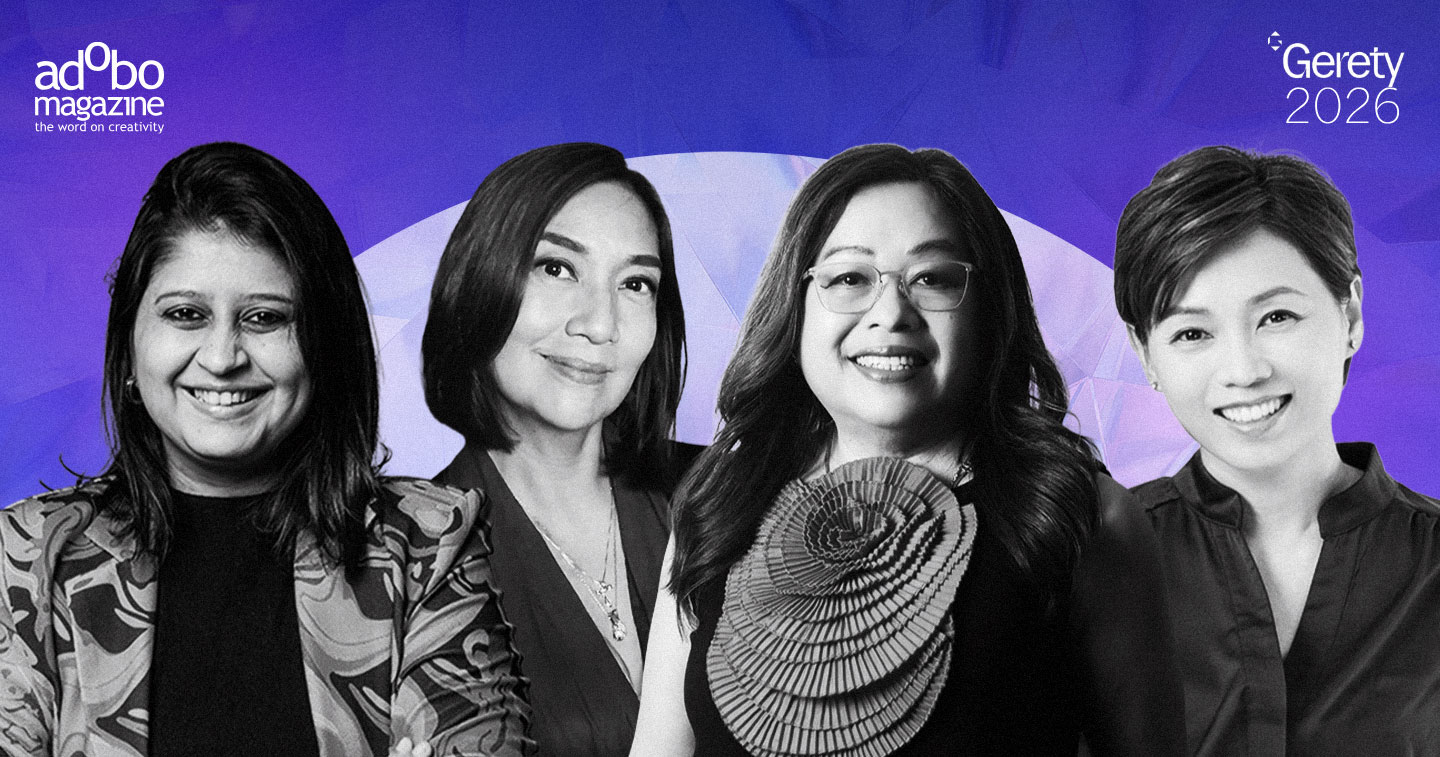
At the Gerety Grand Jury Insights Panel 2026, adobo Magazine Founder, President, and Editor-in-Chief Angel Guerrero sat down with three members of the Gerety Awards 2026 Grand Jury to look beyond the winning work and into the thinking behind it.
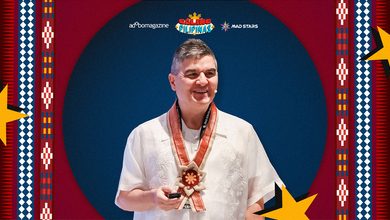
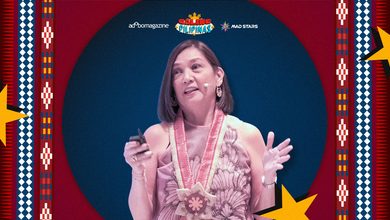
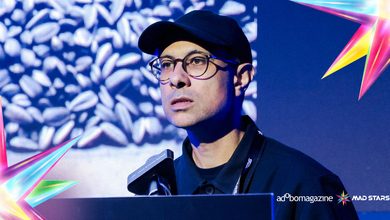
The conversation brought together Schbang, India National Creative Director Dipshika Ravi, The Misfits Camp and Jayme Headquarters Chairmom Merlee Cruz Jayme, and Dentsu Hong Kong Group CEO Simone Tam. One by one, they discussed their individual approaches to judging, what made certain campaigns stand out, and what the industry’s strongest work reveals about the future of creativity.
Looking beyond craft, innovation, and effectiveness
For the jurors, judging was never simply about identifying the most polished execution or the most technologically advanced idea. It was about understanding what sat underneath the work.
As a juror, Simone asked herself: did the work surprise her, make her feel something, or make her wish she had created it herself? She also considered whether the big idea could move a brand forward—among other things.
“The work I tend to remember is when those two things come together,” Simone said. “It touches people emotionally, but it also solves a real business problem. That’s incredibly difficult to do, which is why the best work stands out.”
Meanwhile, Merlee believes the strongest work has a human truth at its heart. She sought ideas that could make her care, think differently, or see something she had not seen before. Angel echoed this perspective, noting that the work that stays with people often understands its market, first and foremost.
Dipshika, on the other hand, emphasized the value of the different perspectives inside the jury room. Coming from different backgrounds, markets, and geographies, the jurors challenged one another’s instincts and opened up new ways of looking at the same piece of work.
The best ideas do not need to be complicated
Across the work they reviewed, another pattern emerged. Some of the strongest ideas were also the simplest.
For Simone, the brilliant ideas often started with a simple observation about people. Technology can help scale an idea or bring it to life, but not spawn the idea itself.
“Technology can be exciting, but it can also be distracting,” she said. “And clients don’t actually need more complexity. They need clearer thinking.”
That clarity was evident in Amazon’s “Five Star Theater,” which Simone selected as one of the campaigns that stood out to her during judging.
The campaign took everyday customer reviews and turned them into fodder for entertainment. Rather than overexplaining the brand, it used something people already associate with Amazon and made it charming, funny, and watchable. Benedict Cumberbatch’s performance added another layer of appeal, but for Simone, the strength of the idea all started with clarity.
For Merlee, some of the most compelling work began with real problems.
Her choice, Caritas’ “Vehicle of Hope,” transformed the Pope’s vehicle from a protective vehicle into something that could likewise protect and bring medical help to people in need, regardless of race or religion.
For Merlee, the idea demonstrated true charity. What made it even more compelling, however, was the complexity in execution. It turned a powerful symbol into an instrument for humanitarian aid—requiring permission, conviction, courage, and a lot of work.
The campaign reflected a broader pattern Merlee noticed throughout the judging process: the strongest work often began with very real, human problems, from everyday frustrations to urgent social and humanitarian needs.
“We can have all the new technology, data and tools available to us, but the work that rises above everything else still begins with a human truth,” she said.
Furthermore, Dipshika’s pick, VML UK’s “KitKat Heist,” demonstrated another quality the jury valued: bravery.
The campaign stemmed from a genuine business crisis: 12 tonnes of KitKat disappeared just before Easter. Instead of attempting to control the damage, the brand turned the problem into a cunning idea.
“It gave people a genuine role to play in the story,” Dipshika said. “That transformed something that could have been a negative business incident into a pop-culture moment.”
The campaign, for Dipshika, did not feel like a brand forcing itself into a crisis for attention. It earned attention through the idea itself.
“All in all, a bold client…a brave idea and perfect timing is what made it worthy of winning a Grand Prix.”
Human thinking in the age of AI
Dipshika insists that while AI is an inevitable part of the conversation, it is not the defining force behind creativity. On the contrary, its undeniable rise has made human thinking even more valuable, especially in this era. She also pushed back against the narrative that AI would change everything. The industry’s ability to reinvent itself is precisely what makes creativity so difficult to preempt.
“The moment there’s a prediction about a pattern, humans reinvent the wheel and prove that creativity can never be predicted or defined,” she said.
Merle shared a similar perspective. She sees AI as an incredibly powerful tool that can help creatives craft, explore, and extend ideas in ways that were previously impossible. But the tool should never replace the thinking that starts the idea.
“Great creative work still needs a human mind behind it. An observation, an insight, a surprising connection, a point of view,” she pointed out. “The tools will keep changing. But the idea still starts with us, with our thinking.”
The work itself served as evidence of this, according to Simone. The strongest ideas she saw did not use technology simply for the sake of it. They began with people.
“What I felt from the best work is that creativity is still, at the end of the day, deeply human,” she explained.
A jury room built on different perspectives
The Gerety Awards’ female lens also shaped the conversation.
Dipshika said that being surrounded by accomplished women ignited a powerful energy in the room. She noted that the standards of creativity, craft, and effectiveness remained the same, but underscored that women tend to go a few layers deeper, question the obvious, and interrogate details.
Merlee observed the strong role of intuition. Jurors would often respond first to how an idea made them feel before unpacking why it worked. She also noted the empathy and sensitivity that emerged when discussing work involving people, culture, and difficult social issues.
Simone reiterated that judging in a room full of women felt comfortable and honesty-driven. Jurors could express what they really felt about the work, whether something touched them, disturbed them, made them proud, or simply did not feel genuine.
“There was a generosity in the room. People listened. People challenged each other. But nobody felt they had to dominate the conversation,” she said.
The value of the jury, ultimately, came from these different perspectives. The best discussions did not necessarily have everyone in agreement. They were the ones that challenged assumptions and forced the jurors to look again.
The beauty of curiosity
For emerging creatives, the panel’s advice returned to one quality above all: curiosity.
Simone encouraged young creatives not to worry about having all the answers. Confidence, she said, comes from willingness to continuously learn. She also urged emerging creatives to be unafraid of having a unique point of view. The world doesn’t need more people who sound the same, after all.
“The industry has reinvented itself many times during my career, and the people who have done well for themselves are not necessarily the smartest people in the room. They are the people who stay curious the longest.”
Merlee’s advice was to observe, listen, use all the senses, and pay attention to people and life. She insists that there are no shortcuts to great work, encouraging creatives to embrace difficulty and put love into the labor behind every detail.
“Be ambitious, especially for women, ambition should never be a bad word, and certainly not a word reserved for men. Ambition is our drive to grow, succeed, and do work we never thought we could do.”
Dipshika offered a similar reminder in her own way.
“Honestly, I think the trick is to never feel like you’ve arrived. The moment you think you know the industry, the culture, or the consumer, you’ll get bored. So keep learning, be vocal, stay positive, and focus on building something beautiful, because this is the only industry that pays us for random imagination.”