
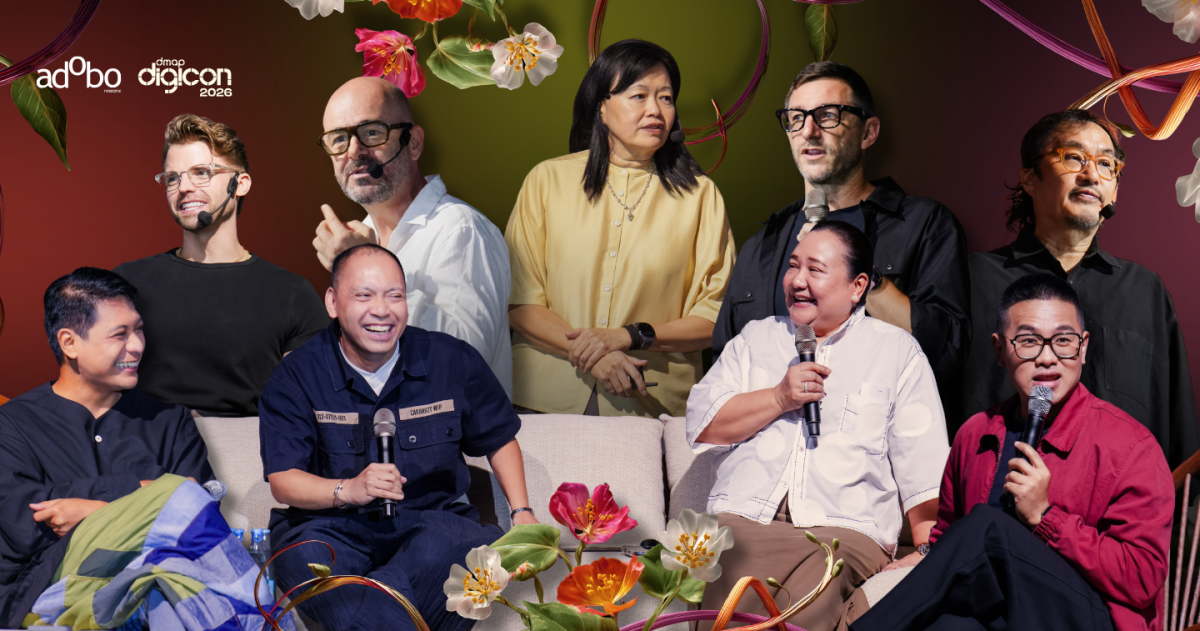

What if we could all work together, leverage each other’s strengths, and collaborate across disciplines without friction?
DigiCon2026, held from October 15 to 16 at the Grand Ballroom of the Manila Marriott Hotel in Pasay City, inevitably answered this question.
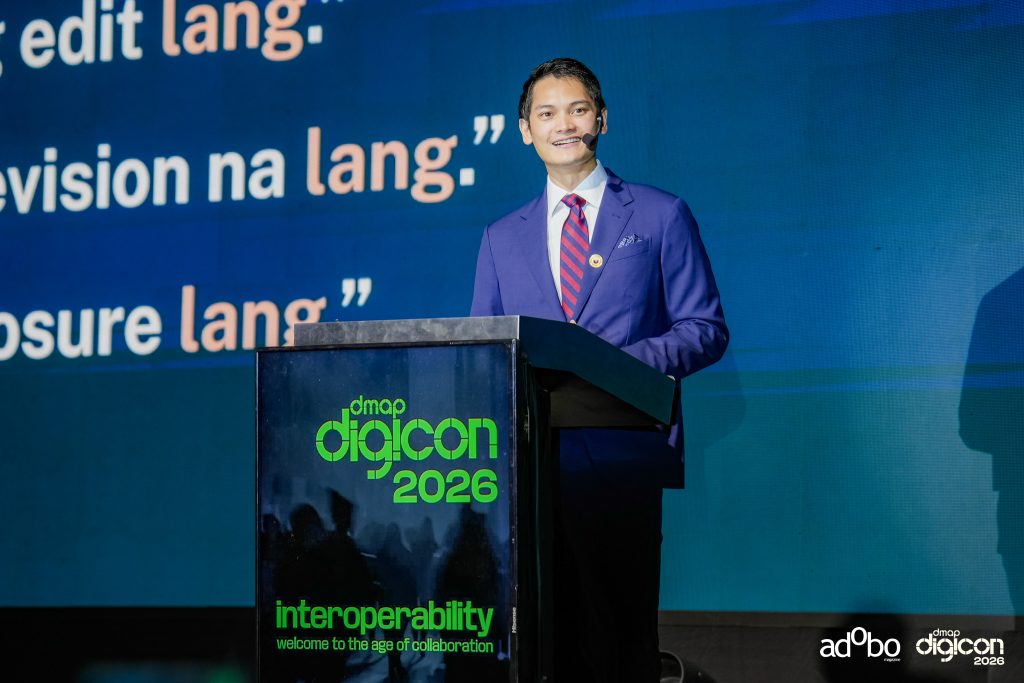
At the plenary on day one, DigiCon 2026 Co-Chairs Shayne Madamba and Raymund Sison joined Digital Marketing Association of the Philippines (DMAP) President Miko David in expounding on this year’s theme, “Interoperability: Welcome to the Age of Collaboration.”
Now, that may sound like a handful, but they explained it so well that anyone could understand—and appreciate—the concept.
“Interoperability. It sounds like a technology term. But actually, it’s one of the most natural things in the world. In fact, you’ve experienced interoperability since day 1, the day you were born,” said Sison. “Think about the human body—the greatest masterpiece ever created—is one entire system connecting to all of its parts every day. That’s an interoperable system.”
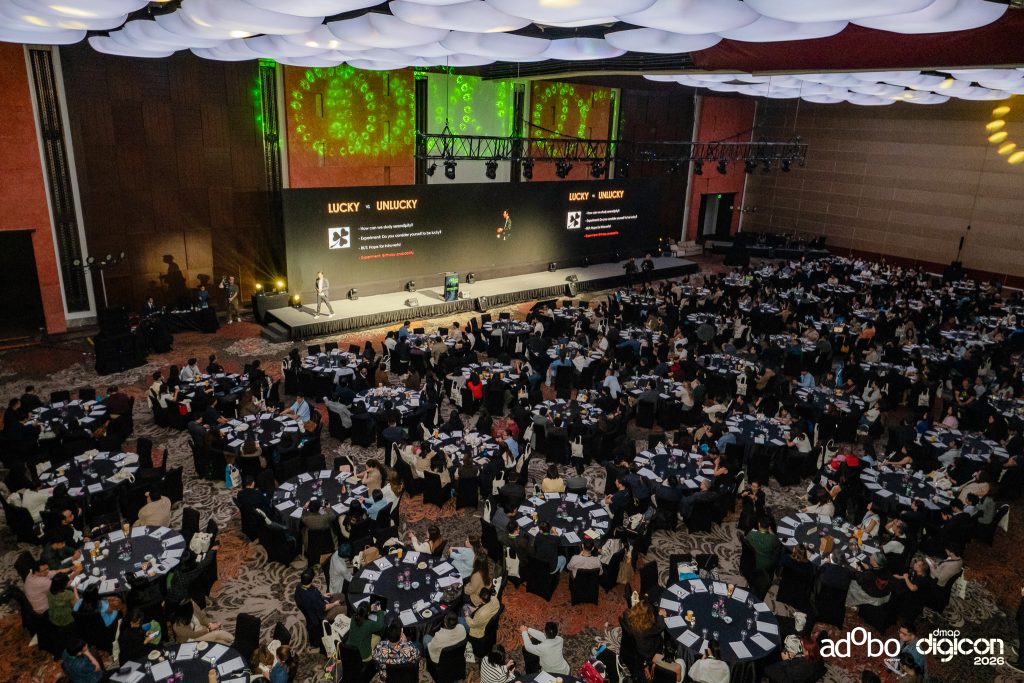
“In fact, here’s a quick trivia: the earliest forms of large-scale digital interoperability weren’t built for business or entertainment. They were forged by the military and early researchers to ensure that critical data wouldn’t get trapped in a single silo during a crisis. It’s about survival,” added Madamba.
“To build a resilient digital economy, we must move beyond individual capabilities and focus on collective integration,” said David. “DigiCon 2026 serves as the launchpad for a more interconnected, collaborative, and future-ready digital landscape.”
Organized by DMAP, DigiCon is now in its 11th year.
Connect the dots
The first couple of sessions hinted at the power of possibility—and how infinite can be.
In the first keynote, Dr. Christian Busch, Author of The Serendipity Mindset and Connect the Dots, framed serendipity as a process.
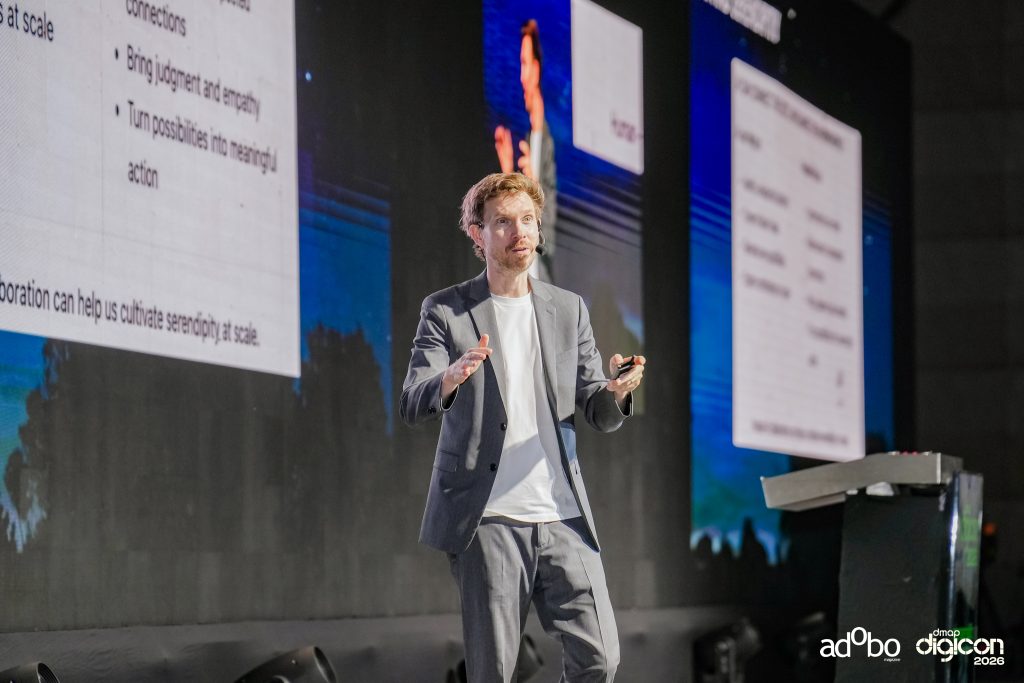
“There is this unexpected trigger. There is this unexpected thing that happens,’ he said, expounding further by citing everyday examples such as spilling coffee or receiving unexpected customer feedback.
“But then you have to do something with it. You have to connect the dots. You have to find meaning in that moment, and most importantly, you have to act on it,” he advised.
Congressman Javi Benitez, Representative of the Third District of Negros Occidental and Chairperson of the House Special Committee on Creative Industries and Performing Arts in the Philippine Congress, discussed the power of interoperability within the creative industry.
He highlighted significant figures to make a case for the creative industry. In 2025, the Philippine creative economy generated PHP 2.12 trillion in revenue, up 6.9% year-on-year from PHP 1.98 trillion in 2024, and accounted for 7.6% of the country’s Gross Domestic Product (GDP).
In his presentation, Benitez also underscored the government’s distinct role in the creative ecosystem: to build the rails.
“You run the trains,” he added, addressing the creatives in the room.
These statements reinforce the truth that in any economy—or any industry, for that matter—the government must create the infrastructure and systems on which platforms and projects can take root and grow.
Differing perspectives, one goal
Succeeding segments showcased different perspectives from equally distinguished speakers. Though they come from different disciplines, they seemed to agree on one thing: there is so much potential to succeed in today’s ever-evolving landscape; what one needs to do is harness every available possibility.
DoubleVerify’s Tinee Cruz highlighted the importance of safeguarding media quality in the age of artificial intelligence (AI), while Cristina Constandache, Chief Revenue Officer of Viber, shared insider knowledge on AI-powered business communications.

The Trade Desk’s Sonal Patel, on the other hand, spoke extensively on connected commerce; and Huawei’s Daniel Ouyang shared how interoperability functions from a consumer electronics brand perspective.

The Kool Pals, alongside The Marketing Divas—Unilever’s Dennis Perez and McDonald’s Margot Torres—and Dogshow Divas podcasters Macoy Dubs and Baus Rufo added a layer of entertainment, on top of abundant learning, to the conference.
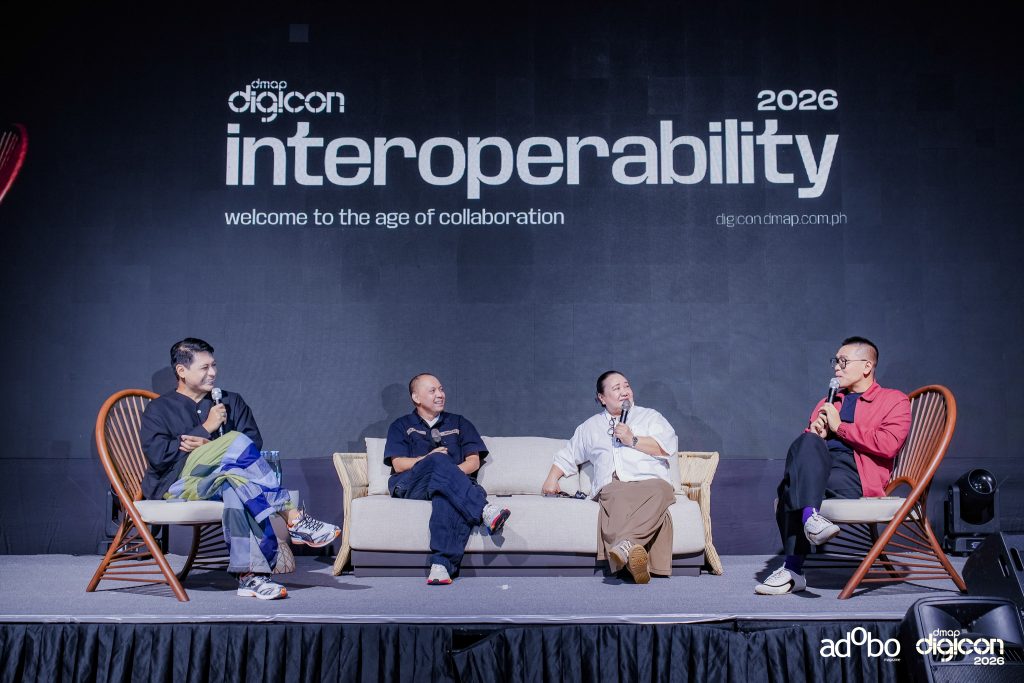
Four tracks, boundless learning
The plenary was just the start. The two-day conference covered four different tracks: Innovation, Impact, Integrated, and Immersive.
Innovation examined how responsible AI adoption can function alongside human-machine collaboration, as well as the evolving relationship between technology and the workforce.
The speakers? Hit Productions’ Vic Icasas, QR Tiger’s Benjamin Claeys, TrueLogic’s Itamar Gero, Globe Business’ Evita Tualla, and Summit Media’s Howard Go. Bernz Soriano of Rappler presented a branded segment.
Panel discussions featuring choice figures from Gorriceta Africa Cauton & Saavedra, ScamWatch Pilipinas, DITO CME Holdings, Rappler Inc., Qubel Group, Share Treats Innovation Corp., The Rizal Academy for Innovation and Leadership, and Michael Page focused on the implications of responsible AI culture on recruitment.
DigiCon Co-Chair Shayne Madamba led the Integrated track, which explored how creativity, technology, and diverse perspectives can work together to deliver business impact.
IMPACT BBDO’s Ali Rez talked about resistance as a driver of culture. Malyn Molina, President and COO of EON, launched the agency’s Philippine Trust Study. FEATR’s Erwan Heussaff and Republiq Group’s Bryan Yap had a fireside chat on building culturally relevant businesses.
A debate between the UP and Ateneo Debate Societies contended AI’s potential to surpass human creativity, while a panel discussion, aptly moderated by Kim Patria, Director for Campaigns and Communities of Practice at Investing in Women, explored the value of inclusive marketing. The panel included ALAB Manila’s Bia Fernandez, Passionade Creative’s Julia dela Rosa, and Wellness Whispers’ Dani Baretto-Panlilio.
Before the Integrated track sessions ended for the day, another panel featured speakers who made life-changing decisions to succeed in the age of AI-human collaboration: Hakuhodo BCI’s Gemma Alcantara, Kindmind Experience Design Lab Founder and Film Director Mark Meily, and UP Diliman Professor Phillip Zuniga.
Closing out the opening day, the Interactive Track, led by Pat Del Castillo, explored actionable approaches to digital transformation. LOKAL’s Ramon King III examined how to navigate AI-powered search, while AnyMind Philippines’ Andre Agawin discussed building interoperable digital marketing engines.
Rethinking future-ready solutions
“Use AI in a way that adds to humanity—rather than removing it.”
At the plenary on day two, Edelman Global Chief Creative Officer Judy John made this simple yet compelling statement.
She also offered strong advice on working with collaborators, saying, “True collaboration requires something a business isn’t good at. It’s about surrendering ownership. If a creator is only allowed to execute your script, that isn’t collaboration.”
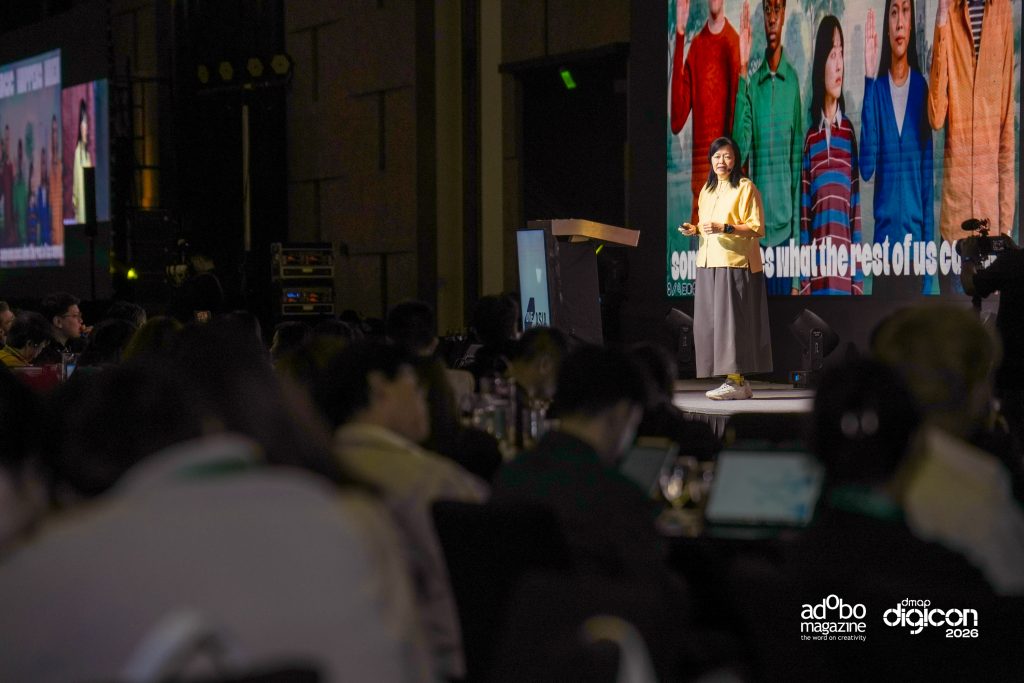
She added, “ I’ve talked to a lot of creators, and they’ve said, you know, the worst thing that you can do is give them a script and say execute this. They say, ‘Why bother hiring me?’”
Mr. Good Advertising’s Thomas Kolster shared Judy’s perspective, insisting that in an interconnected marketplace, collaboration can become a competitive advantage for businesses. Bernard San Juan, meanwhile, presented a showcase for Certified Digital Marketer.
The Next Monday panel had an interesting lineup of speakers—on a Friday: DMAP President Miko David, 4As Chairman Ronald Barreiro, ASC Executive Director Robbie Aligada, and PRSP President Ana Pista.
Moderated by DigiCon Co-Chair Shayne Madamba, the panel shared insights on establishing stronger and more potent collaboration across varying disciplines, perspectives, and capabilities.
“Between different disciplines, let’s find connectors,” David suggested.
“Interoperability talaga is the keyword,” Barreiro added.
The plenary stage turned just as sharply to the audience itself: how people are changing, where they pay attention, and how brands get found in a crowded field.
Google’s Dr. Deborah Ko and Jellyfish’s Alvin Cheang unpacked the dual mindsets that now define how audiences think and choose, in a conversation guided by Google’s Sally Jeffery. AdSpark CEO Manny Fernando followed with a practical playbook for moving consumers from interest to action.
Manila Broadcasting Company’s Santi Elizalde and Jeriko Taruc joined 101.1 Yes FM’s Sexy Megan talked about discoverability to show how a brand’s presence across platforms shapes whether it is found at all.
The Book of Bad Ideas and The Red Door Podcast rounded out the program with showcases of their own.
Interoperability can deliver real business impact
RS2 APAC Managing Director Denise Haak led the Immersive track to explore how connecting digital and physical experiences can create seamless customer journeys.
Representatives from Ayala Land Hospitality, AC Mobility, Cebu Pacific, Iles Philippines, Pure Culture, Inquiro, and Moving Walls shared insights on connected tourism, retail, mobility, and marketing.
Speakers from Abe-Abe, UnionBank, IPV Network, Tonik Bank, RS2, SwiftPay, Reyes Tacandong & Co., and Lennon Group’s Quark Henares concluded the track, sharing different yet equally compelling perspectives on storytelling in the streaming era.
Henares’ keynote was particularly engaging. He used pop culture references such as the phenomenal comedy series “Friends” to illustrate behavioral aspects of the mass audience. Henares brought the house down with his turbocharged presentation.
Publicis JimenezBasic Group Creative Director Jordan Santos led the Impact track in partnership with The ONE Asia Creative Awards.
Impact was all about the role of creativity, communities, and cross-industry partnerships in building stronger brand connections.

The One Club for Creativity Chief Awards Officer Adam Izen drew from his experience screening and judging creative work from across regions, and shared his unique perspective during his keynote, “What Great Work Has in Common: Lessons from thousands of ideas competing to be the best in the world.”
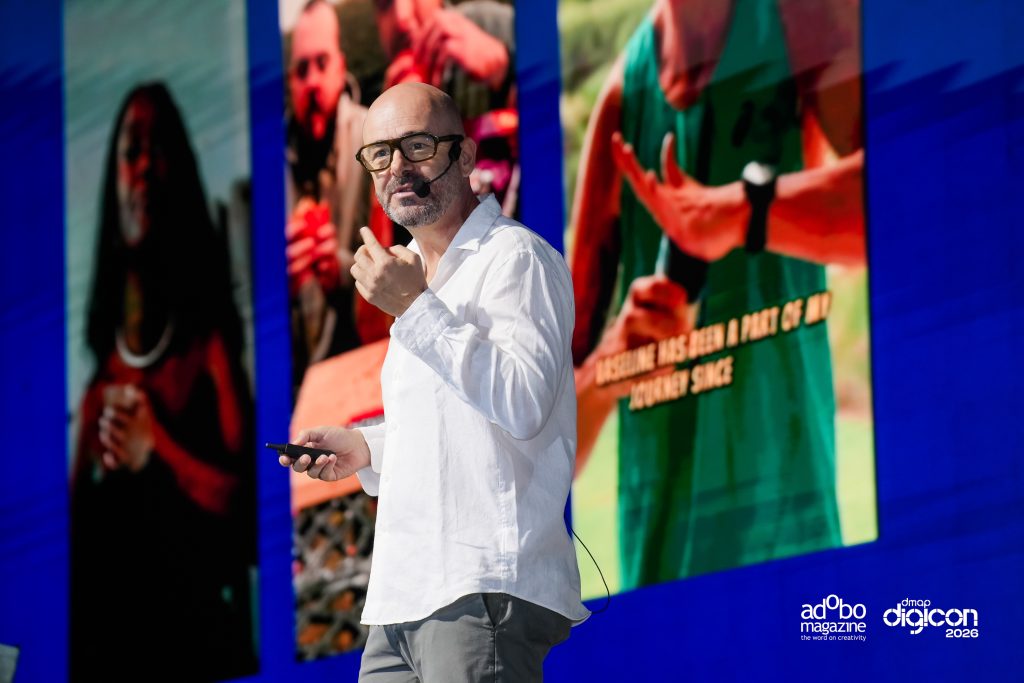
Human insight and cultural relevance took center stage in a session with Paulus Seoul’s Thomas Hongtack Kim and Ogilvy Singapore’s Nicolas Courant.
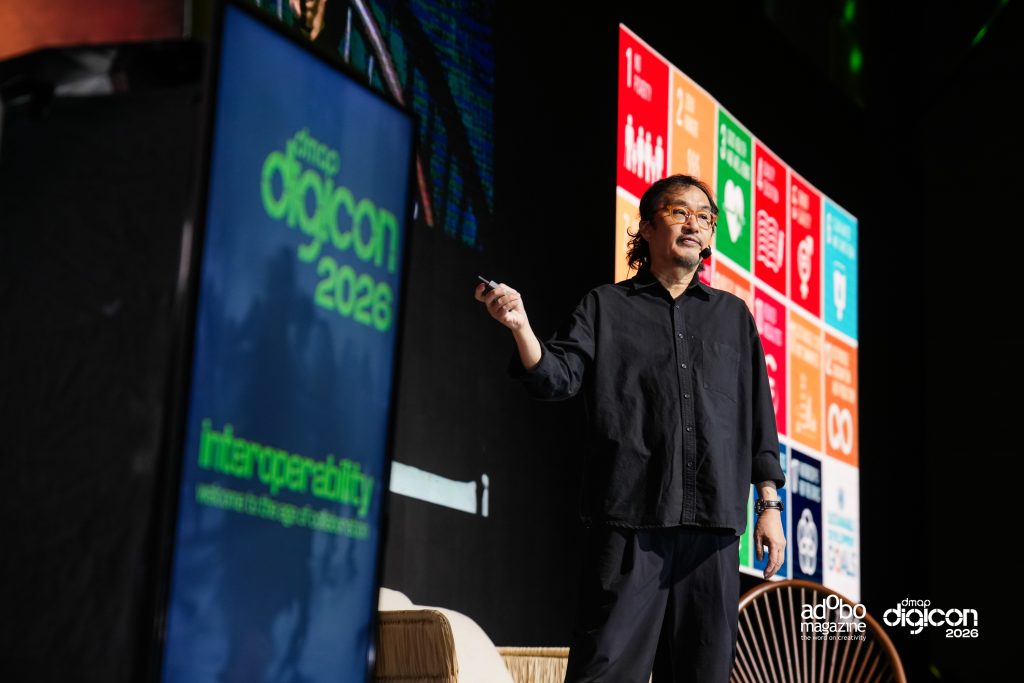
Discussions featuring the folks behind Best of the Best, Let’s Eat Pare!, Home Buddies, Hey Roomie, Bloom PH, Zushis, and Team Wil then turned to the communities and fandoms that shape what people love and what they rally behind.
Other sessions broadened the conversation. Representatives from Not AI, Octopus&Whale, Anker, DITO Telecommunity, Viber, Fenyx Digital, Moonton, and Co-Op Play shared views on building brands collaboratively, telling stories with AI, and pushing the boundaries of creative gaming.
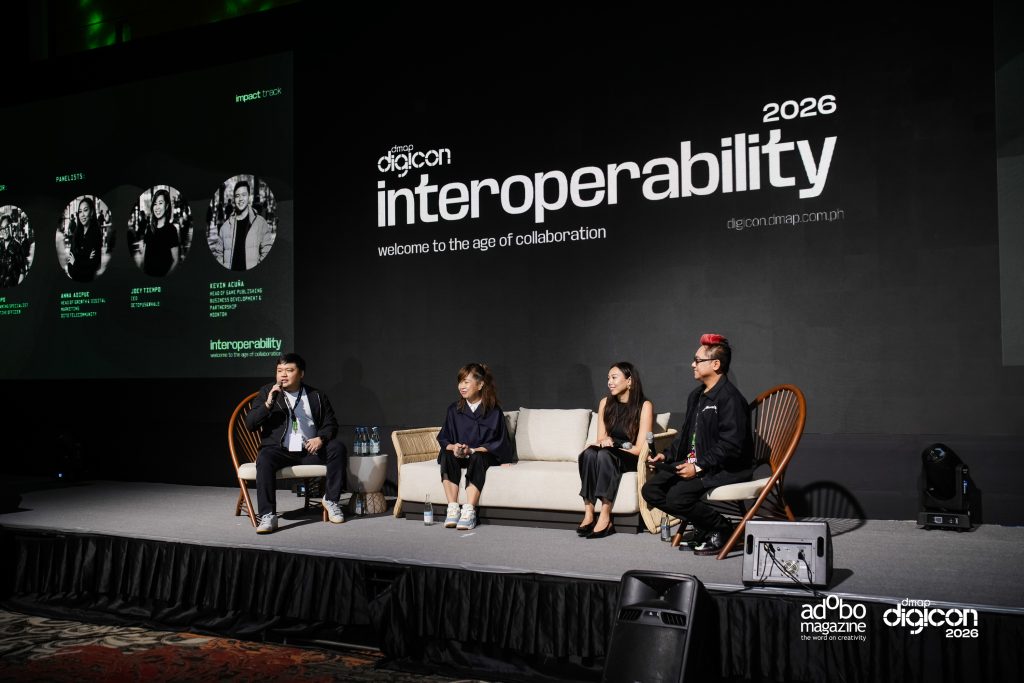
The One Club for Creativity brought a global yardstick for creative excellence, while SwiftPay, CognitiveAI Technologies, UP Diliman, and Fortify Digital unveiled the DMB Look Book 2026.
The Interactive Track rounded out the convention’s specialized offerings, with a focus on putting AI and digital systems to work. Emporia Group’s Art Policarpio showed how AI agents can be deployed across social content teams, and Not AI’s Nicolas Tessier made a case for how businesses can rebuild their marketing operations for the AI era.
Interoperability, and then what?
A central takeaway across the two-day convention was that digital transformation goes beyond adopting emerging technologies. Its real value lies in bringing people, ideas, and capabilities together to drive meaningful business growth and broader societal impact.
DigiCon 2026 closed with a call to take the work beyond the conference halls. Co-Chairs Raymund Sison and Shayne Madamba urged delegates to carry what they had learned into everyday business practice.
Madamba thanked the speakers, partners, and delegates, then pointed to what comes after the applause. “The true value of DigiCon 2026 lies in what we build next,” she said, challenging industry leaders to turn the lessons of interoperability into concrete initiatives.
Sison echoed the point, framing collaboration as a habit that needs to outlast the event itself.
“Collaboration should not end when the convention does. What matters now is how we apply these insights, build stronger partnerships, and create solutions that deliver real value to businesses and communities,” said Sison. “By working across industries and combining our strengths, we can unlock new opportunities and help shape a more innovative and competitive digital economy for the Philippines.”
adobo Magazine is the official media partner of DigiCon 2026.