

More than bringing together the country’s finest artisans, ArteFino has challenged long-held perceptions of Filipino craftsmanship, proving that heritage is not confined to museums or reserved for special occasions. It is something to be lived, worn, and continuously reimagined.
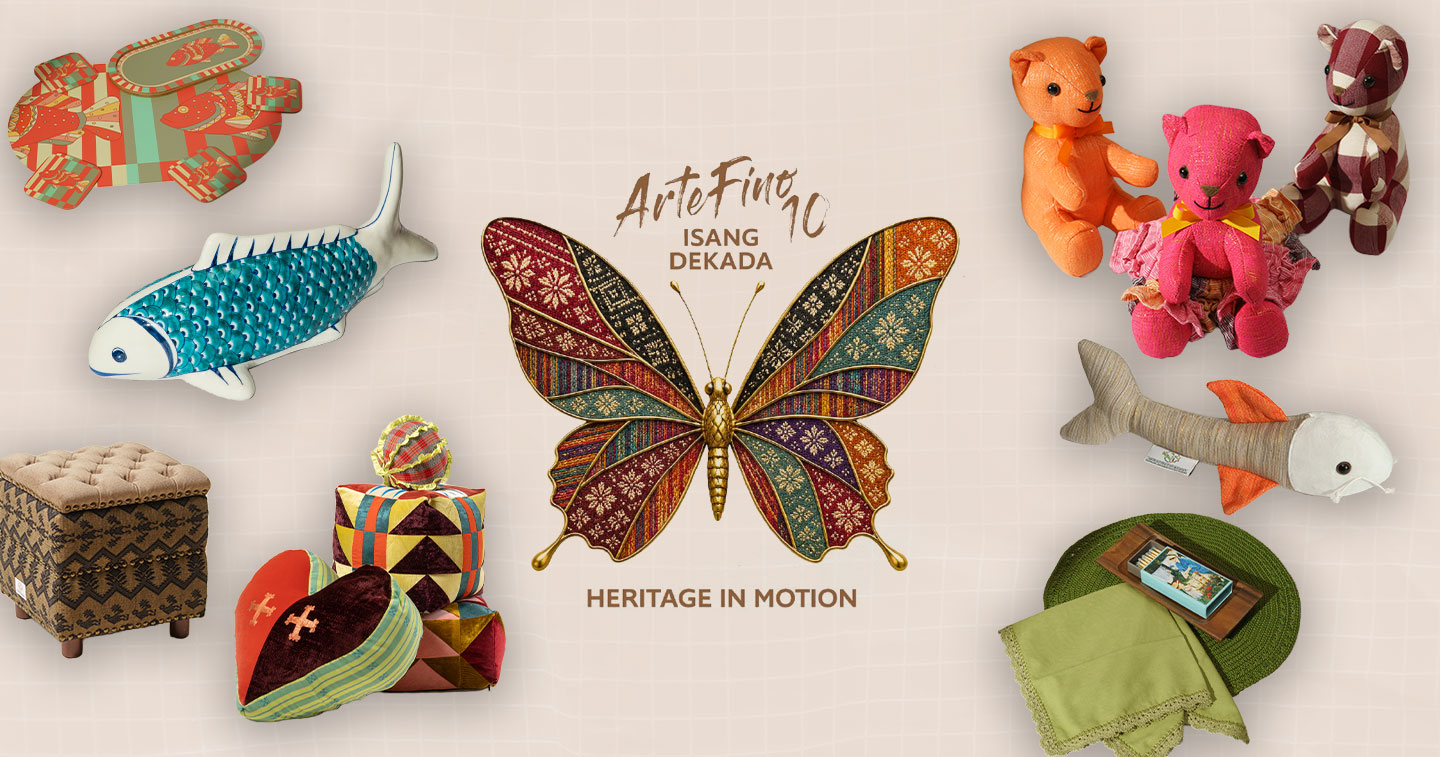
As ArteFino celebrates its 10th anniversary, the movement returns with “Isang Dekada,” a four-day celebration happening from July 30 to August 2 at Power Plant Mall. Presented by Rockwell and Security Bank, the event will feature more than a hundred Filipino brands and unveil exclusive collections, immersive installations, and collaborative experiences that demonstrate how local craftsmanship continues to evolve while remaining deeply rooted in culture.
For Cedie Vargas, one of ArteFino’s founders, the milestone is less about looking back on the past decade and more about recognizing the momentum Filipino craftsmanship has gained — and where it can still go.
“We believe that ArteFino supports an ever-evolving story of the Filipino artisan, of the traditions and the culture,” Cedie told adobo Magazine in an exclusive interview.
“This is Filipino contemporary culture at its finest and at its constant evolution,” she added, reflecting this year’s theme, “Isang Dekada,” which celebrates what ArteFino describes as “heritage in continuous motion.”
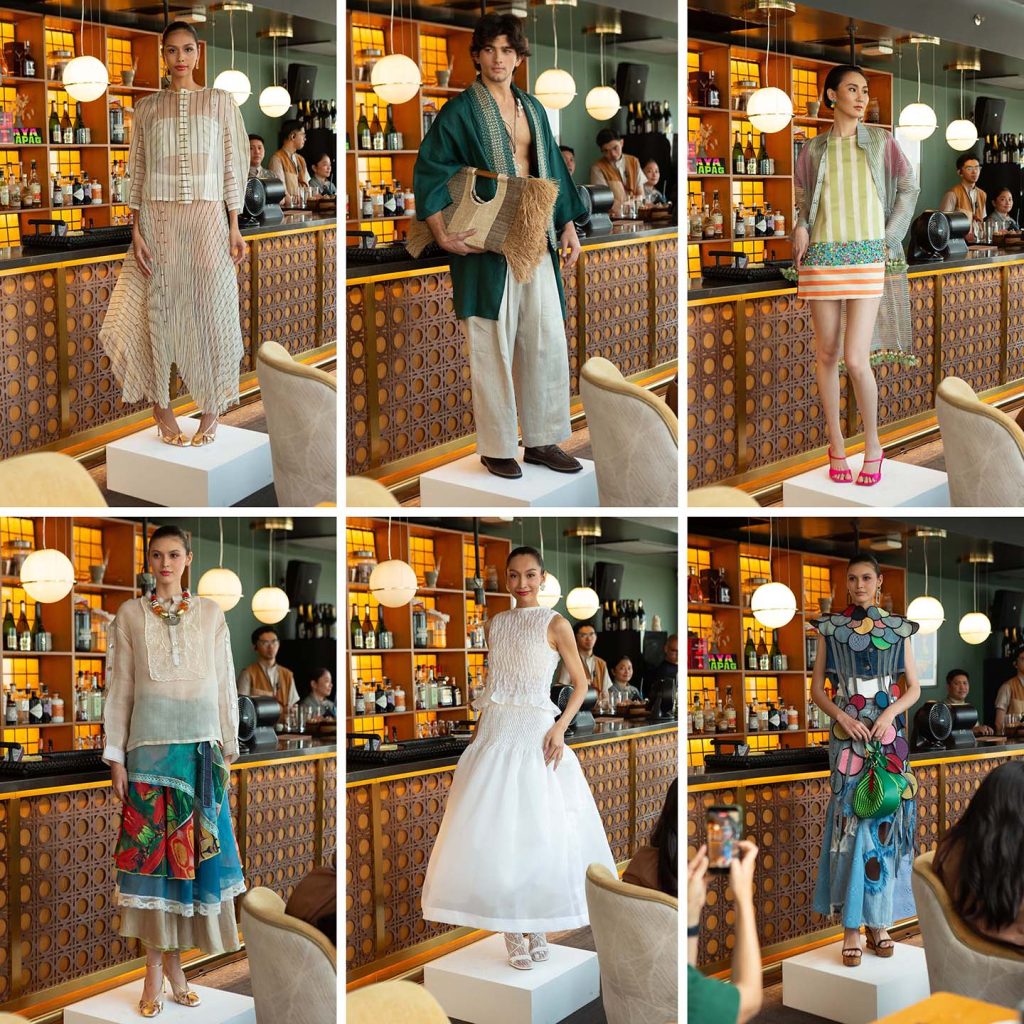
Rather than viewing tradition as something static, the movement embraces the idea that culture grows stronger when it is allowed to adapt, inviting Filipino artisans and designers to innovate, experiment, and reinterpret age-old techniques for today’s generation.
This spirit of evolution comes to life through the Dekada Collection, where participating brands were challenged to create exclusive pieces that reflect both their creative journey over the past decade and their vision for the future of Filipino design.
“We still have the terno sleeves, of course, but it’s moving towards mainstreaming. More than just mainstreaming, it’s contemporary.”
For ArteFino, that is precisely the goal. The movement doesn’t seek to preserve tradition as a relic of the past. Instead, it ensures that tradition continues to evolve alongside the people who wear it, create it, and pass it on to future generations.
From advocacy to movement
ArteFino was never intended to be just another lifestyle fair. From the very beginning, its founders envisioned a platform that could elevate Filipino craftsmanship while creating lasting opportunities for the artisans and communities behind every handcrafted piece.
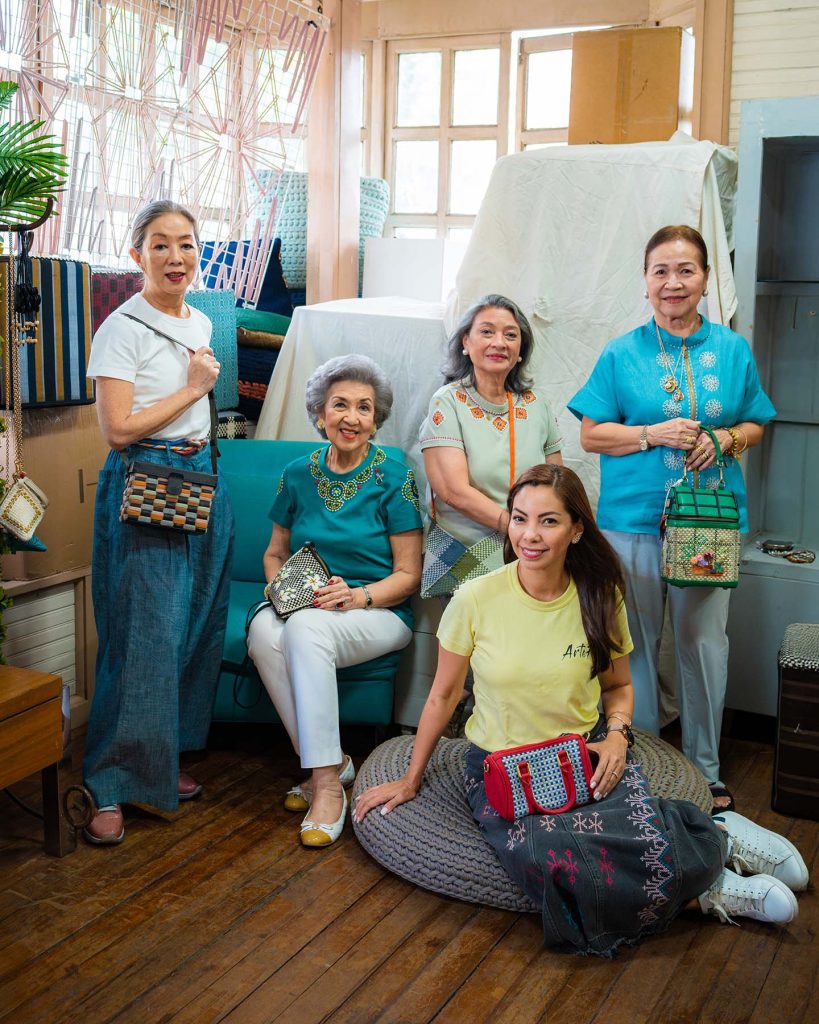
For its founders—Maritess Pineda, Armita Rufino, Susie Quiros, Cedie Vargas, and Marimel Francisco—the goal extended far beyond showcasing beautifully made products. They wanted to reshape the conversation around Filipino heritage, where craft is recognized not only for its artistry but also for its power to sustain livelihoods and preserve generations of tradition.
“We knew from the beginning that we needed to promote locally made products and, in the process, help our artisan communities,” the founders shared in a statement.
“When we realized that we had a following, we knew that we couldn’t just keep selling. Rather, we needed to convey a message that would create impact.”
The conviction behind those words, however, was shaped years before the first ArteFino fair.
Long before ArteFino became one of the country’s premier showcases of Filipino design, Cedie and her fellow founders were behind Maarte, a fundraising initiative supporting the Museum Foundation. Their years of working alongside designers, weavers, and artisan communities revealed a deeper reality: they wanted to preserve Filipino craftsmanship more than to fundraise. It demanded a sustainable platform that placed artisans at the center.
“We wanted to celebrate Filipino artisanship by showcasing the exceptional craftsmanship of our artisans and the stories woven into every handmade creation,” Cedie said.
As they immersed themselves in communities across the country, the founders encountered stories that reshaped their purpose.
“As time went on, we got to know all the communities and the designers, and we listened to their challenges and their griefs,” added Cedie.
The group sought to establish a platform that directly benefited artisan communities and decided to build something entirely new.
“If you ask me, I would just say our advocacies diverged,” Vargas explained. “We wanted to be of more relevance to celebrating the craft and the communities that produced it, so that it becomes a circular ecosystem. You produce the craft, we buy it from you, we sell it, and then it goes back to you.”
That circular ecosystem became the foundation of ArteFino, a platform where every purchase supports the hands that created it, and every artisan gains greater visibility, opportunity, and economic empowerment.
Essentially, ArteFino has become a movement that proves Filipino heritage is not meant to remain static but to be lived, celebrated, and carried forward.
Changing the way Filipinos consume
Perhaps ArteFino’s greatest achievement isn’t measured by attendance or sales but by changing how Filipinos think about locally made products.
When ArteFino launched nearly a decade ago, imported goods often carried greater prestige, while handcrafted Filipino products were largely confined to souvenir shops or worn only during cultural celebrations. Today, locally designed fashion, handcrafted homeware, artisanal beauty products, and indigenous textiles have become staples of the modern Filipino lifestyle.
“When we first formed ArteFino, one of the things we were very strong about was creating that movement. We wanted ArteFino to communicate the advocacy messages we had. Over the years, we saw people imbibing our message,” Cedie explained.
She continued, “When they come to shop, they ask, ‘Where was this made? What is it composed of? Who made it?’ Those are the audiences, those are the patrons that we really want to develop.”
As ArteFino enters its second decade, its mission is expanding beyond finished products to examine every stage of Filipino craftsmanship.
“We are trying to move deeper into the value chain. We’re moving backwards, actually,” Cedie underscored.
“You start out with the product, and we’re moving deeper into where these products are created. Who makes them? What are the challenges?”
This year’s edition reflects that direction through conversations around responsible retailing, sustainability, and material innovation. Featured collaborations include a capsule collection between HeArteFino and Isla Tek, showcasing yarns made from pineapple, banana, and abaca fibers, alongside presentations by HeArteFino grantees such as Project Nova, Zarah Juan, and ANTHILL Fabric Gallery.
Beyond showcasing products, ArteFino has likewise evolved into a platform for long-term community development. Through the HeArteFino Development Program Grant, the movement continues to support artisan communities through grants, partnerships, and investments that extend well beyond the annual fair.
This year, ArteFino introduces new experiences, including Studio ArteFino, envisioned as the movement’s retail extension, and Eats by ArteFino, developed in partnership with The Seven Pantry. The initiative celebrates Filipino food, hospitality, and social gatherings while also serving as a curated lifestyle store carrying pantry staples, snacks, and home, dining, and entertaining wares.
Ultimately, these additions reflect ArteFino’s continued evolution into a lifestyle platform that champions creativity across fashion, home, food, and design.
Carrying heritage forward
As ArteFino looks toward the future, Cedie believes Filipino creatives already possess everything they need to thrive on the global stage.
“Don’t stop believing. Don’t stop,” she said.
“You go to other countries, and you see what they’re doing. We can do this. We have all the resources, the raw materials. You just need the will to be able to see it through.”
After a decade, ArteFino has become far more than an annual marketplace. It is a living movement that continues to reshape the narrative around Filipino craftsmanship. It honors the past while embracing innovation, empowers artisan communities, and inspires consumers to see heritage not as something preserved behind glass but as something woven into everyday life.
ARTEFINO: ISANG DEKADA is presented by Rockwell and Security Bank. The milestone celebration happens from July 30 to August 2 at the North and South Court, R1 Lifestyle Hall, and The Fifth at Power Plant Mall.
READ MORE:
Jor-El Espina takes inspiration from Patis Tesoro to create wearable art
DOST-PTRI hosts 2025 TELACon to weave Philippine tropical fabrics’ future via circular economy