

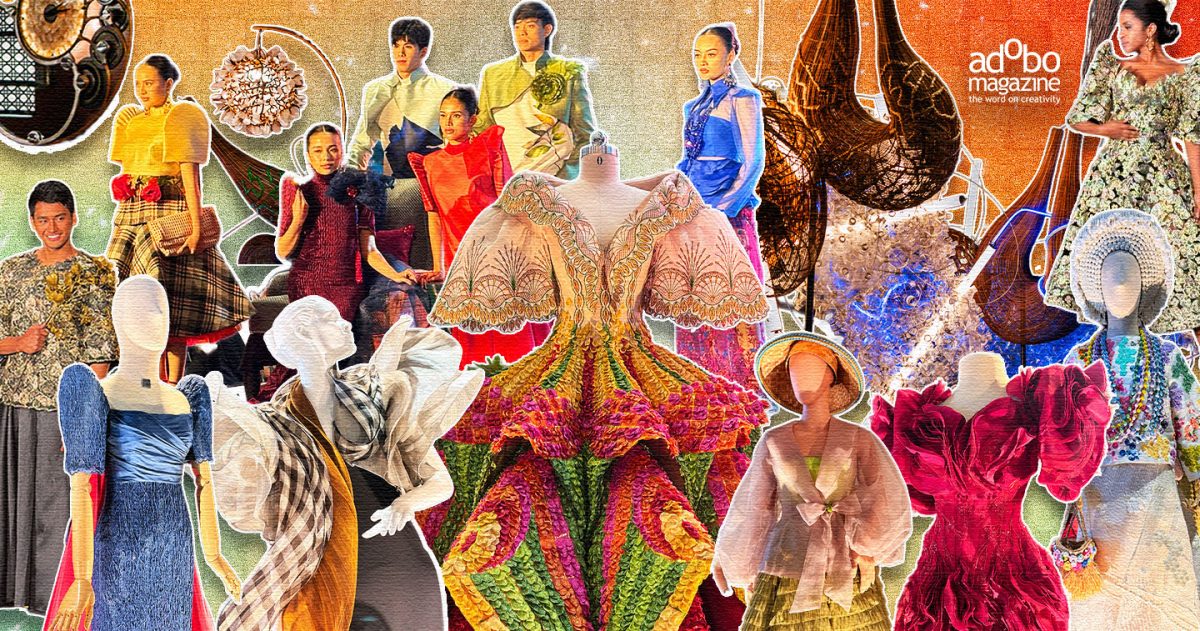
Design took on a new dimension as fashion and furniture shared the same stage in Kariktan, A Furniture Fashion Show, held at the Philippine International Furniture Show at the SMX Convention Center Manila on Saturday, March 7.
More than a runway presentation, the event was a celebration of Kapampangan creativity where craftsmanship, heritage, and contemporary design converged in a striking display of artistry.
(Photos: Yoniel Acebuche)
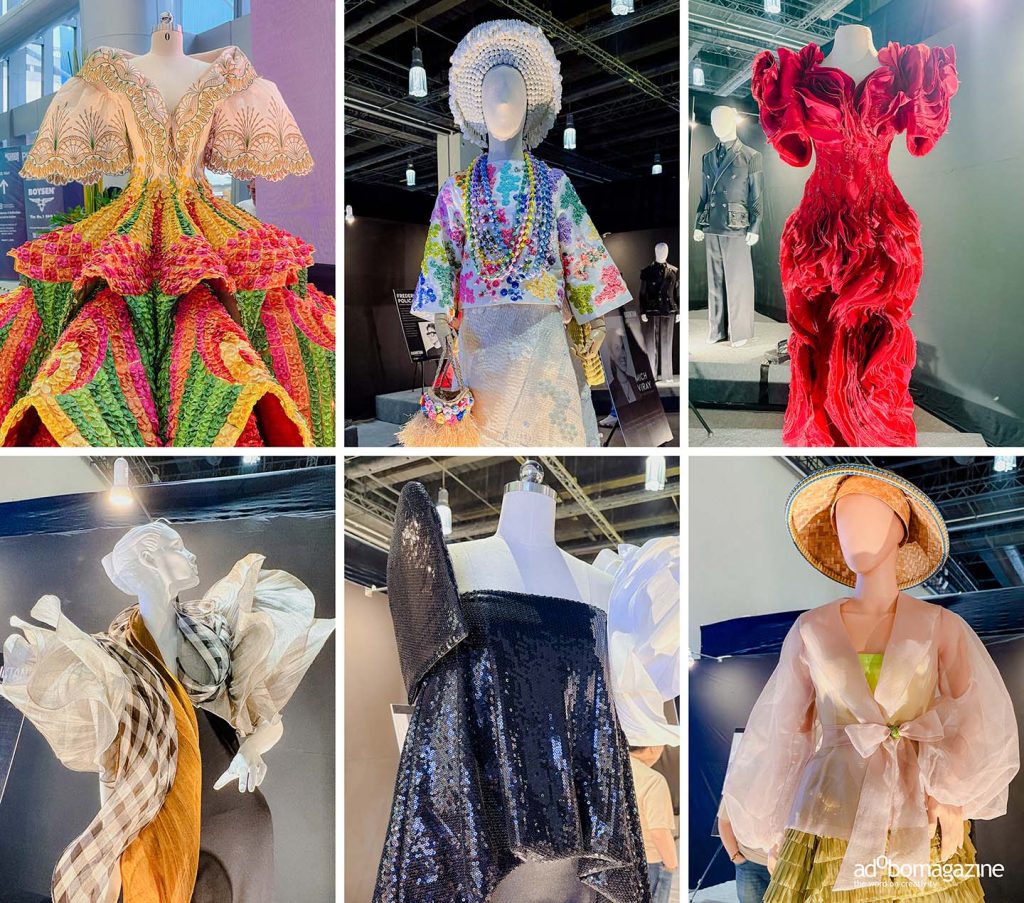
The showcase also placed Pampanga’s renowned designers and manufacturers at the forefront of the national design conversation. It, similarly, transformed the exhibition space into a living gallery of garments and furniture, all sharing a visual language of elegance and precision.
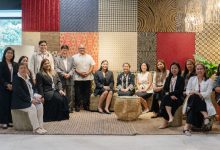
First Lady Liza Araneta-Marcos joined Congresswoman and former President Gloria Macapagal-Arroyo; Nanay Partylist Representative Florabel Yatco; Governor Lilia “Nanay” Pineda; Board Member Fritzie David Dizon, Board Member Atty. Claire David Lim, and Clark Development Corporation Director Atty. Nicolette Henson. Together, they toured the exhibition and witnessed the presentation, demonstrating strong support for the province’s creative industries.
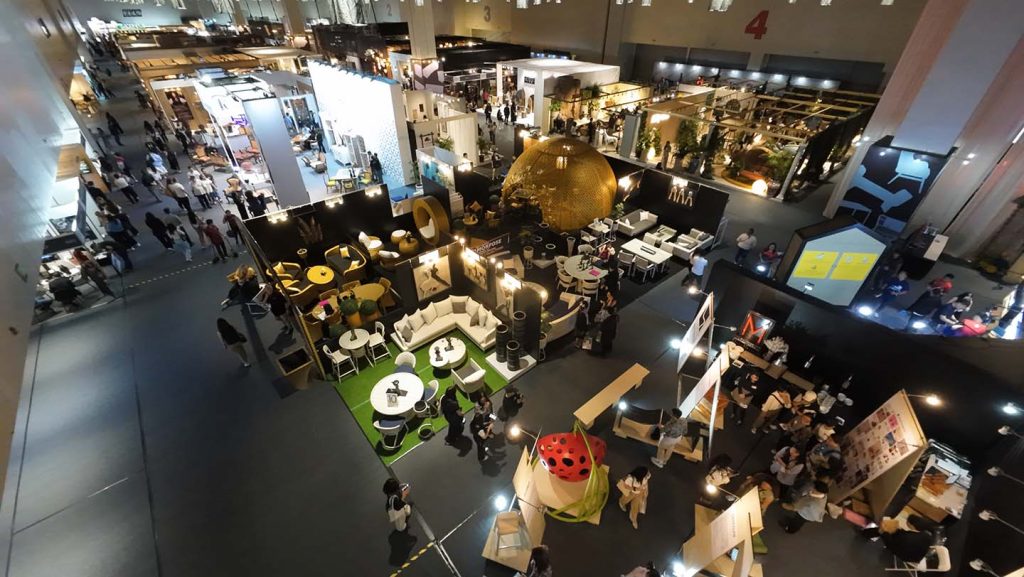
For Macapagal-Arroyo, the evening reflected a deeply rooted aspect of Kapampangan identity.
“[Kariktan] reminds us that Kapampangan creativity does not confine itself to one field. It thrives not only in food but in fashion and furniture, not only in cuisine but in textiles and wood, not only in flavors but in life and form,” she said during her speech.
She added, “[Kariktan] is a celebration of the craftsmanship, attitude, and creativity that make Pampanga such a vibrant center of Filipino artisans and craftsmen.”
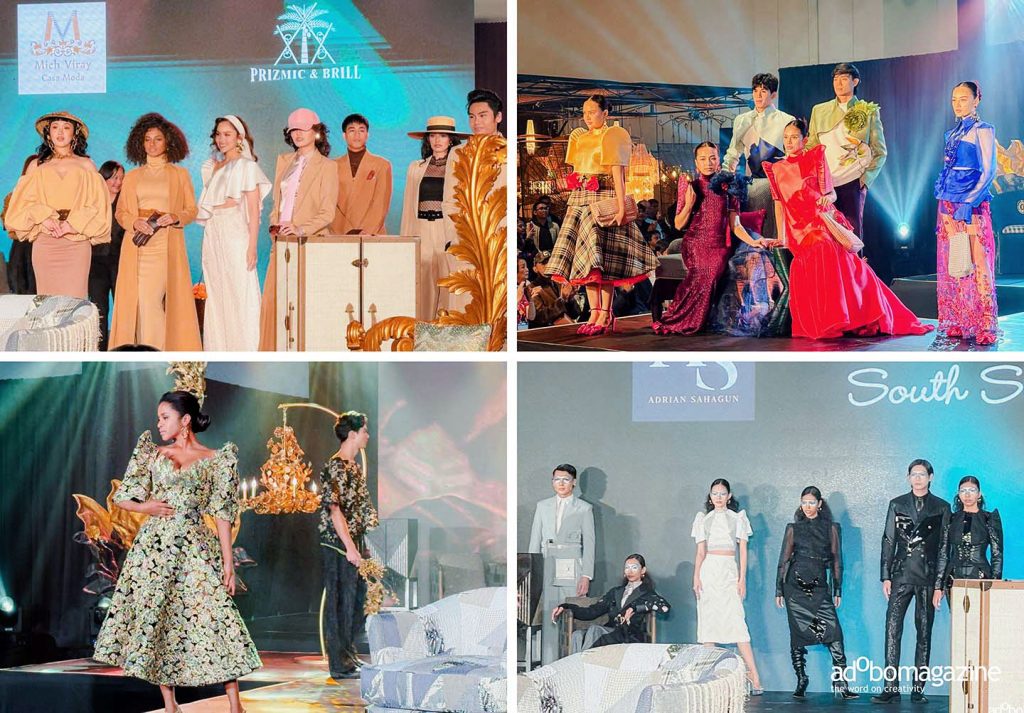
On the runway, the fashion segment featured the works of celebrated designers Mak Tumang, Philip Torres, Ditta Sandico, Frederick Policarpio, Marlon Tuazon, Mich Viray, Adrian Sahagun, and Rhon Balagtas. Each collection revealed a distinct design voice while collectively reflecting the evolving language of Kapampangan couture, where intricate craftsmanship meets contemporary elegance.
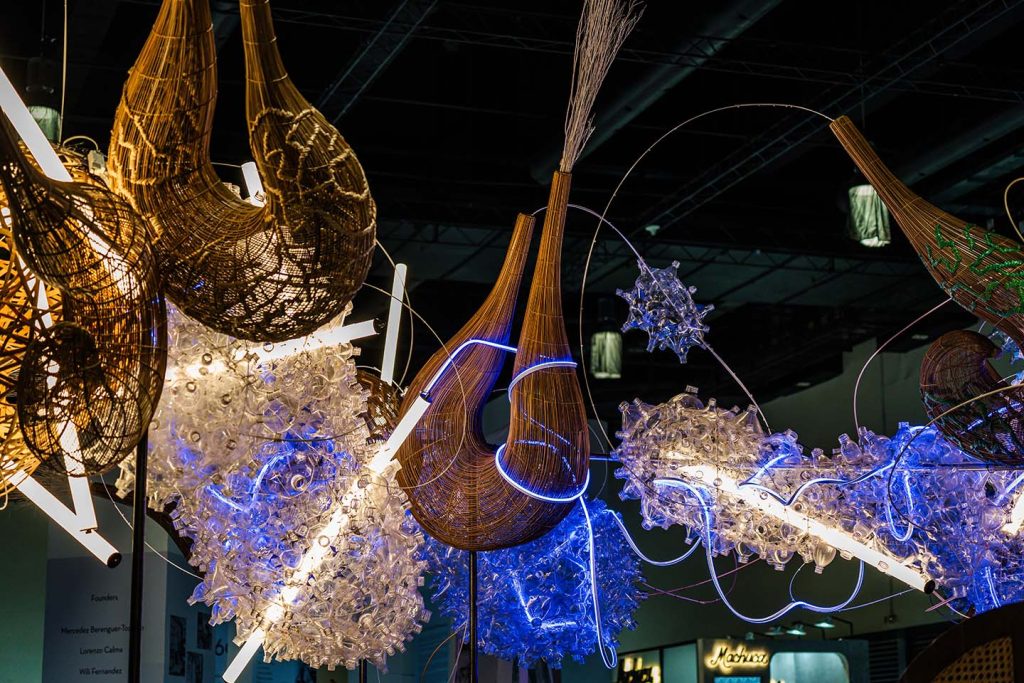
Running parallel to the fashion presentation was a display of Pampanga’s thriving furniture industry. Companies such as JB Woodcraft Inc., Albero, Calfurn Manufacturing Philippines, Las Palmas Furniture, Philiana Design, Prizmic and Brill, A. Garcia Crafts, South Sea Veneer, and Venzon Lighting participated. Their pieces fused function with refined aesthetics, demonstrating the meticulous workmanship for which the province has long been known.
The concept behind Kariktan centers on dissolving boundaries between disciplines.
(Photos: Yoniel Acebuche)
“This is where heritage meets modern expression. Craftsmanship becomes couture, and creativity flows seamlessly from furniture to fashion,” Erwin Tan, Overall Exhibit Chairman of the 2026 Philippine International Furniture Show, said.
Philippine furniture in the modern age
In an era dominated by speed, automation, and artificial intelligence, Philippine furniture design quietly —but powerfully — asserts the enduring value of handcrafted work.
Speaking to adobo Magazine, Albero CEO and Co-Founder Lance Tan highlighted the event’s seamless fusion of concept and craft, as well as the role of craftsmanship in translating designers’ visions into tangible pieces. He also pointed to the revival of traditional techniques such as rattan weaving adapted with leather as an example of how heritage skills continue to evolve within modern design.
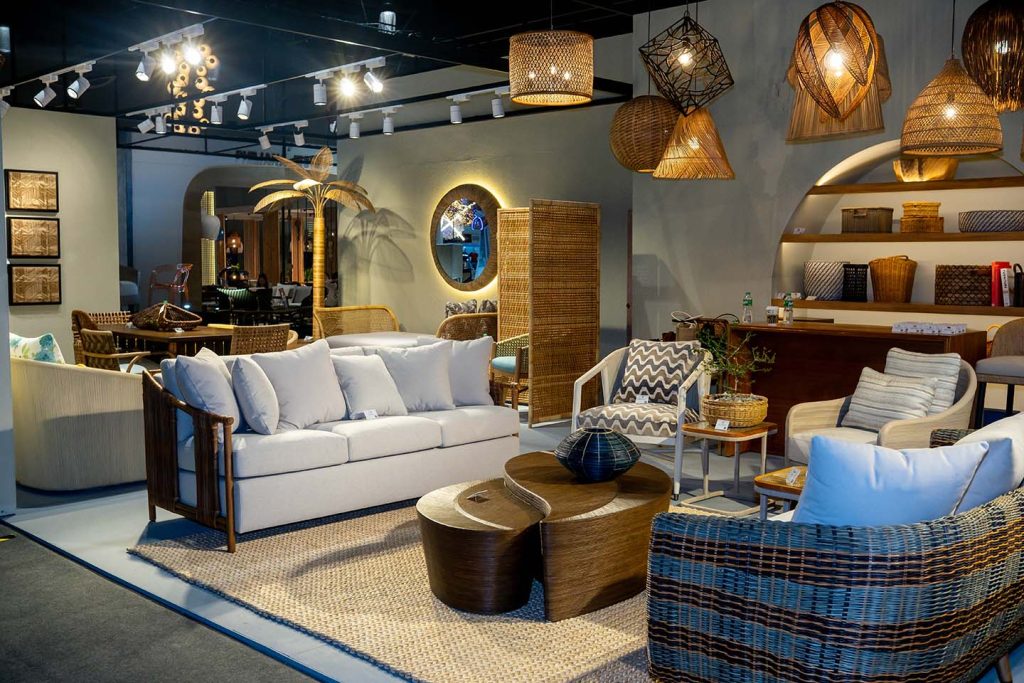
“We have a lot of techniques that we try to keep for this collection and revive them. For instance, we usually use rattan in our past designs, but clients don’t usually ask for it. So what we did was keep the craft, but we upscaled the material by using leather instead as a weaving material,” he said.
“We really made sure to highlight details that are usually not noticed. Once you explain and tell their story, we hope to educate people as well about the beauty of Philippine craftsmanship.”
This innovative approach turns furniture into a storytelling medium, allowing each piece carry a narrative about culture, skill, and identity.
Meanwhile, the Philippine furniture industry faces the challenge of competing in a global market, where cost, speed, and technology often define success. Lance says exposure and collaboration are key to evolving and keeping pace with international standards.
A crucial part of this evolution involves cross-disciplinary work — going beyond the confines of interior design and furniture, and drawing inspiration from other creative fields.
“This year, we’re trying to move across disciplines. So we have the [Kariktan] because we think that to grow the Philippine design community, we have to work with other art fields as well. To be inspired, it’s not just about interiors, furniture, and architecture. We have to look outside the box. So there’s art, there’s fashion, music, sound.”
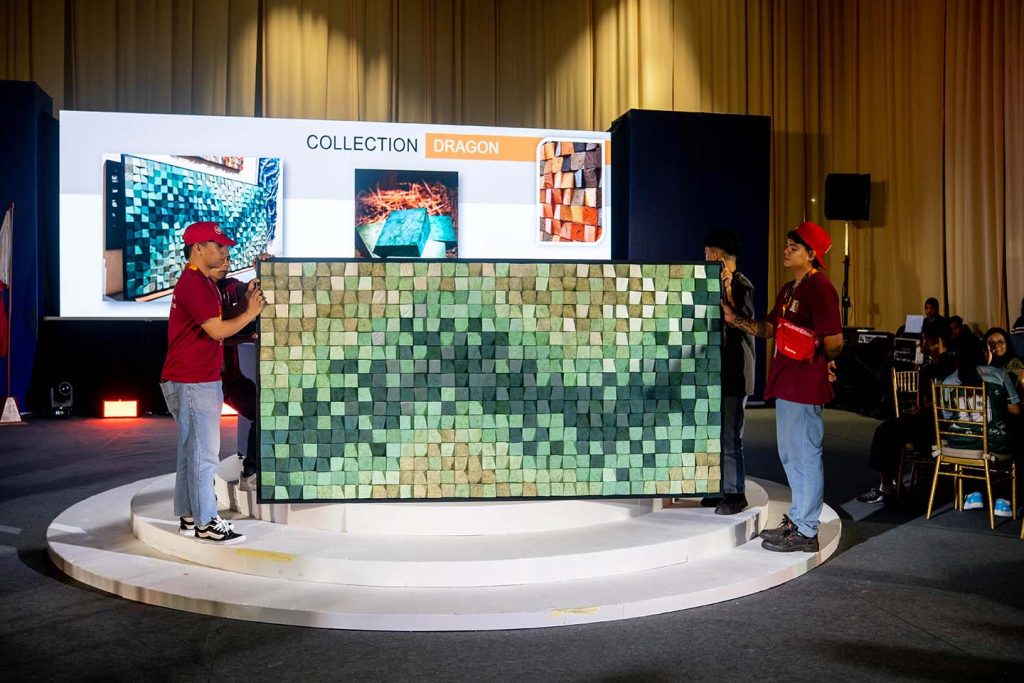
Ultimately, Lance believes that the value of handmade furniture is only becoming more significant. When asked why people should pay closer attention to Philippine furniture design today, in the midst of artificial intelligence, he cites human touch as an irreplaceable asset.
“Why do they prefer other countries? It’s because they can get their items cheaper and faster. But in the Philippines, even though we don’t have the technology other countries have, there’s beauty in keeping things made by hand. There’s beauty in seeing imperfections. There’s a beauty in seeing the rawness of things,” he said.
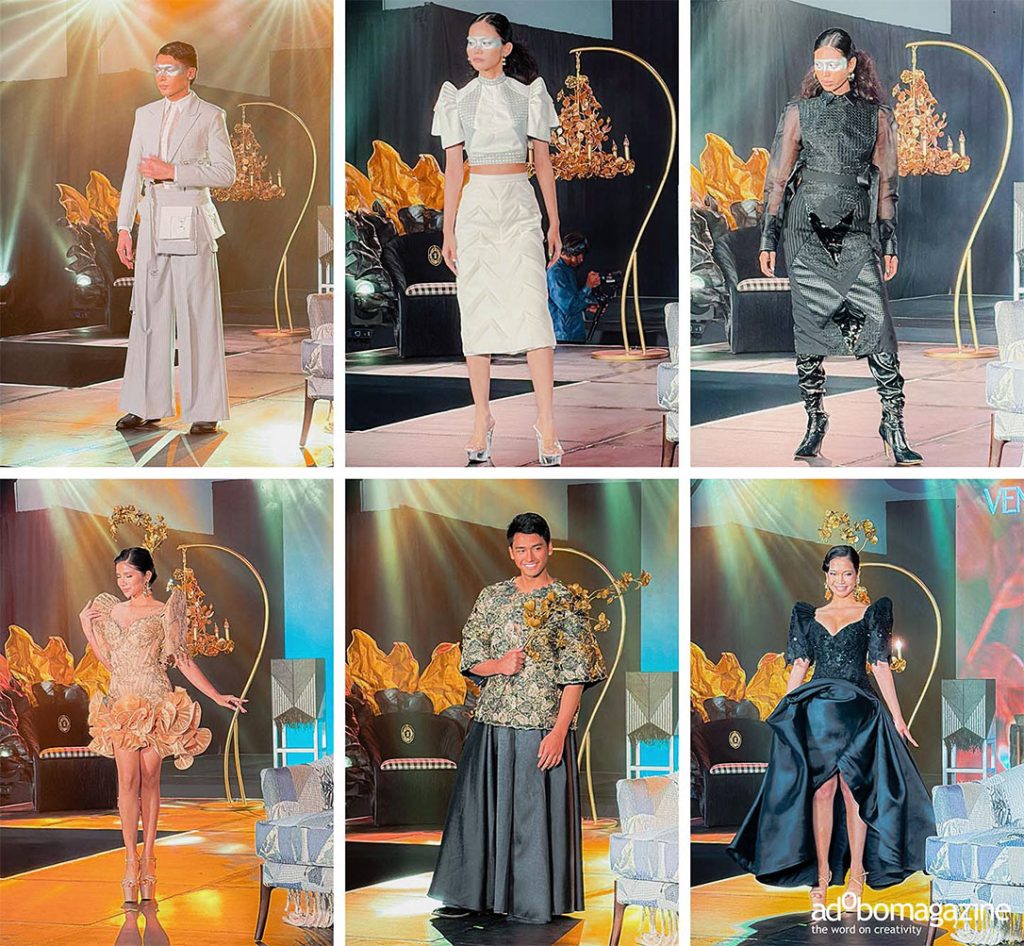
(Photos: Yoniel Acebuche)
To him, these imperfections and raw qualities are not flaws; they are markers of authenticity and humanity, telling the story of the hands that shaped the piece, the culture that informed the design, and the time invested in its creation.
“I think that’s the trend that’s going to become not a trend, but a timeless thing. They want to see [furniture and garments] made by hand and not items made by machines.”
READ MORE:
Global design trends converge at the Philippine International Furniture Show and Interior & Design Manila on March 6-8
Women artists explore material and form in this exhibit at MET Manila
Champion turns table napkins into cultural art at ‘The Art of Dining’