
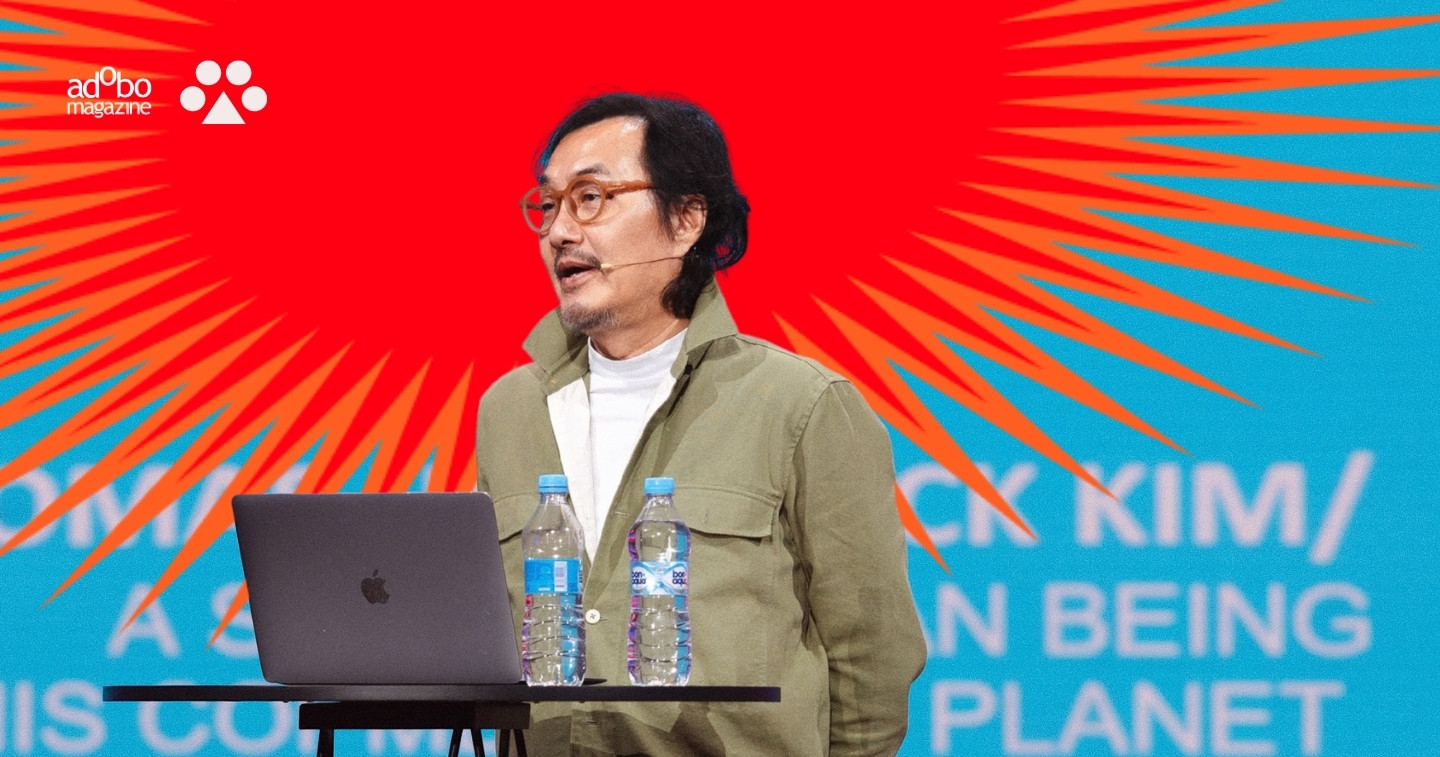

Thomas Hongtack Kim has a different way of looking at chaos. Rather than treating it as a disruption to avoid, he sees it as order waiting to be understood, with creativity turning uncertainty into something meaningful.
The board member of The One Club for Creativity and founder of 2kg Creative Solution Lab brought this perspective to Jolbors Festival 2026 in Tashkent, Uzbekistan, on October 3, where he led a session titled “4 Ways to Win in the Era of Marketing Chaos.”
Held at ZOR TV, Jolbors Festival brought together creative leaders from Asia and beyond to discuss creativity, marketing, humanity, and the growing influence of technology on the industry. For Thomas, the conversation began with a fundamental question of how creatives should approach an increasingly unpredictable landscape.
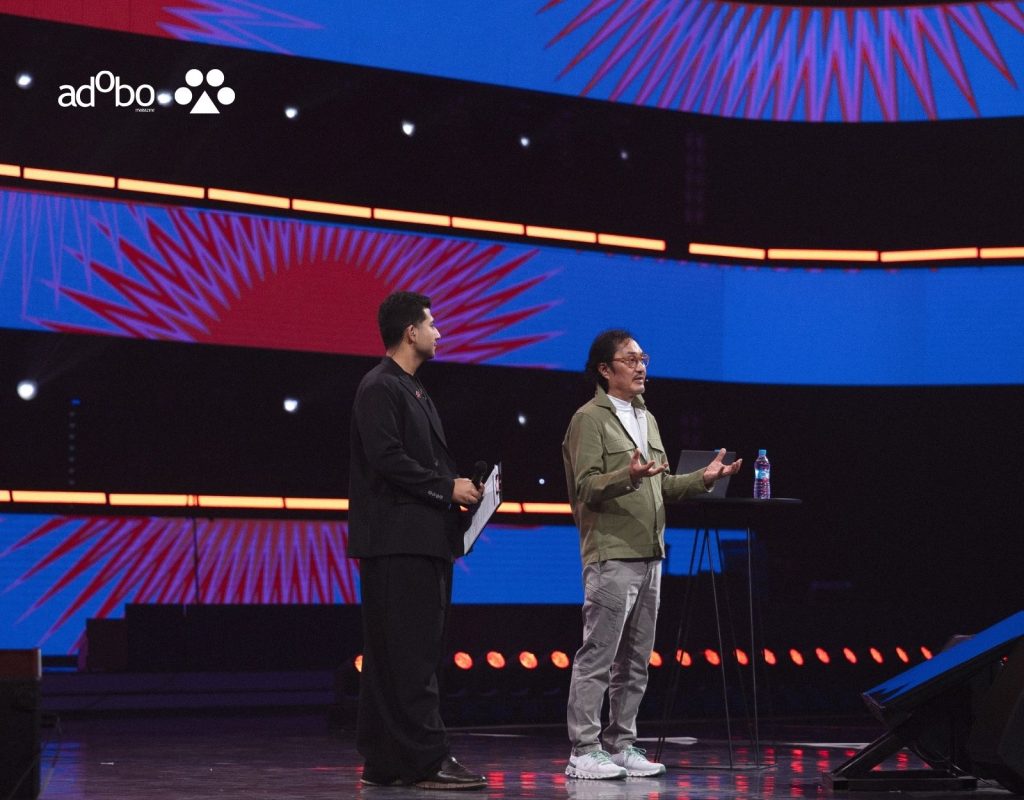
He defined chaos as “an order that has not yet been deciphered” and described creativity’s role as “to turn that chaos into a new cosmos.”
Likewise, Thomas’ perspective positions chaos as an opportunity for creatives to recognize patterns, uncover possibilities, and give shape to what has yet to be understood.
Intelligence is not consciousness
The first theme involved the wise use of AI. Technology moves faster than people can adapt, Thomas said, and creativity can fill that gap. Machines have already outperformed humans in places once seen as peak intelligence, such as the Go match between AlphaGo and Lee Sedol in Seoul. The five-game Go match was between AlphaGo, an AI developed by Google DeepMind, and Lee Sedol, one of the world’s greatest Go champions.
What machines lack, Thomas argued, is consciousness.
“Intelligence and consciousness are different,” he said, noting that a single line of poetry can overwhelm a person in a way AI can describe but does not experience.
His case was Starbucks Korea’s “Tank Day” tumbler promotion, launched on May 18, the anniversary of the 1980 Gwangju Democratization Movement –– a pro-democracy uprising in Gwangju, South Korea, wherein citizens protested military rule and were met with a violent crackdown by troops.
Critics linked the name and copy to painful history, and the company apologized and halted the promotion.
Thomas does not think the associations were intended, but he asked ChatGPT how it would respond to the campaign before launch. It raised greenwashing and missed the history.
The information exists, he said, so the failure was in connecting the date, wording, and memory, and human review failed too.
“AI can generate; human insight makes an idea resonate.”
The fix, in his words, is synthetic authenticity: “Blend AI with human touch and creativity.” The exact ratio matters less than who leads, since a human perspective must lead the work. Thomas showed the idea with a Jollibee film he made as a demonstration, not a client brief. He wrote the copy and used AI to produce the imagery.
The “Heinz’s A.I. Ketchup” campaign asked image generators what ketchup looks like, and many results resembled Heinz bottles. The insight came first, and AI only visualized it.
Start with the idea, not the media mix
The second theme concerns media fragmentation, which Thomas framed as the unbundling of audience attention. Audiences are moving from mass media to micro-communities, so two people in the same classroom might belong to different worlds, one into anime cosplay on TikTok, the other sharing vegan recipes on Reddit.
Brands should map the consumer journey from awareness to preference, purchase, and loyalty, but the idea comes first.
“Do not start with a media mix,” he said. “Start with an idea worth sharing.”

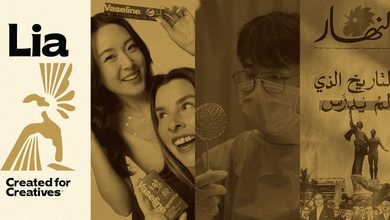
“Vaseline Verified” was his example. The brand’s scientists tested viral Vaseline Jelly hacks, validated the ones that worked, and challenged the myths, joining an already-happening online conversation.
When an audience member asked whether he tailors creative for platforms like Reddit and Instagram or posts everywhere, Thomas replied: “The media channel itself should not be the starting point.”
Trust over aspiration
The third theme was influencer marketing. Celebrity endorsement once sold aspiration, such as a BTS member drinking Coca-Cola. Influencers work through trust and authenticity, Thomas said, which is why micro-influencers with roughly 10,000 to 100,000 followers and nano-influencers with fewer than 10,000 can sometimes outperform larger influencers.
Gymshark’s founders came from the fitness community and sent products to athletes they admired, who shared these with their own followers.
The lesson, Thomas said, is this: “A loyal community can be more powerful than celebrity endorsement.”
From user to human
The final theme was the shift from user to human. Thomas said the word can make the relationship sound transactional, and he pointed to the film Her to ask what it means if even love can be purchased like a product.
“We are human beings meant to touch, feel, and experience physical reality,” he said.
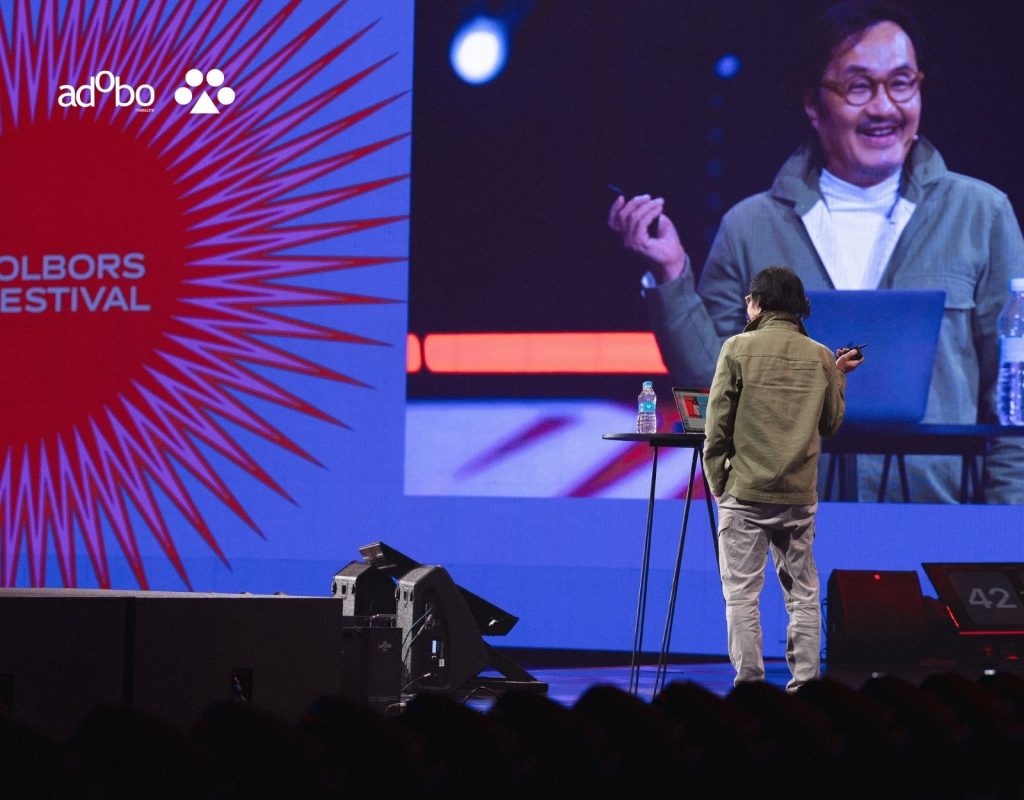
He recommended Christine Rosen’s The Extinction of Experience to those who want to understand what is lost when technology mediates daily life.
As an example, he cited a hyperlocal initiative in Uzbekistan that invited people into a physical space to handle everyday admin together, from insurance claims and ghost subscriptions to monthly budgeting and overloaded cloud storage.
The goal, he said, is to move “from fragmented, distant digital islands to physical tribes and shared experiences.”
Thomas closed with four lessons: infuse AI with human insight, start with an idea worth sharing, use micro and nano influencers to build trust, and move beyond the screen into physical reality.
All four rested on one point: “Technology is technology; meaning is created by humans,” he said.
adobo Magazine is an official media partner of Jolbors Festival 2026.
READ MORE
Thailand wins the Grand Prix, Russia takes most wins at Jolbors Awards International 2026
SEED leads Jolbors Awards Central Asia 2026 with 13 wins, ahead of FCB Almaty, Ogilvy ATA