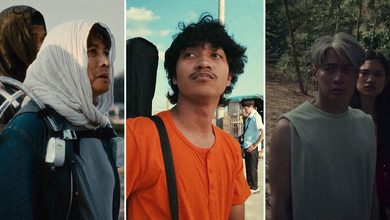

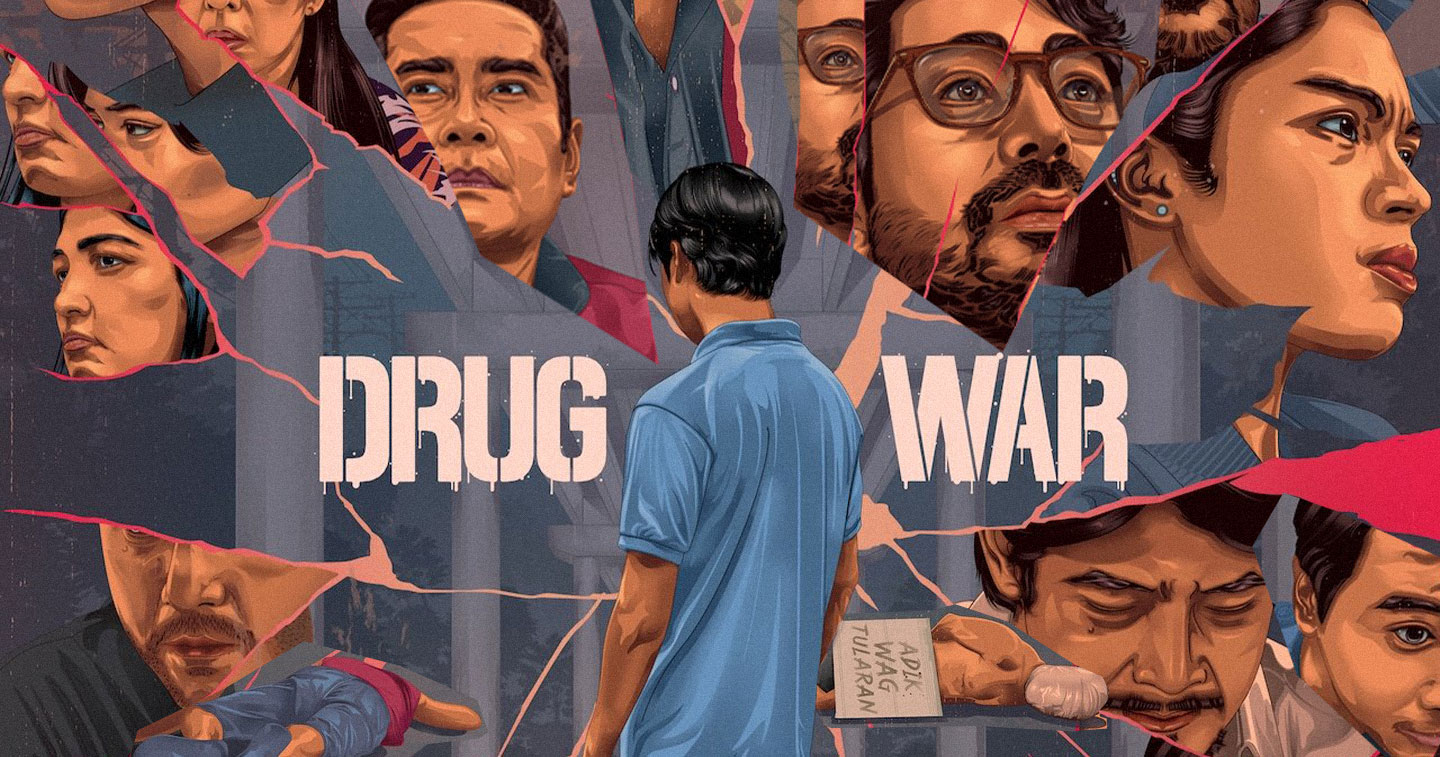
In Drug War: A Conspiracy of Silence, Ian Veneracion plays Fr. Tom Carillo, a priest who runs a rehabilitation center in a sleepy town. He is shaken when Kiko (played by Harvey Bautista), one of the teenagers previously under his care, disappears and is presumed to have fallen victim to drug-related extrajudicial killings. Consumed by guilt, Fr. Tom sets out on a relentless search for the truth.
Yes, the series draws inspiration from former president Rodrigo Duterte’s “war on drugs” — popularly known as Oplan Tokhang — which he announced as soon as he assumed office almost exactly a decade ago, but presents it through a fictional lens.
Human rights groups, the United Nations, and the International Criminal Court (ICC) have contested official government records stating there were only 6,252 fatalities in anti-drug operations between July 2016 and May 2022. These groups have estimated that the true death toll from the drug war ranges from 12,000 to 30,000, including victims of unsolved vigilante-style killings and extrajudicial executions.
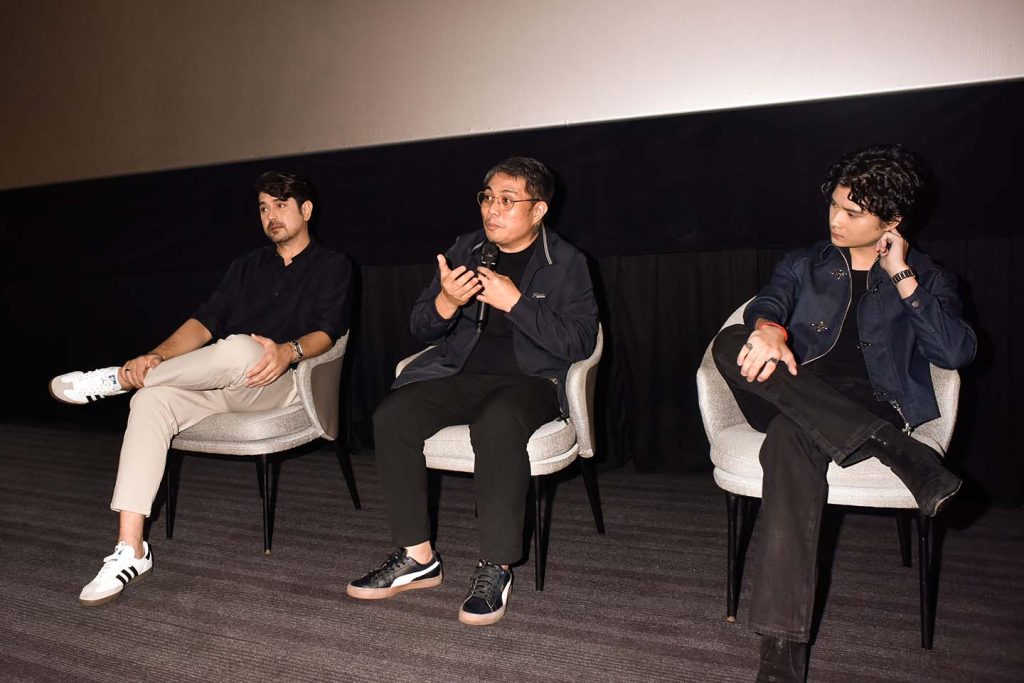
In a talkback session after an exclusive block screening of the first episode of this six-part mini-series, director Shugo Patricio, known for the gritty, award-winning Filipino political action-thriller series Bagman, said he and his team left no stone unturned in their research — reviewing official records and interviewing officials as well as the closest kin of victims — to build a solid and authentic foundation for the show.
Imagine the truths that unfolded in that process. The names and identities of the characters in Drug War may be fictional, but the scenes, for all we know, might be grounded in real-life circumstances.
The victims of the real Oplan Tokhang were people in marginalized communities — not the millionaires in exclusive gated subdivisions who can easily buy narcotics in bulk and never the politically affiliated drug lords — and the victims depicted in Drug War come from the same socio-economic background. Duterte’s war on drugs wasn’t just a government crackdown on alleged drug users and pushers; it’s also a reflection of the systemic ills of the Philippine justice system, and ultimately raised questions about whom that system ultimately serves.
Among the thousands killed in the drug war were minors either as “nanlaban” (fought against authorities), as proxies due to mistaken identity, or as ‘bystander’ collateral damage. A report by the World Organization Against Torture documents the killing of at least 122 children ages 1 to 17 between July 2016 and December 2019, and this number is perceived as an underestimate, given that the families of victims are usually threatened by police officers and fear speaking against the authorities.
Of the thousands of extrajudicial killings (EJK), only four EJK cases have resulted in the conviction of police officers, including the high-profile 2017 murder of 17-year-old Kian delos Santos and the killings of teenagers Carl Arnaiz and Reynaldo “Kulot” de Guzman.
Kian’s execution was filmed, and three policemen were found guilty of his murder in 2018. Five years after the death of Carl and Reynaldo, a policeman was found guilty of torture and planting evidence and convicted of their murder in 2023.
Carl was 19. Kian was 17. Reynaldo was 14. Their deaths speak of a system that readily casts suspicion on the youth and exacts deadly consequences without due process. A system that immediately tags minors as shoot-to-kill criminals and exterminates them.
With the recent school shooting involving 14 and 15-year-olds in Tacloban City, questions on criminal liability and how the justice system should treat young offenders are again being raised. Because of this incident, Senator Robin Padilla has proposed to lower the age of criminal liability to 10 years old.
But the problems run deeper than what appears on the surface. The question shouldn’t simply be “How do we criminalize minors?” but instead should be focused on protecting and raising them in a safe and nurturing environment that will help them become good citizens.
It’s the same environment — a dream society — that could have allowed Kian, Reynaldo, and Carl and all the others to grow and prosper and thrive and live beautiful lives. But dreams are the hardest to realize. And at the pace the government is moving, with corruption remaining deeply embedded in the system, that society, it seems, is something the Philippines can never be.
The 10th anniversary of the Duterte administration’s war on drugs is fast approaching. And yet, thousands of cases have been closed or remain unsolved. As the former president awaits the start of his formal trial before the ICC in November, Filipinos, especially the families of those who died in the drug war, remain doubtful of whether justice will indeed be served.
Drug War: A Conspiracy of Silence proves how powerful storytelling can confront painful human truths that refuse to stay buried. It is a testament that Filipinos have not forgotten, and a reminder that we should never forget.
The series is produced by Rein Entertainment in partnership with KC Global Media. Official streaming platforms and broadcast partners have not yet been announced, but the series is slated for a worldwide release.
READ MORE: