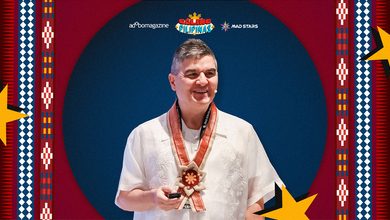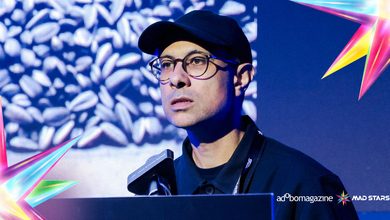


The Filipino language is full of duality in meaning and intention, depending on how you pronounce a specific word. Take “galing,” for example, which can either mean“origin” or “skill.” This clever double entendre was one of the many highlights of Jayme Headquarters – JHQ’s Chairmom Merlee Jayme’s presentation, “Why Filipino Ideas Travel,” at the Galing Pilipinas conference at this year’s MAD STARS festival in Busan, South Korea.
The event was part of the entire Galing Pilipinas initiative organized by adobo Magazine in collaboration with the MAD STARS organizing committee, which celebrated the Philippines as the festival’s first-ever Country of Focus in its 19-year history.
The five pillars of Pinoy excellence
Merlee put the spotlight on Filipinos’ ability to adapt, connect, and make do with what we have as a people across an archipelago of 7,641 islands — all seen in the creative work of Filipinos showcased at international festivals in the last 15 years. This then alluded to the main highlight of her presentation: the five kinds of excellence, skill, and talent (or “galing” in Filipino).
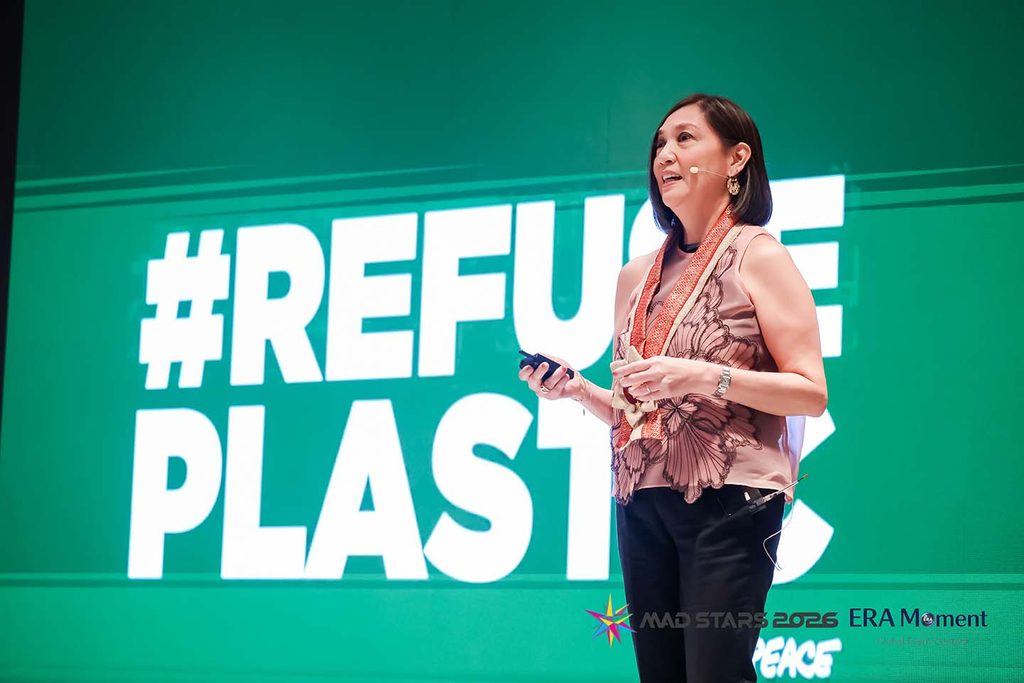
The first was observation: “Filipinos are very good at observing, sometimes to a fault. We love to stare, which is impolite. We also love to meddle in other people’s business. We call ourselves usisero because we’re nosy.”
The second was resourcefulness. Merlee quoted the Filipino saying, “May pera sa basura,” which translates to “There is money or opportunity in trash.” Filipinos innately look for possibilities, and resourcefulness, as a result, has become a common mindset.
The third was being inspired by culture. She challenged the statement, “You can tell the ideals and values of a nation by its advertising,” with a quote of her own: “You can tell something about a culture from the content people consume every day.”
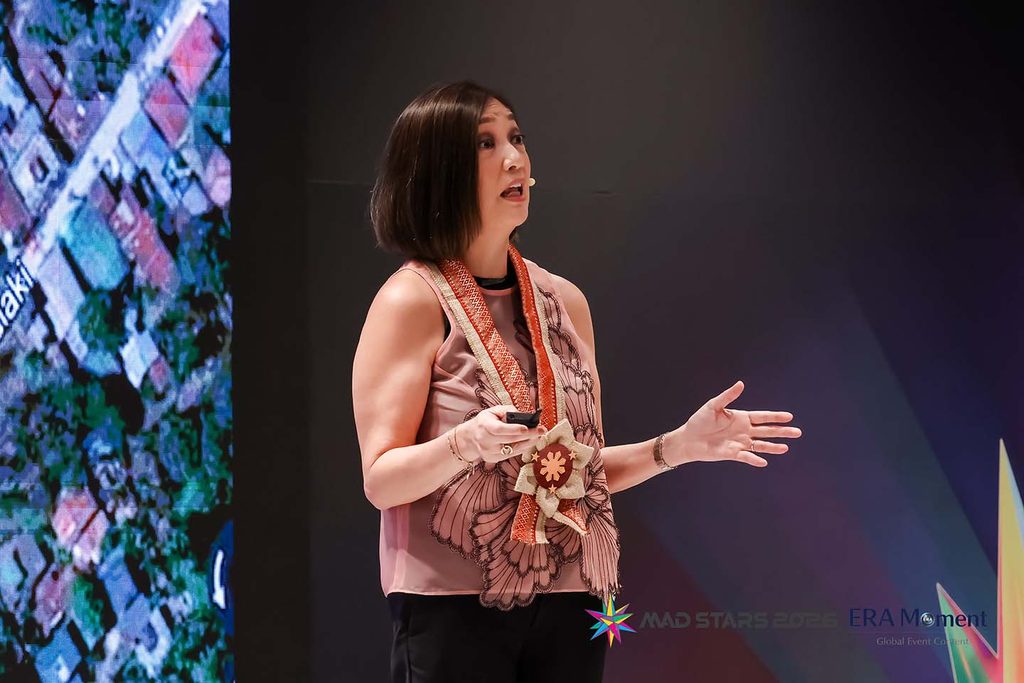
Fourth is one that Filipinos are famously known for: heart, or puso, in the national language. Merlee admitted that Filipinos are emotional people.
“We tell stories even when there is risk involved. If nobody likes it, people will get mad. But we still want people to feel something,” she said.
Last is authenticity. Being real comes naturally to Filipinos. Merlee explained that Filipinos come up with solutions because they are needed, relevant, and rooted in reality.
Merlee capped off her presentation with a question: “When you win in the world, the question isn’t only what it is like to be successful everywhere. The better question is: what is it like to be Filipino here?”
Organized by adobo Magazine in partnership with Mad Stars, Galing Pilipinas was made possible through the support of its partners: Department of Foreign Affairs, Republic of the Philippines, Philippine Consulate General in Busan, Center for International Trade Expositions and Missions, DTI – Design Center of the Philippines, Philippine Airlines, Oishi , Papemelroti, Lucky Me!, GUZTO Banana Chips, Lemon Square, GSM Premium Gin, M25, LoudBox Studios, and Think Tank Manila.
READ MORE
Galing Pilipinas opens in Busan, putting Filipino creativity on the MAD STARS stage
MAD STARS 2026: Busan gets a taste of Filipino hospitality at the adobo Magazine, m25 Galing Pilipinas Salu-Salo Social
Unilever’s Dennis Perez dissects culture-led marketing based on Filipino folklore