
Guided by the theme “Sama All,” Design Week Philippines 2026 brought together designers, communities, and institutions to explore how collective participation can shape a more inclusive future.
Design becomes meaningful when more people have a say in shaping it. That idea sat at the heart of the festival, which marked its 15th year with a call to make design more inclusive, collaborative, and responsive to the communities it serves.
Held on October 10 at the Likhang Filipino Exhibition Halls in Pasay City, the festival brought together designers, artisans, entrepreneurs, students, cultural workers, and communities through talks, workshops, exhibitions, tours, and other design-led experiences.
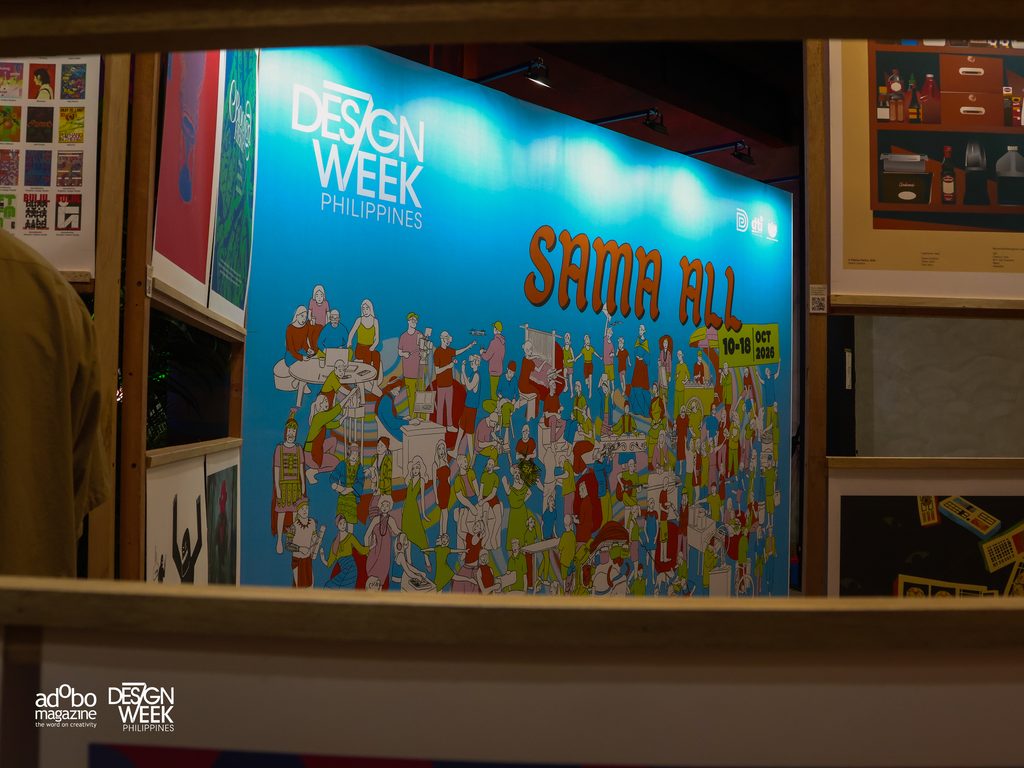
Inspired by the familiar Filipino expression “sana all,” the theme turned the aspiration for a better future into a collective undertaking, inviting designers, communities, organizations, and citizens to take an active role in shaping the world they share.
How ‘Sama All‘ came about
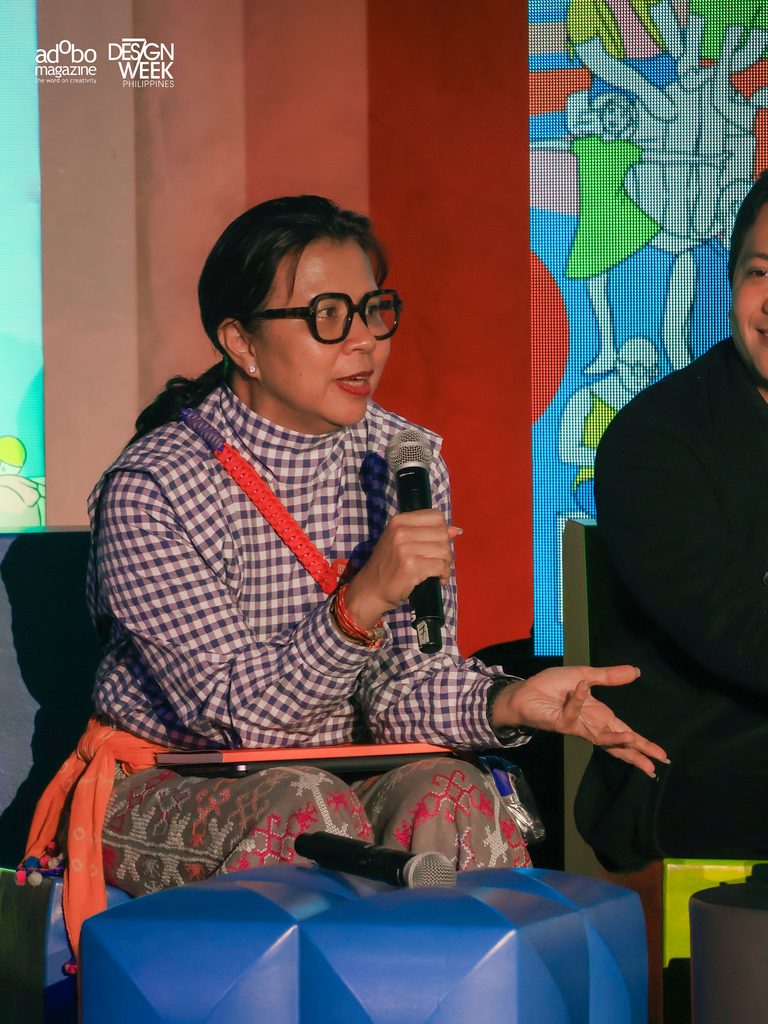
Developing the theme took considerable debate within the Design Center of the Philippines. In a conversation with adobo Magazine, Executive Director Rhea Matute explained that the idea grew from the festival’s continuing effort to nurture the country’s design community.
“The process of developing the theme was a long one, involving plenty of pitching, debating, and challenging ideas within the Design Center,” Matute said. “The aspiration behind ‘sana all’ became something more proactive, capturing the spirit of the festival and its desire to encourage people to take part in shaping the future of design.”
The shift from “sana all” to “Sama All” gave the familiar expression a more active purpose. It turned aspiration into participation, making design a shared responsibility rather than exclusive to a select few.
Making room for different perspectives
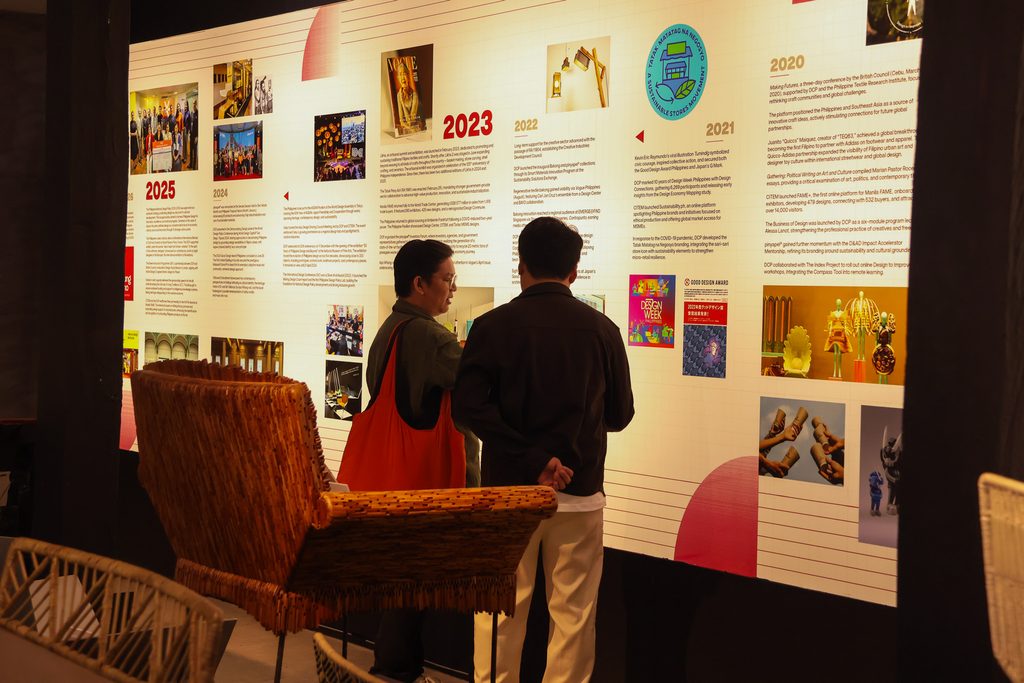
Design Week Philippines’ decentralized approach brought this principle to communities across the country. From 110 partner organizations in 2024, the festival expanded to 221 in 2025, while its nationwide events grew from 121 to 176. Museums, schools, design studios, cultural organizations, and local governments contributed to a platform that extended beyond a single venue.
For Matute, these partnerships are essential to strengthening the country’s design ecosystem.
“Design Week Philippines is really about the partners, practitioners, and communities that are committed to continue to build and strengthen the design ecosystem,” she said. “Our role is to create opportunities for people to connect, share, and make space for more voices and perspectives to become part of this design and creative movement.”
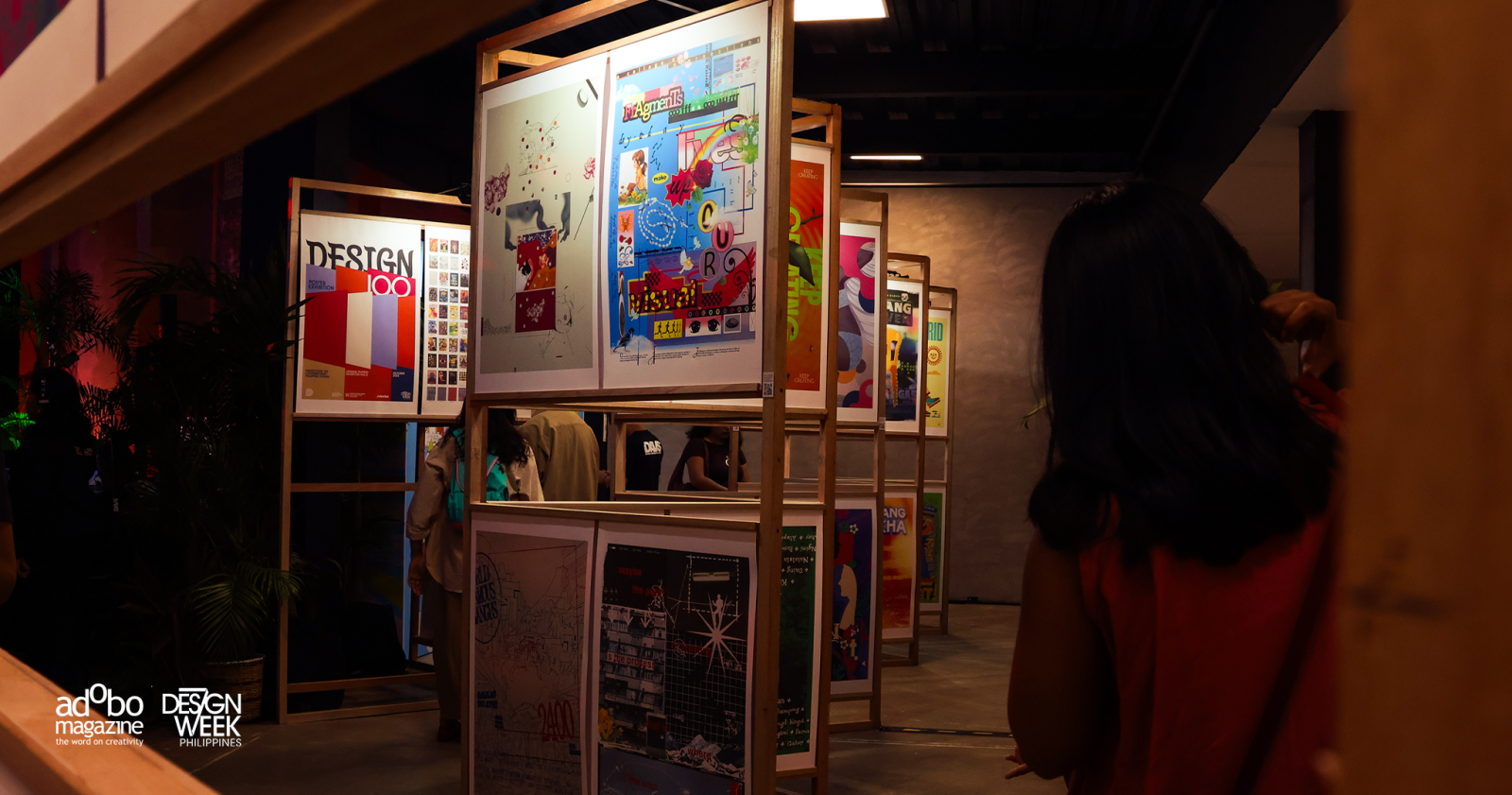
That plurality also found expression in “DESIGN100: Perspectives on Contemporary Philippine Design,” an exhibition presented by Team Manila, the Communication Design Association of the Philippines, and Novice Magazine.
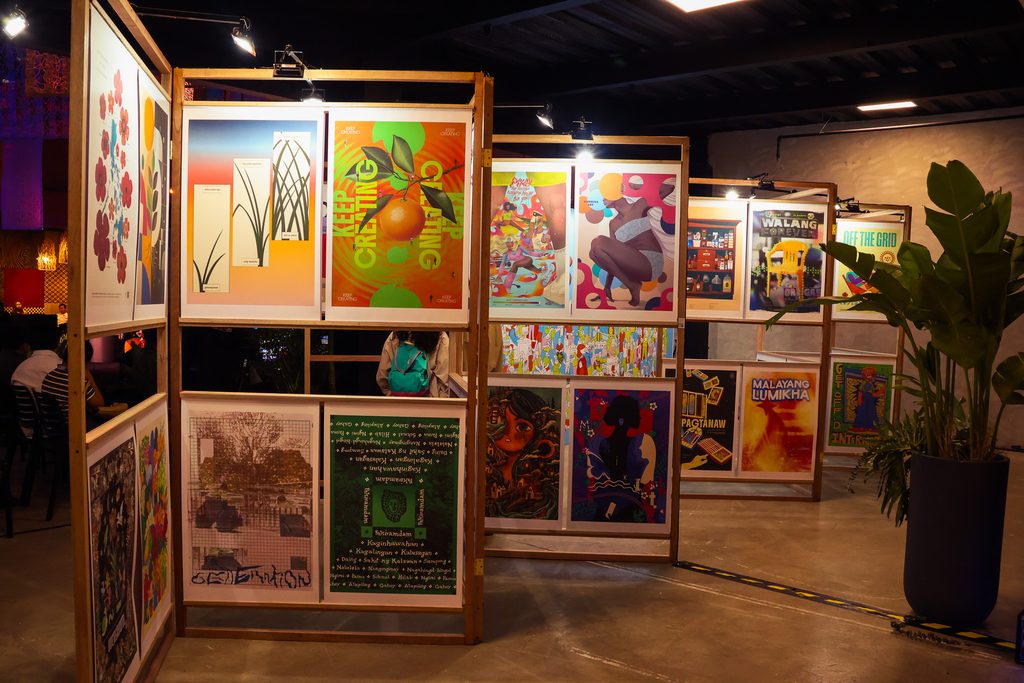
Bringing together 100 posters by 86 designers, studios, and visual artists, DESIGN100 captured the varied ways Filipino creatives interpret and imagine design. Doing so challenged the idea that Philippine design should conform to a single aesthetic or identity. Local influences, personal narratives, bold experiments, and future-facing ideas coexisted, reflecting a creative community that continues to evolve.
The exhibition offered a compelling parallel to “Sama All”: a stronger design culture makes room for different voices without forcing them into one mold.
Designing for the people who use it
Inclusivity also requires considering whose needs shape the design process and who ultimately benefits from its outcomes.
For Karl Adrian Aguro, Design Director of Cagayan de Oro-based Uncurated Studio and organizer of the Oro Design Conference, collaboration turns different perspectives into meaningful action.
“Design is more effective when people work together because combining different perspectives turns individual effort into a real community impact,” Aguro said.
In Baguio, Vivita Philippines Creative Director and Design Week Baguio organizer Candy Alipio worked with new partners to introduce more design disciplines and experiences to local audiences.
“Designing together, for me, means designing for the greater good. It means inclusivity; it means thinking beyond ourselves,” Alipio said.
Meanwhile, Hiraya Collective for the Blind brought accessibility into focus in La Union through “Hear and Touch the Sky: A Multisensory Star Party and Space Accessibility Program,” which explored how participants could experience space through touch, smell, and taste.
These initiatives pointed to the design industry’s broader responsibility. Whether creating a visual identity, a public space, a product, or an experience, designers must consider the people who will encounter and live with their work.
A future shaped together
“Sama All” offered a timely proposition for the creative community: the future of design depends on who gets to shape it.
The festival’s growing network has created opportunities for collaboration across disciplines, regions, and communities. Its impact, however, rests on whether these connections lead to more meaningful participation and design that responds to shared realities. Inclusive design culture entails making room for different ideas, experiences, and ways of seeing—and allowing these to influence what comes next.
Through “Sama All,” Design Week Philippines made the case for a design community that recognizes difference as a source of possibility. The challenge now is to carry that spirit beyond the festival and into the everyday practice of designing for more people.
Design Week Philippines 2026 runs from October 10, with the Design Fair taking place from October 15 to 18 at the Likhang Filipino Exhibition Halls in Pasay City.
Sama ka?
adobo Magazine is an official media partner of Design Week Philippines 2026.