

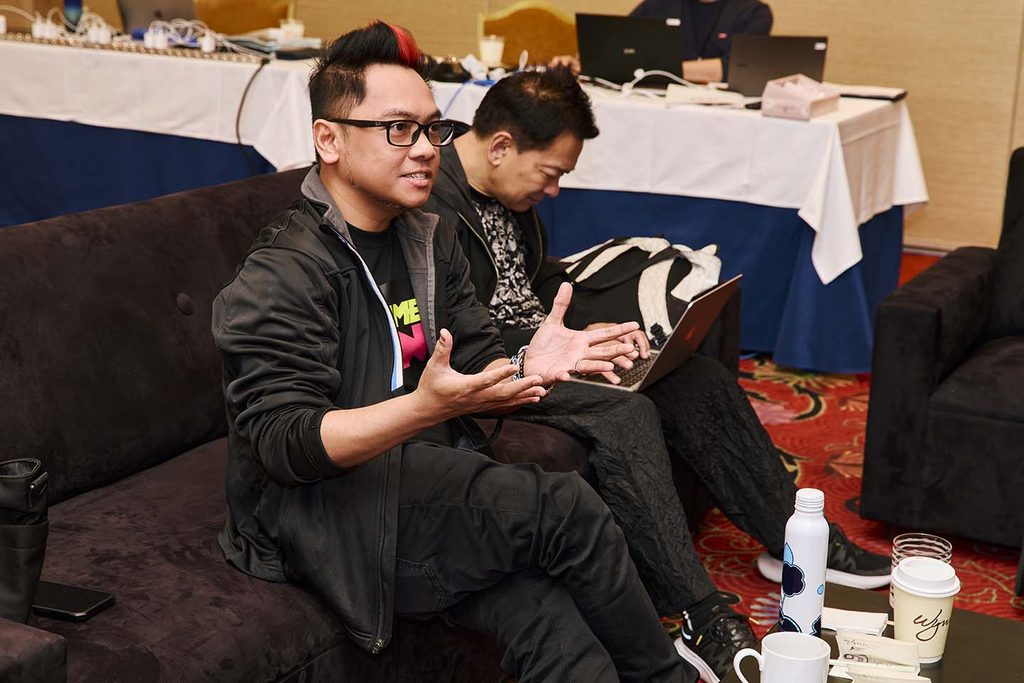
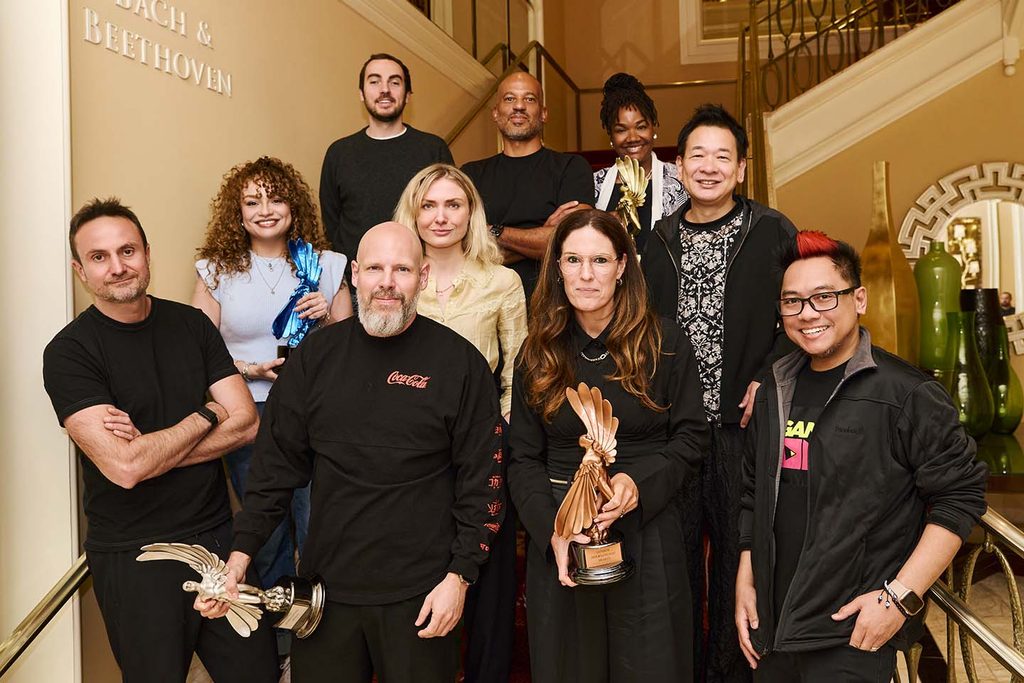
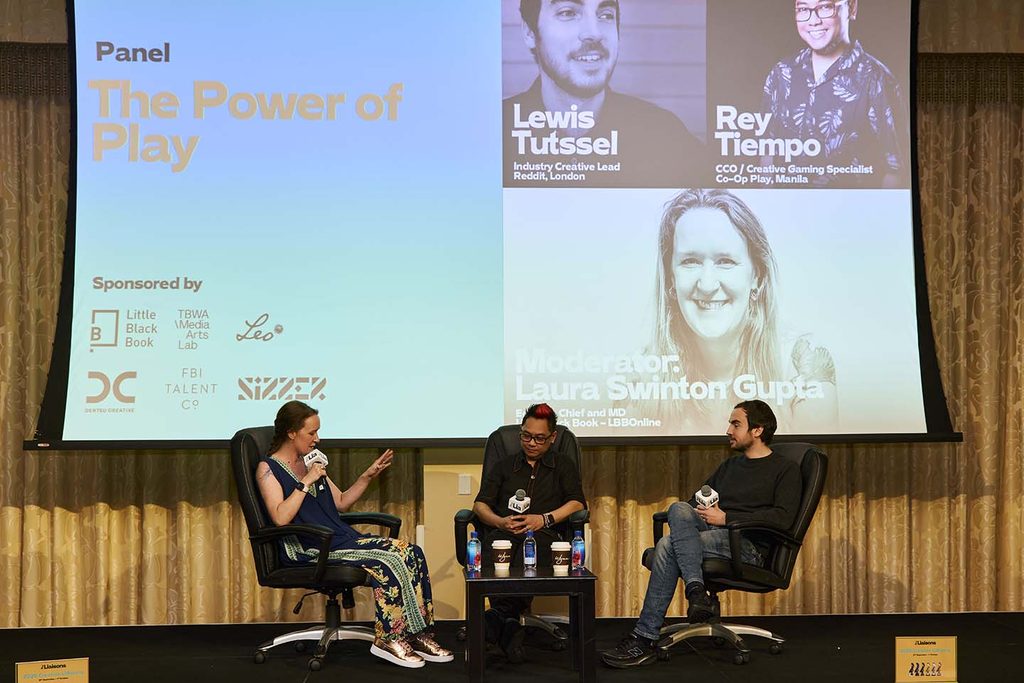
As adobo Magazine’s Game On Captain, being invited to serve on the inaugural Gaming jury at the London International Awards was both an incredible honor and a responsibility I was thrilled to take on.
Over the years, Game On has championed Gaming X Marketing, challenged misconceptions, and pushed for education and deeper understanding of what creative excellence in this space can be. Now, here we were, helping set the standards and shape the direction of future Gaming winners on a global stage.
With all the layered, spirited, and meaningful discussions that followed, here are my takeaways from this year’s London International Awards:
Year one for the category, not year one for gamers
Players already have their own cultures, communities, expectations, and definite opinions on brands entering their spaces. They know when someone understands them. And they can smell inauthenticity from a mile away. Our job as judges is to bring that understanding into the room. A new awards category should recognize the sophistication of an audience that has been here all along.
Understanding the categories
Some entries were entered in the wrong categories. While the jury can vote on whether to move them to categories that fit the work better, it always helps if they’ve already been entered in the appropriate ones.
This category is in its maiden year, so a bit of misalignment shouldn’t come as a surprise. Entrants probably need to look deeper into the category descriptors to give their work the best fighting chance.
The idea still reigns supreme
In many cases, and most definitely in Gaming. Because more than once, other jurors and I were almost swayed by a particularly cool mechanic, funny gadget, or just crazy execution.
But then, we always had to ask ourselves: what is the idea? What is it setting out to achieve? Because if no one can verbalize the idea, then the work is lost. You can feel confidence in the work when the one behind it is confident about presenting a good idea.
Create work that creates culture
Susan Credle was this year’s LIA Legend awardee, and her reminder, Give your audience a reason to say ‘Thank you,’ stayed with me.
In my case, Give your players a reason to say ‘Thank you‘ is more suitable.
For gaming, “creating culture” is a particularly powerful standard, because brands enter communities that already exist. And so, the questions: What are we contributing? What becomes better, more enjoyable, or more meaningful because the brand showed up? Would players actually welcome it? These questions should guide us long before we start putting together an awards entry.
The case video is not the work
I repeat: the case video is NOT the work. A convincing case presentation can make everything look wonderfully seamless. But we have to keep going back to the actual idea and experience underneath it. What did players get? Could they use it? Did it matter to them? We owe the work (and more importantly—the gaming audience—that level of scrutiny.
So much more gaming work out there
At Game On and Gaming In Asia, we are at the forefront of chronicling great, innovative, honest gaming work that stands out—and this is actual work I see and enjoy on my feed.
Unfortunately, I did not see such work entered in the LIA. Some could have dominated.
But such is the reality–we need more participation from legitimate game publishers/game developers/gaming creatives who need to recognize that this show actually offers a platform for their creativity. We need to keep the conversation and education going so more work finds their way to the judging table.
I left LIA encouraged by what we recognized, and even more excited about what comes next. As Game On Captain, I want to keep building those connections, challenging the stereotypes, and championing ideas that earn their place in gaming culture. Definitely a promising first year, with plenty more to uncover. We soldier on! Game On!
This article has been edited for editorial consistency.
Game On is adobo magazine’s gaming column, led by Game On Captain Rey Tiempo. It is the first and only one of its kind in the industry, exploring the intersection of gaming, advertising, and marketing from the perspectives of both a player and an advertiser, examining the ideas, experiences, and cultural connections that make creative work meaningful to gaming communities.
Rey Tiempo is a multi-awarded Chief Creative Officer and Creative Gaming specialist. A sought-after global thought leader, mentor, and speaker, he represents the Philippines and leads gaming conversations on some of the most prestigious stages across Asia and around the world. Rey is a Top 100 Global Creative Leader of the Year, a winner of major gaming awards, and regularly serves as a juror for global industry shows, where he also helps assemble categories and juries.
READ MORE
Game On puts Gaming X Marketing center stage at Kidlat Creative Festival 2026
Game On at LIA 2025: Celebrating creative competitiveness through gamification