
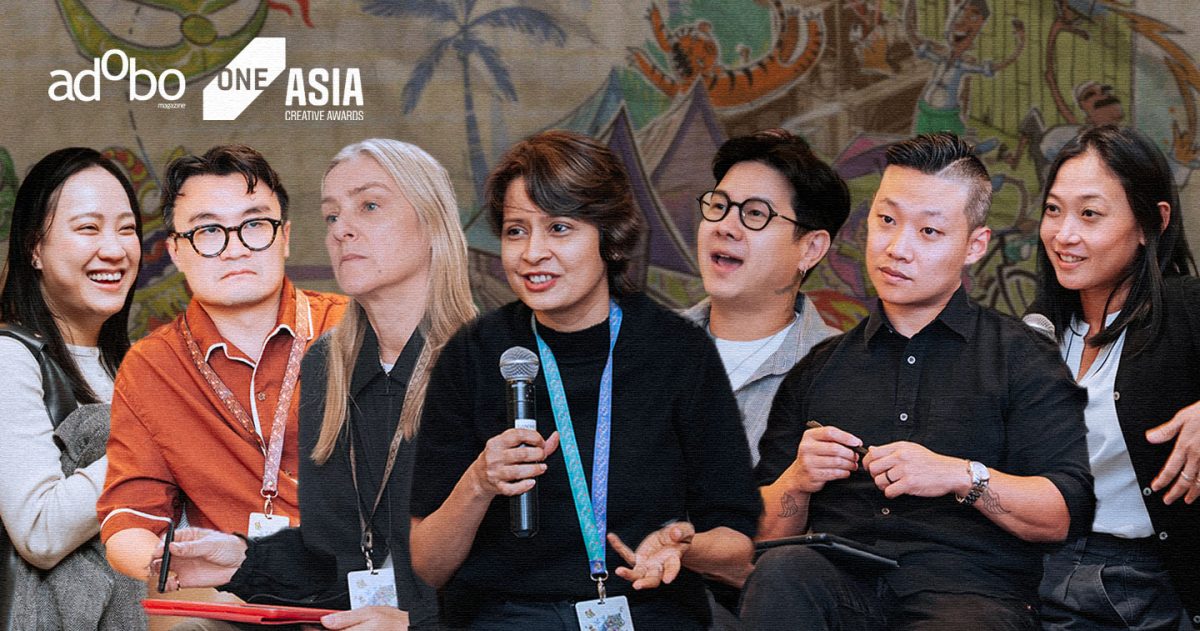

When practically anything can be made, one question becomes more pressing than ever: what deserves to be seen?
In a series of interviews with adobo Magazine, members of the ONE Asia Creative Awards 2026 jury revealed that the answer comes down to taste.
Taste, in this case, however, is not a yardstick for mere aesthetics or a revelation of personal preference. Instead, it rests on human judgment that tells the jury if an idea suits its purpose, its audience, and the culture it tries to penetrate.
“Taste doesn’t have to be something that is beautiful,” Tara Ford, Chief Creative Officer of Droga5 London, said. “Taste can be something that is right for what it’s trying to achieve.”
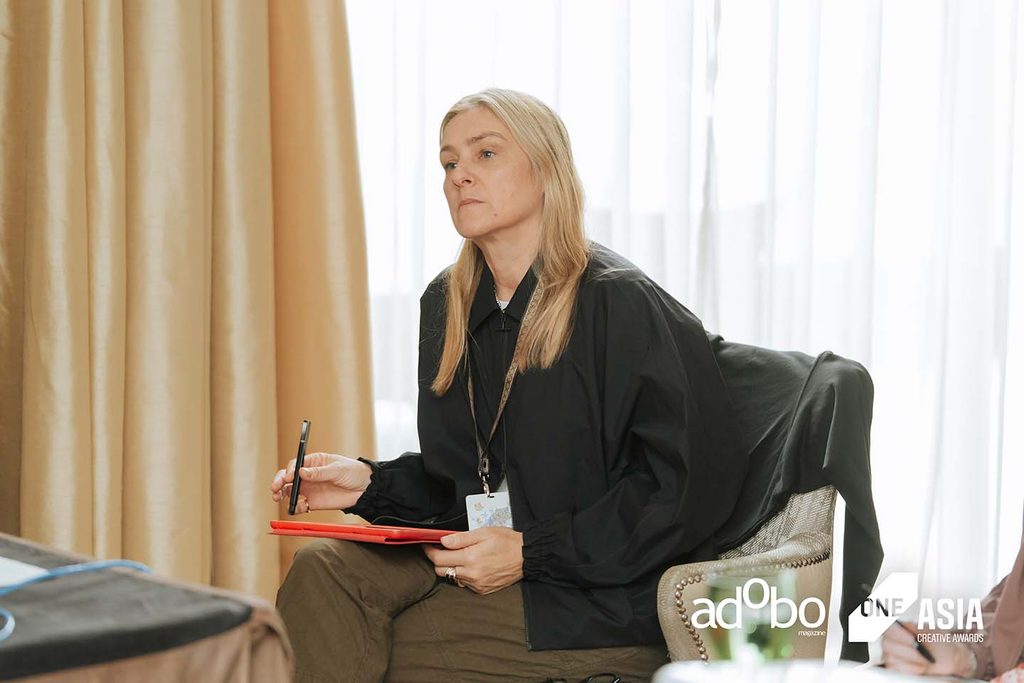
Ford has led work for brands such as PlayStation, Nike, Qantas, and the Sydney Opera House. Her recent projects for the Tuvaluan Government and the Sydney Opera House each won a Cannes Lions Grand Prix. Her experience across categories and markets qualifies her to distinguish personal preference from creative merit.
Judging, she says, means looking at “the overall creative idea, the way it was put together, and what it was trying to solve in that region and for that culture.”
That distinction matters in a year when AI, data, and technology are apparent in the entries. The jury’s conversation centered on what these tools make possible and whether the idea has a compelling enough reason to use them.
Purpose and meaning, beyond execution
Watt (Wei) Watthanasittha, Google’s Creative Partnership Lead for Southeast Asia, works at the intersection of creative strategy, technology, and regional culture. While many of this year’s ONE Asia entries utilized AI and data, the jurors remained firm on standards and quality.
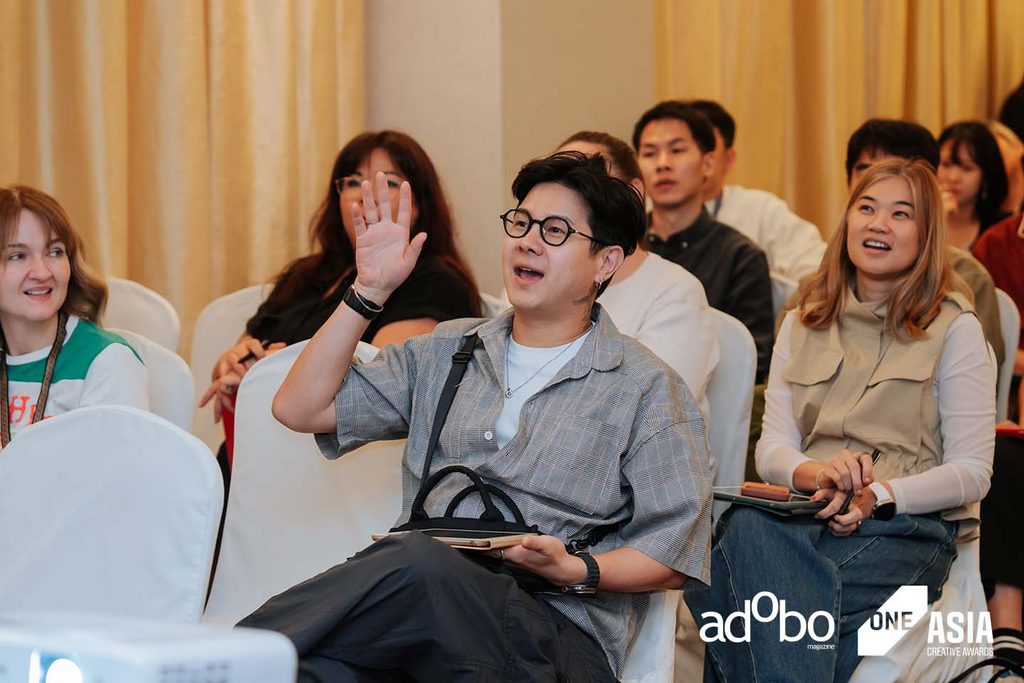
The strongest applications, according to Watthanasittha, looked beyond execution.
“Everyone is looking for the way that AI, tech, and data can elevate more than just the execution itself, but serve something much more meaningful, purposeful, and actually influence positive change.”
For several jurors, Radio Time Machine by TBWA\ Hakuhodo, a project for people with dementia, realized that ambition.
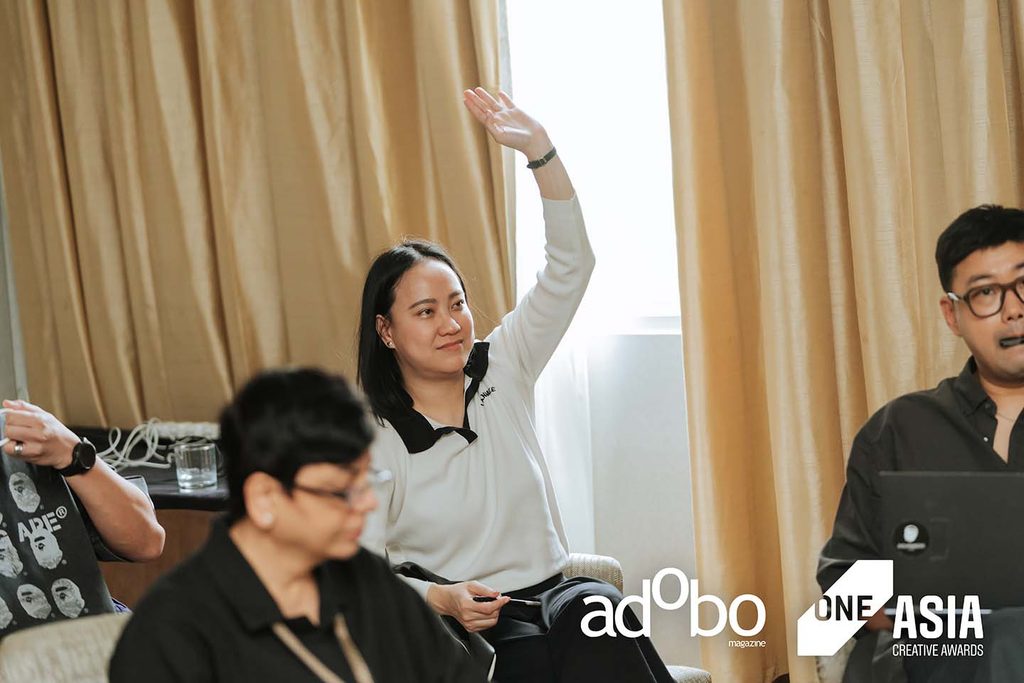
Ford praised its use of innovation for being “very human.” Pathida “Jern” Akkarajindanon, Chief Creative Officer of BBDO Bangkok, saw it as a demonstration of how AI might help people and “make it more humanized.” Creative Director Nick Noh, whose work at Rethink Toronto has earned recognition from Cannes Lions, D&AD, The One Show, and other major awards, was struck by the project’s use of radio—one of advertising’s oldest mediums—to explore what AI can do in the current, dynamic landscape.
“It can actually help us evolve creativity instead of taking it over,” Noh said. For him, the project offered a simple test: “If the idea’s first, you can always use it as a tool to just elevate ideas.”
The idea-first principle also shaped Watthanasittha’s view regarding work that lasts beyond the conventional campaign run. Standout entries, he said, were “built around a strong concept” and could extend beyond marketing messages into different forms. The ambition: to push an idea beyond its limits with the help of technology.
The human scale of craft
The jury’s appetite for technological possibility sat alongside a renewed attention to things made by hand —work that preserves human touch.
Noh noticed entries placing greater emphasis on craft and “what feels most human.” At a time when AI is part of almost every creative conversation, work that feels less polished could stand out for precisely that reason.
Simon Au, Executive Creative Director at The Kitchen North America for Kraft Heinz, singled out dentsu Tokyo’s “dear difference” for Nikka Whiskey, for offering outstanding craft and visual quality.
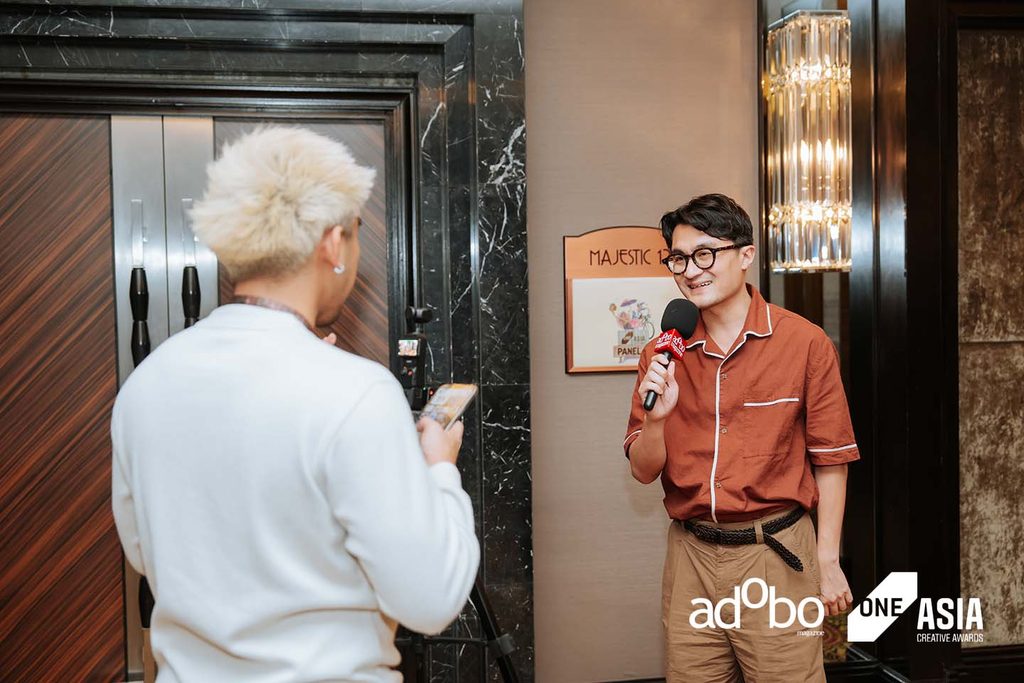
“There’s something about the simplicity of making something by hand that’s not computer-made that’s really resonating with audiences this year as well,” Au said.
Au helped build The Kitchen into an in-house creative agency serving 20 brands across Canada and the United States. His experience gives him a well-rounded point of view, which brought two observations together: audiences may be drawn to work that is simple and direct, but the skill behind making something tangible still carries weight. Simplicity, after all, can be the result of care.
Taste may be instinctive, but the jury’s descriptions suggest it also reveals itself in the choices made: what to leave rough, what to make by hand, and how to give an idea the right form. Those decisions matter because polish alone cannot supply meaning.
The force of a simple idea
Simplicity emerged as another thread in the jury’s reflections. For Alvina Seah, Head of Visa Creative Design Studio in APAC, a strong—yet simple—idea is often easy to grasp across languages and cultures.
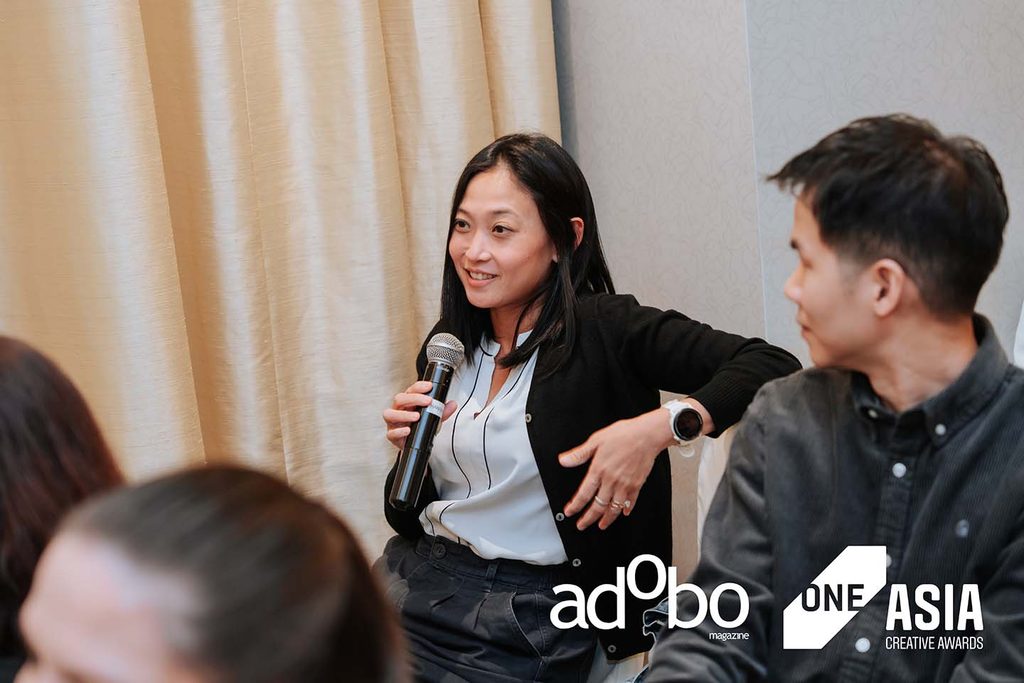
“The really great ideas are often the most simple to understand,” she said.
To illustrate, she pointed to TBWA\ Kuala Lumpur’s 7-11 Iftar O’clock, a campaign made for the Muslim community for Ramadan, the fasting month. While the campaign was geographically targeted, its messaging and inclusive approach earned recognition from beyond its immediate audience.
“It was a brand that was considerate to the community, with such a simple idea,” Seah said.
She believes the idea can prompt an “ah-hah” response globally because its central thought is readily understood by the greater Muslim community and beyond.

Simplicity, for Seah, also connects to taste.
“The simplicity of an idea is sometimes what brings on the surprises.” Creative excellence, she said, shows itself in the emotions a piece of work evokes.
“One that makes you laugh, tug at your heartstrings a little, and give you goosebumps.”
People may respond differently, but work that moves them demonstrates something genuine.
Culture as a source
Across the interviews, the jurors repeatedly acknowledged cultural specificity as a source of creative strength. The best work didn’t need to be culturally neutral—or lose its cultural identity—to go places. It actually needed to understand where it came from.
Sonal Chhajerh, National Creative Director at Leo Burnett Mumbai, has worked across his home city, Singapore, Hong Kong, Dubai, and Johannesburg. Her campaign, “Missing Chapter,” for Procter & Gamble brought menstrual education into mainstream conversations across India and even contributed to a shift in the national school curriculum.
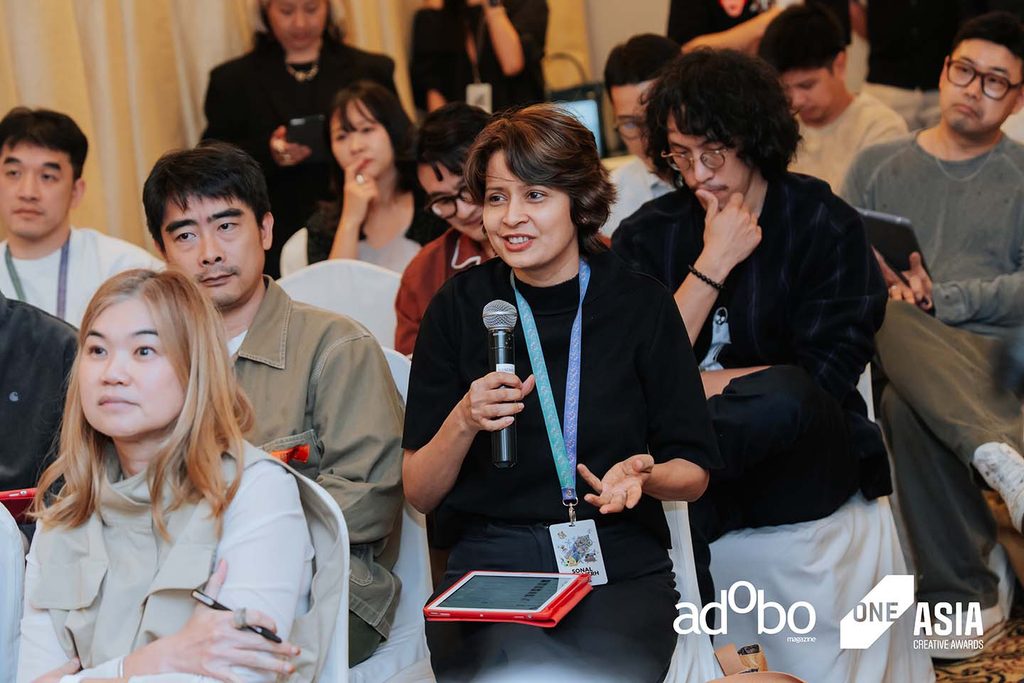
As part of the ONE Asia jury, she saw work that was “really, really rooted in culture.” The diversity of the jury helped members understand the nuances behind each submission.
For Chhajerh, taste is inseparable from human judgment—and that judgment is shaped by origin and foundation.
“Taste can be diverse because taste also changes based on geography and your background and where you come from,” she said. Relying only on one’s own preference risks passing on “some real hidden gems.”
The Kitchen’s Simon Au noticed a similar thread in the shifting preference from the once-common British accent toward Japanese or Korean voices. To him, that shift signaled a growing willingness to “lean into your culture a little bit more.” A local voice, then, is not a mere translation detail. It tells the audience whose perspective is present. And that perspective is rooted in culture.
As Google’s Creative Partnership Lead for Southeast Asia, Watt Watthanasittha has a holistic view of everything digital from within Google’s architecture and from the outside looking in. He describes Asia as a region where people move quickly and digital trends spread quickly, even calling it “the epicenter of this digital culture where everything is everywhere all at once.”
That pace, Watthanasittha suggests, pushes creative work to respond with reverence for culture. The bigger opportunity lies in bridging agility with cultural understanding. It entails making something that can move across platforms while still feeling native to the people it addresses.
From a design studio head’s point of view, Alvina has seen local culture and insight at the heart of Asian work, but also notes that there is much room for it to be recognized globally.
“There are so many deep stories from our Asian communities that are not yet told,” she said. The more those stories are brought forward, she believes, the more visible and recognized Asian creative work will become.
Leo Burnett Mumbai’s Sonal Chhajerh, however, has seen confidence in Asian work grow over the last decade or two.
“We’re owning the culture, we’re building off the culture,” she said. That, in turn, is making the work richer and more powerful.
Judging across difference
That power asks something of the people in the room. A jury drawn from different markets cannot treat taste as a barometer for all. It has to listen for context.
Ford said she relies on jurors with closer cultural knowledge of a piece of work. “It’s easier for me to miss something that might really be very meaningful to someone from that region,” she said.
The task, therefore, is to understand an idea, its construction, and the problem it set out to solve for a particular culture.
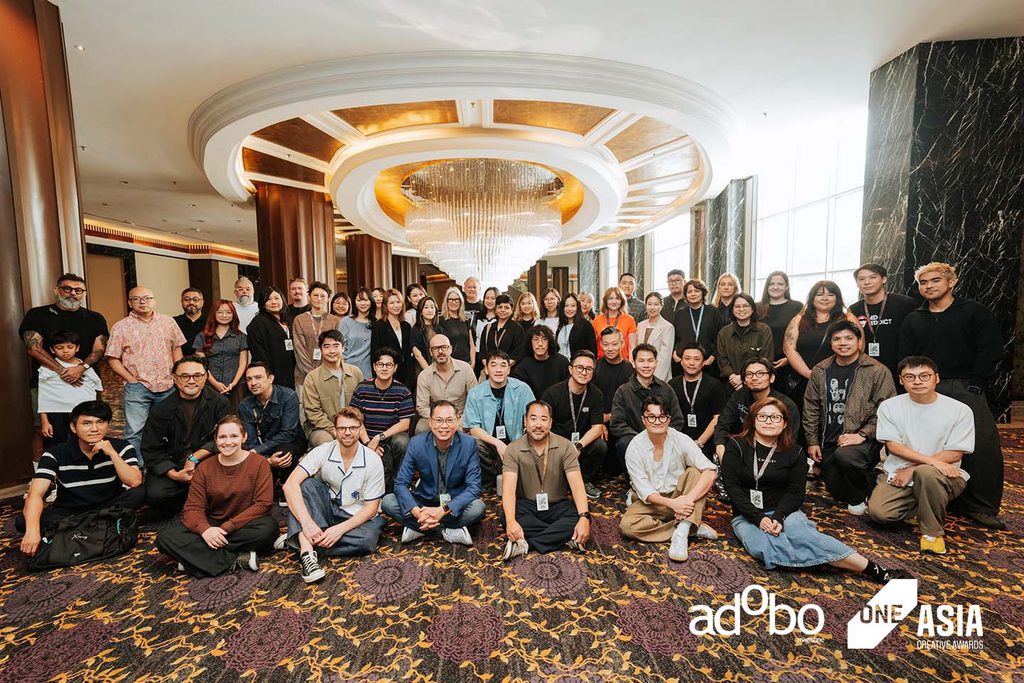
And that cultural relevance resonated with Au as well. He admitted that he initially didn’t have a high opinion of certain entries until he was given a cultural explanation, or told why the campaign makes sense within a particular culture. Once he understood the nuances, however, he found himself substantially raising his assessment in some cases.
Other members of the jury saw value in work that willingly embraced cultural nuances. Nick Noh, for one, appreciates culturally relevant work, but most especially when it resonates with audiences regardless of where they’re from.
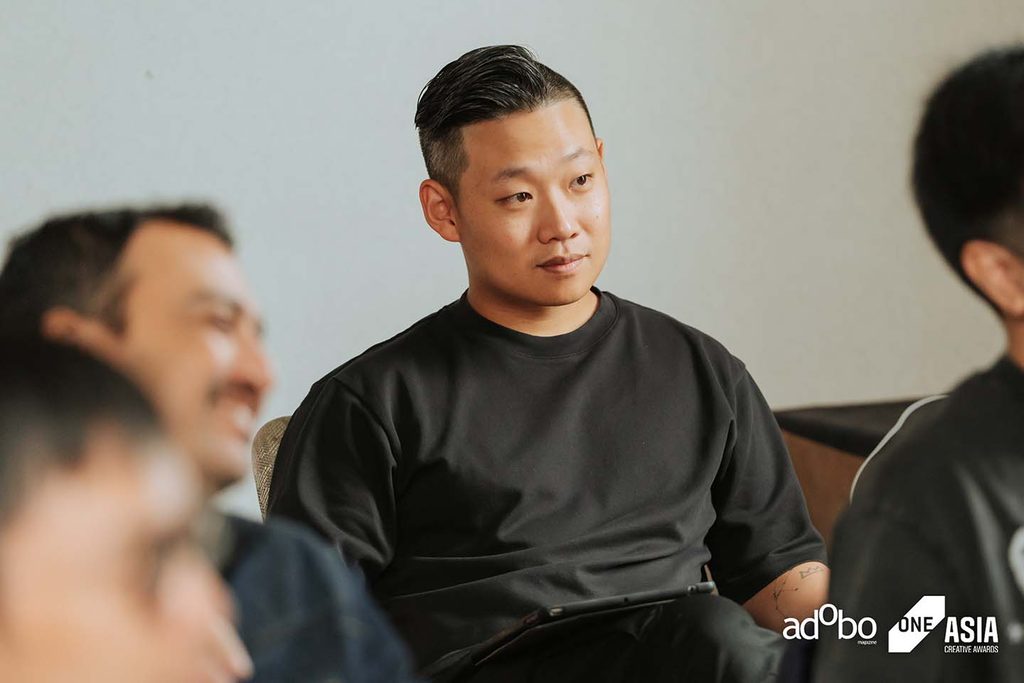
The extensive range of jury members and their differences makes that exchange practical. BBDO Thailand’s Jern Akkarajindanon, who has worked across Thailand and China and served on juries including those for Cannes Lions, The One Show, LIA, and Spikes Asia, spoke of cultural confidence meeting something universal enough to resonate beyond borders. For Jern, taste isn’t a fixed standard. It’s the “sweet spot” where the work connects beyond a judge’s personal preferences.
Asia’s next creative chapter
Thejurors, through. the interviews, don’t offer a single formula for Asian creativity, and the jurors do not try to impose one. They describe a region moving at different speeds, carrying distinct cultural histories, and building work with increasing confidence in its own references and voices.
Ford singled out humor and fun as qualities she loved in the entries. Watthanasittha saw the region’s pace and digital culture shaping how ideas respond. Chhajerh described a deeper ownership of culture. Au, judging an Asian show for the first time, was struck by the work’s quality and predicted that the distinction between Asian and international work would matter less over the next decade.
“I don’t think there will be any difference between Asian work and international work,” he said. “It’s gonna be exactly the same level.”
The future does not require Asian output to sound like it’s from somewhere else. The jurors’ reflections point to work that knows where it comes from, understands who it is for, and uses every available tool to make the connection.
When content can be generated at scale, taste gives creative work consequence. It recognizes the idea worth pursuing, the detail worth preserving, and the cultural truth worth carrying into the world. The future of Asia’s creativity, this jury suggests, will depend on how well it keeps making those calls.
adobo Magazine is an official media partner of the 2026 ONE Asia Creative Awards.