
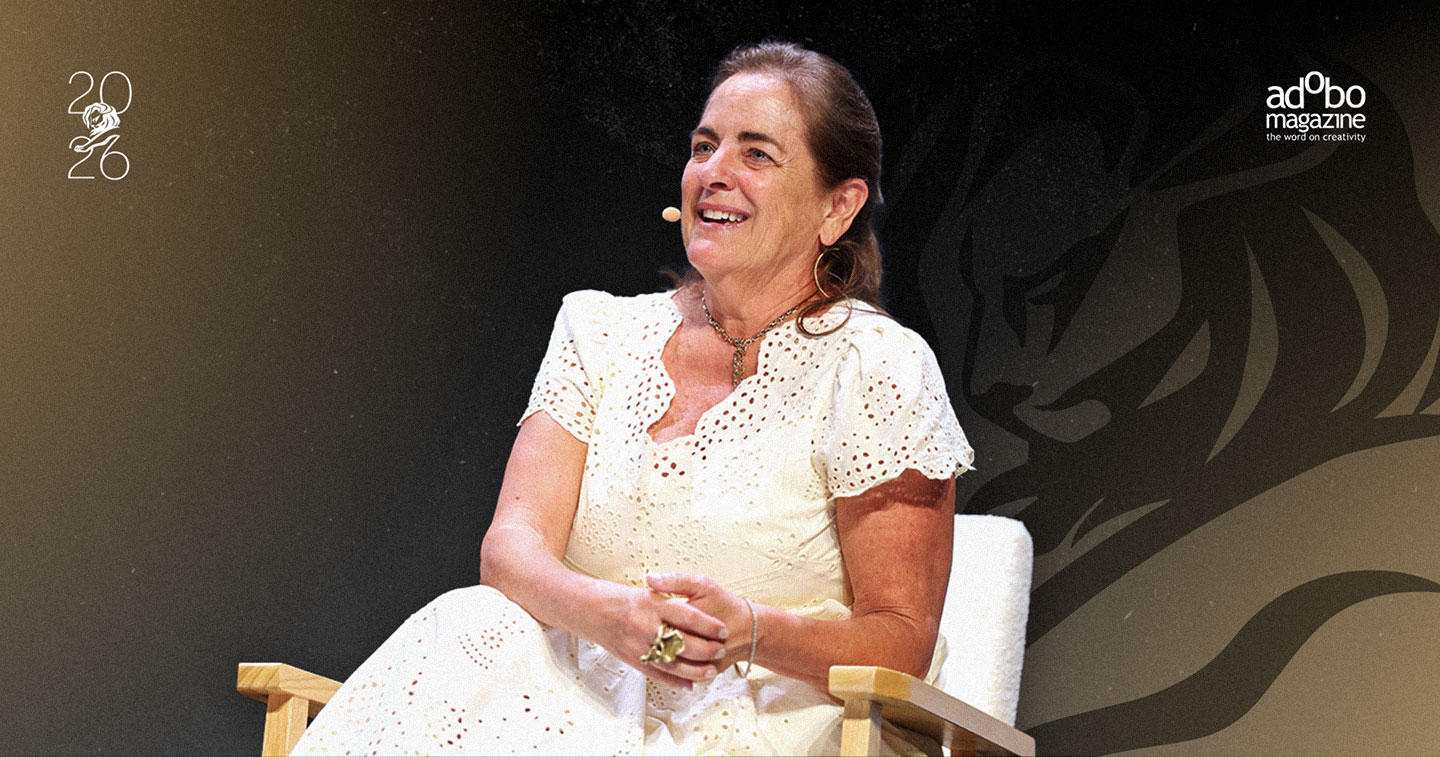
In an industry obsessed with what’s next, Susan Credle stood on the Cannes Lions stage as a reminder of what endures.
At the Debussy Theatre, Credle was awarded the Lion of St. Mark, the Cannes Lions International Festival of Creativity’s highest individual honor, recognizing her significant and lasting contribution to advertising.
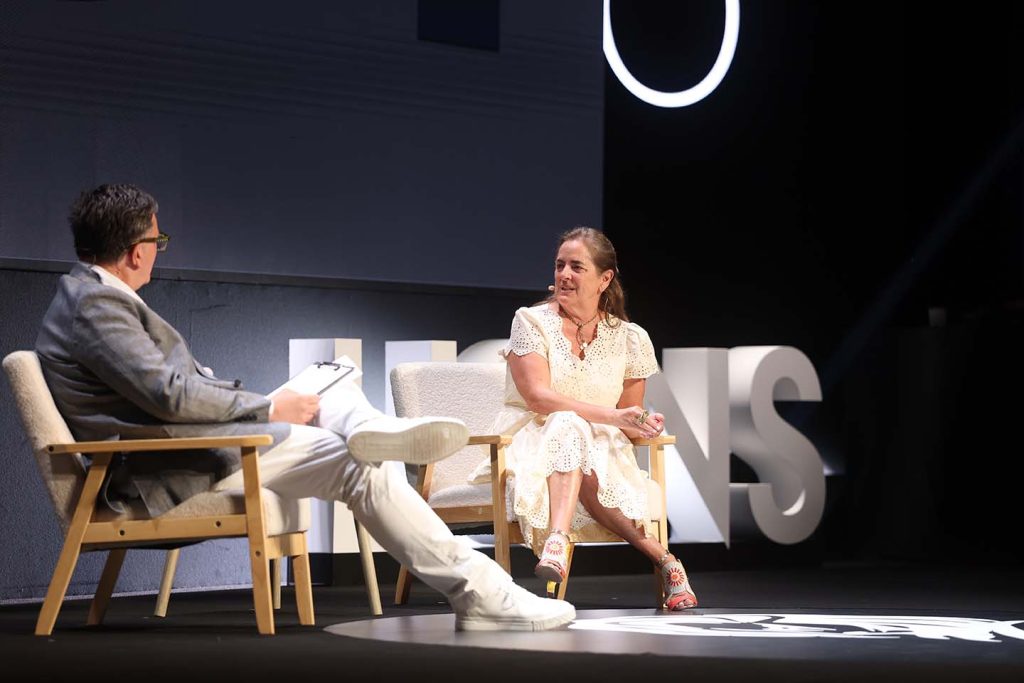
It was a fitting tribute for a creative leader whose work has shaped some of the most enduring brand platforms of the last three decades, from M&M’s to Allstate’s Mayhem to Burger King’s Whopper Detour. But beyond the accolade, her conversation with LIONS Chief Content Officer Paul Kemp-Robertson became something more compelling: a reading of the industry itself, and a powerful argument for why creativity remains business’ most valuable asset.
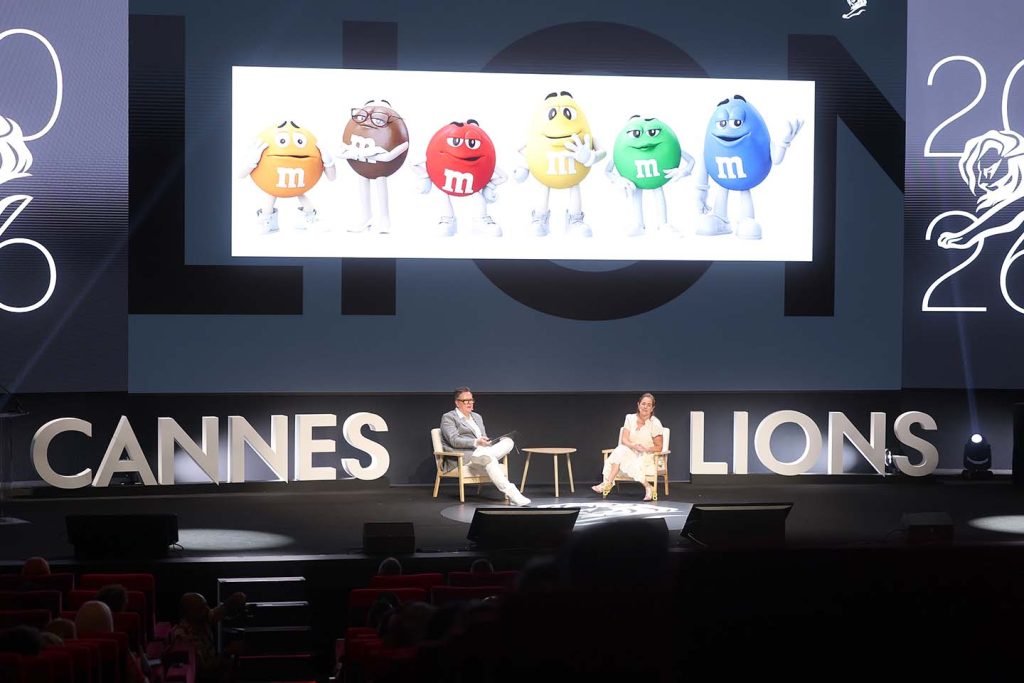
Her point was direct: creativity is not an accessory to business. It is business. And in an age of fragmented media, low trust, and performance-led thinking, business may need creativity now more than ever.
Credle’s journey into advertising, as she often says, was accidental. Growing up in the Carolinas, she was a cheerleader, an aspiring actor, and by her own admission, someone who simply loved people. At her recent high school reunion, her classmates reminded her of the yearbook superlative she had won: “Biggest Flirt.” It’s a story she tells with humor, but there’s something revealing in it. “I enjoy people,” she said. “I like to sit down and learn from them.” That curiosity about people, behavior, and relationships would later become the foundation of her work.
Before advertising, Credle flirted with drama and journalism at the University of North Carolina. Drama felt too enjoyable to be serious, journalism too rigid for her instincts. Advertising, she discovered, offered the perfect balance. It was, in her words, “a beautiful blend of storytelling and business.” That intersection became the obsession that shaped her career.
When she moved to New York in 1985, she had $200 in her pocket and little more than ambition. Her first job at BBDO was covering bathroom breaks for receptionists a long way from the creative spotlight she would eventually command. To survive, she taught aerobics and worked in restaurants, but she stayed close to the center of the business. Her mother had always told her, “Surround yourself with the best, and you might get a little better.” At BBDO, that advice proved prophetic.
One of the first big assignments she landed was M&M’s, a brand few creatives wanted at the time. The animated candy characters were seen as stale and overly childish. Credle even suggested they should be killed off. Instead, the client challenged her to rethink them. Working with her creative partner Steve Rutter, she transformed the M&M’s into a comedic ensemble, giving each color its own personality and dynamic. It was a simple but radical shift. Suddenly, they weren’t just candy mascots; they were characters audiences could recognize, quote, and care about.
That reinvention changed everything. What began as advertising evolved into entertainment, merchandising, licensing, and retail. The M&M’s crossed into pop culture, with NBC and Entertainment Tonight inviting them into mainstream programming. For Credle, it was an early lesson in what she now calls “never finished” creativity—the idea that the best ideas don’t end with the campaign but continue evolving long after the brief is over. It also reinforced a lesson she has carried ever since: constraints can be the birthplace of innovation. With limited media budgets, the team had to invent new ways for the idea to live. “When you have a barrier,” she said, “it’s usually an opportunity to do something more creative.”
That philosophy would later define another of her most iconic creations: Allstate’s Mayhem. Launched in 2010 as a short summer campaign, Mayhem remains on air today an almost unheard-of run in modern advertising. For Credle, its longevity proves something many marketers forget: consistency is not the enemy of creativity. It is what makes creativity sustainable.
“We get bored with consistency,” she said. “But consistency allows you to be more creative.”
Mayhem worked because audiences understood the character immediately. That familiarity created a shorthand, allowing the campaign to keep evolving in unexpected ways while staying rooted in a clear brand truth. One of its most memorable executions transformed Allstate’s Sugar Bowl sponsorship into a live social-commerce event. As football fans shared their whereabouts online, a fictional burglar, Mayhem himself sold their belongings in real time. It was absurd, culturally sharp, and brilliantly integrated across television, social media, and e-commerce. It also drove an 18% increase in home insurance sales.
That result matters deeply to Credle because it reinforces her core belief: creativity is not just cultural currency. It is commercial currency. It solves business problems.
That belief became the foundation of her work at FCB, where she joined as Global Chief Creative Officer and later became Global Chair. Alongside CEO Carter Murray, Credle set out to rebuild the agency around one idea: proving creativity as an economic multiplier. Not creativity for awards. Not creativity for reputation. Creativity for growth.
At FCB, they built a framework around three principles: provocative, co-created, and never finished. Provocative meant work impossible to ignore. Co-created meant ideas audiences could participate in. Never finished meant building platforms rather than one-off campaigns. Together, these principles became both a creative philosophy and a business strategy.
No campaign embodied this better than Burger King’s Whopper Detour. Created with then-CMO Fernando Machado, the campaign challenged users to go near a McDonald’s location to unlock a one-cent Whopper through the Burger King app. It was mischievous, provocative, and impossible not to talk about. More importantly, it solved a pressing business problem: app downloads. Burger King had been pushing downloads through conventional performance marketing with little traction. Whopper Detour achieved in days what traditional digital spend could not.
That, Credle argues, is the power of creativity. It doesn’t just amplify business, it accelerates it.
But perhaps the most urgent part of Credle’s Cannes conversation was her reading of where the industry is heading. She believes advertising is entering a trust economy, where brands will matter more because trust itself has become scarce. Consumers are overwhelmed by content, misinformation, and endless noise. In that environment, brands have an opportunity to offer something increasingly rare: consistency, reliability, and emotional connection.
“Brands are going to matter again,” she said. “Because trust matters.”
It’s a sharp critique of the current obsession with performance marketing, where speed and efficiency often come at the expense of meaning. Credle calls much of it “advertising pollution” content optimized for clicks but forgotten almost instantly. Her argument is simple: brands cannot optimize their way into relevance. They have to earn it. That belief became especially personal when she reflected on Mean Stinks, her anti-bullying initiative for Secret deodorant. The campaign encouraged girls to paint their pinky nails blue as a symbol against bullying. What started as a small initiative grew into a movement, amplified by schools, communities, and celebrities like Zendaya and Demi Lovato. It wasn’t built on massive media spend, but on belief.
And when it ended due to business changes, Credle was left with regret not because it failed, but because she didn’t fight harder for it. “If you believe in something,” she said, “push harder.”
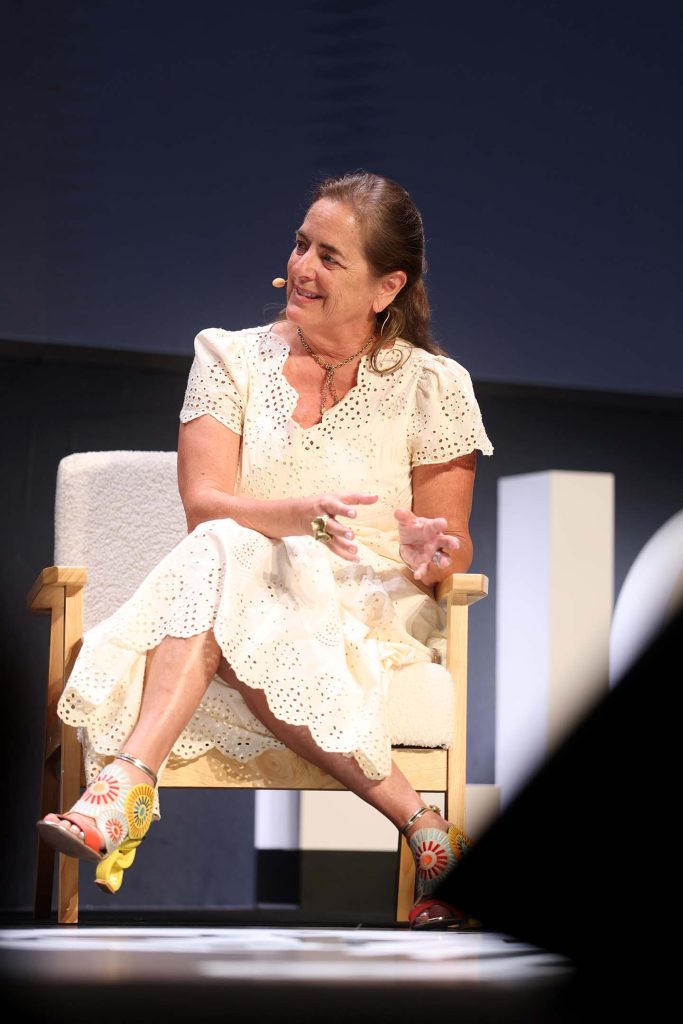
For all her commercial successes, Credle’s measure of great creativity goes beyond sales or awards. The best ideas, for her, are the ones that shift culture, change behavior, and leave people better than they found them. That same conviction shaped her rise as one of the most influential female creative leaders in advertising. Inspired by pioneers like Mary Wells Lawrence, Credle entered the business believing women had a place in it. But once inside, she realized how few women occupied the top creative jobs. Her eventual rise to Chief Creative Officer at Leo Burnett became more than a personal milestone, it became proof that the ceiling could be broken. Today, there are more women in leadership than when she started, but Credle knows progress, like creativity itself, is never finished.
And that may be the defining thread of her career. Never finished, not incomplete, but alive. Credle’s message from Cannes felt both simple and urgent: brands cannot automate their way into meaning. Meaning still comes from creativity, the kind that compounds, the kind that builds trust, the kind that makes people care.
That is Susan Credle’s legacy. And if her reading of the industry is right, it may also be its future.
Check out adobo Magazine for the latest Cannes Lions 2026 winners, highlights, and breaking festival coverage from Cannes.
READ MORE:
The real job of a CCO according to Susan Credle at ADFEST 2025