
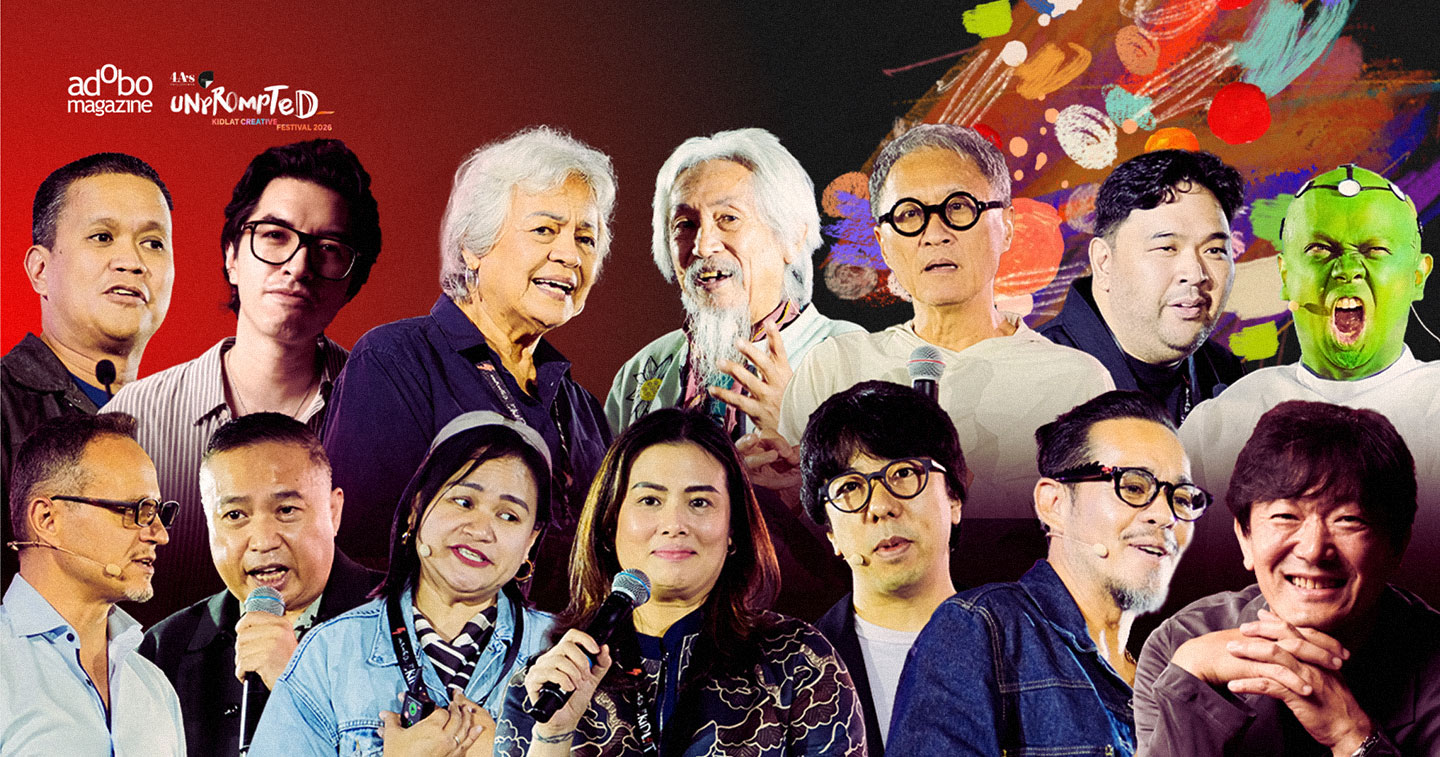

As artificial intelligence accelerates the pace of creativity, the industry is being challenged to look beyond speed and output and confront what machines cannot provide such as purpose, judgment, craft, trust, and the courage to think differently. At the Kidlat Creative Festival 2026, these distinctly human qualities emerged as essential to shaping work that matters.
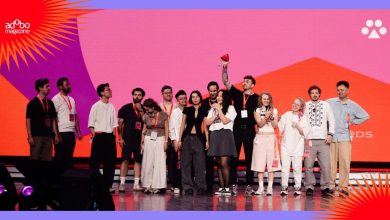
Held on Friday, September 4, the PNB The Grand Atrium in Pasay City was filled with creatives, industry leaders, storytellers, and curious minds for a day of conversations about the forces reshaping creative work. Amid the energy of the gathering and the growing presence of artificial intelligence in nearly every corner of the industry, one question quietly loomed over the discussions, “What happens to creativity when machines can do almost everything we once considered creative work?”
The question surfaced in different forms across conversations on advertising, content, creativity, and film. Speakers approached it from different disciplines and perspectives, yet their insights converged on a common realization that the future of creativity may not depend solely on how well creatives learn to use AI, but on how deliberately they choose to think beyond it.
The risks of AI dependency
For instance, Dan Ramon “SpiderDan” Geromo of IXM Hakuhodo, whose “Unwelcoming Remarks” immediately rejected the familiar optimism surrounding artificial intelligence. He also opened the festival with an intentionally irreverent provocation.
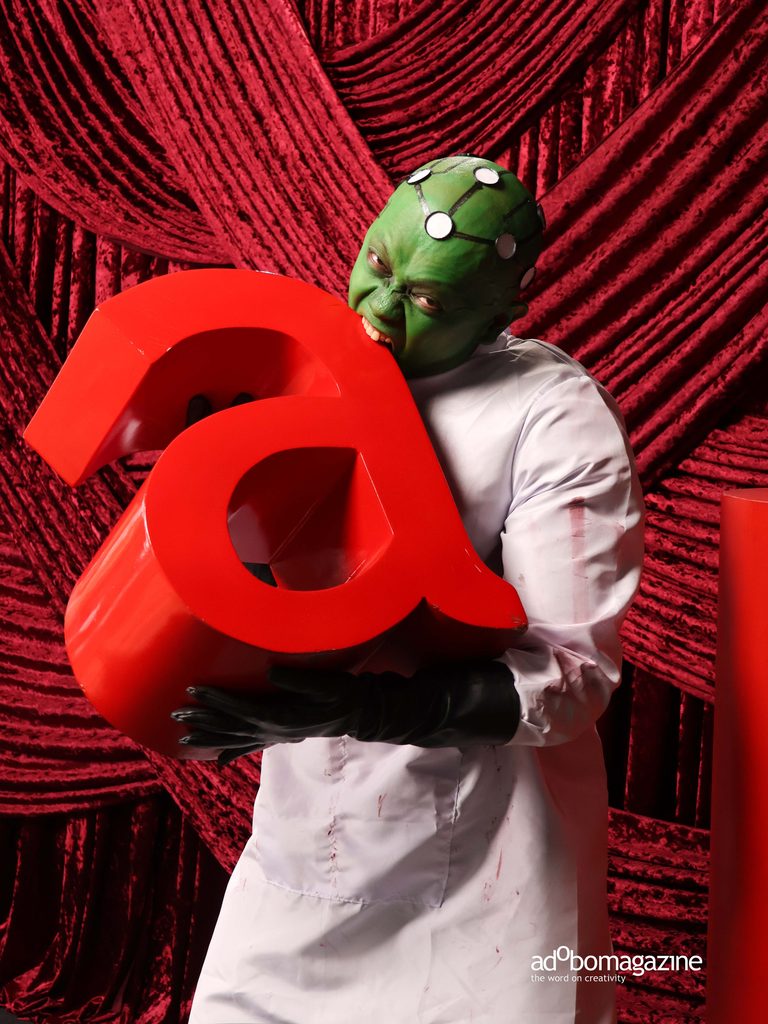
“You can’t use great creative work without AI now,” he said.
For Dan, AI and advertising make a strangely compatible pair. Both, he observed, are capable of producing impressive outputs even when working with incomplete information. But the convenience of AI does not necessarily make creative work easier. The more uncomfortable question, he argued, is what creatives will actually be left to do when AI can already write copy, create storyboards, edit, and produce commercials.
“So hindi na ang tanong is, ‘Kaya ba ’yan ng AI?’ Oo, kaya niya,” Dan said. (So the question is no longer, ‘Can AI do that?’ Yes, it can.)
“Ang tanong, kapag ang AI kaya na niyang mag-edit, magsulat ng award-winning copy, mag-design ng malupit na storyboard, gumawa ng radio ads at commercials… ano bang trabaho natin?” (The question is, when AI can already edit, write award-winning copy, design powerful storyboards, and create radio ads and commercials. What exactly is our job?)
Likewise, Dan’s concern was not that AI would suddenly become human. It was that humans might gradually become more machine-like, defaulting to automation whenever ideas become difficult, deadlines become tight, or judgment becomes inconvenient.
“Sa darating na araw, baka lahat ng makikita natin sa mundo puro AI-generated na. ‘Pero hindi siya naging tao, tayo ’yung naging machine,’” he noted. (Soon, we might live in a world where almost everything we see is AI-generated. But AI didn’t become human—we became the machines.)
Finding that one true thing
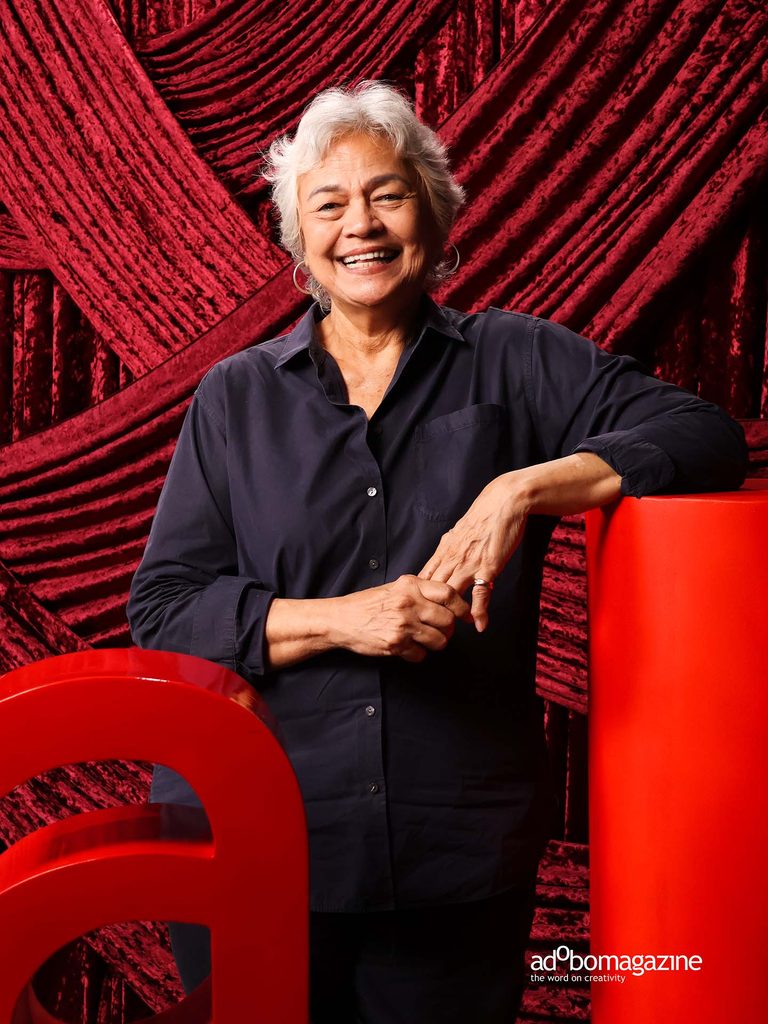
Meanwhile, advertising legend Emily Abrera delivered a keynote speech, shifting the conversation from what AI can do to what humans must continue to do. She acknowledged just how rapidly the industry has changed. In only three or four years, AI has moved from being an occasional novelty to a tool capable of generating headlines, key visuals, scripts, and localized campaigns at a scale that would previously have required entire teams.
Yet the speed of the transformation, she suggested, should not obscure an older problem in the creative industry, the temptation to confuse output with quality.
“The tools have changed enormously. The temptations have not changed at all,” she said.
“We are once again being told that speed is the same thing as quality. We are once again mistaking the ability to produce 100 options for the discipline of finding the one true thing,” Emily added.
Emily also deep dived to that “one true thing” which remains rooted in qualities that cannot simply be generated on command including courage, curiosity, empathy, humility, and honesty. Hence, she challenged creatives to consider something more fundamental than mastering another technology, asking what remains when the prompt disappears?
For her, it means protecting the struggle of staring at a blank page, questioning an idea, finding the truth beneath a brief, and developing a voice that does not sound like everyone else.And perhaps, in an industry increasingly obsessed with what can be generated, there is something liberating about remembering what was never meant to last in the first place.
“Ads themselves are ephemeral,” she said. “Almost everything we make will be forgotten—and honestly, it’s just meant to be.”
What matters, she argued, is not necessarily whether an ad survives in people’s memories, but whether the creative discipline behind it does.
“What isn’t ephemeral is the discipline of finding the truth beneath the brief—hidden in the pages of those briefs we are given every day—and the courage to say it clearly, with humor, with wit, with imagination, with emotion, unprompted, in your own voice.”
These, she reminded the room, are the things human creatives have always brought to the work, not because a machine instructed them to, but because they chose to.
“All the stuff that human creatives do with joy, determination, and celebration. That part was never given to us by any entity. That’s the part we brought ourselves. That’s the part we bring ourselves every day,” Emily emphasized.
AI democratizes opportunity
Moreover, Carlo Ople, Founder and CEO of Unbox Group of Companies, reframed AI not as a threat to creative livelihoods but as an opportunity to build them. He described the current moment as a “creative renaissance,” arguing that creatives have more opportunities than ever to turn their skills, perspectives, and communities into sustainable careers.

“There has never been a better time to be a creative, to take control of your creative destiny, and to live and make money with purpose,” he said.
Central to his talk was what he calls the “Ikigai Engine,” or the intersection of what a person enjoys, what they are good at, what they can make money from, and what contributes to the world. He described it as “a reason for getting up in the morning or a sense of purpose,” which he believes is “something he has held closely to his heart for the 44 years that he’s been alive.”
“Everything I do, everything I want to do, should be something I enjoy, something I can make money from, something I’m good at, and something that contributes to the world. If you find that intersection, you’re at your natural best. You don’t burn out; you don’t get tired in the same way. Despite the setbacks, you’re still smiling and enjoying what you do.”
The difference, he argued, is having a system that turns creative ability into something sustainable.
“There’s no money in passion alone—but there is money on purpose with a system,” Carlo said, emphasizing that the system can be increasingly powered by AI.
AI, in this model, becomes infrastructure. It can handle research, first drafts, repurposing, captions, subtitles, translations, administration, and other repetitive work, allowing creators to focus on the parts of their work that actually require a point of view.
“AI can generate anything except the reason you’re doing it.”
The conversation then moved from individual creative livelihood to the larger question of how ideas create lasting change.
Building trust: something AI can’t
Kentaro Kimura, Chief Creative Officer of Hakuhodo International and Corporate Officer of Hakuhodo Inc., drew from his experience judging international creative awards to identify three keywords for creativity in the AI era. These are “Wish for Change — The First Domino,” “New Trust,” and “Human Dream Craft.”
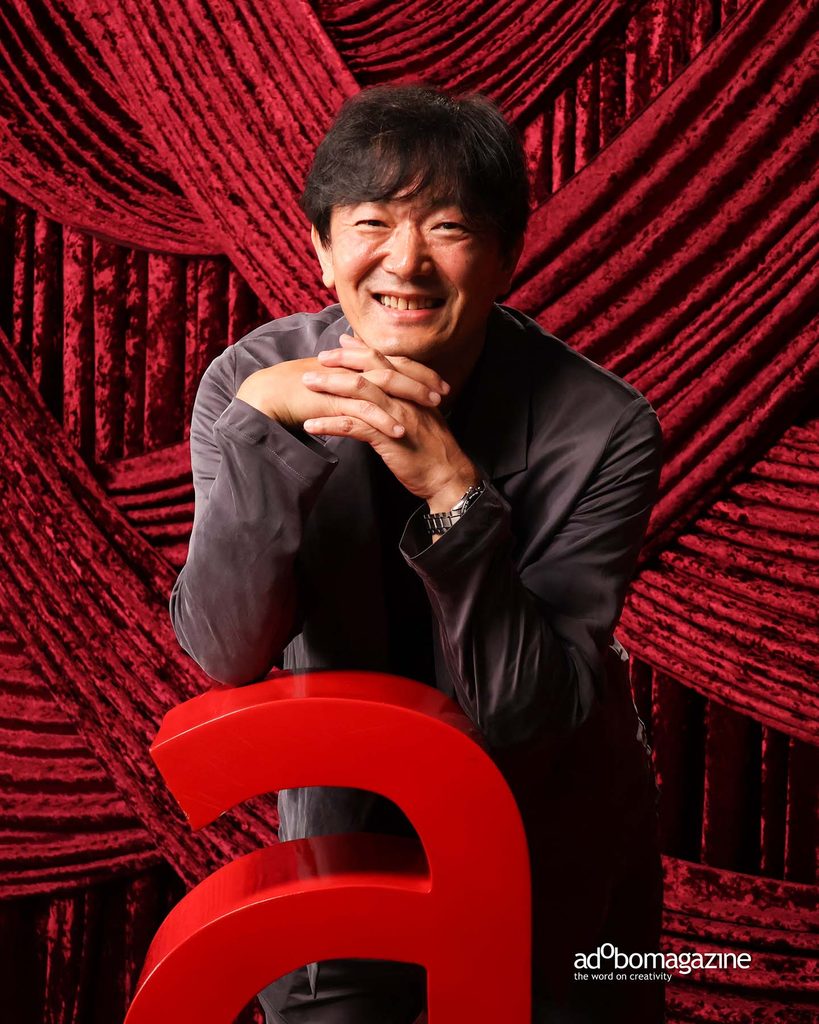
His first idea was the First Domino, or the idea capable of setting an entire movement into motion. Rather than simply creating something new, Kentaro argued that the most powerful creative ideas create consequences beyond the work itself.
“AI is very good at short-term change,” he explained. “Sustaining change over the long term is a human wish, not a machine function.”
Through this, he argued that the future of creativity lies in understanding what people, brands, and societies genuinely aspire to change and using technology in service of those aspirations rather than allowing technology to define them.
His second keyword, “New Trust,” similarly placed human relationships at the center. In an environment where content can increasingly be generated, manipulated, and replicated, trust becomes one of the few things that cannot be manufactured simply by increasing output.
“Trust is the greatest source of power right now in the age of AI,” he underscored.
His final keyword, “Human Dream Craft,” returned the conversation to the creative act itself—the value of making something because a human chose to make it. He emphasized that technology may expand what is possible, but human creativity remains the force that gives those possibilities meaning.
“Believe in the force of human creativity. That is the greatest keyword for the AI era.”
‘The enemy of art is the absence of limitations’
If Kentaro asked what makes an idea capable of creating movement, brand filmmaker Sid Maderazo asked what makes an idea worth making in the first place during his speech.
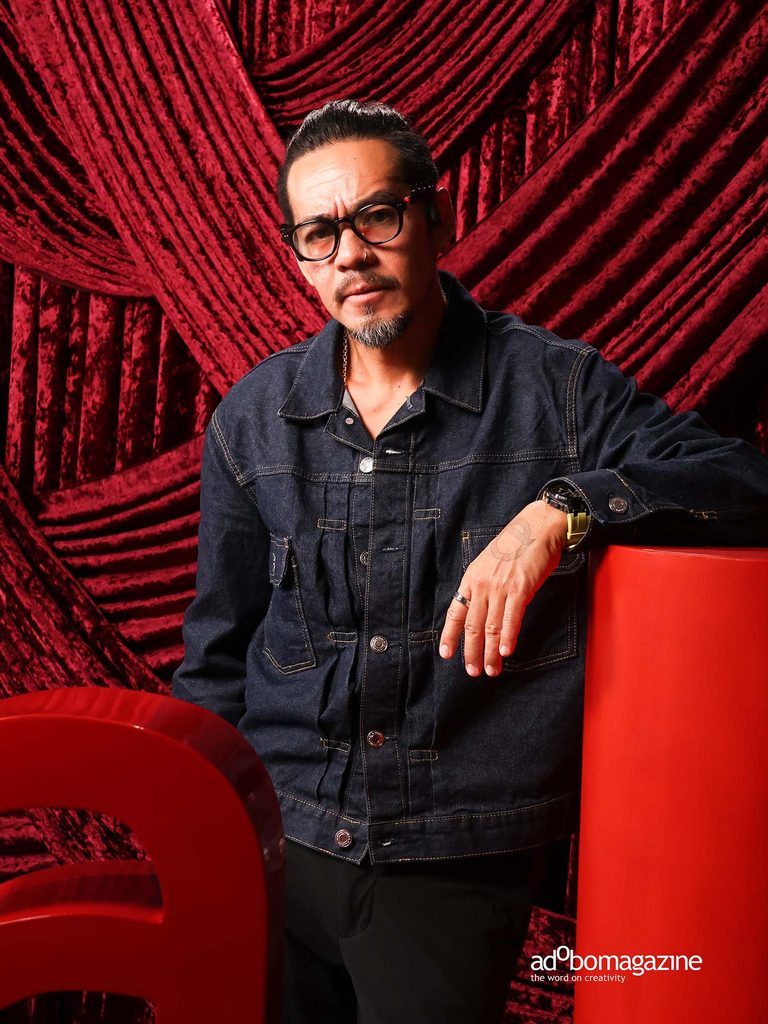
Drawing from 25 years in film and advertising, Sid looked at AI through the lens of craft and, surprisingly, through the discipline imposed by limitations.
“The enemy of art is the absence of limitations,” he said, quoting American actor and filmmaker Orson Welles.
Having started his career shooting on celluloid, Sid remembers a time when every frame carried a cost, with film rolls that were finite and choices that had to be deliberate. Preparation mattered because there was no endless supply of footage to fall back on. However, digital technology removed many of those limitations. AI is removing even more. But Sid does not see abundance as an automatic advantage. He said that “with limitations, you are forced to be clear, very concise. You are forced to choose.”
“I believe limitations don’t kill creativity,” he added, reiterating that discipline is what he believes creatives must preserve even as tools become more powerful.
“The tool is never the advantage. It was never the advantage. The craft was. Craft teaches you how to make something—but taste tells you if it’s worth making.”
Music composer, arranger, and producer at HIT Productions, Arnold Buena, on the other hand, brought the AI debate into sound. With two and a half decades in music production, Arnold has witnessed several technological revolutions, from the sequencer to the Digital Audio Workstation and now generative AI. Today, AI-generated reference tracks are increasingly appearing in music briefs.
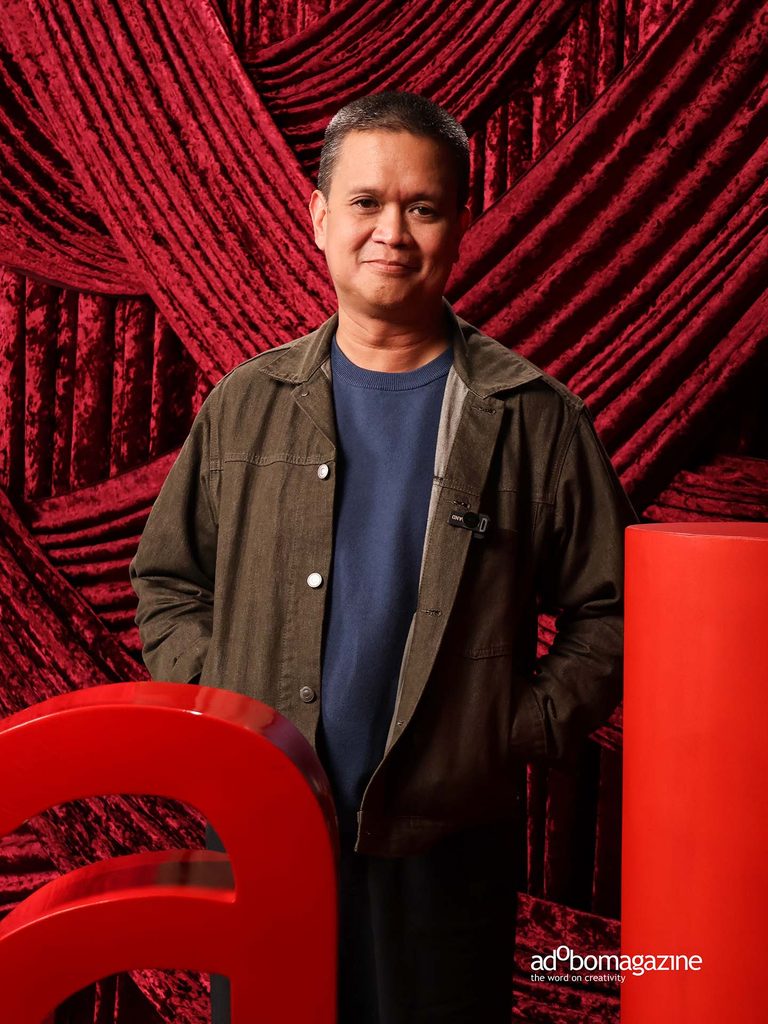
During his talk, he insisted that when a client falls in love with an AI-generated track, a more complicated question emerges: who owns it? Hence, he raised concerns around copyright, authorship, exclusivity, and the training data behind generative music systems. But his answer was not to reject AI, but to establish where the human belongs. In his hybrid workflow, a human composer creates the melody and musical language. AI then explores variations, genres, and arrangements. The human ultimately selects, refines, arranges, and finalizes the work.
“Human pa rin ang magfa-finalize,” he emphasized. “The question isn’t whether we should use AI. The question is: where do we put the human? Put the human at the beginning.”
He closed by returning to the value of human-made music, ending with a live performance of his original song “Logic.”
“Human creativity is not just expression—it is testimony. A life lived. Let’s keep the craft human,” he said.
Efficiency is not the same as effectiveness
Furthermore, Ortum Consulting founder and director Max Stricker discussed the distinction between producing more and creating better work. He exemplified this by presenting two fictional characters: Albert, the fast executor; and Theo, the slower thinker who asks questions.
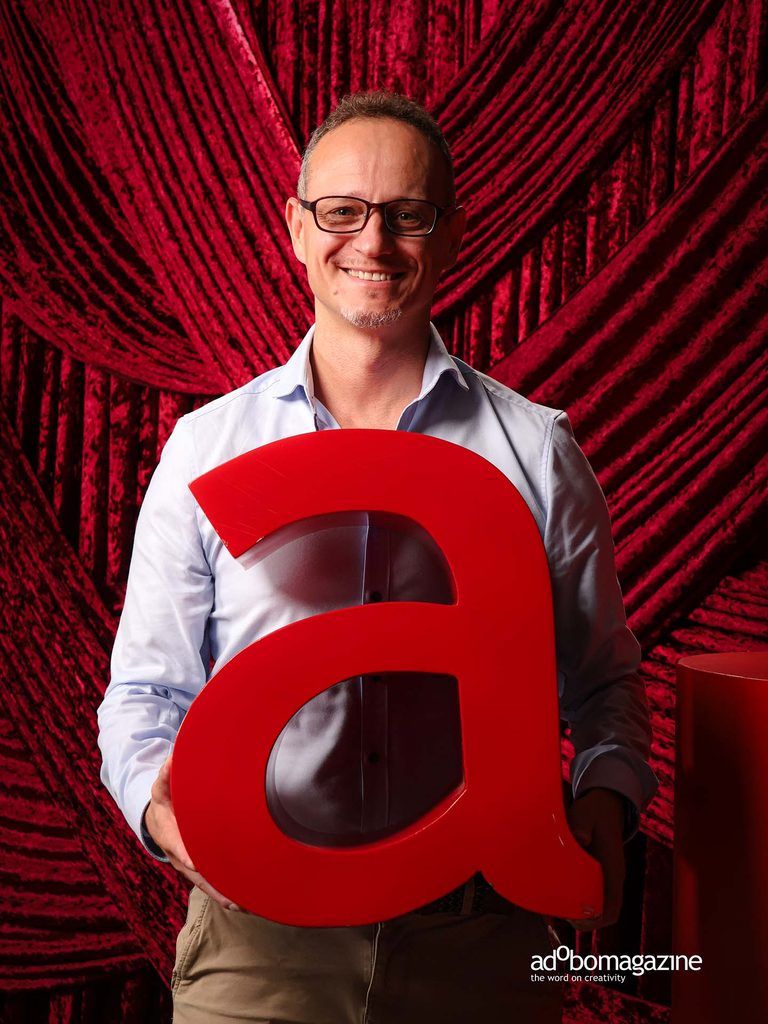
The choice seemed obvious. Albert gets things done. Theo takes time. Yet that is precisely the problem.
AI, Max argued, behaves much like Albert. It produces quickly, confidently, and at scale. But speed does not necessarily translate into effectiveness.
“Efficiency is exactly what Albert does, what AI does: doing things quickly, churning out more assets, more volume,” he explained.
“The problem is that efficiency doesn’t mean great results. That’s effectiveness.”
His solution is not to remove AI from the process but to put Theo, which is the human thinker, in the passenger seat. He emphasized the importance of knowing how to pause before accepting the output, interrogating how the answer was produced, and deciding whether it is actually worth using.
“Don’t outsource your thinking,” he said, adding that while AI saves time, it should not simply be banked. It should be reinvested into better thinking, stronger strategy, and better work.
The end of average
The festival’s fireside chat, moderated by adobo Magazine President, Founder, and Editor-in-Chief Angel Guerrero, brought together MAYA Chief Marketing Officer Pepe Torres, Asian creative legend and author of “Cowards Don’t Go To Heaven: The Scribblings of A Lost Creative Soul Who Found Paradise” Eugene Cheong, BBDO Guerrero Creative Chairman David Guerrero, and Misfits Camp and Jayme Headquarters Chairmom Merlee Jayme to unpack the industry’s changing relationship with AI.

In their conversation, Eugene argued that AI changes the creative equation by eliminating the safety of mediocrity.
“I think there’s no more room for being average,” he said. “AI can now do the top 35% of what used to require human effort. That changes everything about mediocrity.”
Merlee, meanwhile, saw the technology as something that could provoke rather than paralyze creatives.
“There was a lot of fear in 2024,” she said. “But then a moment came when we realized: information has never been this accessible. Collaboration has never been this easy.”
“You should learn to struggle — struggle is freedom,” she added.
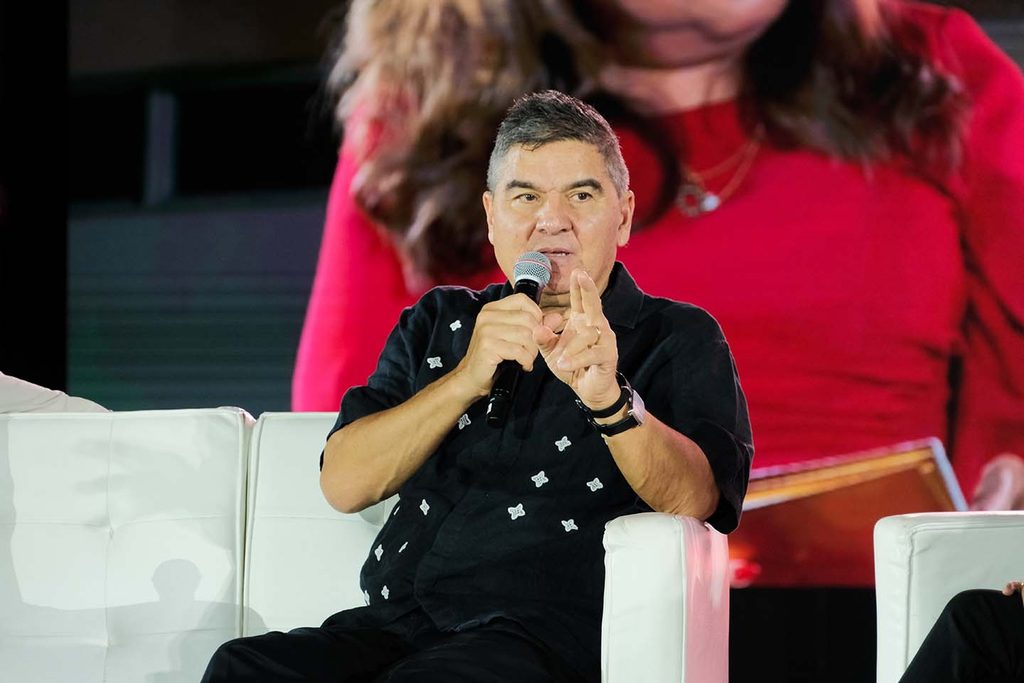
Furthermore, David emphasized that AI can remove drudgery that offers little creative leverage while allowing markets with smaller production resources to compete at a higher level. Pepe, on the other hand, viewed AI as a fundamental shift that can make people feel more empowered but also more vulnerable to its seduction.

Ultimately, the throughline of the fireside chat was consistent, emphasizing that AI is a tool that demands better humans, not fewer. The panel also agreed that the era of average is over in the age of AI, where trust and originality remain irreducibly human responsibilities, and that the seduction of AI’s efficiency must be weighed carefully against the discipline of craft.
Humans must decide what is true
For PhilStar Media Group Executive Vice President Lucien Dy Tioco, the conversation around AI becomes even more consequential when it enters journalism.
In a media landscape increasingly shaped by platforms that reward speed, engagement, and virality, the role of journalism cannot simply be to produce more information. Its greater responsibility is to determine what information is worth believing. AI can help journalists move faster. It can check facts, identify inconsistencies, synthesize reports, summarize complex material, and surface patterns across vast amounts of information. But efficiency does not eliminate the need for human judgment.
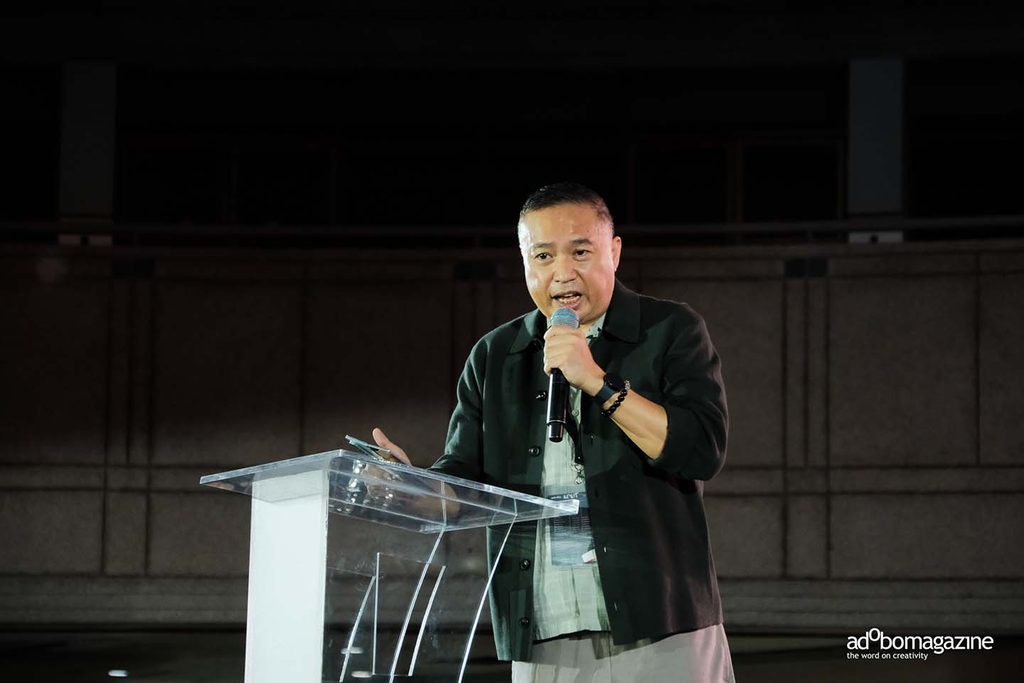
“AI can find, sort, and analyze information but humans must verify, judge, act, and, where necessary, hold people accountable,” Lucien said, adding that this distinction places truth at the center of journalism’s relationship with technology.
As AI makes the production and circulation of information easier, journalists must remain responsible for interrogating what they encounter, understanding its context, and deciding what can be trusted.
“Truth is your guiding light on this journey and there’s more to us as humans than just our devices,” he said.
Human judgment, real meaning
Executive Vice President and Chief Operating Officer of RMN Networks – Marketing & Media Ventures, Inc. Erika Canoy-Sanchez similarly talked about what remains uniquely human in an AI-driven world of radio, asking if it is already “dead.”
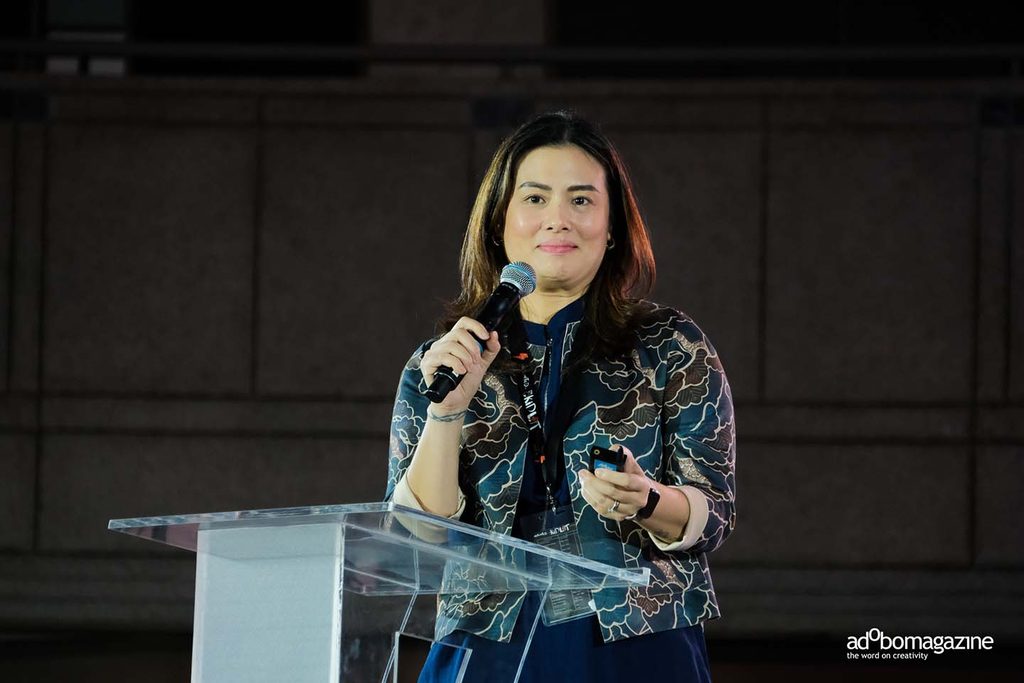
For her, radio has not disappeared so much as evolved, with its enduring value rooted in the very things technology struggles to replicate, including voice, timing, personality, and imperfections that make communication feel human.
In this AI-driven world, she believes that the grammar can be perfect, the production can be flawless, and the technology can make everything faster and more polished. But none of that matters if the person behind the message does not understand the people listening.
“There isn’t just one Philippine audience—there are 7,000-plus islands’ worth of them,” she said. “That’s the difference between broadcasting a message and having an actual conversation.”
That distinction becomes even more important as AI makes it possible to generate virtually every component of a radio station, including the programming, advertisements, and business models. Yet the ability to produce more does not necessarily mean knowing what is worth producing. Even in an AI-powered station, she argued that there remains one role technology cannot take over: the human judgment that gives information meaning.
“Somebody still has to decide what actually matters.”
The future belongs to those who can see beyond the output
The idea of producing and creating in this era was echoed by dentsu Japan Executive Creative Director Yoshihiro Yagi, who discussed AI through the language of design.
For him, design is not simply about making things visually attractive. It is a form of non-verbal communication, a way of uncovering what lies beneath the surface and translating that essence into something people can feel. That distinction becomes increasingly important in an AI-powered creative environment where production itself is becoming abundant.
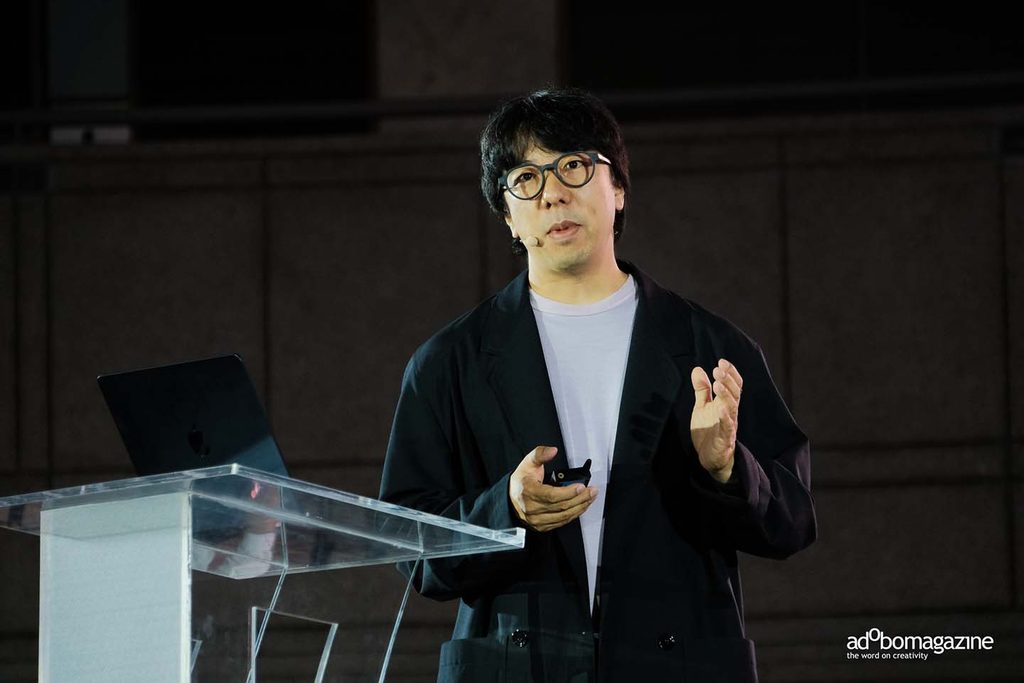
“When technology can produce an enormous amount of output,” he argued, “the question is not how much we can make. The question is whether we can see the world differently and find the extraordinary thing that is already there.”
To exemplify his thoughts, he used case studies that demonstrate what that philosophy looks like in practice. These include Panasonic’s “Life is Electric,” which transformed something as invisible and ubiquitous as electricity into an experience people could see and feel, and Nikka Whisky’s “No Labels,” which stripped away conventional brand identifiers to explore what remained beneath them.
It also includes JR East’s “Get Back, Tohoku,” which turned a railway campaign into a longer-term relationship with a region, and “My Japan Railway,” which transformed trains from transportation infrastructure into what Yagi described as emotional infrastructure—a place where memories and personal stories accumulate.
“AI can help produce output, but it cannot replace the reason we choose something, the feeling we want to create, or the human judgment behind the decision,” he said, noting that a designer’s job is also to see and notice what others overlook, ask deeper questions, and understand the emotion behind the function.
“We should use technology, but we should not allow technology to decide what matters,” he warned.
When data becomes an illusion
Conversely, for Shayne Madamba, Managing Director of IdeasXMachina Hakuhodo, the AI conversation is complicated by the fact that she occupies both sides of it. She introduced herself through two versions of the same person. One is a practitioner: a media professional with more than 23 years in the industry who works with AI every day and makes money from it, and the other is a skeptic or the part of her that questions what the technology may be costing people.
The tension between the two became the foundation of her talk.
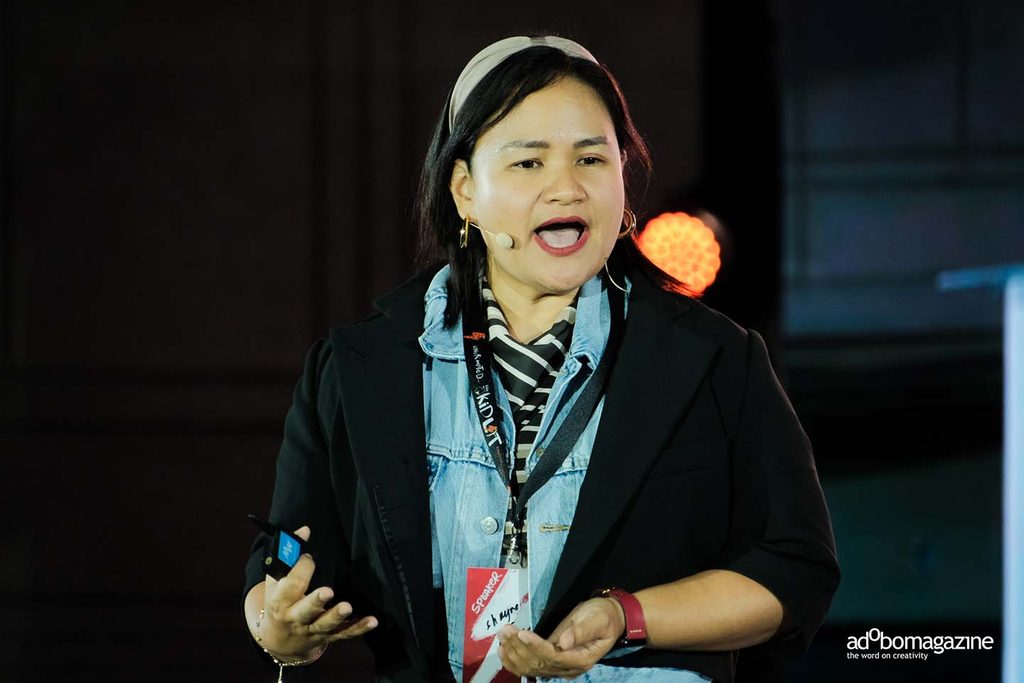
As a media practitioner surrounded by dashboards, audience data, algorithms, and performance metrics, Shayne has learned that numbers can create a powerful sense of certainty. But certainty is not the same as understanding. Spreadsheets can show every pixel, number, response, and measurable behavior. But no amount of data, she argued, can completely capture the human connection that happens between people.
“It is never going to be enough to establish that human connection that only you and I can truly interpret,” she said.
This becomes particularly urgent as media moves faster and misinformation becomes increasingly difficult to distinguish from reality. She then described the current moment as an era of extraordinary velocity—one where content can look increasingly polished while still feeling fundamentally false.
“Ang ganda naman ng materyales pero parang fake.” (The materials look great but seem fake.)
The materials may look good, but something feels missing. That missing element, Shayne suggested, cannot be solved by simply collecting more information.
“No matter how much data you acquire, it is about that singular vision. That singular moment, designed by hand,” she said.
Shayne also believes that the “why” question forces creatives and media practitioners to move beyond what the data says and examine the human reason underneath it because for her the reason can be deeply personal.
To exemplify this, she shared her own experience of working hard for her children despite the demands of running a business and holding multiple jobs. The point was not the data surrounding her life, but the motivation beneath it.
“No matter how much data you acquire, it comes back to that singular human reason. We have to be ready to dig deeper than what media tells us.”
She then identified three things she considers particularly troubling about the technology.
First, AI is already capable of performing parts of media planning and buying autonomously—raising the possibility that some of the work she has spent decades doing could eventually require far fewer people.
Second, she questioned how easily children can access mature and potentially harmful content through digital environments, arguing that the issue requires stronger policy and legislative attention.
And third, she returned to something creatives and creators increasingly experience firsthand, saying “because of AI, it is nearly impossible to grow organically anymore.”
The concern extends beyond media metrics. She connected the erosion of organic connection to the way people increasingly form relationships through apps, chats, and online forums, often without ever knowing the person on the other side in the traditional sense.
It is another version of the same problem she identified in media, emphasizing that more connection does not necessarily mean deeper connection.
This led her to her final instruction. Shayne reminded the audience that creatives should not always analyze more. Sometime, all they need is to listen.
“Listen. Not just as a first step, but as an active, ongoing practice,” she said, noting that listening also means resisting the comfort of ideological certainty. She then challenged audiences to hear perspectives beyond their own and warned that activism itself can weaken when people become too entrenched in their respective sides.
“Listen to the other side,” she urged.
Ultimately, the media practitioner brought her skepticism back to the possibility of technology itself.
“Always stay creative. And more importantly, embrace the 4 V’s of data while embracing a technology that serves human connection.”
The courage to find your voice
Eugene Cheong, who is also the former Chief Creative Officer of Ogilvy Asia Pacific and DDB Asia, alternatively challenged the increasingly familiar idea that AI is either good or bad for creativity.
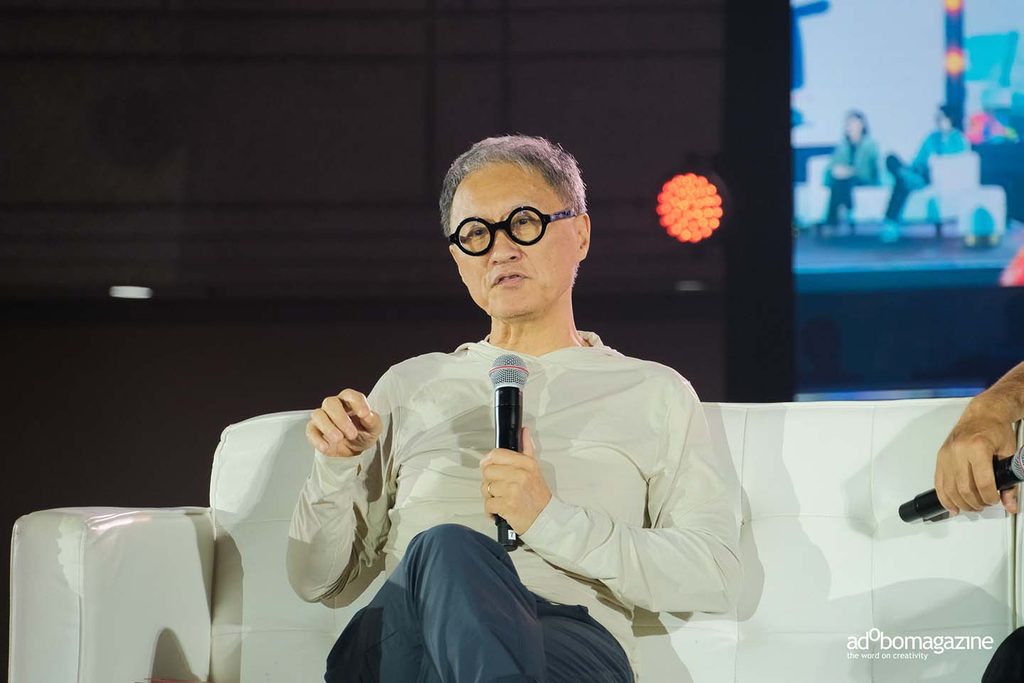
“So the question isn’t ‘is AI good or bad?’” he said. “The question is: are you good, or are you bad? AI can’t decide that for you.”
For one of Asia’s most decorated advertising creatives, the distinction is crucial. He argued that AI can make images. It can render what a person describes, but it cannot supply the creative instinct behind the description. The implication is that AI has made execution increasingly accessible, but accessibility does not automatically produce distinction. Hence, creativity has always demanded something more difficult or the willingness to speak in a voice that belongs to you.
As a copywriter, he argued, the goal is not simply to become a technically “good writer.” It is to spend a lifetime learning how to speak to other people while requiring himself to understand the audience well enough to decide when to be safe and when to take the risk of being outrageous.
“There are two ways to connect with an audience: the elevator, or the outrageous. The elevator is beautiful and fairly safe. Outrageous is being outrageous enough to grab the eyeball of the world.”
Most people, he observed, naturally choose the safer route.
“Nine times out of ten, people choose the elevator, because it’s less trouble — life is hard enough as it is.”
Eugene’s own career was built on repeatedly stepping away from that elevator. He spoke about spending decades pushing ideas further, failing along the way, and eventually discovering his own creative voice. That willingness to fail, he suggested, is precisely what the industry risks losing when fear becomes part of the creative process.
“Nothing kills creativity like constant fear.”
Essentially, the problem is not simply fear of AI. It is fear within creative cultures themselves, such as fear of being judged, fear of being wrong, fear of challenging the accepted answer, and fear of presenting an idea that feels strange enough to fail.
“When people are afraid of you, they will never show up to show you their weirdest, most wonderful ideas,” he said, adding that leadership is also part of creativity. A creative environment should not merely demand better work; it should create enough trust for people to risk making work that has never been made before.
“Are you ready to go home, or are you ready to look at yourself and say what you actually mean?” he challenged the audience while emphasizing that in an AI era where anyone can generate an image, a script, a campaign route, or a visual treatment, finding an individual voice may become harder but also more valuable.
The human story cannot be automated
The sessions concluded with a closing keynote speech from Philippine National Artist for Film and Broadcast Arts Kidlat Tahimik.
During his keynote, he shifted the festival away from the mechanics of AI and toward something much older including the culture, memory, identity, place, and love. He also specified the importance of indigenous knowledge, the Ifugao rice terraces, and the importance of telling Filipino stories, not because they are exotic, but because they are ours.
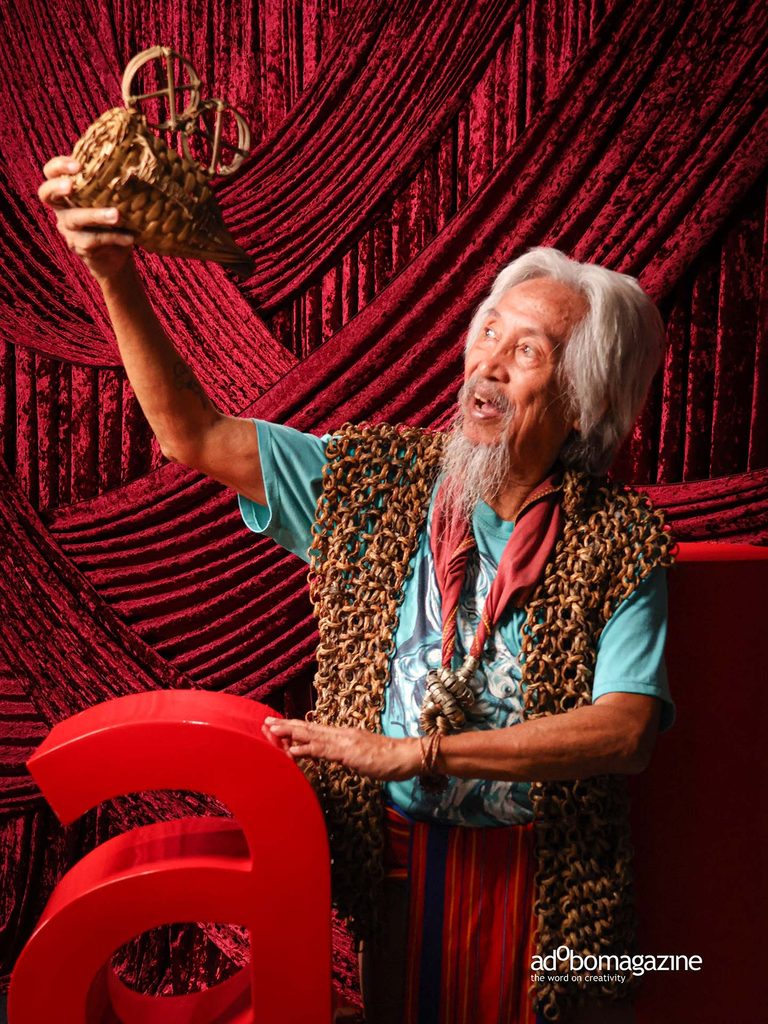
“I have made many films about this—about the rice terraces, about Vietnam, about the cultures of central and Southeast Asia—not because they are exotic, but because they are ours. And they deserve stories.”
For Kidlat, technology has never been a prerequisite for meaningful storytelling. He recalled working with humble tools and rejected the idea that creatives need the newest equipment to create something significant.
“I didn’t always know how to tell stories. I started with humble technology. And we can still do it that way. We can tell stories with our own humble technology. We don’t need the Iron Flex of Samsung Galaxy or Sony to tell a story that matters.”
“We can do it our own way,” he added, emphasizing that creativity is indeed a human act.
“I was listening all day. To everyone. And as a human—the thing that’s happening outside, the way you love the people you love—that is where creativity begins. Not in a brief. Not in a prompt. In attention. In love. In the stories we owe our people.”
adobo Magazine is the official creative media partner of the Unprompted_: Kidlat Creative Festival 2026.
READ MORE:
Leo Manila scores a Grand Kidlat win for McDonald’s ‘GamiFries’ at the 2026 Kidlat Awards
BBDO Guerrero’s ‘Safetynovela’ charts a Grand Kidlat-winning course at the 2026 Kidlat Awards