
Long before platforms and algorithms, people gathered around fires and told stories. The ones that lasted were those that travelled. From one person to another. From a single voice to many.
While meaning still moves through what people choose to pass on, everything else has changed. We now have infinite content, endless creation, instant distribution. Volume has replaced value.
As an industry, we’ve forgotten to ask the most fundamental question: what’s actually worth passing on?
At Unilever, we’ve stopped asking what our brands want to say. And started asking who would care enough to carry it. And that changes everything.
Rethinking how we create demand
This isn’t about channels. Or media budgets. It’s about how demand gets created.
People trust recommendations from friends, neighbours, communities. That’s how it’s always been. Long before social media, influencers and algorithms.

For Unilever, it’s not about being social-first. It’s about being reality-first. But that only works when done with clear and consistent brand meaning, a commitment to co-creation and a system designed to allow ideas to scale and spread.
Take Dove’s Campaign for “Real Beauty.” Since we created it in 2004, the world kept changing. Social media exploded, beauty standards shifted, culture moved.
People expected Dove to move with these shifts. Not because we told them to: because they cared. The meaning of Real Beauty was so clear, they felt it belonged to them too.
A brand’s community is as important as its marketing team
That’s where things get interesting for us as marketers. Not in terms of what we say, but what people choose to do with it.
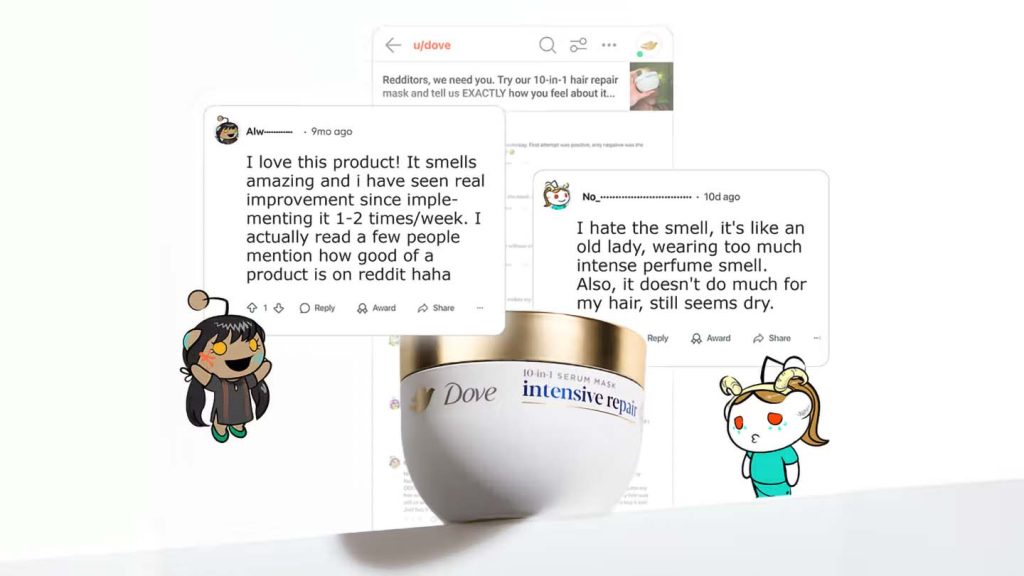
Dove partnered with Reddit, inviting unfiltered reviews of its Intensive Repair 10-in-1 Serum Hair Mask and committing to publish the first 50, with permission, whether positive or negative, without edits. Sales surged by over 100% on the previous year. The product became the No.1 bestselling hair mask in the US during the campaign. And r/eal Reviews racked up more than a billion earned impressions.
It’s Dove’s community – not its marketing team – who decide what gets carried. And that’s the challenge. Can we, as marketers, get out of our own way?
When people stop reshaping your brand, it’s stopped mattering
For a hundred years, we thought we knew what Vaseline was: a skincare brand. But when we started looking and listening, we discovered uses we’d never intended or imagined.
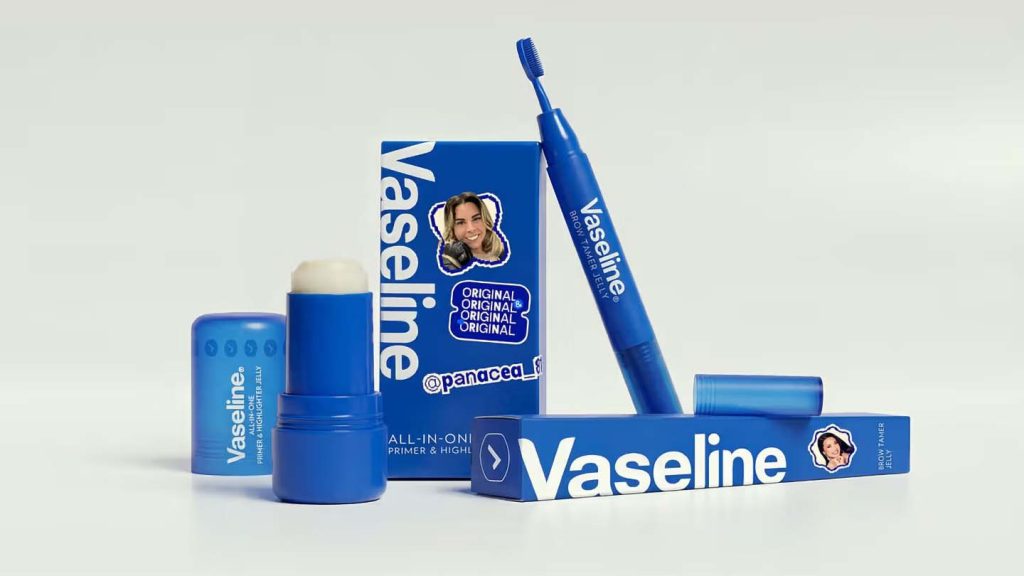
The brand invited communities to share their hacks, and our scientists tested and verified the ones that worked.
The community were not diluting the brand. They were expanding its meaning. Into worlds where we never knew it belonged.
We kept going, giving them even more power. We identified the originators behind the most popular hacks, then co-created new products with them. Transforming community creativity into an innovation engine.
The result: double‑digit growth for Vaseline over three consecutive years.
Unilever sees creators as collaborators, not channels
This is a shift from transactional influence to building platforms where creators and communities actively shape the brand.
When NFL quarterback Will Levis started adding Hellmann’s mayo to his coffee on social media, the internet lost its mind. We asked ourselves: what is he telling us about who we are? We formed a partnership and made headlines with the world’s first mayonnaise-inspired fragrance. Will Levis No.8 sold out in under a minute and generated over 10 billion impressions online.
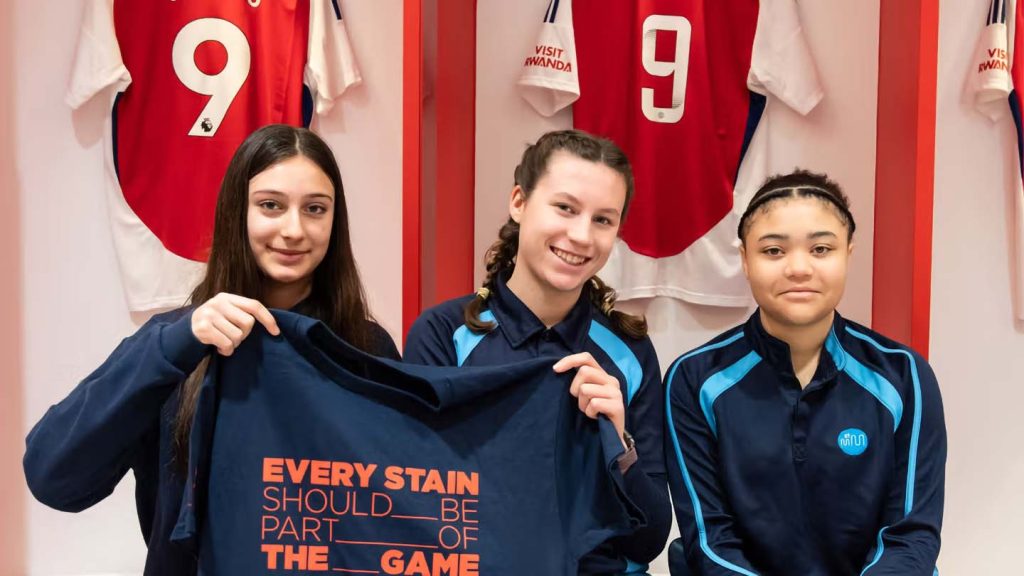
Our global laundry platform Dirt Is Good (DIG) is another example of co-authoring. Working with Arsenal Women since 2023, the partnership has flexed into new territories as new insights were uncovered from the community – from period stigma to the gender participation gap. By staying true to DIG’s meaning as a force for confidence and resilience, it was able to enter cultural spaces and add value to the community.
And it works. Persil has seen a 13% year-on-year increase in usage among those aware of the partnership and 6% growth among rival fans.
Desire at Scale anchors our broader business transformation
This isn’t a philosophy. It’s an operating model.
And it’s fundamental to how we’re delivering Desire at Scale by elevating the quality, relevance and reach of our brands, supported by investment and technology.
We’ve increased investment behind our brands by around 300 basis points in the last three years. Today it’s around 15% of turnover – our highest level in over a decade – across brand building, retail and omni-channel activation to ensure our brands win wherever consumers shop.
We’re deploying advanced tools to respond faster, personalise at scale and continuously optimise performance. Through digital twins, we’re producing product imagery at twice the speed and half the cost, and AI Studios are delivering content 30% faster while doubling click‑through rates.
Marketing powers Desire at Scale – turning creativity, relevance and execution into sustained growth. This was reflected in our Q1 2026 results. Strong momentum was led by our Power Brands, which grew underlying sales by 5%, with volumes up 4%.
Messages and meaning that travel
Desire at Scale requires poetry and plumbing. Poetry creates meaning. Plumbing is the systems, tools and technology that make a story scale. Without poetry, nothing matters. Without plumbing, nothing spreads.

When I think about building brands, I think about messages and meaning that travel. Real Beauty, Vaseline Verified – these aren’t campaigns, they’re fires. And creators are our torch bearers.
If nobody’s carrying your fire anymore, you don’t have a media or a creator problem. It means people don’t want to share it. And no media plan will fix that.
Marketing today is about building something worth repeating. And building trust so that people want to pass it on.