
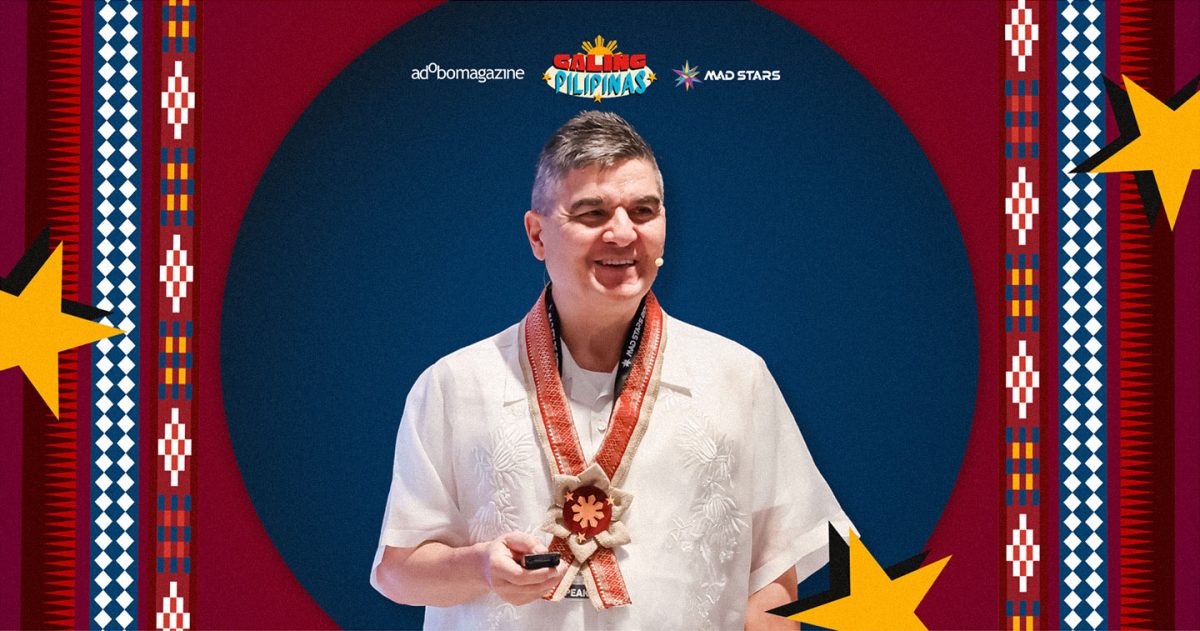
Creativity covers much more ground than illustration, painting, music, and other fine arts. It’s also about thinking outside the box for solutions and getting resourceful when you have limited tools. BBDO Guerrero Creative Chairman David Guerrero capped off the Galing Pilipinas conference at this year’s MAD STARS festival in Busan, South Korea with his presentation, “Doing More with Less.”
The event was part of the entire Galing Pilipinas initiative organized by adobo Magazine in collaboration with the MAD STARS organizing committee, which celebrated the Philippines as the festival’s first-ever Country of Focus in its 19-year history.
David enlightened the crowd with a common creative solution Filipinos resort to when faced with scant resources: the humble yet iconic Philippine jeepney.
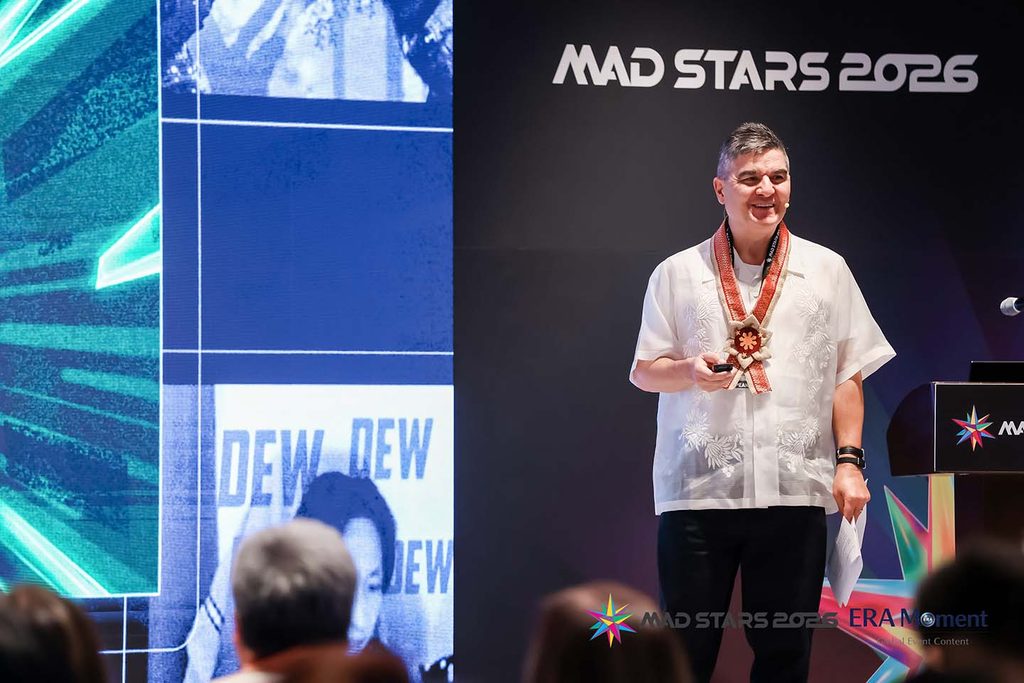
With that in mind, David shared what he learned from this creative move and how it applies to marketing: “I believe it is relevant for all brands that need to do more with less: make the most of the assets they already control. Rather than relying only on paid media or hoping for earned media, brands can increasingly find value in their owned assets.”
He cited seven homegrown campaigns, showcasing assets to inspire unique solutions for brands.
The first asset is the brand name, exemplified by Mountain Dew’s “Play No Dew,” which maximized its name to resonate with online gamers and challenged them to play without three essential letters for PC gamers: D-E-W.
“The conclusion was simple: three letters, one insight — you can’t play properly without DEW,” he said.
The second asset is packaging, inspired by Pepsi’s bottle, which was repurposed as makeshift lamps for people left without power after Typhoon Haiyan hit Tacloban City in 2013. With one of Pepsi’s biggest bottling plants in the city, the team used the bottles at hand, paired them with solar-powered LED bulbs, and turned them into “bottle lights” that provided up to 10 hours of light at night.
The third asset is the brand logo, exemplified by Whiskas’ “Lucky Cat” campaign.
David explained, “The idea was to take a familiar brand symbol and make it very, very big. Whiskas reimagined Asia’s lucky cat — the symbol of fortune and prosperity — and gave it a new meaning. A Whiskas cat is a lucky cat because it gets the nutrition it needs.”
The fourth asset: regulations, playfully embodied by Philippine Airlines’ “Safetynovela.”
“How do you get people to pay attention to safety instructions and remember them? We used something deeply familiar to Filipinos: the melodramatic soap opera, or telenovela,” David said. He added that they also created a full entertainment experience, launched a trailer, promoted it on Filipino platforms, and then released the film across the airline’s fleet.
“The result was a safety message people actually remembered because it was embedded in a story they wanted to follow.”
The fifth asset is product instructions, which David alluded to in citing SPAM’s Recipe-oke. The campaign reimagined product instructions into original songs and was inspired by Filipinos’ love for karaoke.
“Instead of showing instructions as dry instructions, we turned them into entertainment — something people might sing, share, and remember.”
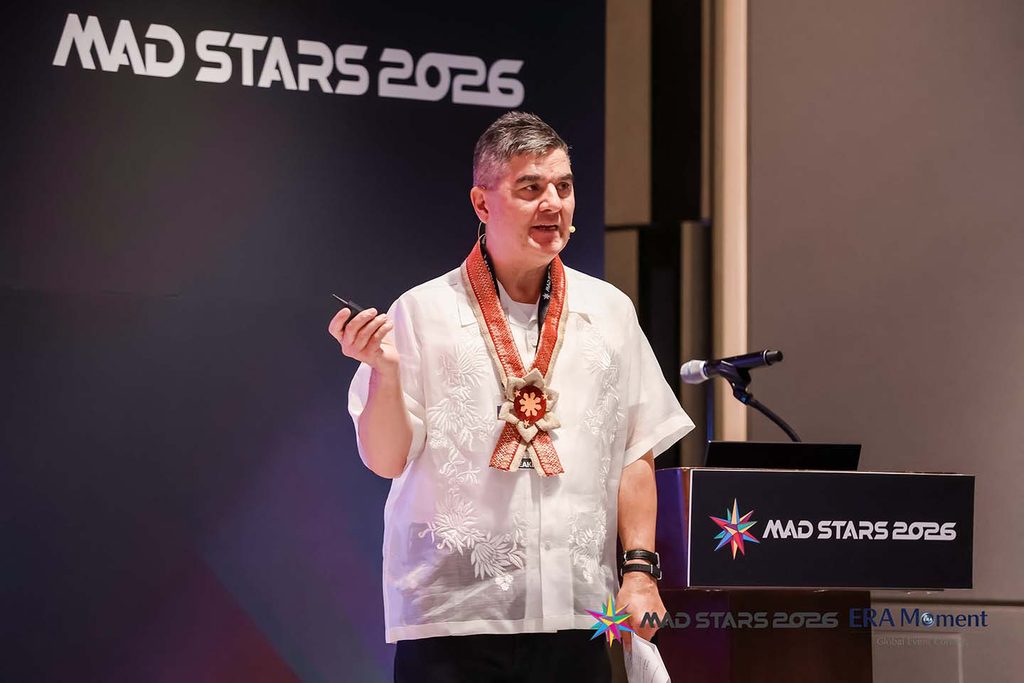
The sixth asset is a brand’s own product format.
David asked, “What can you do with the shape of the product to create a message?” This called back to BBDO Guerrero’s Dissolving Bottle, which was designed to reduce plastic pollution from shampoo bottles. The agency’s creative solution involved turning a simple shampoo bar into the shape of a bottle — a cleaner alternative to the shampoo bottle.
The last asset of a brand is its fans and community, and to expound, David highlighted the country’s tourism campaign, “It’s More Fun in the Philippines.”
“The idea was built around people’s love of the country and their desire to express their opinions. The campaign used a meme-based format. People created their own versions of the line and shared them,” David explained. He recalled how it instantaneously spread across the country and international waters, bearing the lesson: your community can become your media.
Closing his presentation, David imparted a simple yet resounding reminder: “Inspiration is everywhere. We just have to know where to look. Start by looking closer to home.”