



In an increasingly connected landscape where a flashy, hard-hitting single can be a recording artist’s ticket to thousands of streams and mainstream success, the order and arrangement of tracks in an album—if it’s ever completed—is hardly everybody’s concern.
It has happened. Tracks sounding like spliced parts of one song for the sake of staying “faithful” to the artist’s sound. Or a series of tracks with no momentum to follow, or worse, no story to tell.
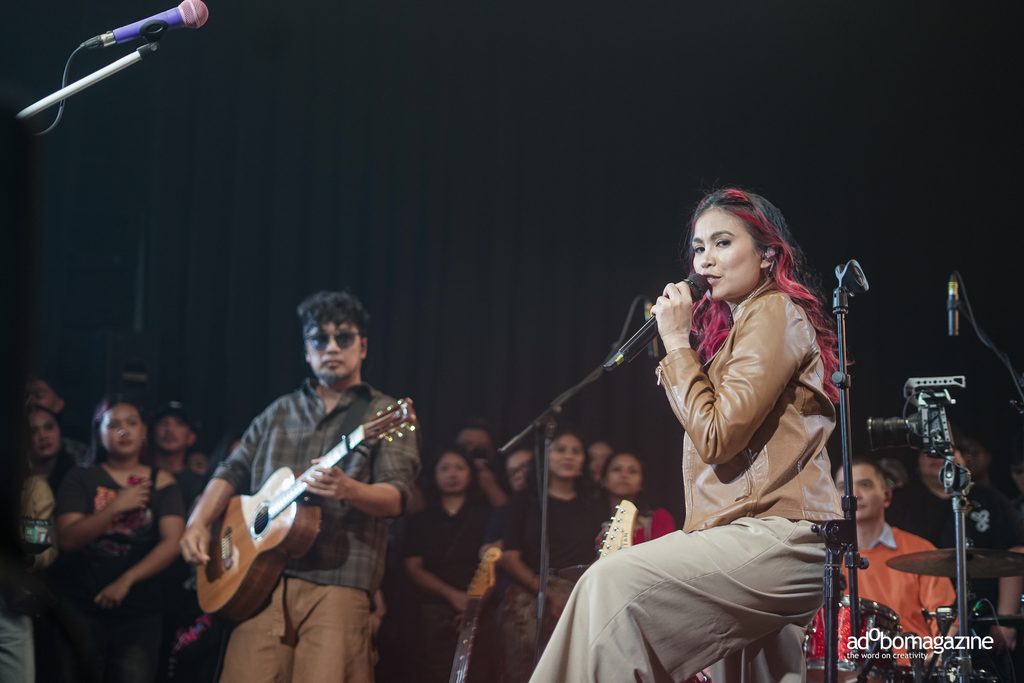
Moonstar88’s Hababmbuhay (translates to ‘Forever’ in English), however, upholds the time-honored but sometimes forgotten craft of tracklisting. It is an album worth listening to from start to finish, and listeners are choosing to miss out if they don’t.
It starts strong and incisive with Herbert Hernandez’s distorted opening riffs for “Goma” before vocalist Maysh Baay beckons listeners in. A few piano keys softens the landing somehow, even as Bon Sundiang keeps it rhythmic and powerful.
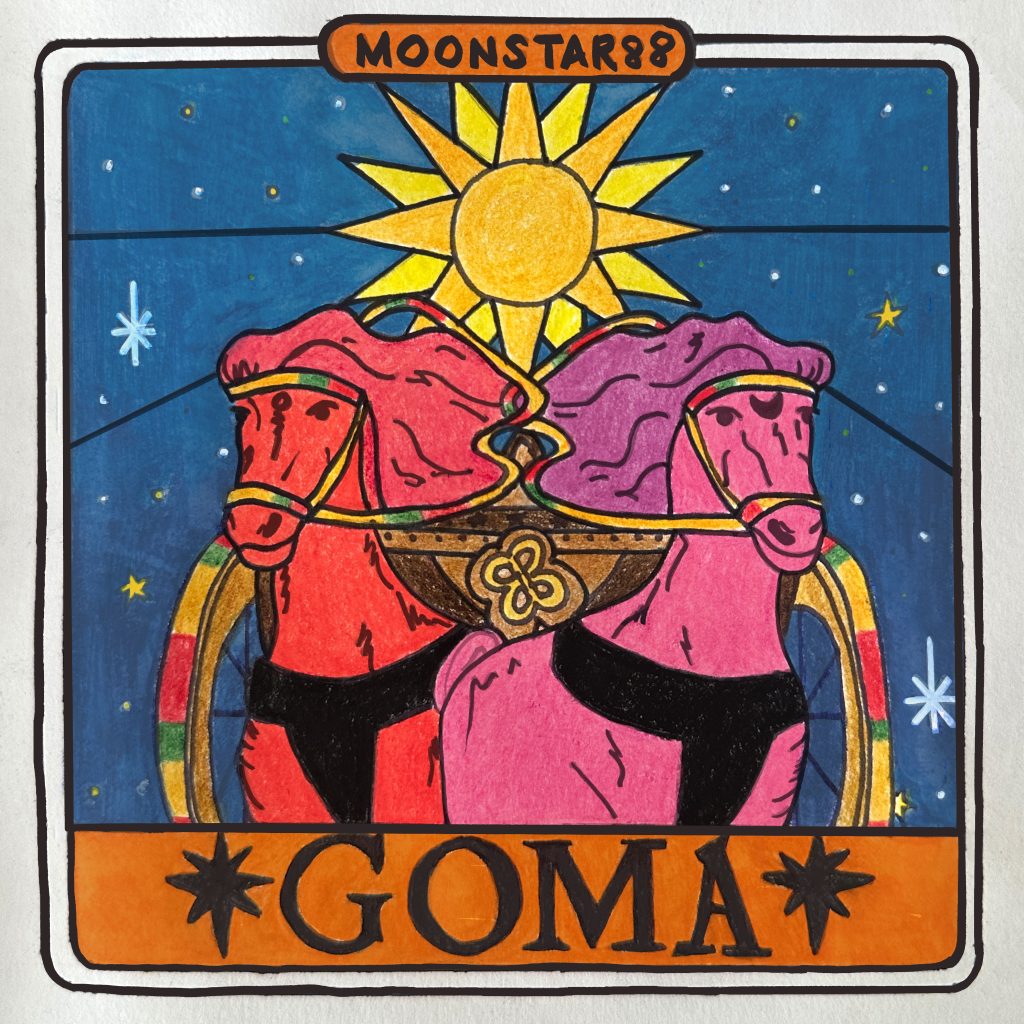
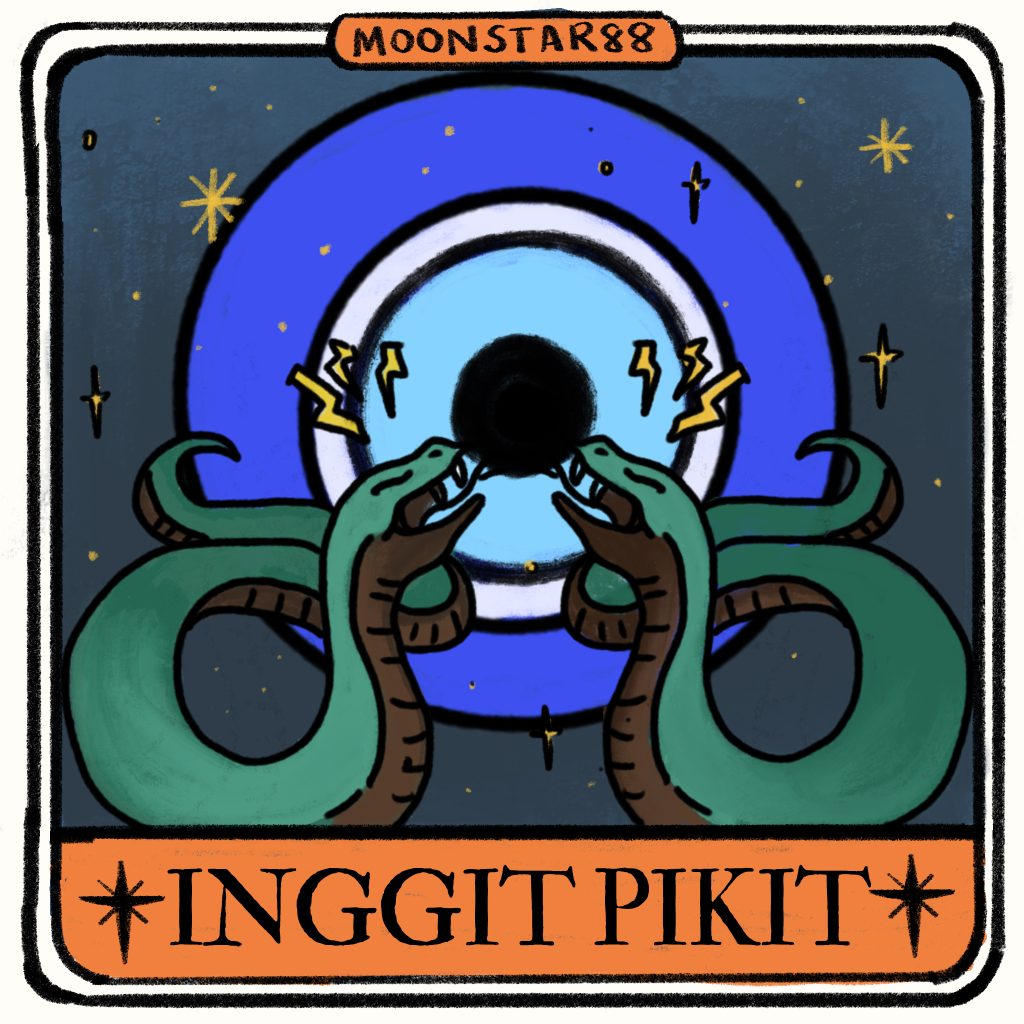
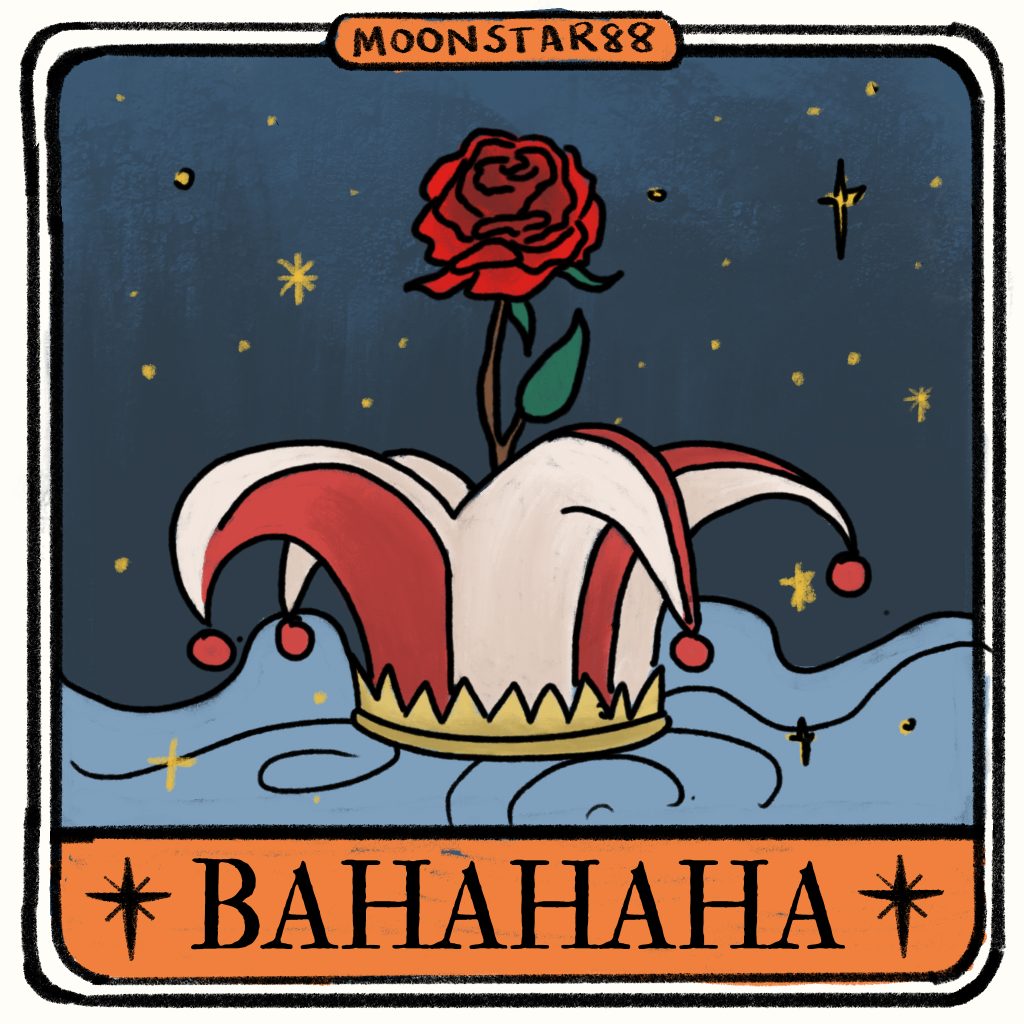
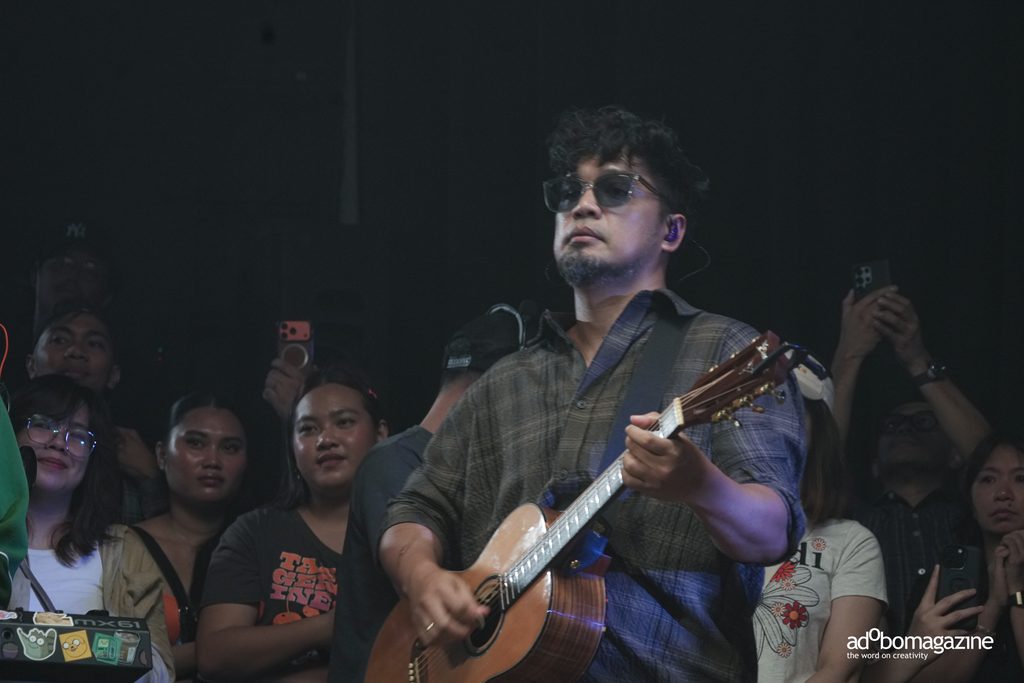
Herbert Hernandez wrote “Goma” and “Bahahaha” while Bon Sundiang wrote “Inggit Pikit.” (Photo: Jill Tan Radovan)
The tempo turns up a notch, the rhythm shifts, and the mood lightens with “Inggit Pikit,” a playful commentary on crab mentality, a social ill that, unfortunately, continues to fester, generation after generation. Jangly guitars, a punchy horn section, and layered, repetitive one-line backing vocals punctuated by synchronized handclaps make this upbeat track reminiscent of ’60s Motown. Deep bass lines add to the groove—making it hard for listeners not to snap their fingers—or dance away.
The crunchy guitar hooks return with “Bahahaha.” Infused with Maysh’s unvarnished, laid-back yet sweet vocals, it sends the message, and the song becomes a reminder of why Moonstar88 has maintained a steadfast following in the Pinoy music scene for decades. Though more on the alternative rock side, the songs are always melodic, with ample pop sensibility. The lyrics are accessible, never pretentious, and let listeners feel seen.
Sadder by the second, and then…
The shift in mood and rhythm between “Inggit Pikit” and “Bahahaha” is apparent, and it’s the gradual segue to the melancholic parts of the album. “Ding Dong” (a term that mimics the sound of a doorbell) is essentially a plea for someone to let you in.
It asks, “Naisip mo ba ako nung isinara mo ang pinto (Did you even think of me when you closed the door)?”
“Papasukin mo naman ako (Please let me in),” it begs.
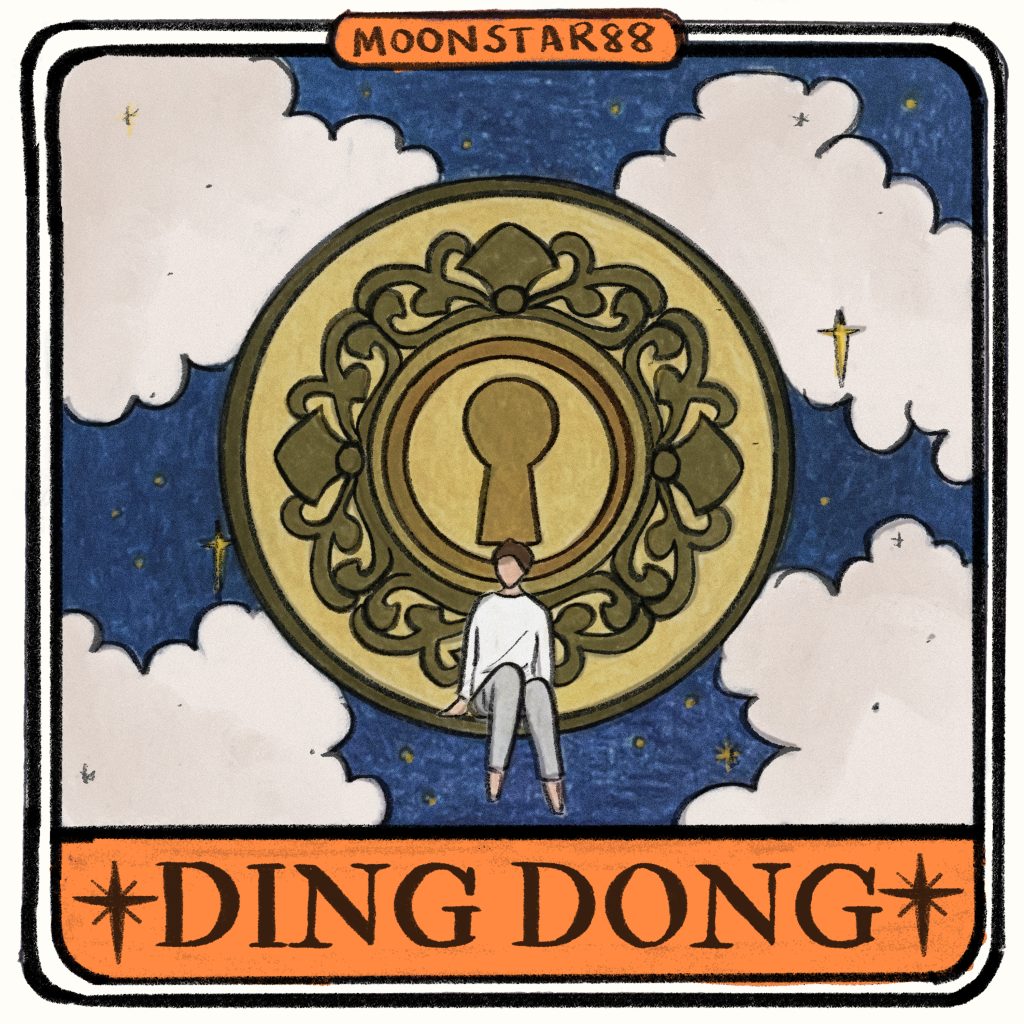
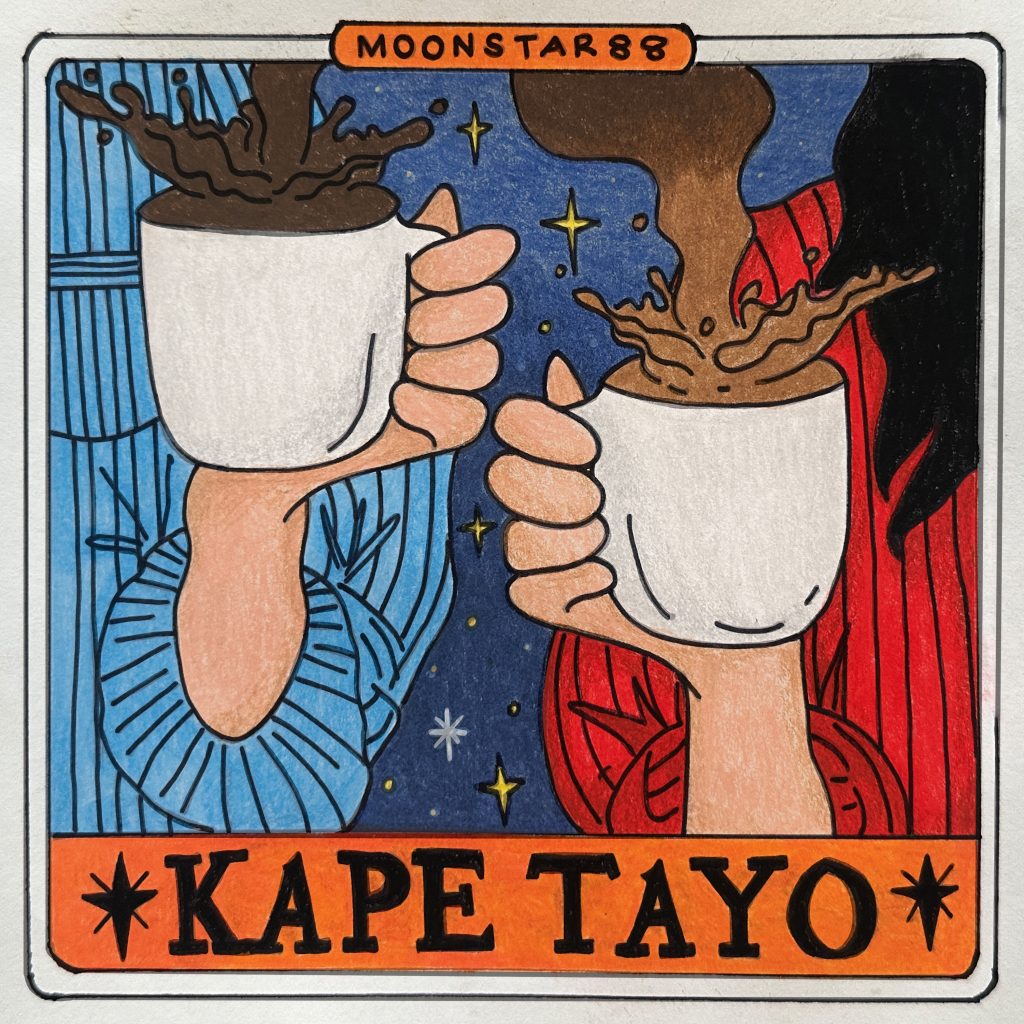
And right at that moment you’re starting to feel hopeless because of the somber implications of “Ding Dong,” “Kape Tayo” enters your senses, offering…hope. The song is a light-hearted yet heavily romanticized view of a coffee date and the getting-to-know moments it entails. The addition of a string section—violin, cello, and viola—makes the song all the more romantic. Send it to someone you’re looking to invite on a first date, if you dare. Like “Ding Dong,” “Kape Tayo” is less a question than a provocation to make room for someone in your life.
Just when your hopes are up, the next track offers fair warning. Not all relationships end in flying colors, and “Wala Nang Kulay” as the title (translated: ‘No More Color’) suggests, explores that phenomenon. The song was co-written by Maysh and Kamikazee’s Led Tuyay.

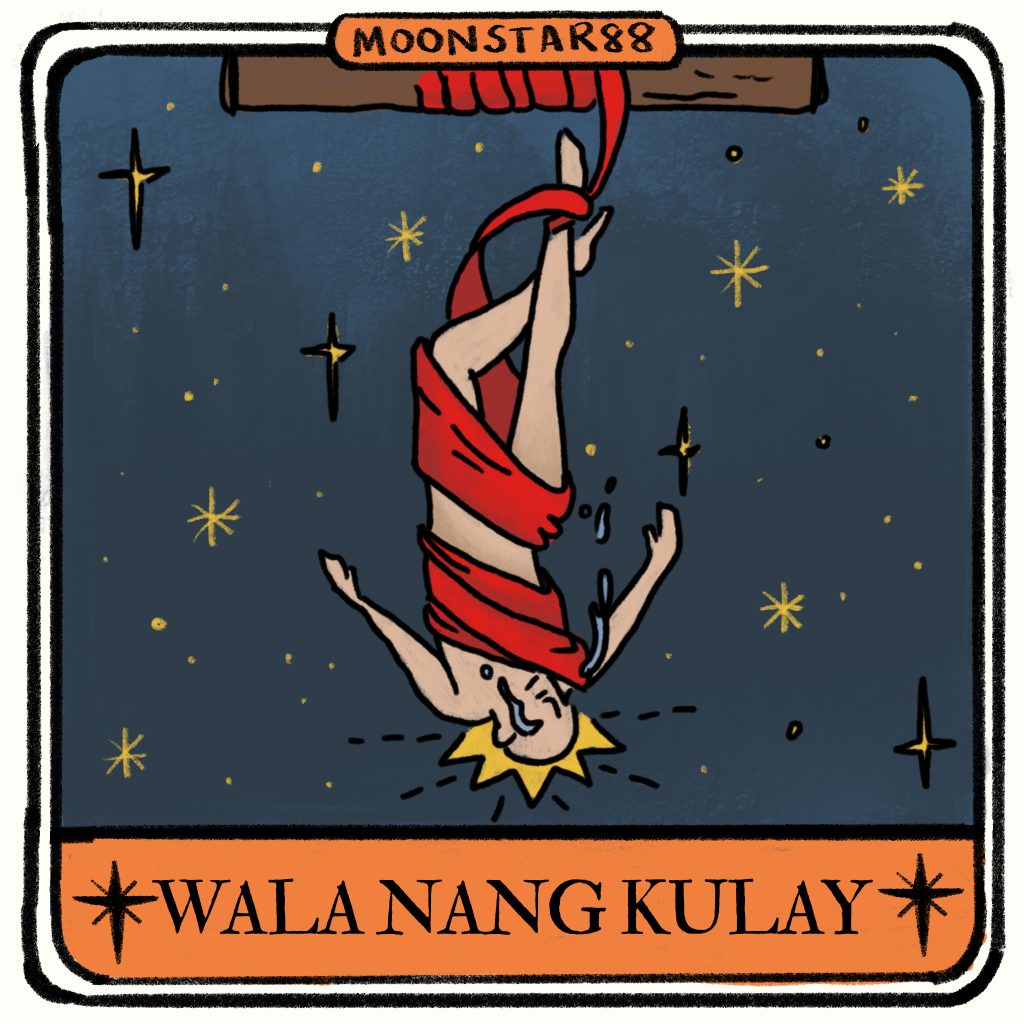
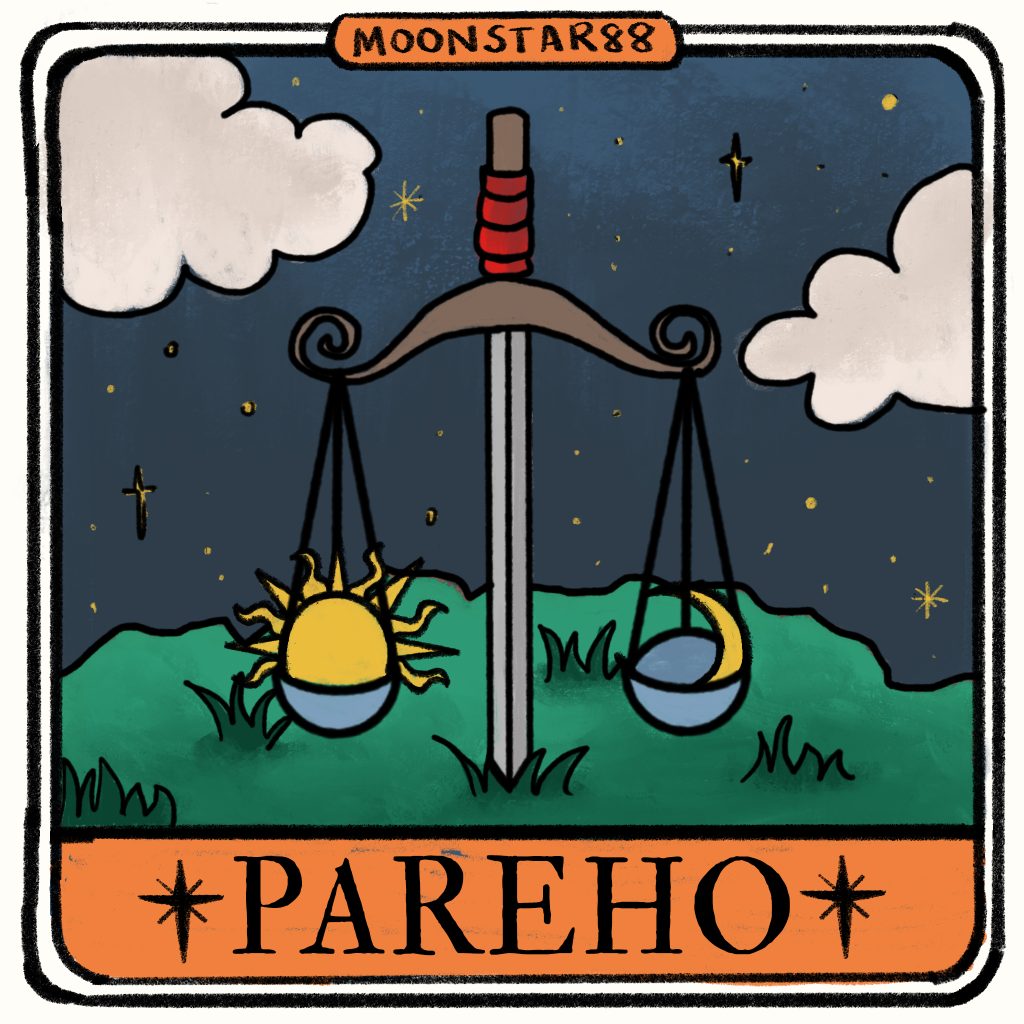
Both “Wala Nang Kulay” and “Pareho” tackle complexities of being in a relationship, but on different levels. Maysh co-wrote “Wala Nang Kulay” with Kamikazee’s Led Tuyay. (Photo: Jill Tan Radovan)
“Pareho,” on a lighter, more cheerful note, further delves into the complexities of being in a relationship. It’s an easy listen that implies, perhaps, things aren’t so bad at all, even if they’re not perfect or the way you want them to be.
Within a split second after “Pareho,” the opening lines and slow-burning riff of “Ba’t Nagkaganyan” play. Before the song even hits a crescendo, you just know listening further is going to hurt, but you listen anyway.
“Ba’t Nagkaganyan” (translated: ‘Why Did It Come to That ‘) is the perfect case study of what Moonstar88 is so good at—talking about the love you lost or the love that can never be, and the uncertainty and sorrow and pain that come with it. “Torete” and “Migraine” are older, well-known examples.
“Ba’t Nagkaganyan,” in straightforward fashion, asks a lover what the hell happened and why the heck that person gave up after showing so much promise.
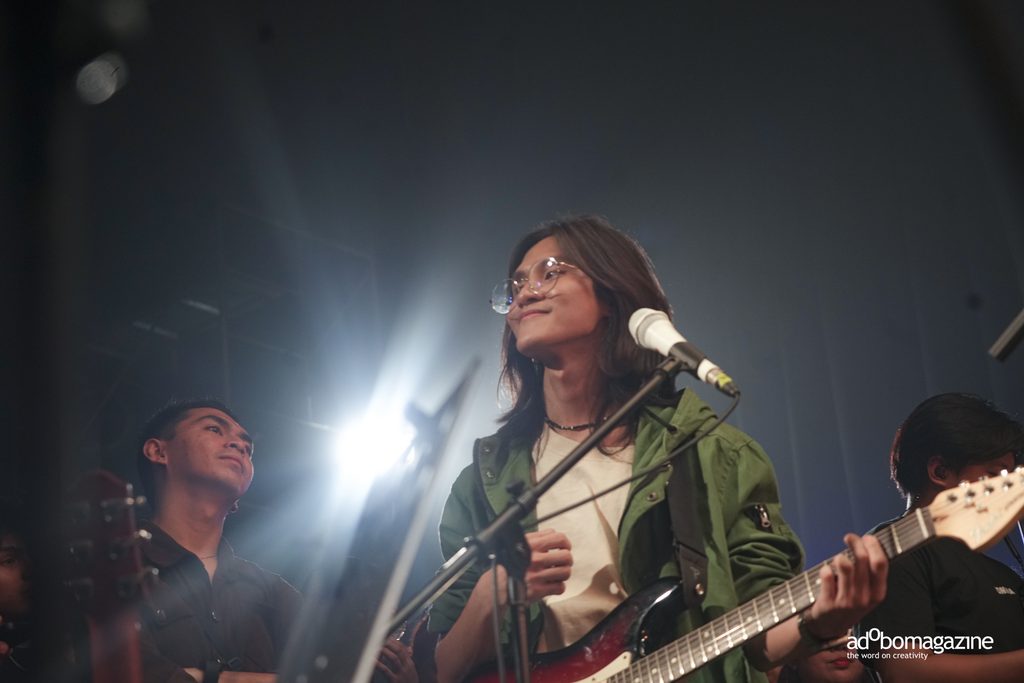

Moonstar88 session players: Better Days’ Nigel Aboy and Nim Garcia, and Gracenote’s Jazz Jorge (Photos: Jill Tan Radovan)
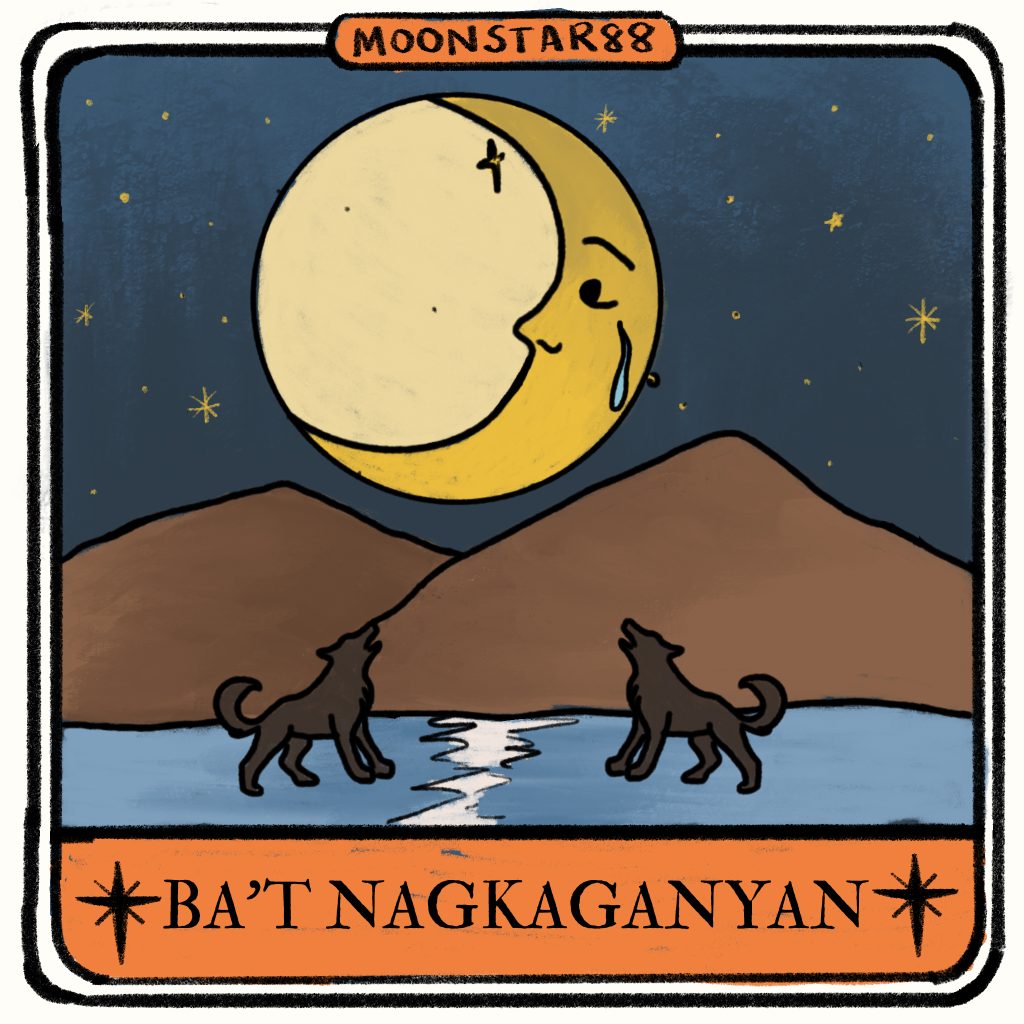
It stands in stark contrast to “Kape Tayo,” which Darwin Hernandez (composer of the band’s breakthrough hit, “Torete” ) also wrote. Close to three minutes in, you’ll hear Maysh almost screaming with intense emotion, complaining that after many sordid nights, she still doesn’t know what happened or why the relationship has come to an end.
The guitar cries with her—amplifying the feeling of longing, frustration, and confusion—and at this point you would be, too, if the song strikes a chord within. Don’t be surprised to hear the low, guttural sound of your bawling before the song ends. Just don’t post a video of you crying on TikTok, if you can help it.

On a lighter note
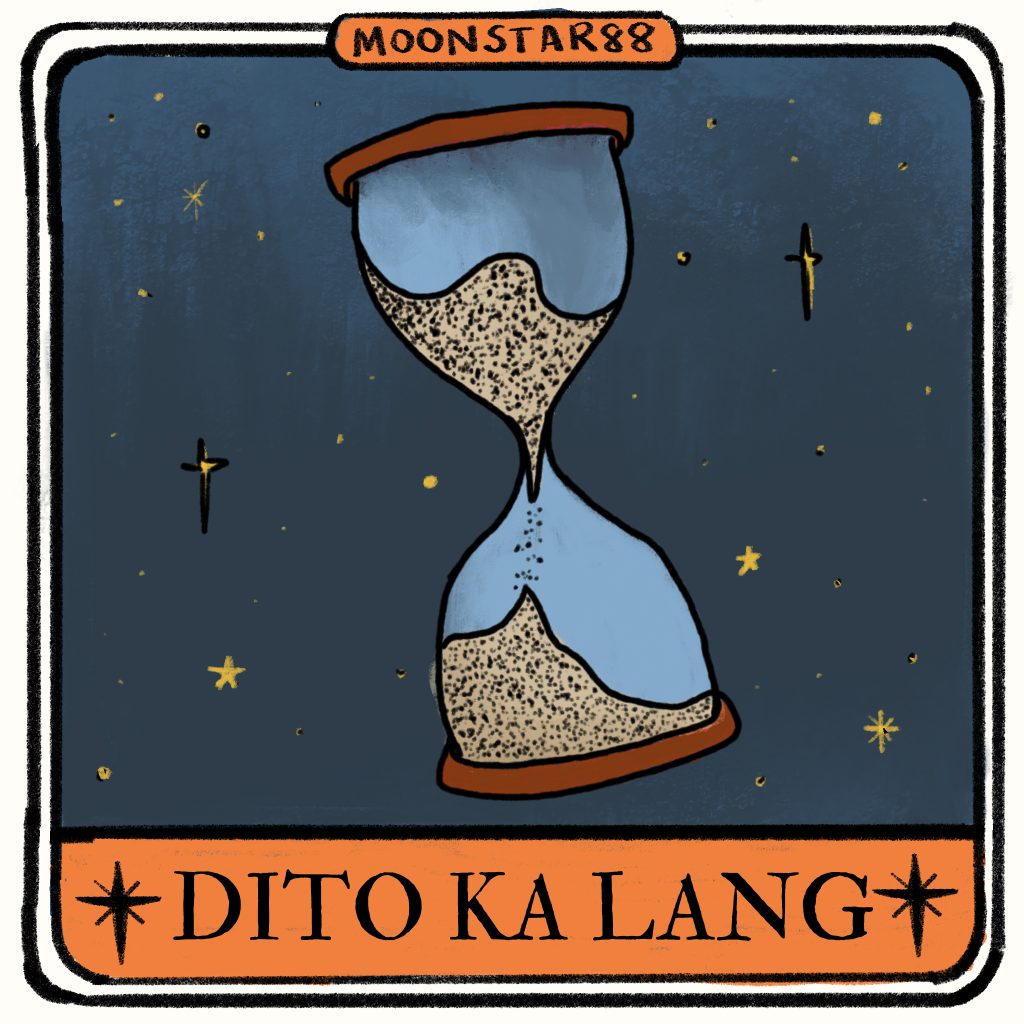
“Dito Ka Lang” is a gentle, desperate but tastefully packaged and optimistic last-ditch attempt to make someone stay, if only to tell the person how you feel. It’s the calm inside the storm after the turbulence-inducing “Ba’t Nagkaganyan,” the balm to soothe the gnawing in one’s heart.
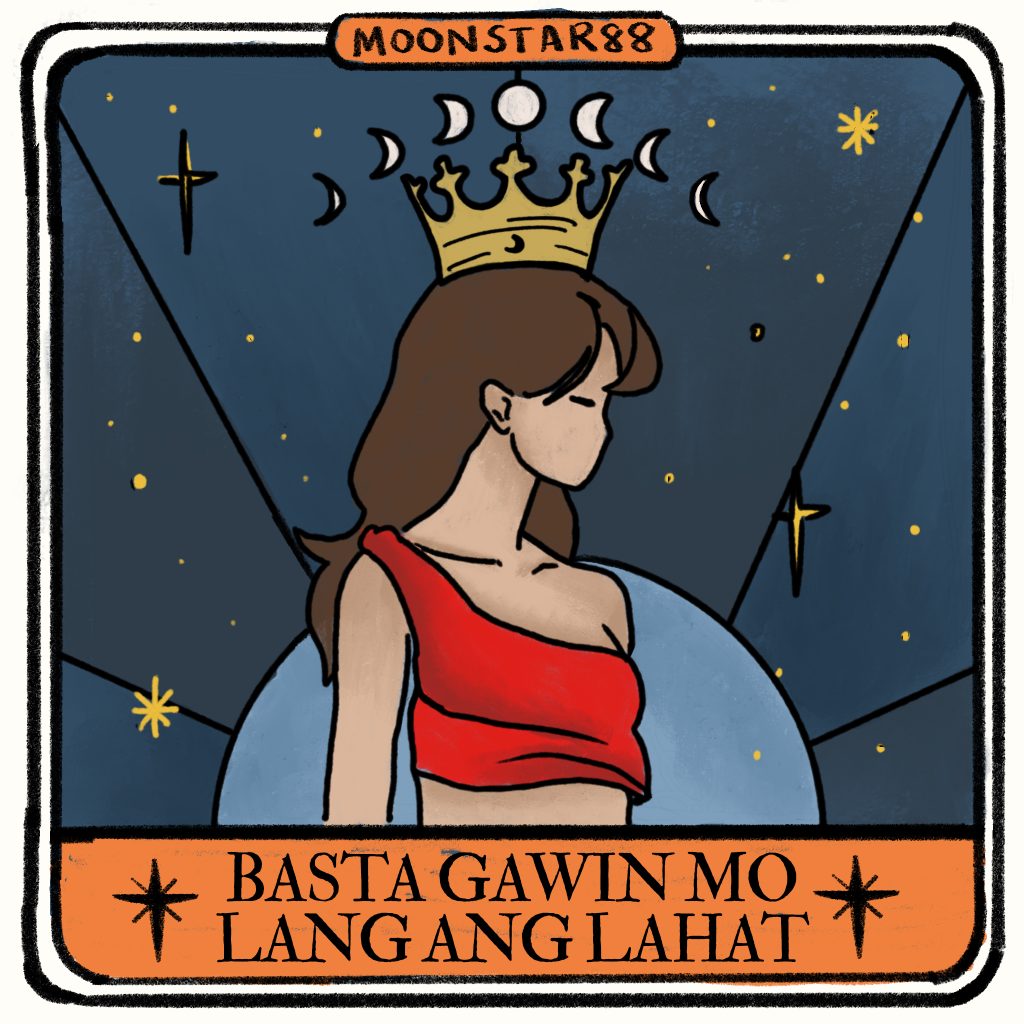
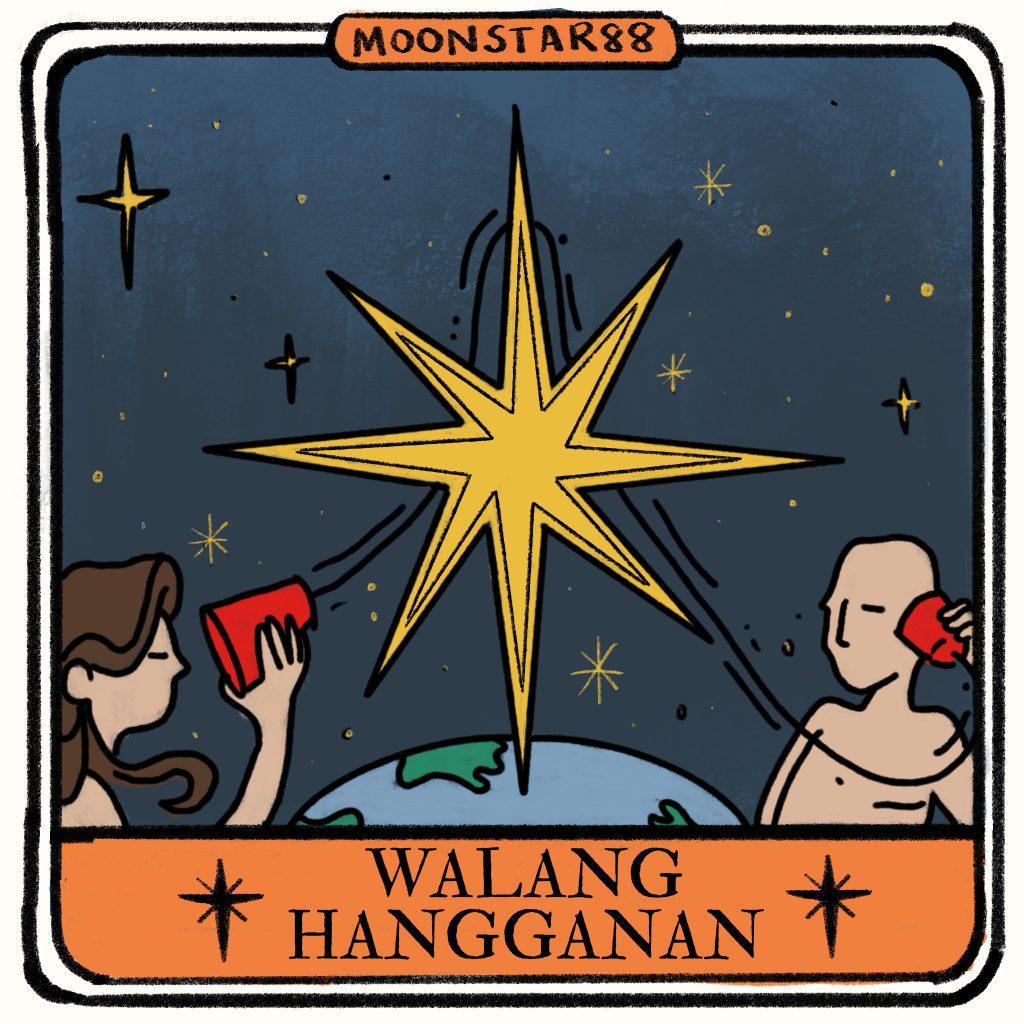
One after the other, “Walang Hangganan” and “Basta Gawin Mo Lang ang Lahat” offer the same brand of optimism, albeit in different ways: the former celebrates the promise of an enduring, unwavering love, while the latter draws on a mother’s advice to embrace life with resilience and positivity—very Filipino.
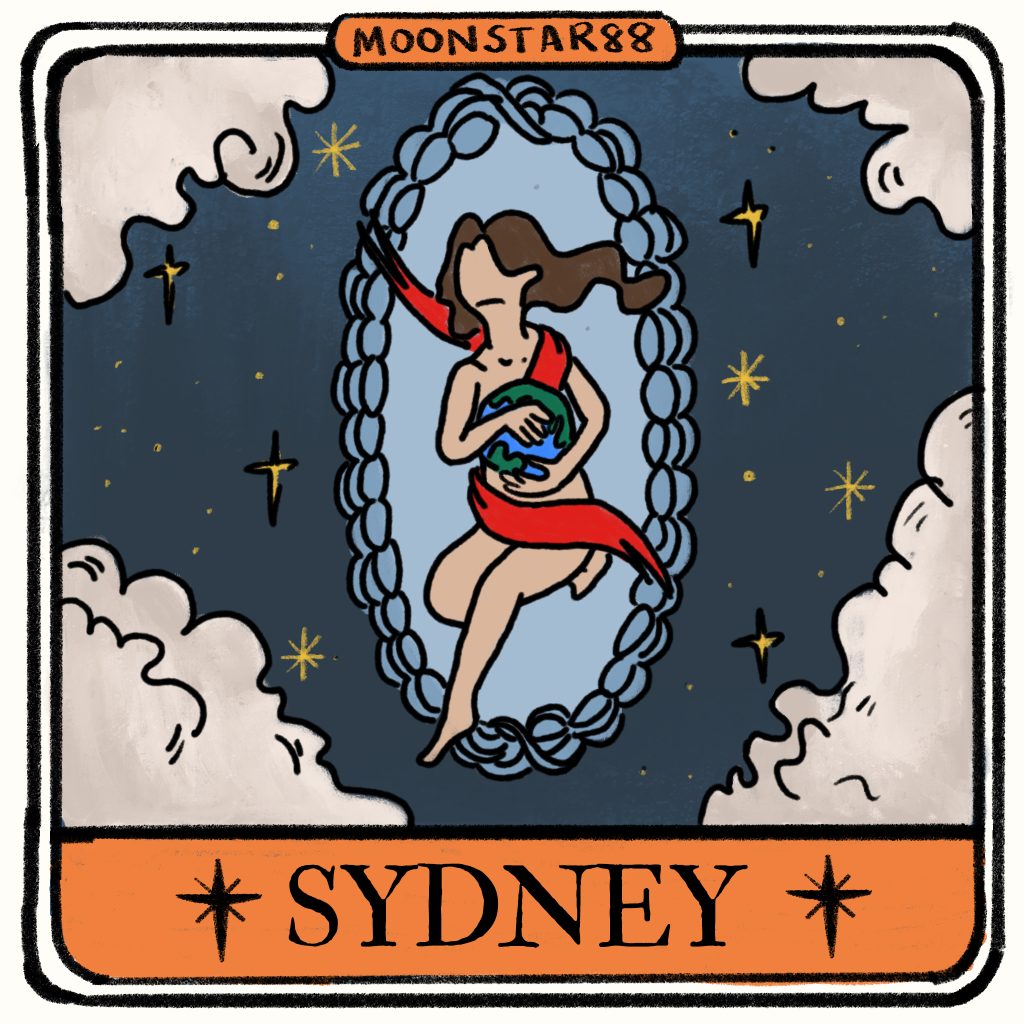
“Sydney,” written by Herbert, follows through with that Pinoy attitude of resilience, but this time channeled into giving a long-distance relationship a fighting chance, despite the odds. It starts slow, raw, and seemingly stripped, until it inches closer to the chorus and the lead guitar adds more urgent, rock-driven, yet melodic flourishes. The song moves from somewhat restrained to fuller and more forceful passages, with the bright sound of a synthesizer softening the rougher parts and keeping the overall feel in check.
The title track and also the last, “Habambuhay,” complements “Walang Hangganan.” The titles are almost synonymous, and the messaging, homogeneous. Both songs were written by drummer Bon Sundiang, admittedly, for his wife. “Habambuhay,” however, stands on its own as a poignant, sentimental, saccharine-sweet, devotional ode to the one.
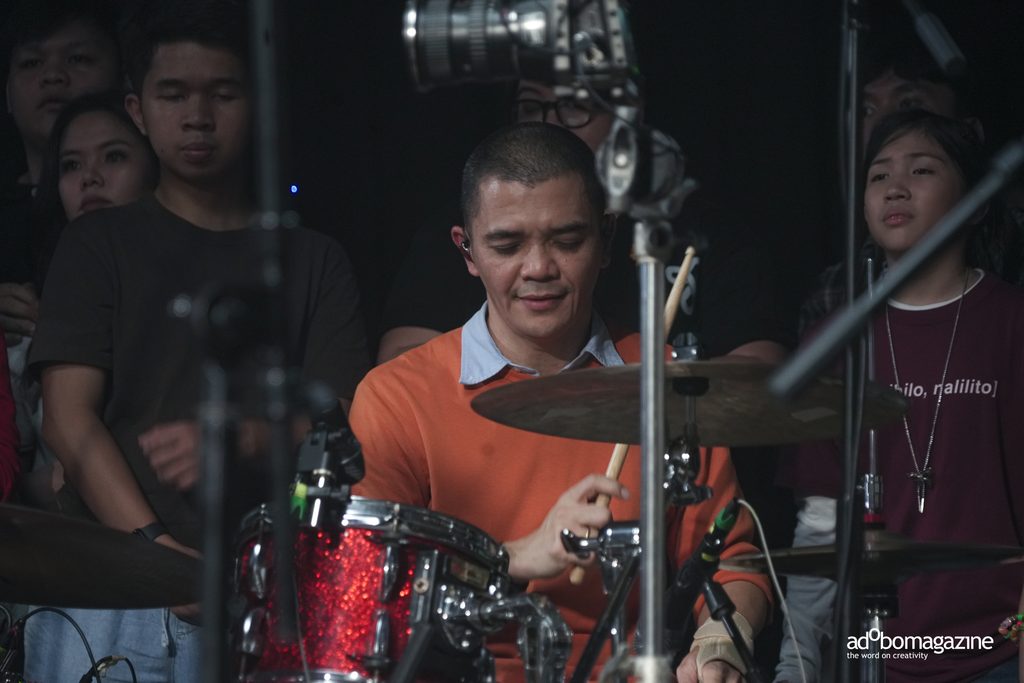
Bon Sundiang wrote “Walang Hangganan” and “Habambuhay.” Both songs are rooted in the idea of everlasting love. (Photo: Jill Tan Radovan)
“Ikaw lang ang tangi, aking palagi. Ikaw ang liwanag sa mundong madilim (You’re the only one, my always. You are the light in a dark world),” the pre-chorus says.
The song is, evidently, a promise to love someone day and night, for better or worse—forever.
It speaks of a love that comes very rarely in one’s lifetime, and that others have yet to find.
Nothing is certain in this world
Habambuhay, Moonstar88’s latest album, effectively explores different facets and ills of the human condition, but more pointedly, the highs and lows of love—lost and found. It is, quite literally, music to your ears that can plant a stake in your heart, too.
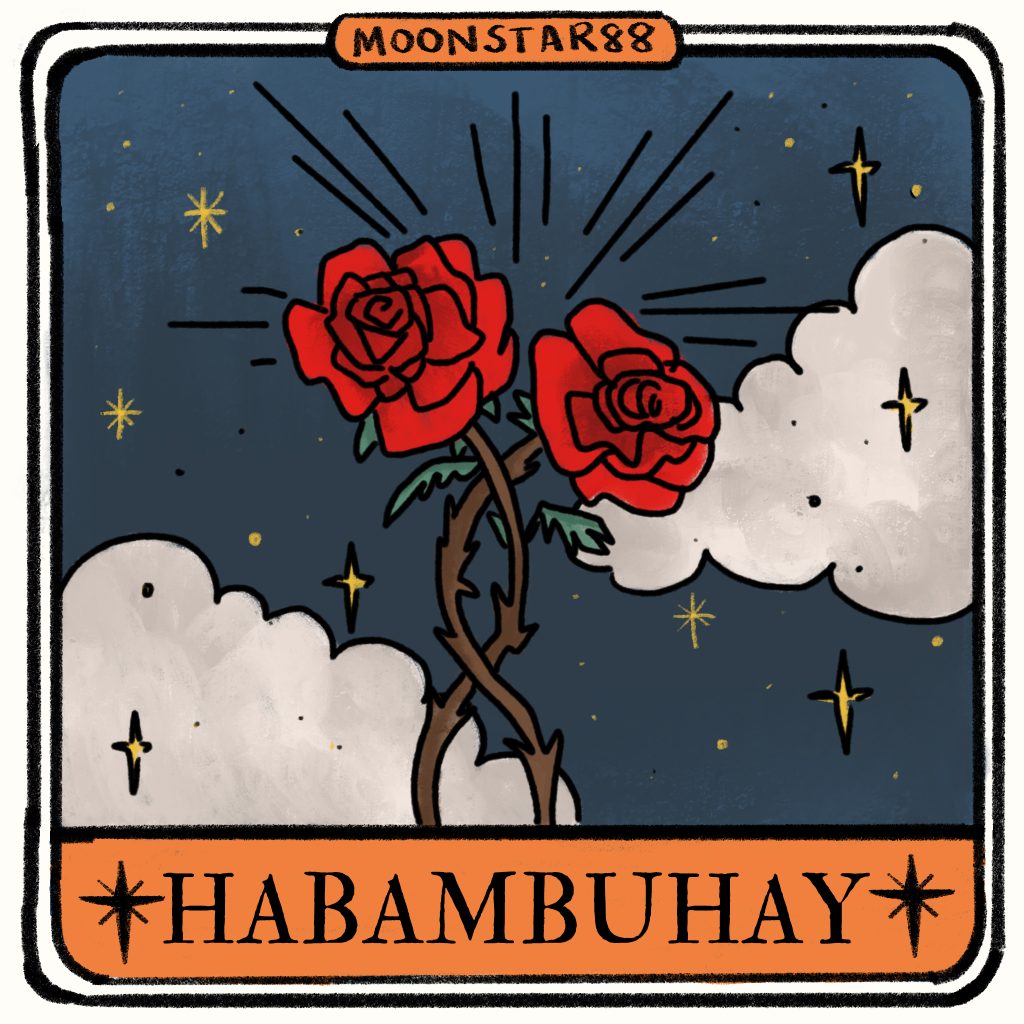
Designed by Nina Ledesma under the creative supervision of Paolo Mañalac, the album art is a set of tarot card-like single covers, hinting at the uncertainty of everyday life and the human desire to peer into one’s eventual fate.
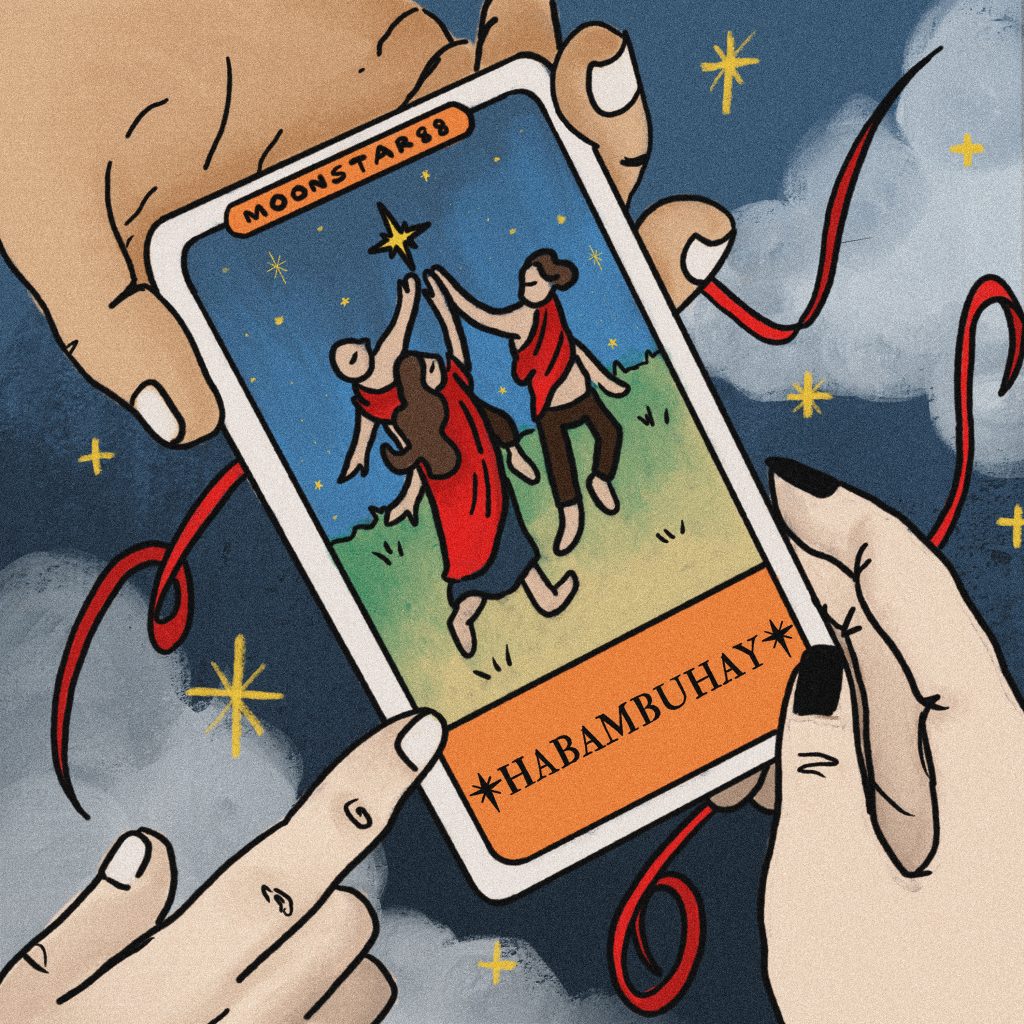

Album cover art of ‘Habambuhay’ by Nina Ledesma; Bon, Maysh, and Herbert of Moonstar88
Across its 13 tracks, the album takes listeners on an emotional rollercoaster, shifting from optimism to disillusionment, from heartache to hope. It does so with unmistakable sincerity that resonates with OPM (Original Pilipino Music) listeners, and with fluid yet diverse musical arrangements that echo a myriad of emotions, allowing such emotions to build, unfold, and ultimately find release.
Habambuhay is exclusively released through Universal Music Philippines. It is available for streaming on major streaming platforms.
READ MORE
MONDO’s new EP traces the emotional terrain of love, loss and becoming
Quiet, loud, Pinoy proud: Alternative rock band Pixies brings beautiful chaos to Manila debut
Revisiting emo—and why it cuts deep—after the Playback Punk, Rock, & Emo Music Festival