


There is an assumption so deeply embedded in marketing that most practitioners never think to question it: that what worked before will keep working.
For decades, the formula was clean. TV, print, radio, out-of-home. Build the brand, protect the message, buy the attention. Dennis Perez spent the first half of his 25 years at Unilever working with that formula. Then the world changed, but the formula did not.
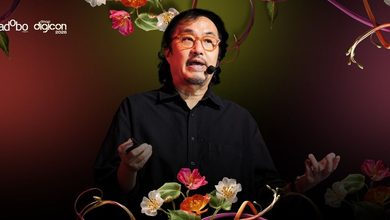
Dennis — Head of Marketing for Beauty and Wellbeing at Unilever Philippines, and the man shaping how the legacy brand approaches beauty across Greater Asia — delivered the opening keynote at the 2026 Philippine Advertising Conference in Mactan, Cebu.
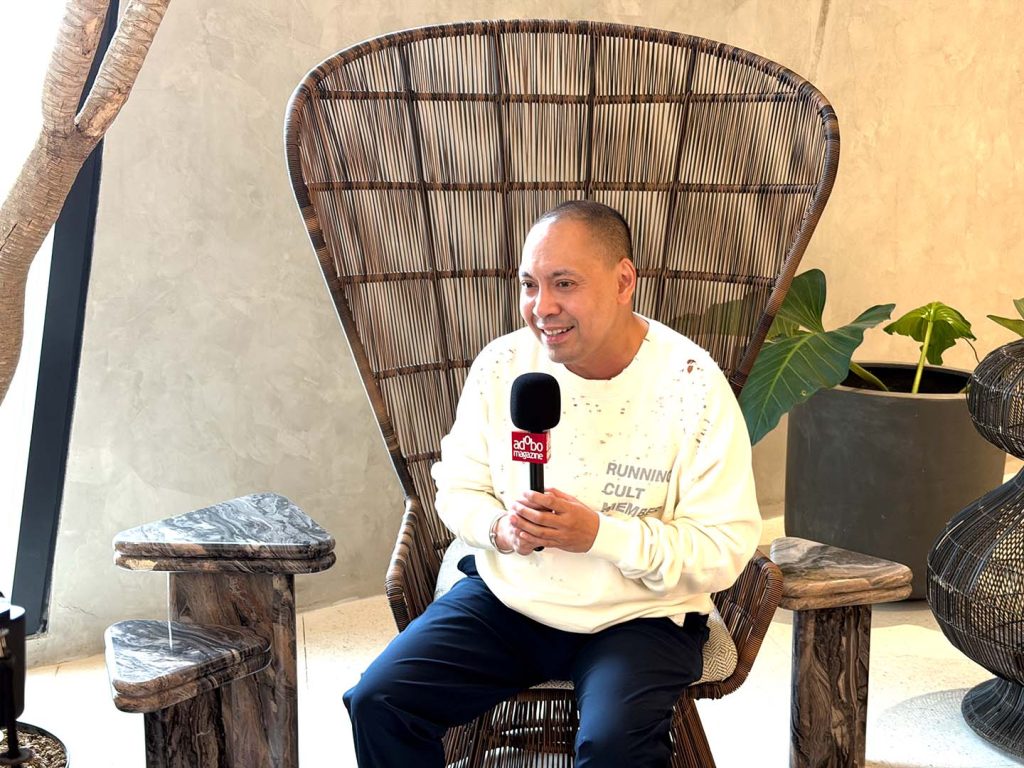
In his pointed and rousing talk, he stressed how he has spent the past few years “dismantling” that archaic formula — through culture-led marketing and intelligent cultural positioning. But before he could argue for either, he had to define them. And the definitions, it turns out, are where everything else begins.
Culture-led marketing and cultural positioning
Culture-led marketing, Dennis explained, is built on a simple but demanding idea: that every person navigates the world through two lenses simultaneously. The first is inherited — shaped by upbringing, geography, and the values instilled before you had the language to name them. The second is interest — the communities you choose, the passions you pursue, the identity you actively build.
“Culture-led marketing happens when we look through both lenses at the same time.”
Most brands, he argued, only ever look through one. Translating a campaign into Bisaya is inherited-lens thinking. Understanding why two Cebuanos can experience Sinulog in opposite ways — one in the streets, one quietly at home with family — is culture-led thinking.
Cultural positioning is what gives that thinking a strategic home. Where brand positioning defines what a product delivers functionally and emotionally, cultural positioning plants a brand inside the lived reality of its audiences — in their communities, their conversations, and the way they see themselves.
“Cultural positioning defines who the brand is in culture, how it shows up, and why people should care about it through the lens of their own personal culture stack,” he told the Cebu audience.
Listen before you brief
That distinction, Dennis said in an exclusive interview with adobo Magazine, fundamentally changes who needs to be in the room when a brand is being built — and who that room even includes.
“When you shift from brand positioning to cultural positioning, it becomes more important that you also collaborate externally with real people,” he explained. “We’re now pulling in creators as early as product development — when they see the product, they tell you how they see it on their feed. That gives you a very different insight versus just looking at it from a business strategy or a creative strategy.”
The Cream Silk Queens campaign is where that philosophy produced something genuinely electric — and where the real story behind it reveals just how deep that collaboration has to go.
The brand had spent past decades synonymous with Philippine pageant winners who wore real beauty queen crowns. The question Dennis and his team sat with wasn’t how to refresh the imagery. It was how to honor a word that an entire generation had already quietly rewritten. They didn’t arrive at the answer inside the boardroom. They arrived at it by paying close attention to how people — real people, not focus groups — were actually using the word.
“For Gen Z and Gen Alpha, anyone doing well in their field could be a queen,” said Dennis. “And queen is not even a definition of gender.” That wasn’t a strategic insight handed down from a brief. It was something culture had already decided — and the brand’s job was simple: to listen well enough to hear it.
From there, the campaign was built outward, across communities rather than at them.
Creators from the drag scene, from sports, from fashion, from pop culture — each found their own entry point into the same idea. The casting of Kathryn Bernardo and Nadine Lustre gave the campaign its cultural hook, activating the very public tension between two of Philippine entertainment’s most influential personalities. But the insight that made the team confident before a single frame was shot had nothing to do with either of them.
Every woman already has a crown. It’s their hair.
“That’s why that hagod hair moment was conceptualized — because of that insight,” Dennis remarked, recalling the early stages of the campaign. “When Kathryn and Nadine appeared side by side in the film, the internet didn’t need to be told what it meant. People said, ‘Oh, this is a queen moment.’ And that’s what they replayed — organically.”
Nobody briefed them to say that. That, he would argue, is exactly the point.
Crafting smarter briefs and building trust
Which is what makes the art of crafting a brief itself so consequential — and so easy to get wrong, especially in today’s creator-driven landscape.
Dennis’s philosophy has shifted radically over two decades. “You give them the brand’s distinctive assets, the message, the tonality,” he explained with unmistakable confidence. “But then leave it to them. Let them cook the final dish.” The brief is an ingredient list. What the creators do with those ingredients is not the brand’s decision.
“I’ve seen wonderful content just by leaving creators alone and letting them do their craft,” he added. “They know their audiences better. Their narrative connects more than when you control it.”
All of this leads to the admission that sits at the center of everything Dennis has built — and everything he has had to unlearn.
At Unilever Philippines, the shift has been made visible in something as seemingly minor as a title change. Brand managers have now become brand leads. A manager controls, while a lead orchestrates.
“Just like a conductor,” he illustrated, “I need to rely on my violin soloist to do that aria quite well. The execution — you need to let go a bit.”
For someone shaped by decades inside a company whose entire value rests on the strength of its brands, handing the narrative to a creator — watching it come back shaped differently than imagined, and sitting with the realization that the difference is precisely what makes it work — requires a kind of institutional humility that does not come naturally.
“Even if you don’t create ads, for sure there are people creating ads for you,” he said. “So you need to let culture push the brand forward rather than your strategy pushing it.”
He is careful to draw the line between trust and abdication. Letting go, he says, is not the same as walking away. “It’s not, ‘lose control, bahala na kayo.’ There’s a lot of planning that you need to do. But when it comes to execution, you just need to let go and let it roll.”
And yet, underneath all the planning, all the frameworks, all the organizational rewiring — what it ultimately comes down to, he admitted, is trust.
At this point, Dennis pauses, searching for the right words, before arriving at a humbling realization.
“Marketing is about losing control. And I think it’s the most difficult thing that any brand lead would need to go through.”