

Juvenal Sansó could have spent the rest of his life in Europe.
He built an international career, exhibited abroad, and saw his works enter major collections in Europe and the United States. Yet wherever his career took him, the Philippines remained part of the way he saw and made art.
It was here that he studied, experienced war and displacement, formed friendships with Filipino artists and collectors, and began developing the visual language he would carry with him for decades. Much later, it was also the country to which he entrusted his collection and the work of the foundation bearing his name.
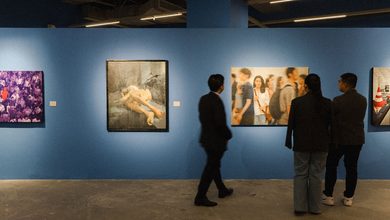
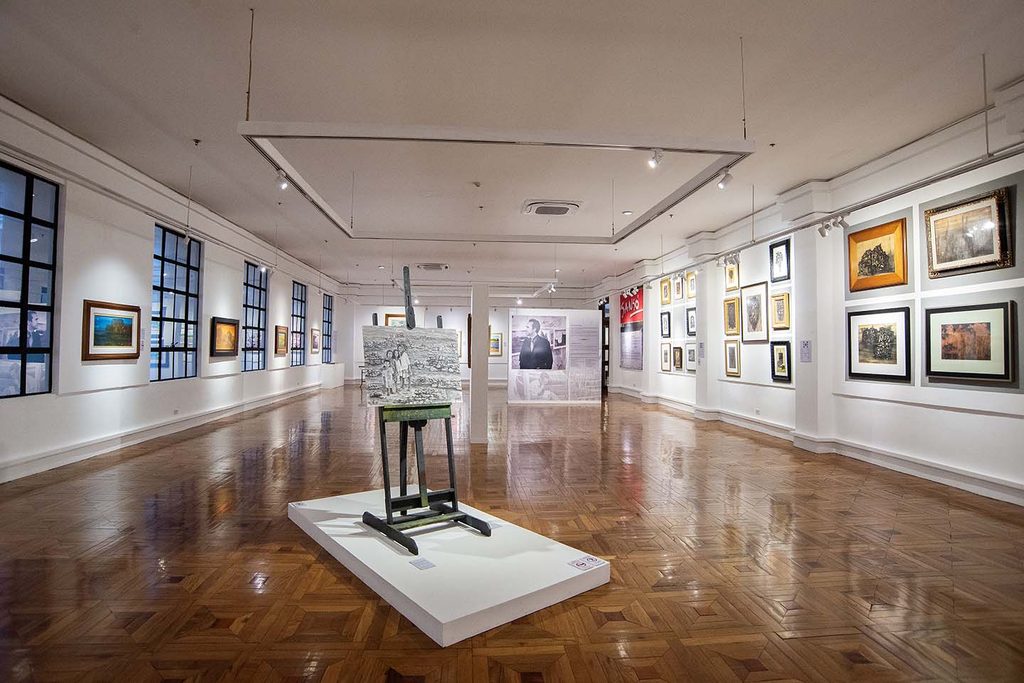
That relationship is the focus of SANSÓ: Pusong Pilipino, a major exhibition presented by Fundacion Sansó in collaboration with the National Museum of the Philippines. Featuring nearly 100 works from an artistic career of more than 70 years, it is Sansó’s first solo retrospective at the National Museum of Fine Arts.
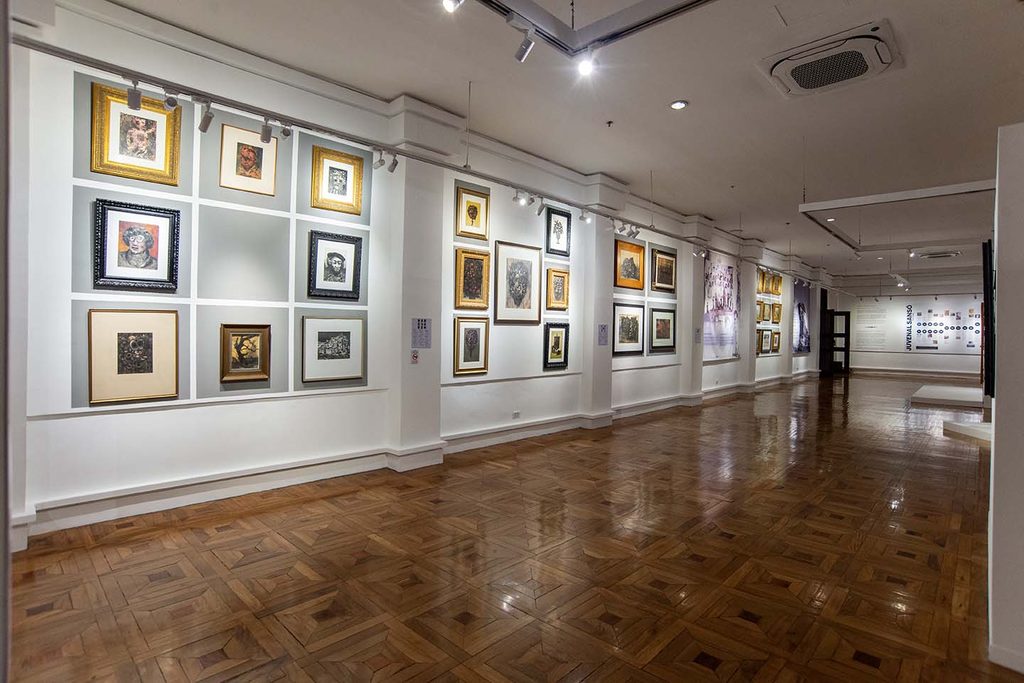
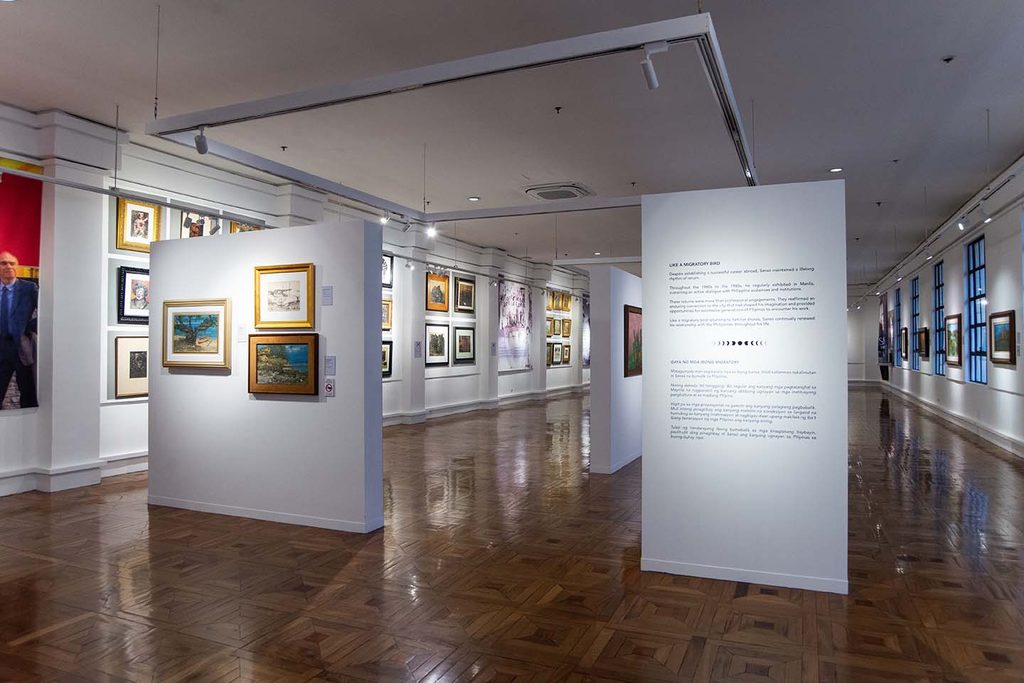
For curator and Fundacion Sansó director Ricky Francisco, the exhibition called for more than arranging the works by date.
“Rather than focusing solely on chronology, the exhibition examines the many ways in which Sansó’s artistic identity was shaped by the country he ultimately chose as home, and why he entrusted both his collection and his advocacies to the Filipino people through Fundacion Sansó.”
A long-awaited exhibition
The idea came shortly after Sansó’s passing, during a conversation between Francisco and National Museum director-general Jeremy Barns.
Despite Sansó’s long association with Philippine art, they realized that he had never been given a solo exhibition at the National Museum.
The question that followed was simple but important: “What is the legacy of Juvenal Sansó and why does it matter today?”
The resulting exhibition brings together works from the Fundacion Sansó collection and six private collections, supported by months of research into archives, photographs, publications, correspondence, and other records.
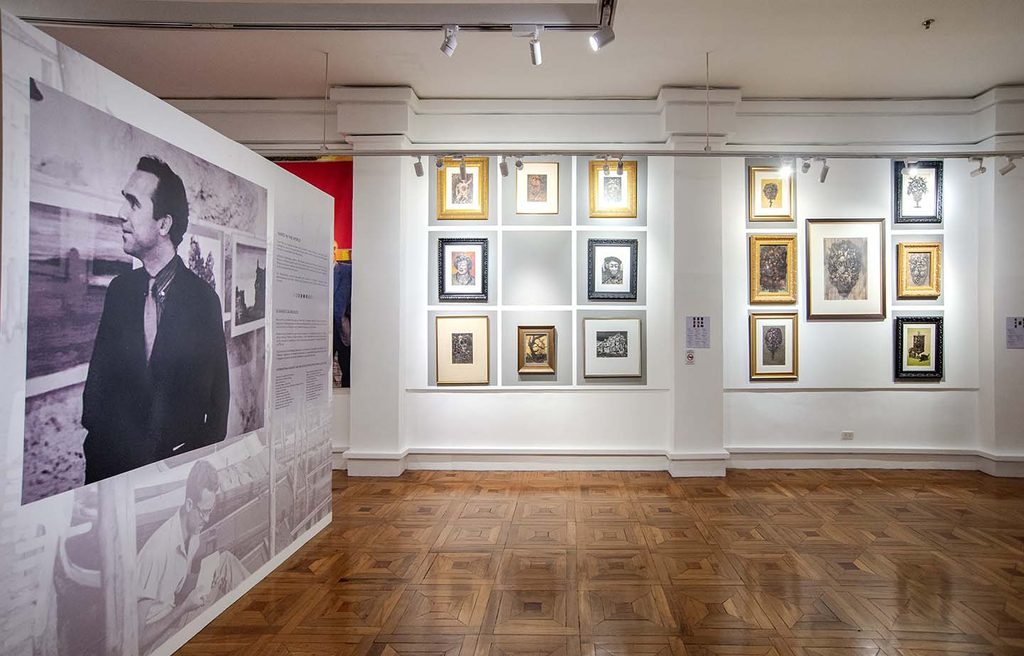
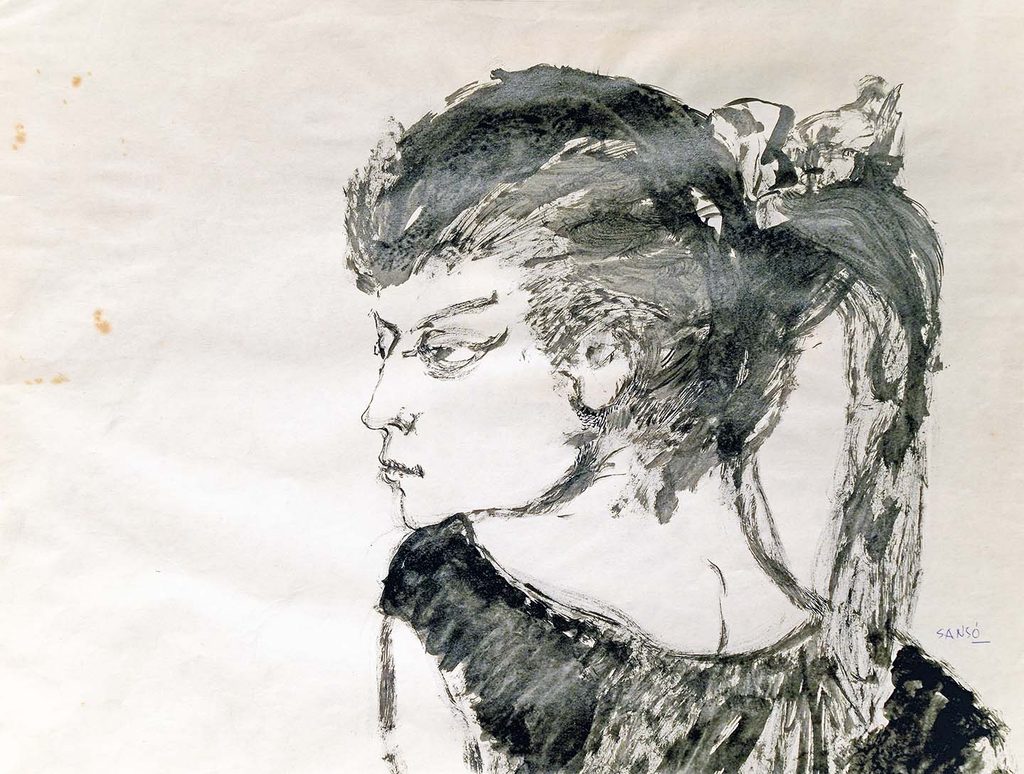
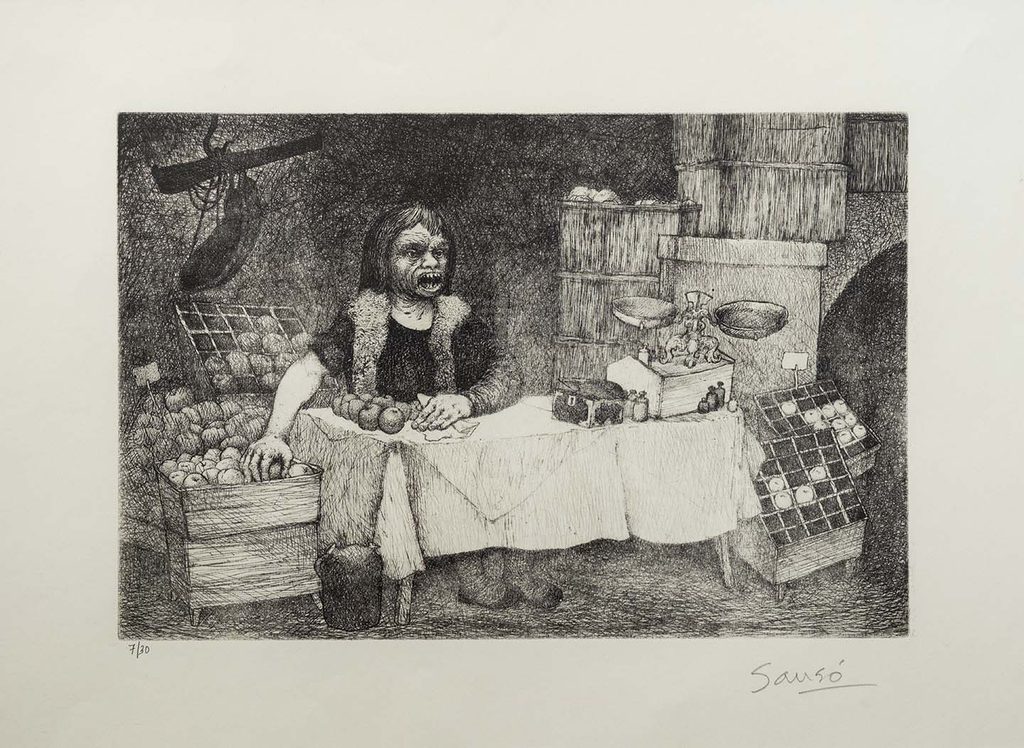
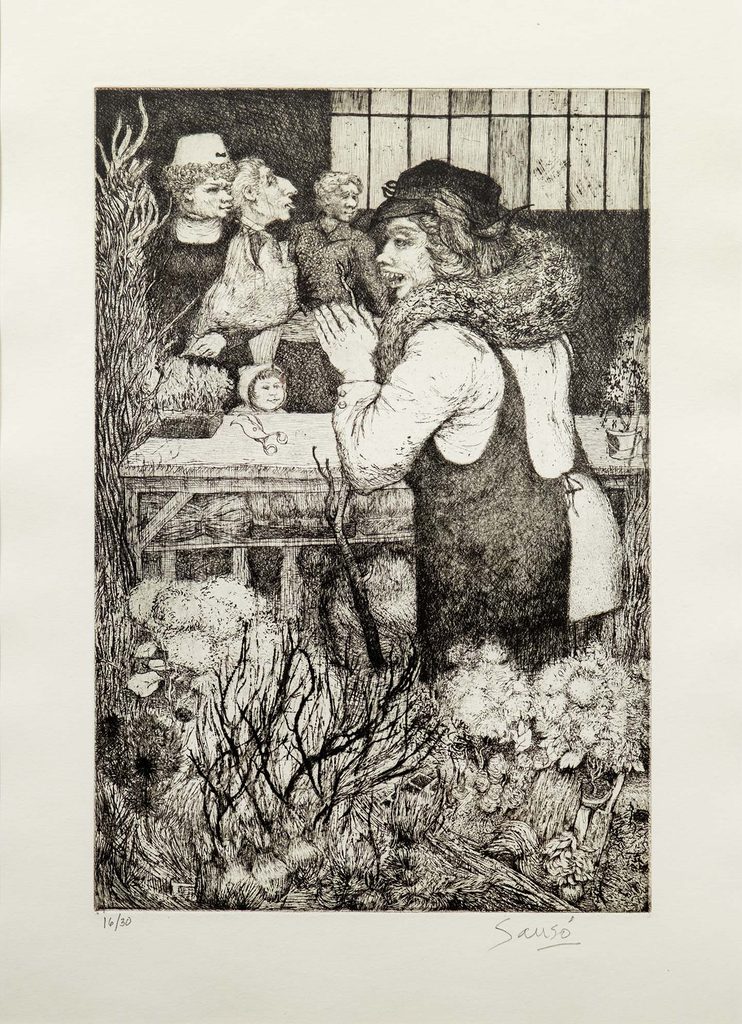
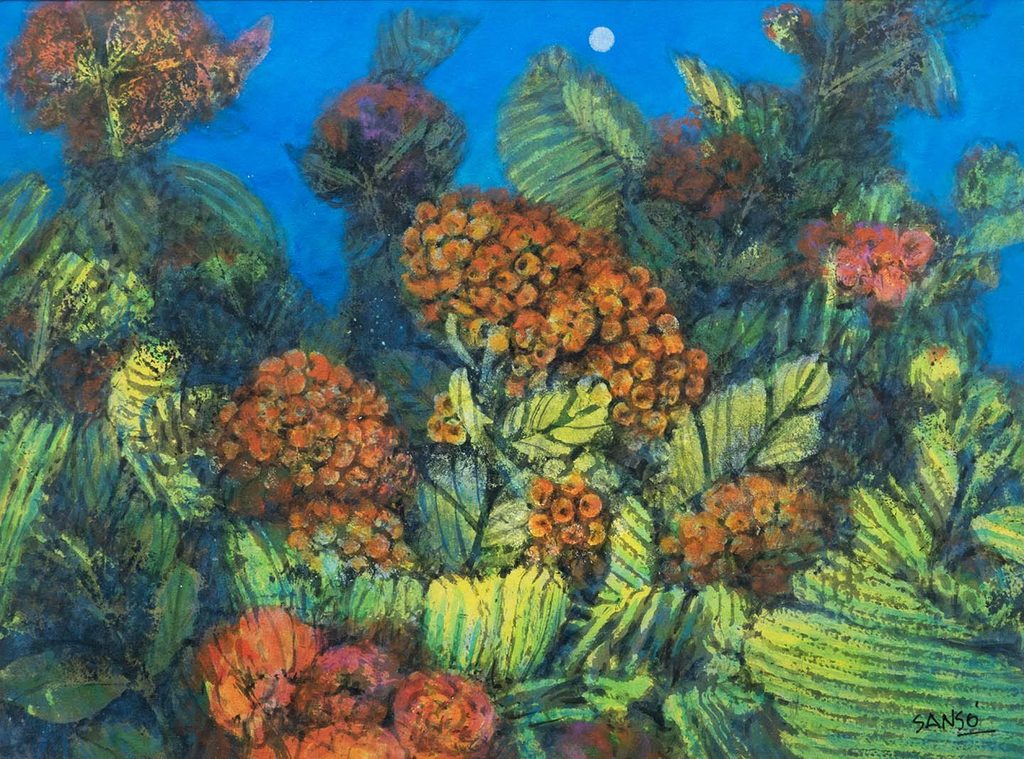
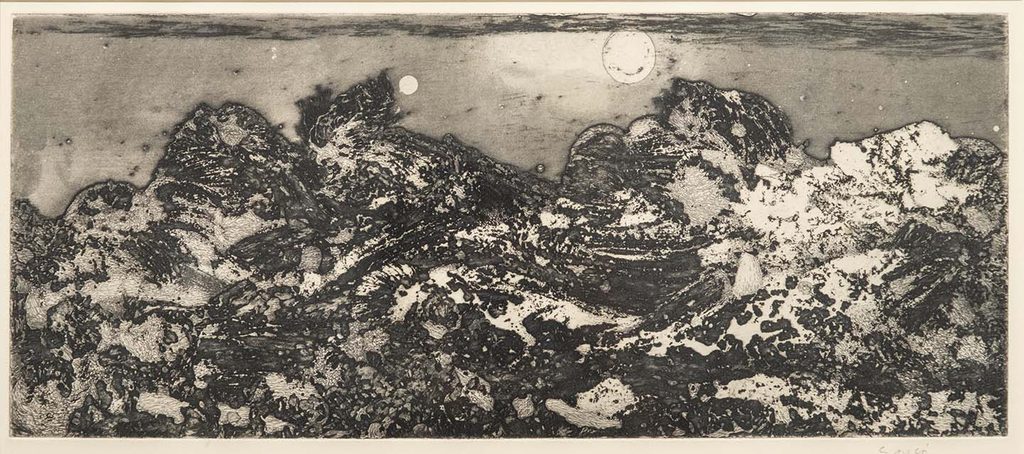
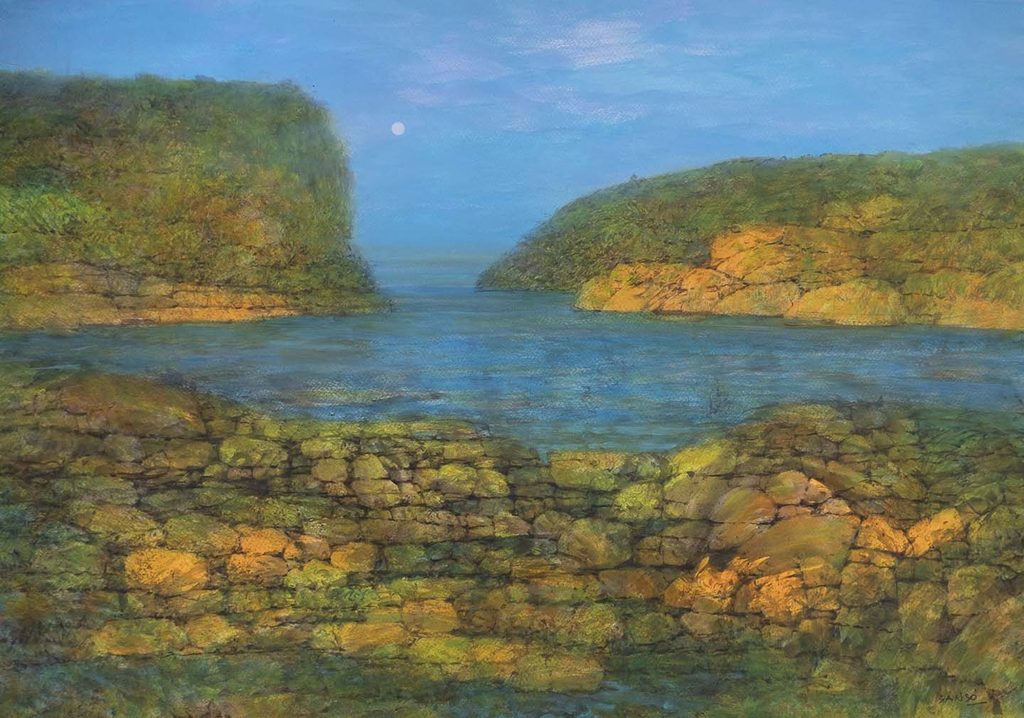
There are early works from Sansó’s student years at the University of the Philippines School of Fine Arts in the 1940s, figurative works, landscapes and seascapes, prints and collagraphs, floral compositions, textile designs, fashion illustrations, costume designs, and paintings from his later Moderno Series.
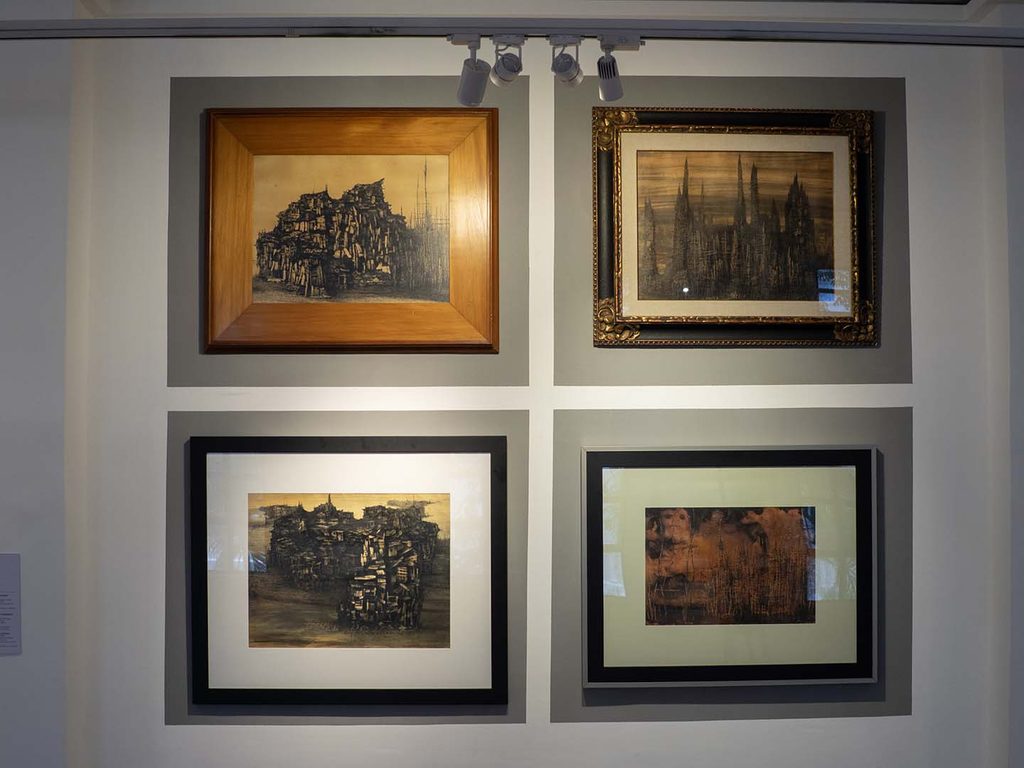
Among them are early Philippine landscapes and works from his Baklad, or fish trap, series, which would become important to understanding the landscapes for which he later became known.
“Visitors will encounter important examples from his early figurative period, works produced during and after his years in Europe, celebrated landscapes and seascapes, floral compositions, prints, collagraphs, and later paintings that demonstrate the evolution of his artistic vision,” Francisco says.
The Philippines in his visual language
Sansó was Spanish by citizenship, but his artistic consciousness developed in Manila.
When he came back to the Philippines in 1957 after several years in Europe, he looked again at familiar scenes with a changed perspective. Fish traps standing against water and weather caught his attention. Francisco explained during the exhibition opening that Sansó saw in these fragile structures both beauty and resilience.
The images stayed with him.
They eventually found their way into the visual vocabulary he carried overseas, including works associated with Brittany. The locations may have changed, but traces of what he had first observed in the Philippines remained.
Francisco describes this as one of the important ideas behind the exhibition.
“One of the exhibition’s most significant revelations is the extent to which the Philippines remained central to Sansó’s imagination throughout his life.”
That connection was also apparent in his continued relationship with the local art community. From the 1960s through the 1990s, Sansó regularly exhibited in the Philippines and maintained friendships with Filipino artists, collectors, and cultural workers.
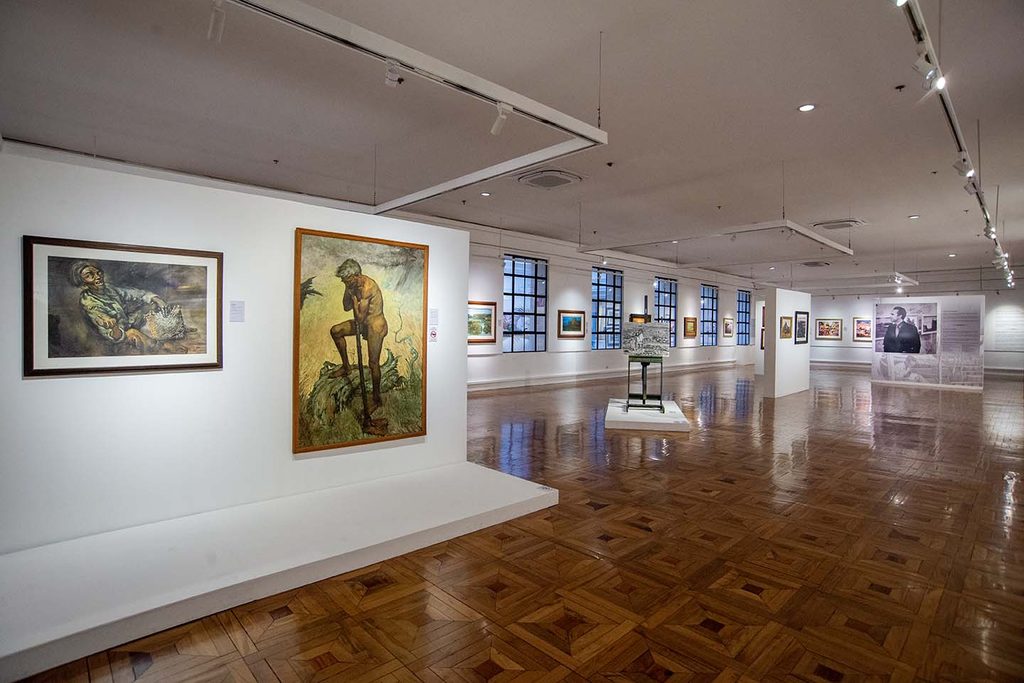
He also shared his knowledge with younger artists.
National Museum director-general Jeremy Barns said the retrospective recognizes an artist whose relationship with the Philippines continued throughout his life and international career.
Sansó “brought immense honor to us all here in the Philippines, to our country, to each of us, as Filipinos, through his lifetime of engagement with the country, our country, that he embraced as his own,” Barns said during the opening.
The exhibition has already drawn considerable public interest. National Museum of Fine Arts director Rica Estrada Uson shared that 39,295 visitors had seen the exhibition since it opened on Aug. 7 at the time of the reception.
It will remain on view through February 2027.
Giving his life’s work back
Sansó’s relationship with the Philippines did not end with the works he produced.
After settling in Manila again later in life, he turned much of his attention toward preserving his body of work and helping younger Filipino artists.
Fundacion Sansó was established to maintain his archives, authenticate his works, mount exhibitions, and provide educational and cultural programs. Its initiatives have since included scholarships, grants, exhibitions, research support, and programs for artists and cultural workers.
One of those who experienced that support firsthand is artist Gwen Dionisio, who spoke at the National Museum on behalf of her fellow Sansó scholars.
“For Mr. Sansó, this was never just about financial aid,” she said. “It was about breathing life into dreams.”
Dionisio recalled that before receiving support, she could afford only acrylic paint. The scholarship allowed her to buy her first set of oil paints, an opportunity that became an important point in her development as an artist.
Fundacion Sansó’s Tenie Santos said the organization has produced 39 graduates through its scholarship programs and now works with four partner universities. Its programs have also grown to include exhibition and curatorial grants, travel support, research grants, and a dedicated Scholars Gallery at its San Juan museum where scholars receive the proceeds from works they sell.
The programs offer another way of understanding what Sansó intended his legacy to become.
Not simply a collection of paintings bearing his name, but opportunities for other artists to continue making their own.
Welcomed as one of our own
The exhibition also marks the addition of six Sansó works to the National Museum collection through donations from collectors and Fundacion Sansó.
National Museum chairman Andoni Aboitiz said the works represent important points in the artist’s career, including examples of his printmaking, his Black Series, Brittany works, and florals.
Some came from collections overseas, making their donation to the National Museum a homecoming of their own.
For Francisco, the exhibition ultimately asks viewers to consider belonging in a way that has little to do with citizenship alone.
Sansó was born elsewhere. He traveled extensively. His career reached far outside the Philippines.
But he made the country part of his art, came back to it throughout his life, and eventually left much of what he had built in the care of its people.
After more than seven decades, his work now hangs in the National Museum not merely as that of an international artist who spent part of his life here, but as part of the continuing story of Philippine art.
As Francisco puts it, “In many ways, this exhibition is the Philippines finally welcoming him as one of our own.”