
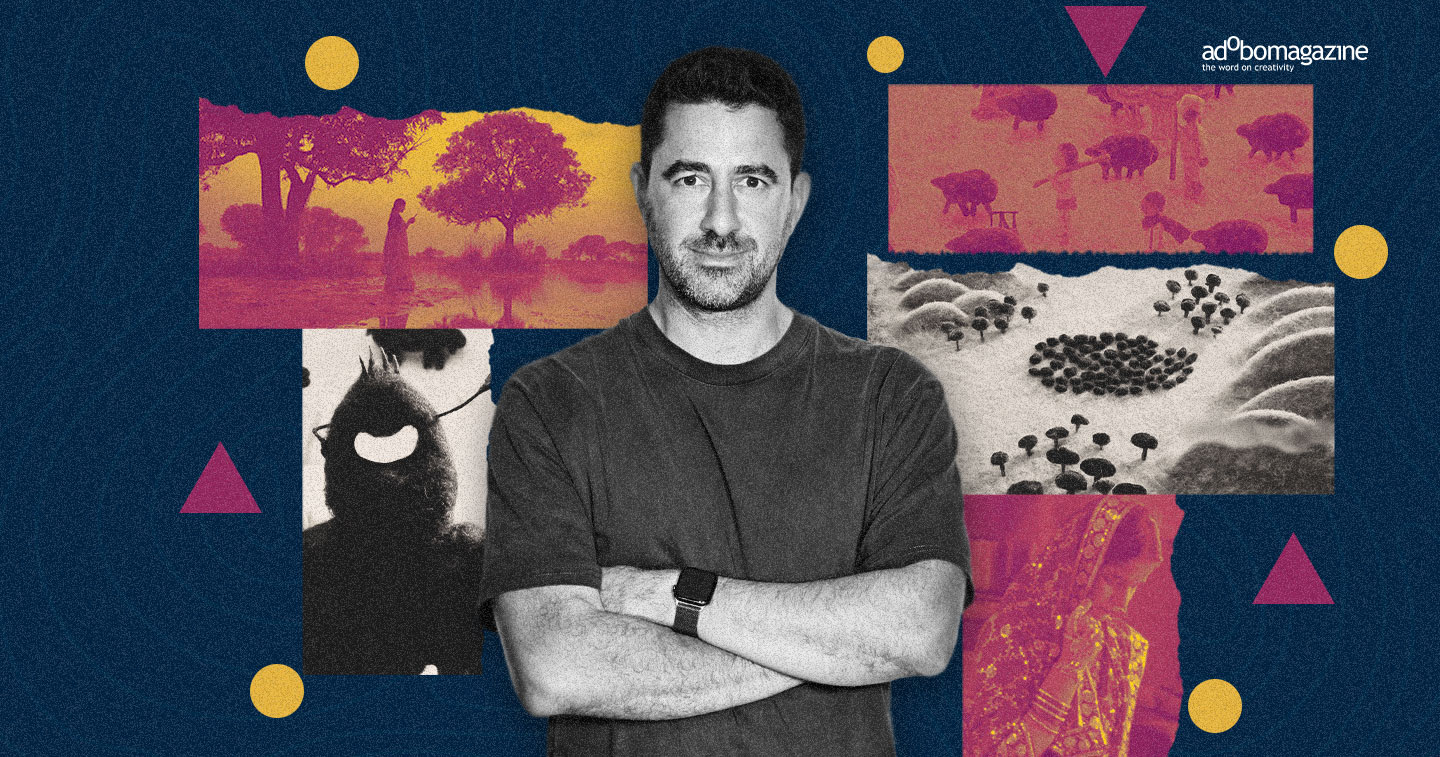
Michael Ahmadzadeh has a simple test for craft: you shouldn’t notice it.
As Partner and Executive Producer at electriclime MENA and APAC, and Jury President for Film Craft and New Director at ADFEST 2026, he’s spent his career watching what separates a film that lands from one that merely exists. And his answer is consistent and counterintuitive: the best craft disappears into the story.
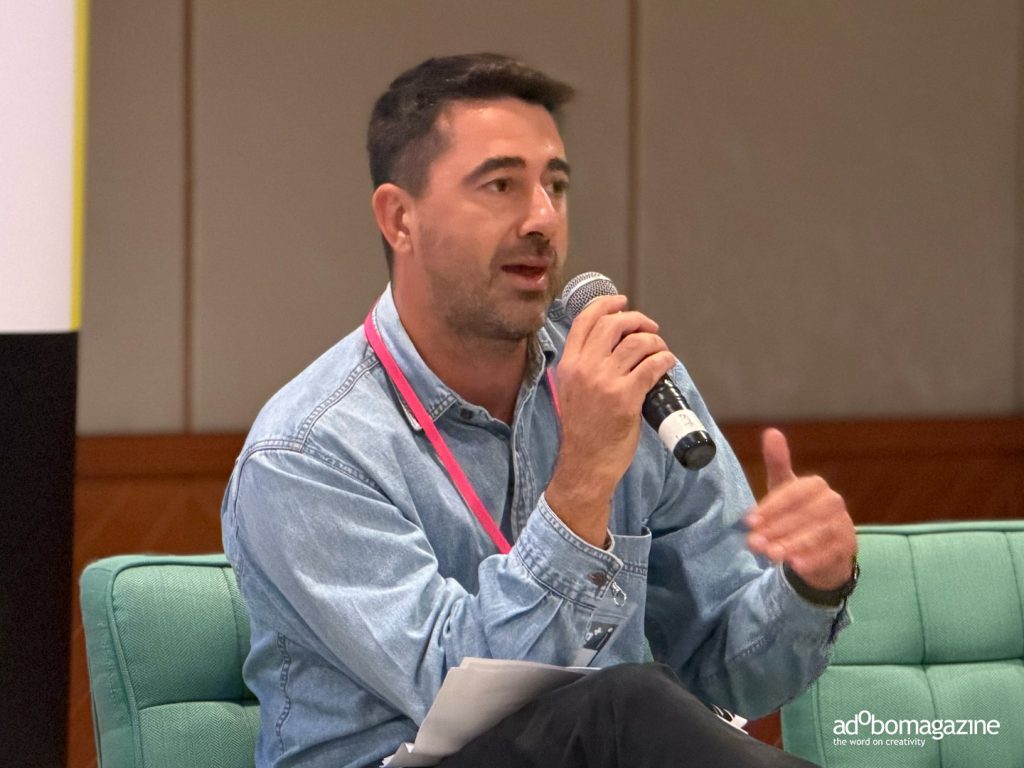
“I think it’s actually intent. It’s being deliberate with what you’re doing,” Ahmadzadeh, who’s also the Jury President for Film Craft and New Director at ADFEST 2026, said in an exclusive interview with adobo Magazine when asked to define what craft meant for him. “If it’s camera technique, if it’s direction, the sound, it’s really purpose-driven. I think true craft is invisible. You don’t even notice it. That’s how you can measure craft.”
This philosophy runs through everything he looks for — from cinematography and sound design to how a frame is composed. Craft, according to Ahmadzadeh, isn’t about technical showmanship, but about every choice serving the story and the viewer’s emotional journey.
The alchemy of technical and emotional
But here’s where it gets complicated: how do you marry technical excellence with emotional resonance? How do you make something that’s both flawlessly executed and deeply human?
“You need both aspects,” Ahmadzadeh said. “You need technical excellence as well as emotional storytelling. They both tie together. They merge together.”
Good structure in a script creates an emotional journey — that’s the foundation. But then cinematography frames that journey. Sound design and music composition amplify it. Each element is purposeful, each choice deliberate.
“It’s like a beautiful merge of all techniques,” he noted. “But really, at the end of the day, it’s about storytelling. It’s about enhancing storytelling and using these techniques to enhance storytelling and bring the viewer on a journey.”
This means a filmmaker can have one weak element — a lesser casting choice, a moment that doesn’t land — but if everything is stitched together correctly, if the intent is clear throughout, it still reads as excellence. Craft shouldn’t be perfection, but coherence in service of emotion.
What films actually need right now
When Ahmadzadeh looks at what’s being made today, he sees something encouraging. “I still see beautifully crafted, longer narrative pieces,” he observed. Platforms like TikTok promised to change the language of film, to shorten attention spans and narrative ambition. But that hasn’t happened in the work he’s judging.
Instead, he’s seeing brands willing to invest in real storytelling. A WhatsApp film by Fundamental Mumbai used the platform itself as a narrative device — a tool that helps a newly married couple actually fall in love while separated.
The Grande Lotus winner for Film Craft, “Desi Oon” by Studio Eeksaurus, exemplified this philosophy perfectly. The film’s craft — particularly its use of stop motion and characterization — doesn’t announce itself. Instead, it disappears into the story.
“They were able to characterize everything in such a beautiful way that you were so connected to the film itself,” Ahmadzadeh explained.
What made it universal wasn’t technical flash. It was the depictions of culture woven throughout, and a brand presence so subtle and integrated that anyone could understand it, regardless of where they came from.
“In Asia, I feel like people actually have an appetite to watch short films that are brand-related, rather than tactical pieces,” he said. “I’ve seen a lot of true, beautiful narrative pieces.”
This matters because it suggests filmmaking isn’t contracting but expanding. In fact, he pointed out that storytellers have more space, not less. The brands are now brave enough to trust that craft is winning.
The one thing AI cannot do
During our conversation, I asked Ahmadzadeh about his thoughts on AI-generated films. He himself has consumed a lot of AI-generated films, something he calls “stunning” and “technically impressive.”
He noted that while they have quickly entered everyone’s algorithms, something crucial is lost.
“I think the ultimate decision-making is always going to be human,” Ahmadzadeh said. “When I watch an AI film, I often feel that it lacks that emotional connection. It doesn’t feel right for me, and it’s difficult to pinpoint exactly why that is missing, but it’s because there’s no human involved.”
It’s not necessarily nostalgia, but something around what happens when judgment is removed from the equation. AI can generate beautiful images. It can create structure. But it can’t decide what matters. It can’t feel the vulnerability that comes from imperfection, the risk that makes a moment real.
“It’s good to have imperfections. It’s good to have things that are not absolutely perfect. It creates vulnerability,” Ahmadzadeh explained. “You need to bring the viewer on a journey. You need to create an arc to your story. You need to have a reveal at the end. You need to build this structure. Sometimes I feel that in writing or script writing, AI lacks that aspect.”
What remains human is judgment. The decision on which story to tell, how to tell it, when to break the rules, and where to take a risk.
The future stays infinite
When asked what the future of creativity looks like, Ahmadzadeh doesn’t hesitate, saying, “The future of creativity is infinite because it’s ever-changing. What we can define as creative today will be different tomorrow and the next day. It will be constantly evolving.”
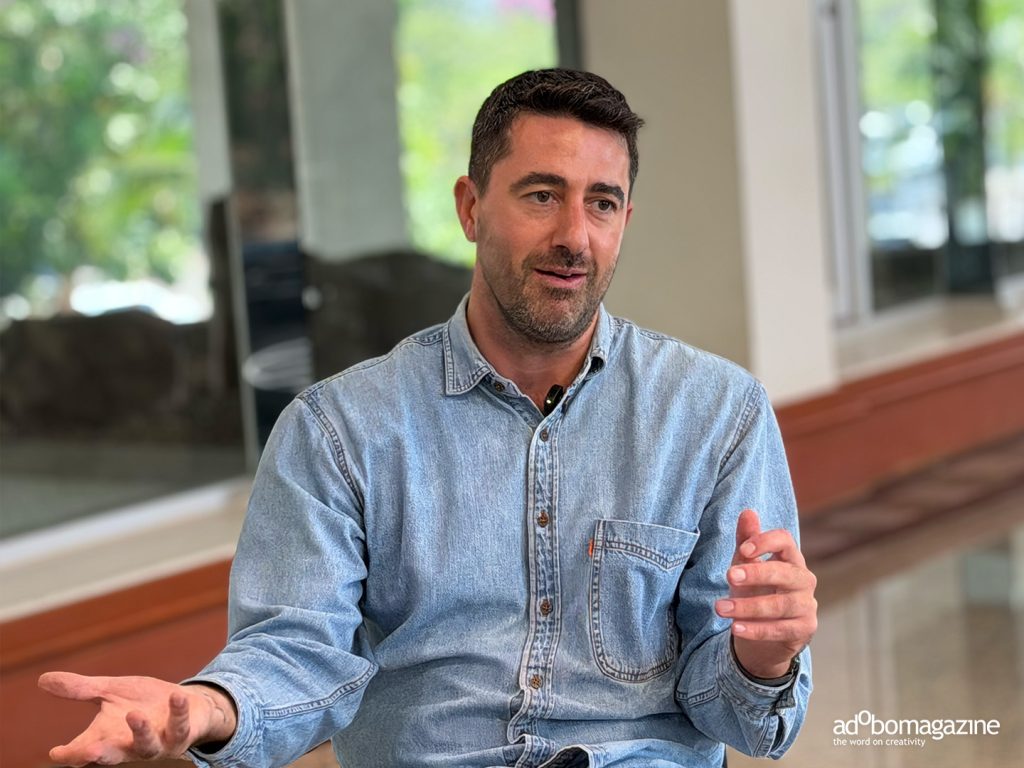
This isn’t optimism without reason. It’s based on watching how the audience responds. People always want to see what’s next. How can we do better? What can we do differently? That curiosity, that hunger for something new, means craft itself will keep evolving.
But the core won’t change. The viewer still needs to feel something. The story still needs an arc. The techniques still need to serve the emotion. And it all needs to feel like someone — a human with taste, judgment, and purpose — made a choice.
READ MORE:
electriclime sign director Joe Connor to roster on exclusive basis through MENA and APAC